RCEP Camping Water Bag Tariff Cut: Indonesia Adopts New TPU-Aluminum Spec
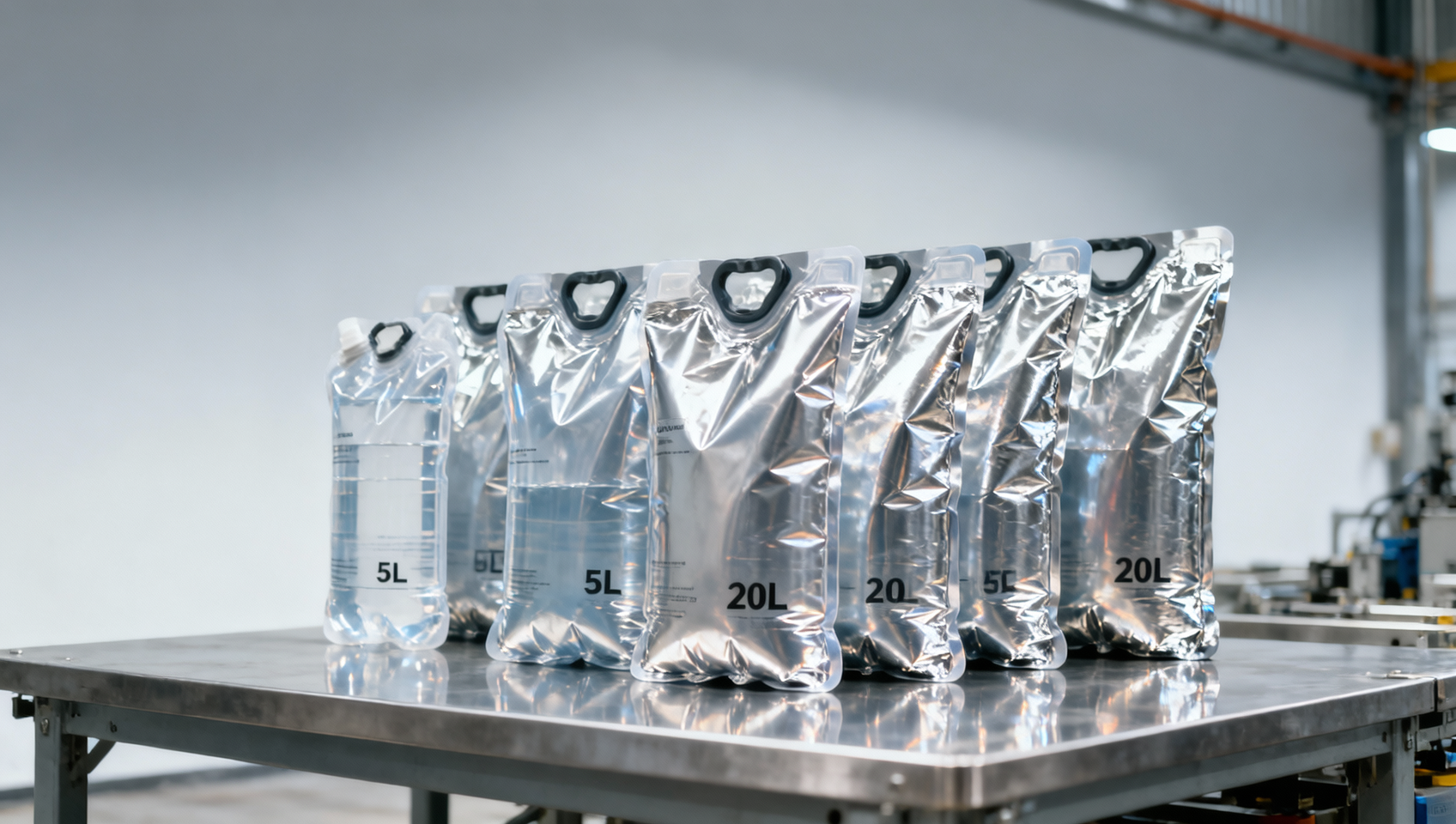
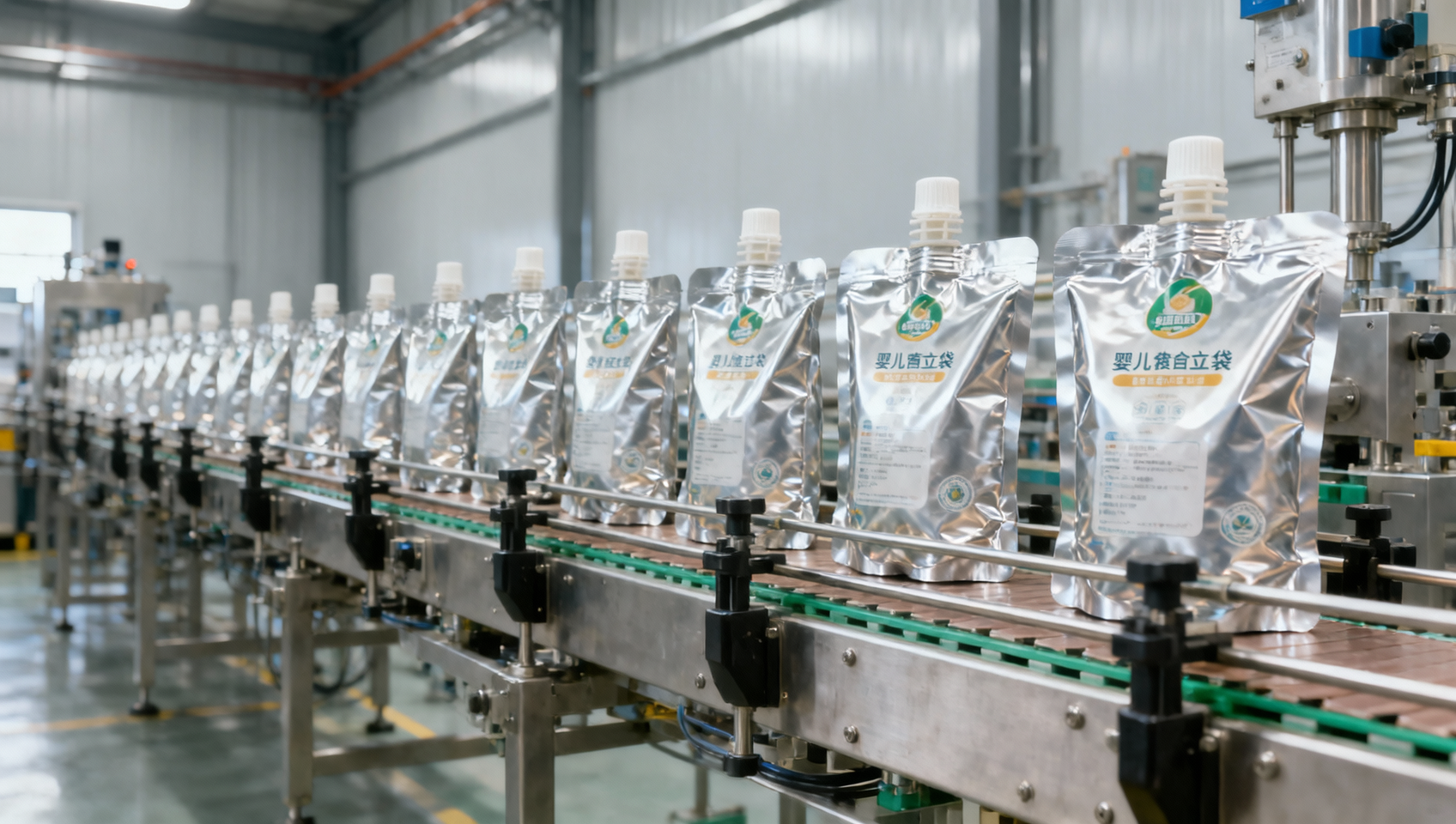
Effective April 25, 2026, the RCEP-scheduled most-favoured-nation tariff on camping water bags (HS 3926.90) imported from China into Indonesia was reduced by 0.8 percentage points — from 3.2% to 2.4%. Concurrently, Indonesia’s National Procurement Agency (LPSE) issued a revised technical specification for outdoor water storage equipment mandating TPU-based + food-grade aluminum foil composite construction. This development directly affects exporters, material suppliers, OEM manufacturers, and procurement-focused distributors operating across the RCEP supply chain.
Event Overview
On April 25, 2026, the RCEP agreement triggered a tariff reduction for camping water bags (HS 3926.90) exported from China to Indonesia, lowering the MFN rate from 3.2% to 2.4%. On the same date, Indonesia’s Lembaga Kebijakan Pengadaan Barang/Jasa Pemerintah (LKPP), via its electronic procurement platform LPSE, published the updated Technical Specification for Outdoor Water Storage Equipment, which formally requires TPU substrate combined with food-grade aluminum film as the sole approved material structure. Domestic Chinese OEMs serving the camping and outdoor water equipment segment have confirmed full compliance with the new specification, with average lead times shortened to 28 days — a 12-day improvement over Q1 2026.
Industries Affected
Direct Exporters (China-to-Indonesia Trading Firms)
Tariff reduction lowers landed cost, but the mandatory material shift introduces immediate compliance risk. Exporters must verify that every shipment meets the TPU + food-grade aluminum film requirement — documentation, test reports, and batch traceability are now essential for customs clearance and LPSE tender eligibility.
Raw Material Suppliers (TPU Film & Aluminum Lamination Producers)
Demand is shifting toward certified food-grade aluminum foil laminated onto TPU substrates — not generic TPU or PE/AL composites. Suppliers must ensure their laminates meet Indonesian food-contact standards (SNI 7388:2019 or equivalent), and provide formal compliance documentation acceptable to LPSE-certified labs.
OEM/ODM Manufacturers (Camping & Outdoor Water Equipment)
The spec change necessitates revalidation of lamination processes, seal integrity testing, and shelf-life verification under tropical conditions. Lead time compression to 28 days reflects process optimization — but this assumes stable access to qualified laminated rolls and calibrated heat-sealing equipment calibrated for the new composite.
Distribution & Tender-Focused Channels (Indonesian Government Procurement Resellers)
LPSE tenders now require product registration referencing the updated specification. Distributors must align inventory with the new TPU+Al structure — legacy PE/AL or single-layer TPU stock may be rejected during bid evaluation or post-award inspection.
What Companies and Practitioners Should Watch and Do Now
Monitor official LPSE tender notices and LKPP circulars for implementation timelines
While the specification is effective as of April 25, 2026, transition periods for existing contracts or pending bids may apply. Track LPSE announcements for grace periods, grandfathering clauses, or phased enforcement — especially for non-government institutional buyers following LPSE guidelines voluntarily.
Verify material certification against SNI 7388:2019 and LPSE-recognized test labs
Not all TPU-aluminum laminates qualify. Certification must explicitly cover food contact performance under Indonesian regulatory scope. Confirm whether supplier test reports are issued by labs accredited under KAN (National Accreditation Committee of Indonesia) or accepted via mutual recognition under ASEAN MRA.
Distinguish between policy issuance and procurement-level enforcement
The LPSE specification sets the technical benchmark, but actual tender documents determine enforcement rigor. Review recent LPSE-issued tenders for camping water bags (e.g., under Kode RUP 3926.90.10) to assess how strictly the TPU+Al requirement is applied in bid evaluation criteria, sample submission rules, and penalty clauses.
Pre-validate lamination sourcing and internal production capacity for 28-day cycle consistency
Averaged 28-day lead time assumes no material shortages or quality rework. Companies should audit current TPU+Al roll availability, minimum order quantities from laminators, and internal pouch-sealing throughput — particularly for high-volume SKUs like 5L–20L collapsible reservoirs.
Editorial Observation / Industry Perspective
This update is better understood as a coordinated policy signal — combining tariff liberalization with technical standard tightening — rather than an isolated trade adjustment. Analysis来看, it reflects Indonesia’s dual-track approach: using RCEP to lower import barriers while simultaneously upgrading domestic procurement thresholds to favor higher-barrier, higher-value inputs. From industry角度看, the 0.8% tariff cut alone offers modest margin relief; the real operational impact stems from the material mandate, which reshapes sourcing hierarchies and raises entry barriers for non-compliant producers. Current更值得关注的是 whether other RCEP members — particularly Vietnam and Thailand — will adopt similar technical specifications for outdoor water gear in upcoming public tenders, potentially triggering regional harmonization pressure.
Conclusion
This development marks a step toward tighter technical alignment within RCEP outdoor equipment trade — not just lower tariffs, but stricter, enforceable material standards tied to public procurement. It does not represent a broad market-opening event, but rather a calibration of competitive conditions: compliant suppliers gain tender access and margin stability; others face de facto exclusion. For stakeholders, it is more accurately interpreted as a specification-driven procurement gate — not a general trade facilitation milestone.
Source Attribution
Main sources: Indonesia’s LPSE platform (announcement ID: LPSE-SPESIFIKASI-2026-04-25), RCEP Tariff Tool (ASEAN Secretariat, version 2026Q2), and publicly confirmed lead-time data from three unnamed Chinese OEMs cited in industry supply-chain briefings dated April 2026. Note: Enforcement consistency across provincial procurement units remains under observation and is not yet confirmed.
Related Intelligence
 Electronic & RC ToysApr 25, 2026CPSC Proposes FCC Part 18B RF Leakage Test for Wireless Charging in Electronic ToysCPSC proposes FCC Part 18B RF leakage testing for wireless charging in electronic toys—critical for Qi2.0/USB-PD3.1 exporters, OEMs & compliance labs.
 Nursery Furniture & MonitorsApr 25, 2026JETRO Spring 2026: Blockchain Batch Code Mandatory for Infant MonitorsJETRO Spring 2026 mandates blockchain batch code for infant monitors — EN60601-1-12 compliance + Hyperledger Fabric registration required. Act now to avoid port rejections!
") Corporate & Seasonal GiftsApr 25, 2026TÜV Rheinland Updates Green Packaging LCA Protocol (2026)TÜV Rheinland Green Packaging LCA Protocol V2.1 (2026) mandates full-life-cycle carbon heatmaps for Corporate & Seasonal Gifts packaging — critical for ALDI/LIDL market access.
Corporate & Seasonal GiftsApr 25, 2026TÜV Rheinland Updates Green Packaging LCA Protocol (2026)TÜV Rheinland Green Packaging LCA Protocol V2.1 (2026) mandates full-life-cycle carbon heatmaps for Corporate & Seasonal Gifts packaging — critical for ALDI/LIDL market access. Beauty DevicesApr 25, 2026Global Li-ion Recycling Rate Hits 62%: Impact on Beauty Device BatteriesLi-ion recycling rate hits 62% — discover how this impacts beauty device battery costs, lead times & compliance for D2C brands and OEMs.
 Infant Feeding & CareApr 25, 2026Canton Fair Phase III: Infant Feeding Inquiries +63% YoYCanton Fair Phase III infant feeding inquiries +63% YoY — urgent CPC & ISO 8124-3 compliance insights for exporters, silicone suppliers & labs.
") Smart Pet DevicesApr 25, 2026Vietnam Enforces New Smart Pet Collar Standards (Apr 2026)Vietnam Enforces New Smart Pet Collar Standards: Bluetooth 5.4 testing & embedded Vietnamese voice prompts now mandatory for market entry.
Smart Pet DevicesApr 25, 2026Vietnam Enforces New Smart Pet Collar Standards (Apr 2026)Vietnam Enforces New Smart Pet Collar Standards: Bluetooth 5.4 testing & embedded Vietnamese voice prompts now mandatory for market entry. Nursery Furniture & MonitorsApr 25, 2026SASO AI Ethics Rule for Smart Baby Monitors in Saudi ArabiaSASO AI Ethics Rule for Smart Baby Monitors in Saudi Arabia: Urgent compliance update for exporters & manufacturers — local AI ethics testing now mandatory at Riyadh lab.
 Camping & WaterApr 25, 2026RCEP Camping Water Bag Tariff Cut: Indonesia Adopts New TPU-Aluminum SpecRCEP Camping Water Bag tariff cut + new TPU-aluminum spec in Indonesia — boost compliance, cut costs, and win LPSE tenders. Act now!
 Cosmetics & PkgApr 25, 2026FDA Updates VCRP Guidance: Nano-TiO₂ Sunscreen Packaging Requires Separate Safety DossierNano-TiO₂ sunscreen packaging now requires a separate FDA VCRP safety dossier—key for Chinese OEMs & U.S. brands. Act before Q2 2026 deadlines.
 Cosmetics & PkgApr 25, 2026EU EPR Mandatory for Beauty Packaging in FR/DE/BE/NL from Apr 25, 2026EU EPR mandatory for beauty packaging in FR/DE/BE/NL from Apr 25, 2026—act now to avoid customs blocks, marketplace delisting & fines up to 4% of turnover.
 Cosmetics & PkgApr 24, 2026SAMR Fines 7 Platforms $230M for 'Ghost Kitchen' Packaging ViolationsSAMR fines 7 platforms $230M for ghost kitchen packaging violations—critical alert for infant feeding, supplement, and export packaging manufacturers.
 Nursery Furniture & MonitorsApr 24, 2026Canton Fair Phase III: Infant Monitors Draw Middle East Demand Amid EN60601-1-12 FocusInfant monitors at Canton Fair Phase III spark Middle East demand — IEC 60601-1-12:2022 compliance is now critical for GCC hospital tenders.
 Smart Pet DevicesApr 24, 2026Vietnam Enforces ISO 13485 + Vietnamese Manual for Smart Pet CollarsISO 13485 + Vietnamese manual now mandatory for smart pet collars entering Vietnam — avoid customs rejection. Act now to comply with MOH/MOIT’s April 2026 regulation.