SAMR Fines 7 Platforms $230M for 'Ghost Kitchen' Packaging Violations
On April 23, 2026, China’s State Administration for Market Regulation (SAMR) imposed a total fine of RMB 230 million on seven major food delivery platforms—including Meituan and Ele.me—for violations related to unlicensed food-contact packaging used in ‘ghost kitchen’ operations. This enforcement action signals heightened scrutiny of supply chain compliance for food-grade packaging materials, with direct implications for infant feeding, dietary supplement, cosmetics, and export-oriented packaging manufacturers.
Event Overview
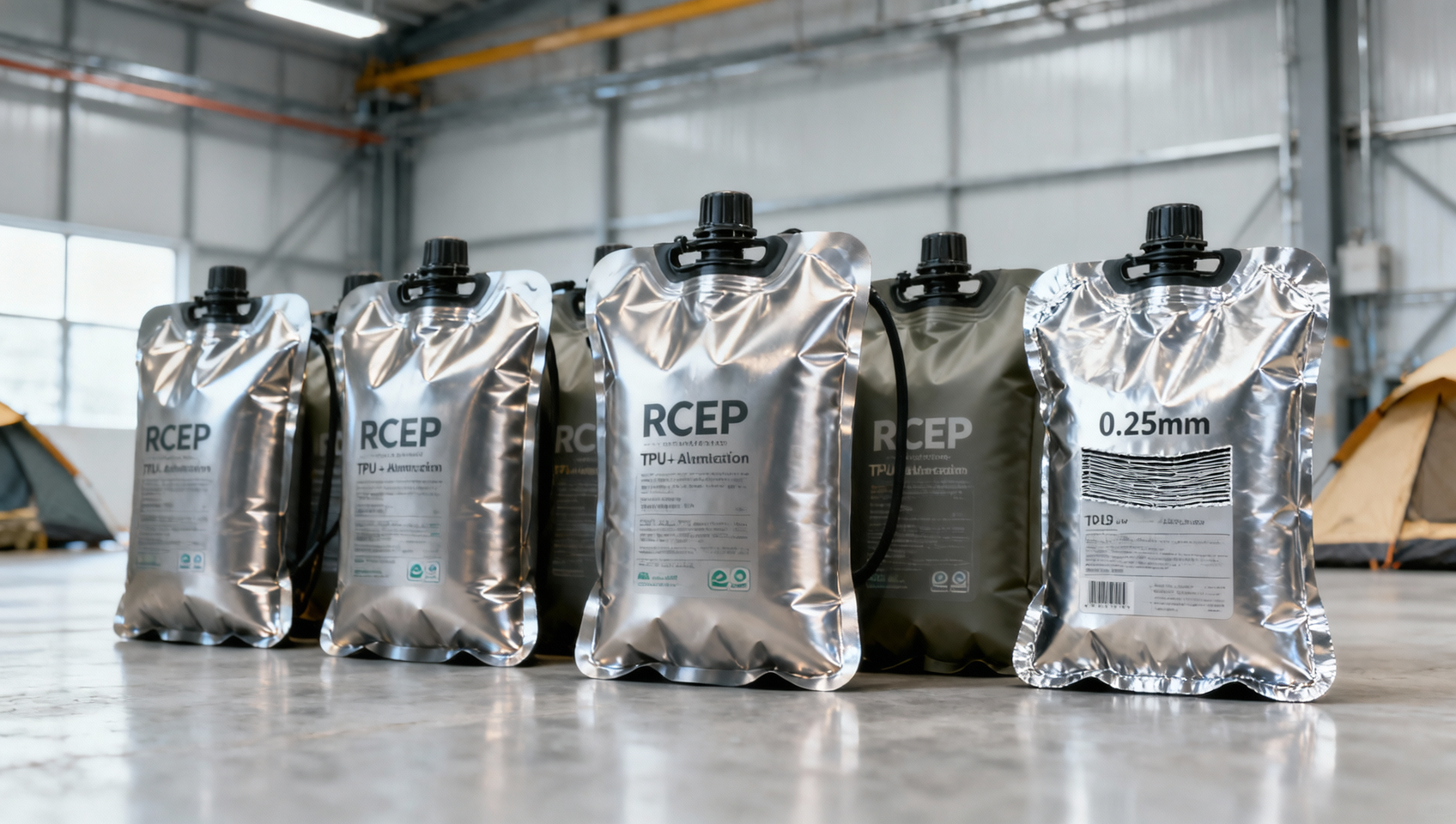
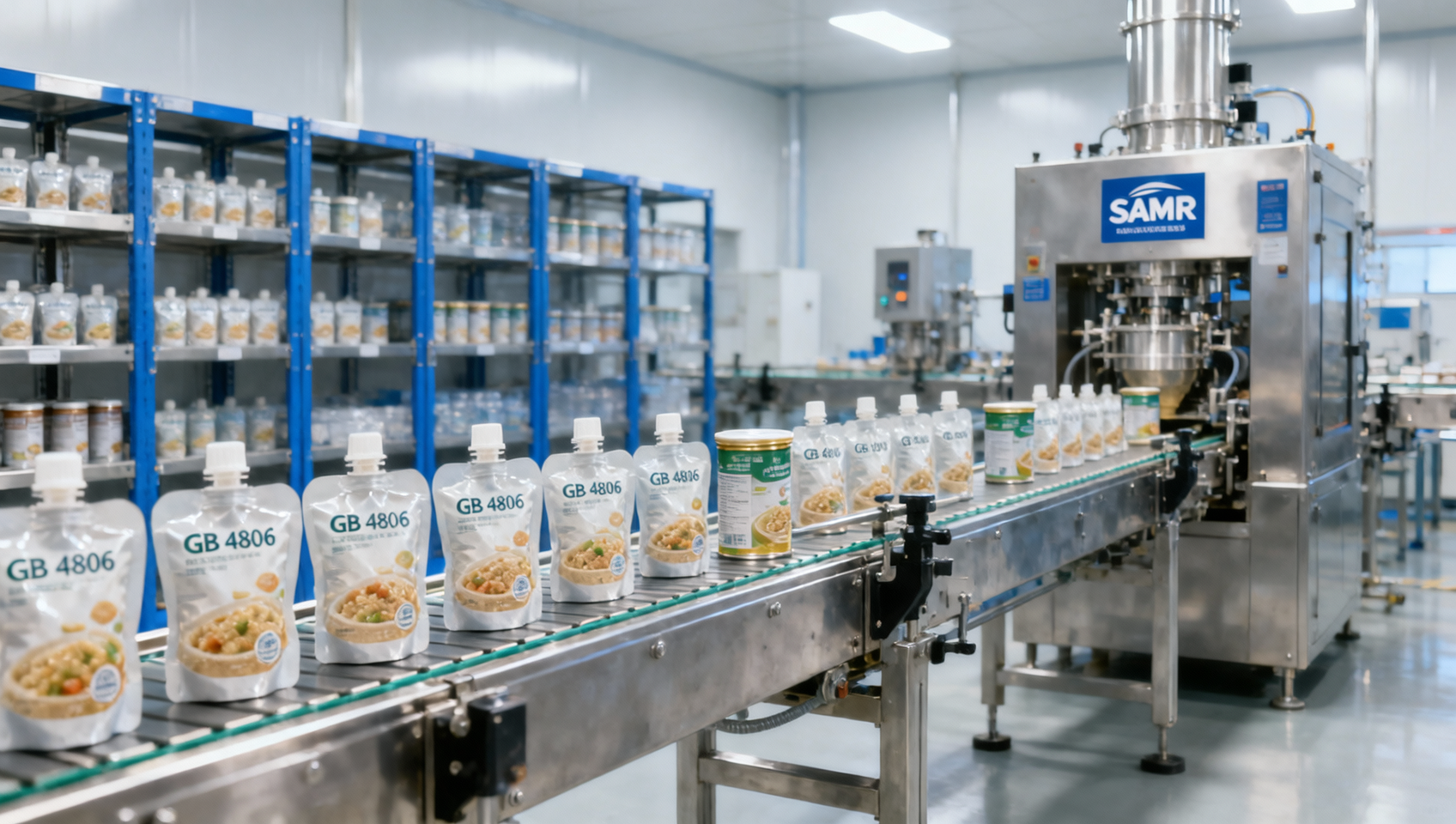
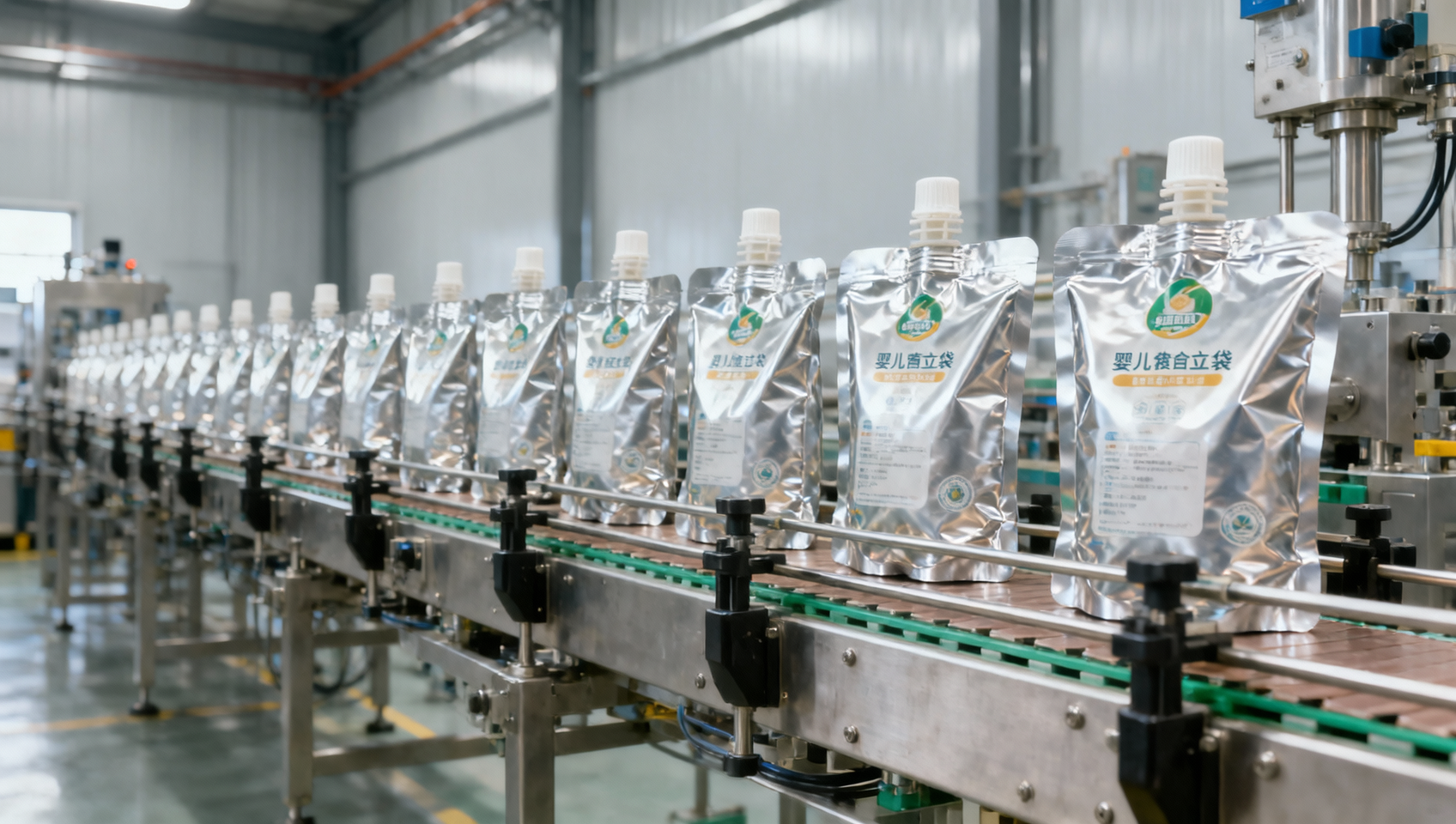
On April 23, 2026, SAMR announced the outcomes of its ‘Online Catering Food Safety Special Rectification Campaign’. It penalized seven major food delivery platforms with a combined fine of RMB 230 million. The core violation identified was the use of food-contact packaging materials—such as baby food pouches and meal-replacement aluminum foil bags—without valid SC (Production License for Food-Related Products) certification in ‘ghost kitchen’ operations. No further details regarding individual platform penalties or remediation timelines were disclosed in the official release.
Industries Affected by This Enforcement Action
Export-oriented Cosmetics & Packaging Manufacturers: These enterprises often supply dual-use or co-manufactured materials (e.g., laminated pouches, barrier films) that overlap with food-grade specifications. As domestic food-packaging SC requirements expand, overseas buyers increasingly reference Chinese regulatory alignment as part of supplier qualification—making traceability and documentation of raw material compliance more critical for audit readiness.
Infant Feeding & Care Product Suppliers: Baby food pouches and reusable feeding containers fall directly under SAMR’s food-contact product licensing regime. The enforcement underscores that even products marketed for non-ready-to-eat use—such as storage or portioning—may be classified as food-contact if intended for direct contact with consumables, triggering SC applicability.
Food-Grade Packaging Material Importers & Distributors: Entities sourcing film, adhesives, inks, or laminates from overseas suppliers must now verify whether those inputs meet China’s SC-mandated testing and registration protocols—not just international standards (e.g., FDA 21 CFR, EU 10/2011). Non-SC-certified materials risk rejection at the point of domestic packaging production or platform listing.
OEM/ODM Contract Manufacturers (for food-related goods): Facilities producing private-label baby food, protein powders, or functional beverages are now liable for validating the SC status of all packaging components they procure—even when sourced from third-party vendors. Failure to maintain documentation may result in joint liability under SAMR’s upstream accountability framework.
What Relevant Enterprises or Practitioners Should Focus On Now
Monitor official SC implementation guidance for packaging subcategories
SAMR has not yet published updated technical guidelines specifying which packaging formats (e.g., stand-up pouches with zippers, retortable sachets) require SC certification versus those covered under general food safety standards. Enterprises should track upcoming notices from provincial market supervision bureaus, especially those issued after April 2026, for category-specific thresholds and transitional arrangements.
Prioritize traceability documentation for high-risk packaging inputs
For materials such as aluminum foil laminates, PE/PP coextrusions, and printed barrier films used in baby food or meal-replacement applications, enterprises should verify and archive: (i) supplier’s valid SC license number; (ii) test reports covering migration limits (e.g., overall migration, heavy metals, BPA); and (iii) batch-level conformity statements. This documentation is now routinely requested during platform onboarding and SAMR spot checks.
Distinguish between policy signal and operational rollout
The April 23 penalty reflects enforcement against platforms—not direct producers—yet it establishes a clear accountability chain. From an operational standpoint, SC coverage is currently mandatory only for packaging placed on the domestic Chinese market. Export-only production lines remain outside this requirement unless the finished packaged good is listed on a Chinese platform. However, analysis来看, global brands sourcing from China are increasingly treating domestic SC compliance as a de facto baseline for shared supply chains.
Review procurement contracts and vendor qualification criteria
Enterprises should revise supplier agreements to include clauses requiring SC license maintenance, annual retesting, and prompt notification of certification changes. Internal vendor scorecards should now assign weight to regulatory documentation completeness—not just cost or lead time—as non-compliant inputs may delay platform listings or trigger recall liabilities.
Editorial Perspective / Industry Observation
This enforcement action is better understood as a regulatory signal than an immediate operational mandate for all packaging suppliers. Observation来看, SAMR is using platform penalties to accelerate SC adoption upstream—leveraging digital marketplace leverage rather than conducting factory-by-factory inspections. From industry angle, the focus on ‘ghost kitchens’ highlights how decentralized food preparation models have exposed gaps in packaging traceability, making compliance verification more complex across fragmented manufacturing tiers. Current more relevant interpretation is that SC certification is transitioning from a ‘nice-to-have’ for export suppliers to a documented prerequisite for any packaging component entering China’s online food ecosystem—even indirectly.
It remains to be seen whether SAMR will extend similar enforcement to cross-border e-commerce platforms or third-party logistics providers handling food-contact packaging inventory. That extension would significantly broaden scope—but as of April 2026, no such expansion has been announced.
Conclusion
This action marks a structural shift in how food-contact packaging compliance is enforced in China—not through isolated factory audits, but via accountability cascading from platforms to material suppliers. For affected enterprises, the priority is not broad compliance overhauls, but targeted verification of SC status for specific SKUs linked to domestic food delivery channels. The event is best interpreted as a calibration of enforcement emphasis—not a new regulation—and signals growing convergence between domestic regulatory expectations and international buyer due diligence standards.
Source Attribution
Main source: Official announcement by China’s State Administration for Market Regulation (SAMR), released April 23, 2026.
Points under ongoing observation: Further technical guidance on SC scope for composite packaging structures; potential extension of accountability to logistics or warehousing service providers; updates to provincial-level enforcement interpretations.
Related Intelligence
 Cosmetics & PkgApr 24, 2026SAMR Fines 7 Platforms $230M for 'Ghost Kitchen' Packaging ViolationsSAMR fines 7 platforms $230M for ghost kitchen packaging violations—critical alert for infant feeding, supplement, and export packaging manufacturers.
 Nursery Furniture & MonitorsApr 24, 2026Canton Fair Phase III: Infant Monitors Draw Middle East Demand Amid EN60601-1-12 FocusInfant monitors at Canton Fair Phase III spark Middle East demand — IEC 60601-1-12:2022 compliance is now critical for GCC hospital tenders.
 Smart Pet DevicesApr 24, 2026Vietnam Enforces ISO 13485 + Vietnamese Manual for Smart Pet CollarsISO 13485 + Vietnamese manual now mandatory for smart pet collars entering Vietnam — avoid customs rejection. Act now to comply with MOH/MOIT’s April 2026 regulation.
 Camping & WaterApr 24, 2026RCEP Camping Water Bags: Indonesia Cuts Tariff, Sets New TPU+Alu SpecRCEP Camping Water Bags: Indonesia cuts tariffs to 5.7% — but only for TPU+Alu spec (0.25mm, 120kPa) with SNI & MUI compliance. Act now!
 Cosmetics & PkgApr 24, 2026EU EPR Dual Registration Effective for Cosmetics Packaging ExportersEU EPR dual registration is now mandatory for cosmetics packaging exporters—register with Eco-Emballages & Dual System Germany by deadline to avoid fines and delisting.
 Beauty DevicesApr 24, 2026Global Lithium Battery Recycling Rate Hits 62%: Impact on Beauty Device Supply ChainLithium battery recycling rate hits 62% — cutting beauty device BOM costs by 9% and lead times to 6 weeks. Discover supply chain impacts & compliance actions.
 Infant Feeding & CareApr 24, 2026JETRO Spring 2026 Sourcing Alert: Blockchain Batch Codes for Infant Silicone Feeding ProductsBlockchain batch codes now mandatory for infant silicone feeding products entering Japan—learn how JETRO’s Spring 2026 Sourcing Alert impacts your compliance, labeling, and market access.
 STEM & Educational ToysApr 24, 2026SASO Launches 24-Hour AI-STEM Toy Certification in Saudi ArabiaSASO's new 24-hour AI-STEM toy certification accelerates Saudi market access for Chinese exporters—fast, standards-aligned, and Q3 2026 ready.
![]() Corporate & Seasonal GiftsApr 24, 2026TÜV Rheinland Enforces LCA Heatmaps for Green Gift Packaging in German MarketLCA heatmaps now mandatory for green gift packaging in Germany—TÜV Rheinland enforces Protocol v2.0 from July 2026. Act now to secure market access.
Corporate & Seasonal GiftsApr 24, 2026TÜV Rheinland Enforces LCA Heatmaps for Green Gift Packaging in German MarketLCA heatmaps now mandatory for green gift packaging in Germany—TÜV Rheinland enforces Protocol v2.0 from July 2026. Act now to secure market access. Cosmetics & PkgApr 24, 2026FDA New Rule: Cosmetic Packaging Must Have Independent VCRP RegistrationFDA's new VCRP registration rule for cosmetic packaging takes effect April 2026—tubes, pumps, laminates & more must be independently registered. Act now to avoid CBP delays, rejections, or penalties.
 Cosmetics & PkgApr 23, 2026SAMR Penalizes 7 Platforms for 'Ghost Food Delivery' PackagingSAMR penalizes 7 platforms for 'ghost food delivery' packaging—critical for infant pouch & supplement container suppliers. Verify your Food-Related Product Production License now to secure global orders.
 Cosmetics & PkgApr 23, 2026EU EPR Dual-Country Registration Effective for Cosmetics PackagingEU EPR Dual-Country Registration is now mandatory for cosmetics packaging in France & Germany—register with ADEME and EAR by April 2026 to avoid delisting.
 Cosmetics & PkgApr 23, 2026US FDA Enforces VCRP Registration for Cosmetic Packaging as of Apr 22, 2026US FDA mandates VCRP registration for cosmetic packaging as of Apr 22, 2026 — learn how bottles, tubes & aerosol cans must comply to clear U.S. customs.