SAMR Penalizes 7 Platforms for 'Ghost Food Delivery' Packaging
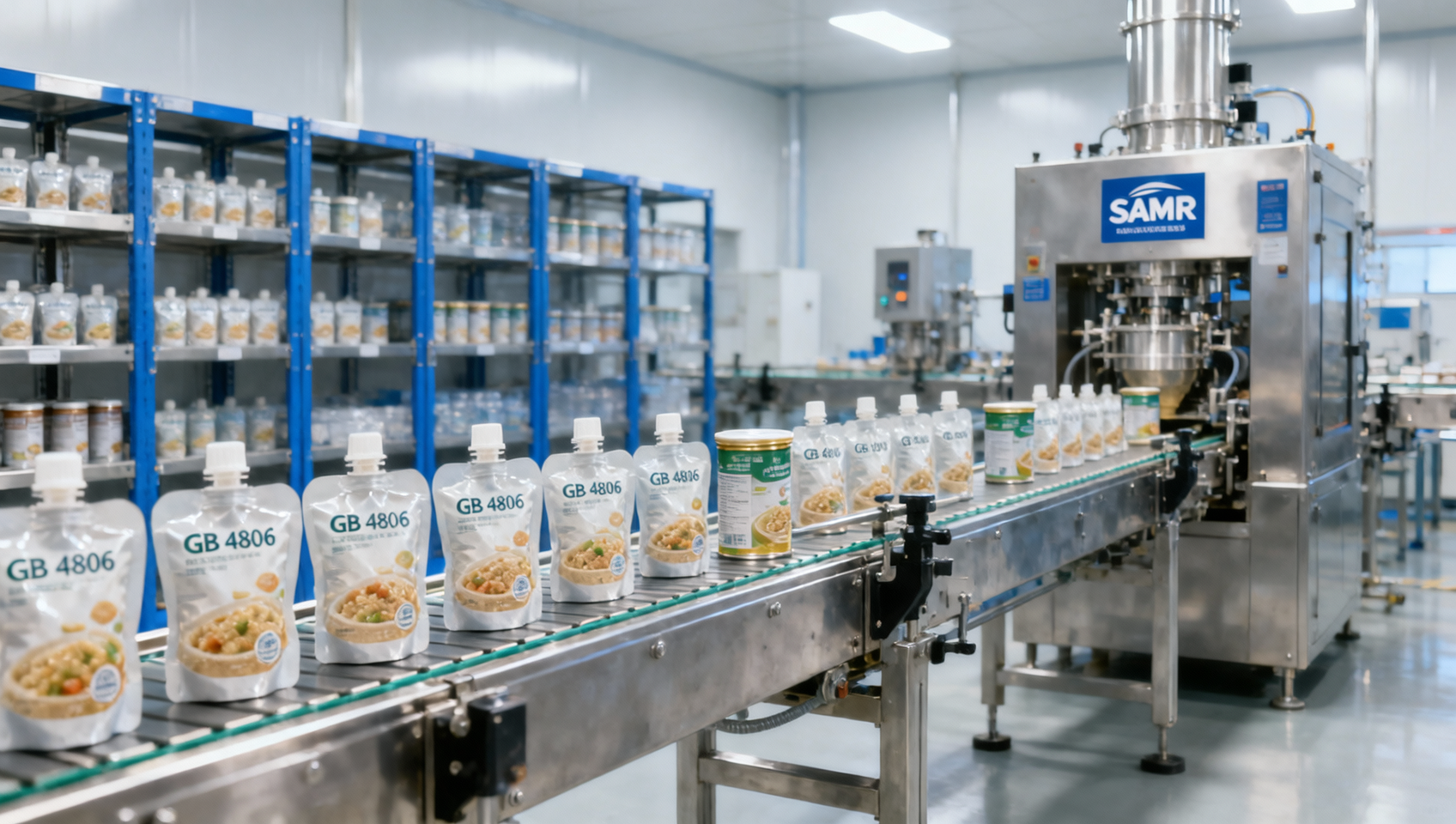
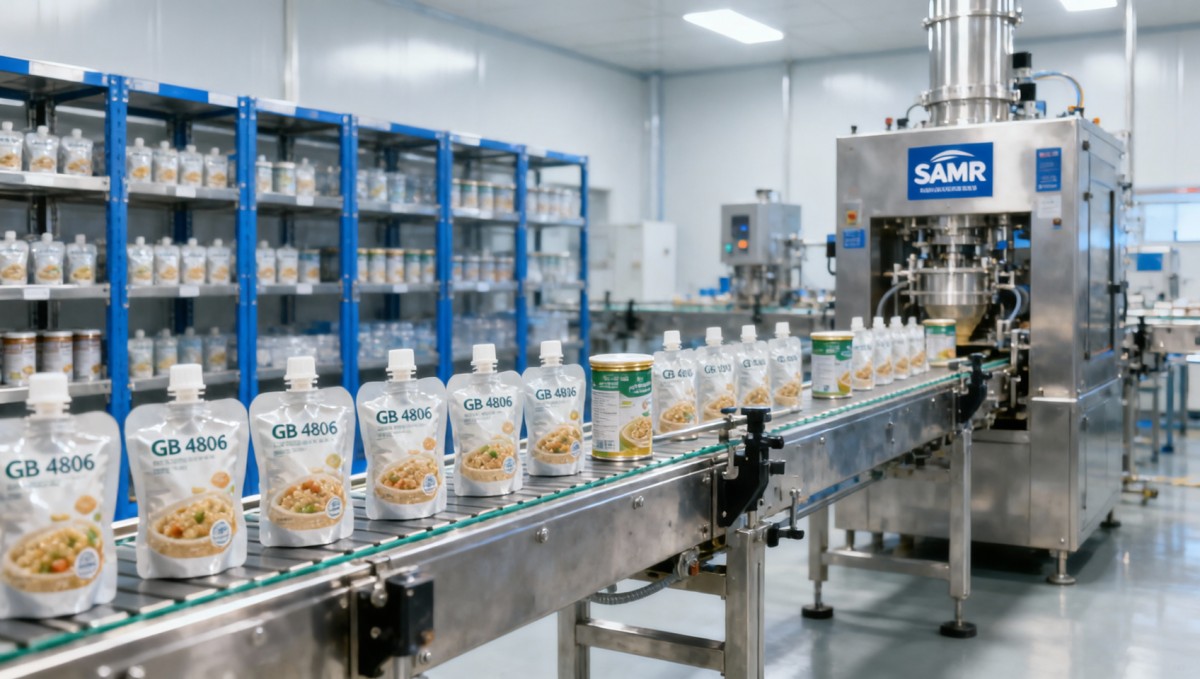
China’s State Administration for Market Regulation (SAMR) announced on April 22, 2026, a targeted enforcement action against seven major food delivery platforms—including Meituan and Ele.me—for facilitating the online circulation of food-contact packaging materials lacking valid Food-Related Product Production Licenses. This development directly affects manufacturers and exporters supplying infant complementary food pouches, meal replacement powder cans, and similar regulated packaging—particularly those serving international clients who assess supplier compliance stability through Chinese regulatory adherence.
Event Overview
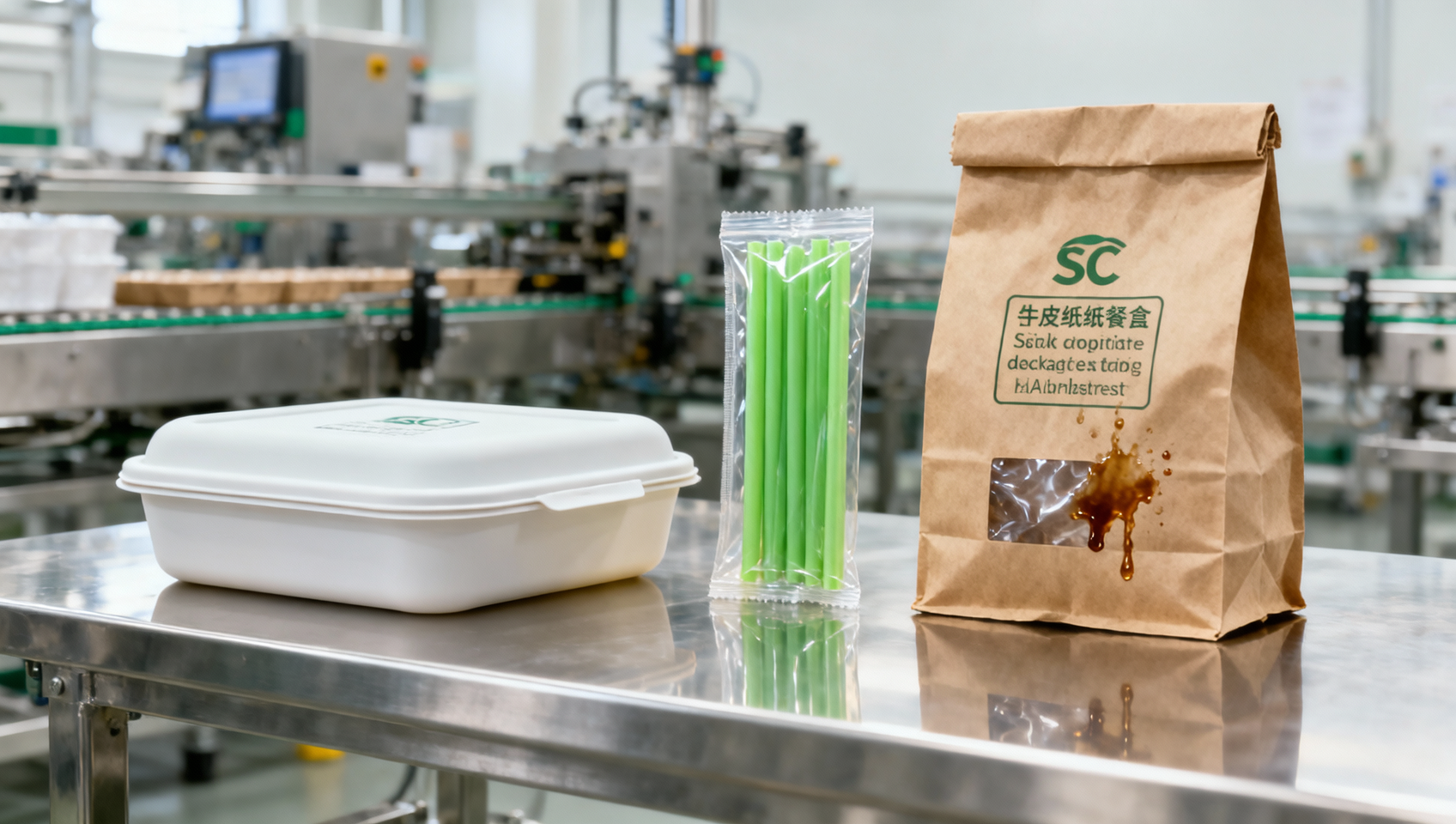
On April 22, 2026, SAMR issued an official notice confirming a special rectification campaign targeting ‘ghost food delivery’ practices on seven digital platforms. The enforcement specifically focuses on the unlawful online sale of food-contact packaging—such as baby food pouches and dietary supplement containers—that lack the mandatory Food-Related Product Production License required under China’s Regulations on Supervision and Administration of Food-Related Products. No further details on penalties imposed on individual platforms or specific product recalls were disclosed in the initial announcement.
Industries Affected
Contract Manufacturers (OEM/ODM Packaging Producers)
These firms are directly impacted because SAMR’s action triggers stricter upstream scrutiny of production qualifications. Even if their end products are exported, domestic licensing status is now being treated as a de facto benchmark for overseas buyers’ due diligence—especially in婴童 (infant & child care) and health food supply chains.
Export-Oriented Trading Companies
Trading companies acting as intermediaries between Chinese factories and overseas brand owners face heightened documentation requirements. Buyers may now request verified copies of SAMR-issued licenses—not just self-declared conformity—before approving new orders or renewing contracts.
Raw Material Suppliers to Packaging Factories
Suppliers of laminates, adhesives, or food-grade resins used in licensed packaging may see increased demand for traceability documentation (e.g., declarations of compliance with GB 4806 series standards), as OEMs strengthen internal controls to meet tighter license audit expectations.
Distribution & E-commerce Service Providers
Firms offering platform listing support, logistics fulfillment, or digital storefront management for packaging sellers must now verify license validity before onboarding clients—otherwise they risk indirect liability under SAMR’s expanded accountability framework for ‘platform-based circulation’.
Key Focus Areas and Practical Responses for Stakeholders
Monitor official SAMR guidance and provincial implementation notices
SAMR’s April 22 notice is a national-level signal; actual enforcement criteria (e.g., grace periods, inspection frequency, scope of ‘food-contact’ definitions) will be clarified by provincial market bureaus. Stakeholders should track announcements from key provinces like Guangdong, Zhejiang, and Jiangsu—where most packaging OEMs are concentrated.
Prioritize verification of license coverage for high-risk categories
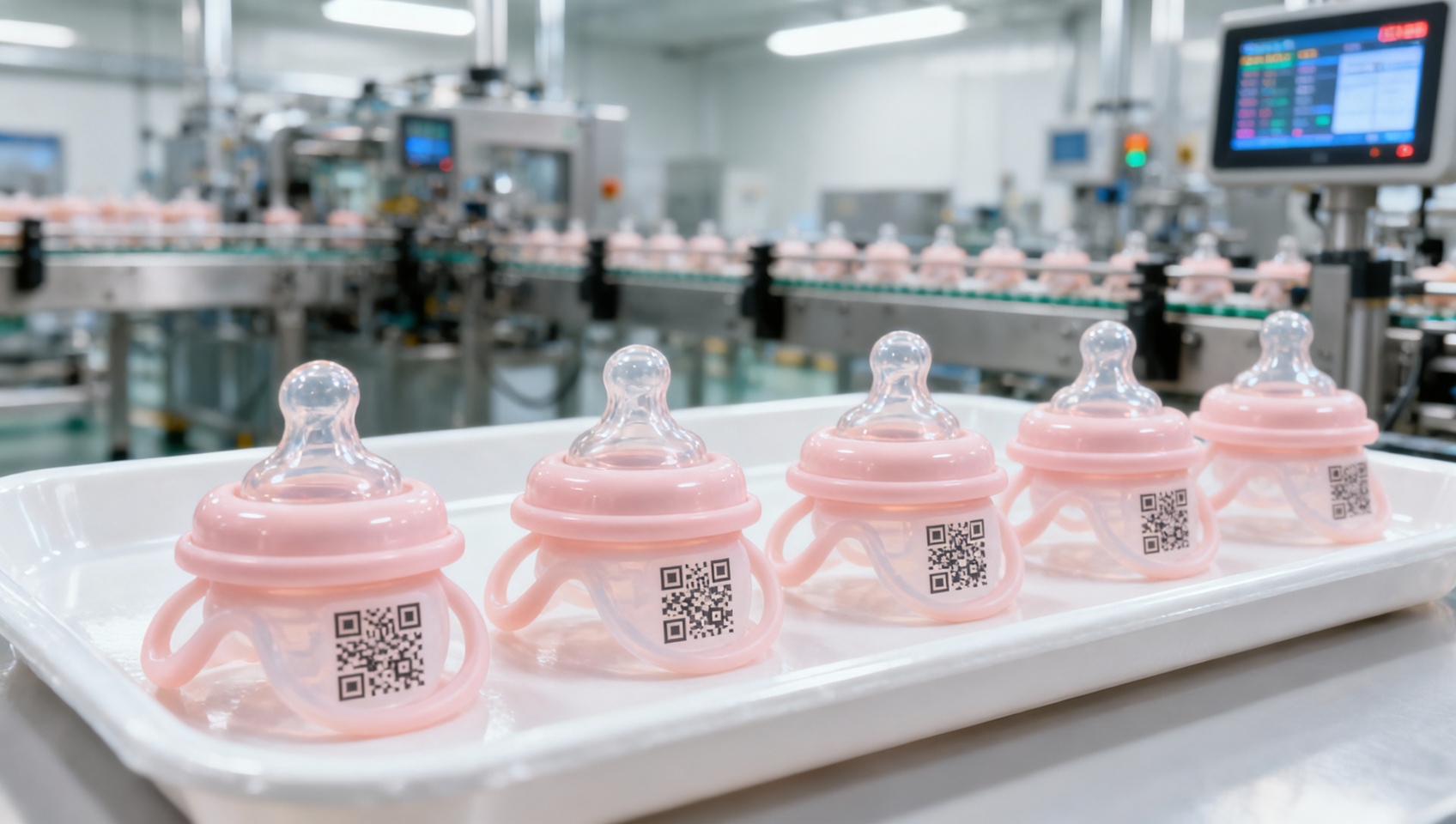
Analysis shows that infant food pouches and powdered nutrition containers are explicitly named in SAMR’s notice. Firms producing these items—even under private label—should confirm whether their current license explicitly lists such products under its approved scope. Gaps here require immediate application updates, not just internal process adjustments.
Distinguish between regulatory signals and operational timelines
From industry perspective, this action reflects tightening oversight—not an abrupt ban. There is no published deadline for license retroactive validation. However, overseas buyers are already adjusting procurement policies. Therefore, aligning documentation ahead of contract renewals matters more than waiting for formal enforcement dates.
Prepare updated compliance dossiers for international clients
Current best practice includes compiling: (1) a certified copy of the valid Food-Related Product Production License, (2) a product scope annex matching buyer-specified SKUs, and (3) third-party test reports aligned with GB 4806.1–11. These documents should be reviewed quarterly—not only at audit time.
Editorial Perspective / Industry Observation
Observation suggests this enforcement is less about immediate punitive outcomes and more about reinforcing a long-term expectation: that food-contact packaging manufacturers treat domestic regulatory licensing as foundational—not optional—to global market access. It signals a shift where SAMR’s domestic actions increasingly serve as proxy indicators for international buyer risk assessments. While no new law was introduced, the linkage between platform-level sales behavior and factory-level licensing compliance represents a structural tightening in how regulatory credibility is evaluated across the supply chain. Continued attention is warranted—not because rules changed overnight, but because evaluation criteria for reliability have quietly evolved.
Conclusion
This SAMR action does not introduce new legislation, but it recalibrates how compliance stability is interpreted by both regulators and global buyers. It is better understood as a reinforcement of existing licensing obligations—now amplified through digital commerce channels—rather than a standalone policy shift. For stakeholders, proactive alignment with license scope requirements and transparent documentation for export clients remains the most operationally relevant response.
Source Attribution
Main source: Official notice issued by China’s State Administration for Market Regulation (SAMR), April 22, 2026.
Points requiring ongoing observation: Provincial-level implementation guidelines, timeline for license verification mandates, and updates to SAMR’s public license database interface for third-party validation.
Related Intelligence
 Cosmetics & PkgApr 23, 2026SAMR Penalizes 7 Platforms for 'Ghost Food Delivery' PackagingSAMR penalizes 7 platforms for 'ghost food delivery' packaging—critical for infant pouch & supplement container suppliers. Verify your Food-Related Product Production License now to secure global orders.
 Cosmetics & PkgApr 23, 2026EU EPR Dual-Country Registration Effective for Cosmetics PackagingEU EPR Dual-Country Registration is now mandatory for cosmetics packaging in France & Germany—register with ADEME and EAR by April 2026 to avoid delisting.
 Cosmetics & PkgApr 23, 2026US FDA Enforces VCRP Registration for Cosmetic Packaging as of Apr 22, 2026US FDA mandates VCRP registration for cosmetic packaging as of Apr 22, 2026 — learn how bottles, tubes & aerosol cans must comply to clear U.S. customs.
 Corporate & Seasonal GiftsApr 23, 2026TÜV Rheinland LCA Rule for Green Gift Packaging Takes Effect in EUTÜV Rheinland LCA Rule for Green Gift Packaging is now live in EU—mandatory carbon heat maps & certified LCAs required for DE/AT/NL market access. Act now!
 Beauty DevicesApr 23, 2026Global Li-ion Recycling Rate Hits 62%: Beauty Device Battery BOM Cost Down 9%Li-ion recycling rate hits 62% — beauty device battery BOM costs drop 9%. Discover how this boosts margins, cuts lead times, and strengthens global supply agility.
 Nursery Furniture & MonitorsApr 23, 2026Canton Fair Phase III: Baby Monitors Surge, EN60601-1-12 Focus in Middle EastCanton Fair Phase III: Baby monitors surge 142%—Middle East buyers prioritize EN60601-1-12:2023 compliance. Discover key implications for exporters & certifiers.
 Infant Feeding & CareApr 23, 2026JETRO Mandates Blockchain Batch Codes for Infant Silicone Feeding ProductsJETRO mandates blockchain batch codes for infant silicone feeding products—pacifiers, teething rings & spoons—to ensure traceability and market access in Japan. Act now!
 STEM & Educational ToysApr 23, 2026SASO Cuts AI Module Certification for STEM Toys to 24 HoursSASO Cuts AI Module Certification for STEM Toys to 24 Hours — Fast-track CoC for voice/image AI toys entering Saudi Arabia. Act now before summer procurement!
 Smart Pet DevicesApr 23, 2026Vietnam Enforces ISO 13485 + Vietnamese Manual for Smart Pet CollarsVietnam enforces ISO 13485 + Vietnamese manual for smart pet collars—key compliance update impacting exporters, OEMs & importers. Act now!
 Camping & WaterApr 23, 2026RCEP Camping Water Bag Tariff Cut: Indonesia Updates TPU+Aluminum SpecRCEP Camping Water Bag tariff cut + TPU+aluminum spec update in Indonesia—key implications for OEMs, material suppliers & exporters. Act now!
 Cosmetics & PkgApr 22, 2026SAMR Penalizes 7 Platforms for 'Ghost Kitchen' Packaging ViolationsSAMR penalizes 7 platforms for 'ghost kitchen' packaging violations—critical for food-grade packaging OEMs, suppliers & procurement teams. Act now.
 Camping & WaterApr 22, 2026RCEP Camping Water Bags: Indonesia Cuts Tariff, Sets TPU+Aluminum SpecRCEP Camping Water Bags: Indonesia cuts tariff to 3.4% & mandates TPU+aluminum spec—key opportunity for exporters, TPU suppliers & converters in ASEAN-China supply chains.
 Corporate & Seasonal GiftsApr 22, 2026TÜV Green Packaging LCA Threshold Effective Apr 2026TÜV Green Packaging LCA Threshold takes effect Apr 2026 — mandatory carbon heatmaps & ISO-compliant LCAs for holiday, wedding &文创 packaging. Act now to meet EU tender requirements.