RCEP Camping Water Bag Tariff Cut: Indonesia Updates TPU+Aluminum Spec

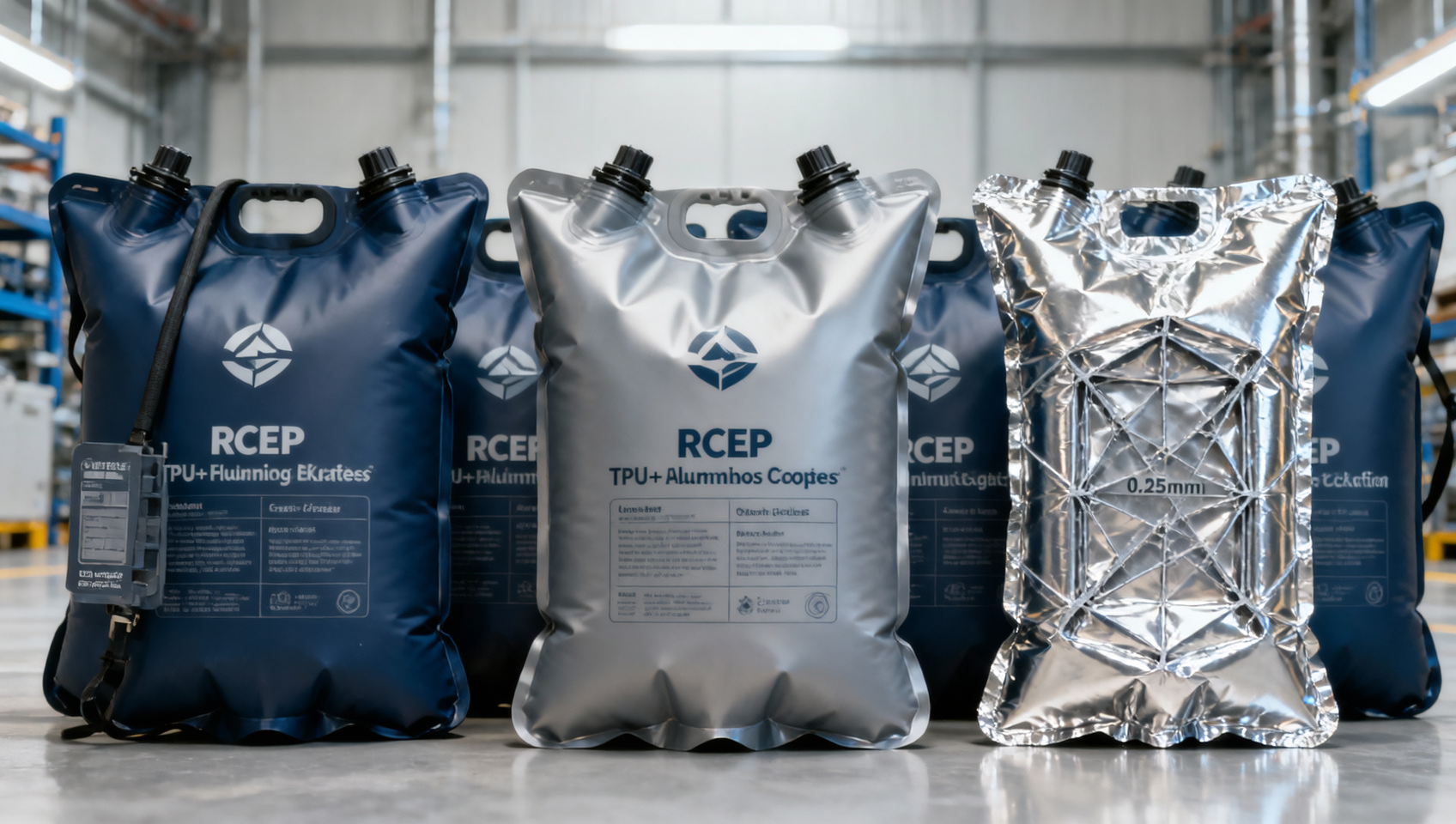
On April 22, 2026, Indonesia reduced import tariffs on Chinese-made camping water bags by 0.8% under the RCEP framework and simultaneously revised its government procurement technical specifications—mandating TPU + aluminum foil composite material to meet pressure resistance, lightweight, and food-grade migration testing (ISO 21737) requirements. This development directly affects Chinese OEM exporters in the camping and portable water storage sector, particularly those engaged in material selection, process certification, and BOM cost structuring.
Event Overview
On April 22, 2026, Indonesia implemented a 0.8% tariff reduction on imported camping water bags from China under the Regional Comprehensive Economic Partnership (RCEP). Concurrently, Indonesia’s public procurement authority updated its technical tender specifications for such products, explicitly requiring the use of TPU + aluminum foil composite material to satisfy mechanical durability, weight efficiency, and compliance with ISO 21737 (food contact migration testing).
Industries Affected
Direct Exporters (Camping & Water OEMs)
These enterprises face immediate implications for product compliance and quotation competitiveness. The specification change necessitates revalidation of material certifications, potential redesign of seam sealing or inflation systems, and recalibration of landed-cost models due to higher raw material costs associated with TPU+aluminum composites.
Raw Material Suppliers (TPU Film & Metallized Foil Producers)
Suppliers of high-performance TPU films and vacuum-metallized aluminum laminates may see increased demand—but only if their grades are pre-qualified against ISO 21737 and validated for cyclic pressure testing. Unqualified suppliers risk exclusion from bid-ready supply chains.
Contract Manufacturers & Laminators
Firms specializing in multi-layer lamination or heat-sealing of flexible packaging must verify whether existing equipment and process parameters support consistent bonding integrity between TPU and aluminum layers under sterilization or low-temperature flex conditions—key performance criteria implied by the new spec.
Logistics & Certification Service Providers
Third-party testing labs and customs advisory firms handling RCEP origin certification now need to track both tariff schedule updates and procurement-specific conformity documentation—especially ISO 21737 test reports issued by accredited bodies recognized by Indonesian authorities.
What Enterprises Should Monitor and Do Now
Track official tender documents and subsequent amendments
Indonesia’s Ministry of Finance and National Procurement Agency (LKPP) have not yet published full tender templates referencing the updated spec. Exporters should monitor LKPP’s e-procurement portal and cross-check any newly issued RFQs for exact clause wording around material composition, test protocols, and certificate validity periods.
Distinguish between policy signal and operational requirement
This update applies specifically to government tenders, not general commercial imports. While the tariff cut is broadly applicable, the TPU+aluminum mandate is currently limited to procurement contracts. Companies should avoid prematurely overhauling entire production lines without confirming scope applicability.
Review and prioritize BOM components for requalification
Focus validation efforts first on adhesive systems, edge seal integrity, and burst pressure thresholds—areas most likely impacted by switching from standard PE/PA laminates to TPU+aluminum. Prioritize samples for ISO 21737 migration testing using simulants appropriate for ambient and chilled water storage conditions.
Engage early with Indonesian procurement agents or local partners
Local representation remains critical for interpreting tender language nuances and submitting compliant documentation. Firms without in-country support should assess whether current partners hold up-to-date LKPP registration and experience with technical compliance packages for flexible food-contact goods.
Editorial Observation / Industry Perspective
From an industry perspective, this development is better understood as a dual-signal event: the tariff reduction reflects ongoing RCEP implementation momentum, while the materials mandate signals Indonesia’s tightening of technical entry barriers for sensitive consumer-facing categories. Analysis来看, it does not yet indicate a broad regulatory shift across ASEAN—but rather a targeted procurement-level calibration aligned with national food safety and sustainability goals. Observation来看, the timing suggests coordination with Indonesia’s broader push toward domestic circular economy standards for single-use alternatives, though no formal linkage has been confirmed. Current more appropriate interpretation is that this represents a localized procurement threshold—not a de facto regional standard—yet one worth monitoring closely given Indonesia’s role as RCEP’s largest archipelagic market.

In summary, the April 22, 2026 update marks a procedural tightening within a specific trade corridor—not a systemic disruption. Its significance lies less in immediate volume impact and more in its indication of how RCEP’s tariff benefits may increasingly coexist with granular, performance-based non-tariff requirements. For stakeholders, it underscores the growing need to treat procurement specifications as binding technical roadmaps—not optional guidelines—when planning export readiness.
Source: Official tariff schedule revision published by the Indonesian Directorate General of Customs and Excise (DGCE), dated April 22, 2026; Technical Annex No. 2026-T04 to LKPP Regulation No. 12/2022 on Procurement of Outdoor Utility Goods, issued same date. Note: Full tender implementation timeline and supplier qualification procedures remain pending official publication and are subject to further notice.
Related Intelligence
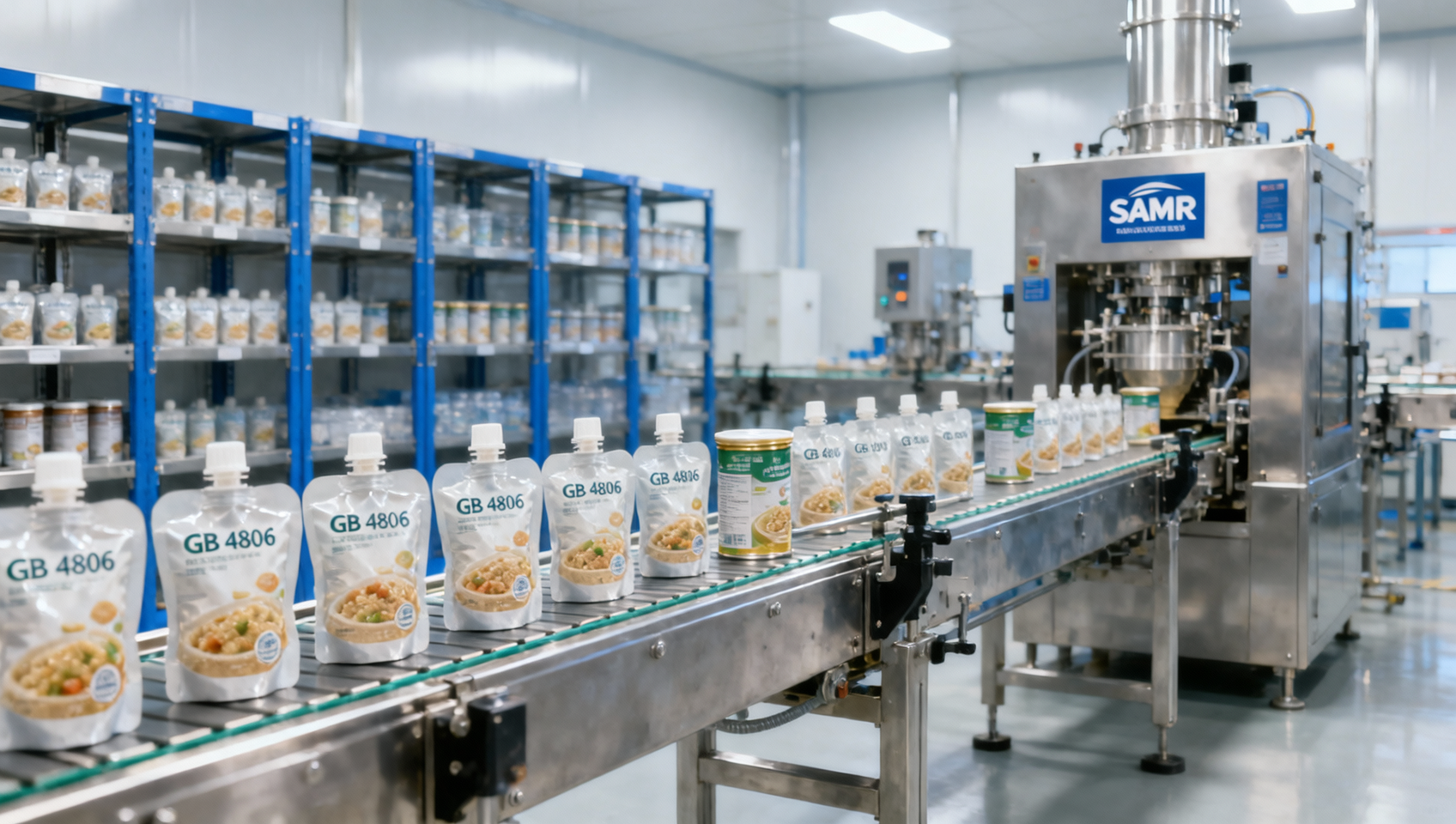
 Cosmetics & PkgApr 23, 2026SAMR Penalizes 7 Platforms for 'Ghost Food Delivery' PackagingSAMR penalizes 7 platforms for 'ghost food delivery' packaging—critical for infant pouch & supplement container suppliers. Verify your Food-Related Product Production License now to secure global orders.
 Cosmetics & PkgApr 23, 2026EU EPR Dual-Country Registration Effective for Cosmetics PackagingEU EPR Dual-Country Registration is now mandatory for cosmetics packaging in France & Germany—register with ADEME and EAR by April 2026 to avoid delisting.
 Cosmetics & PkgApr 23, 2026US FDA Enforces VCRP Registration for Cosmetic Packaging as of Apr 22, 2026US FDA mandates VCRP registration for cosmetic packaging as of Apr 22, 2026 — learn how bottles, tubes & aerosol cans must comply to clear U.S. customs.
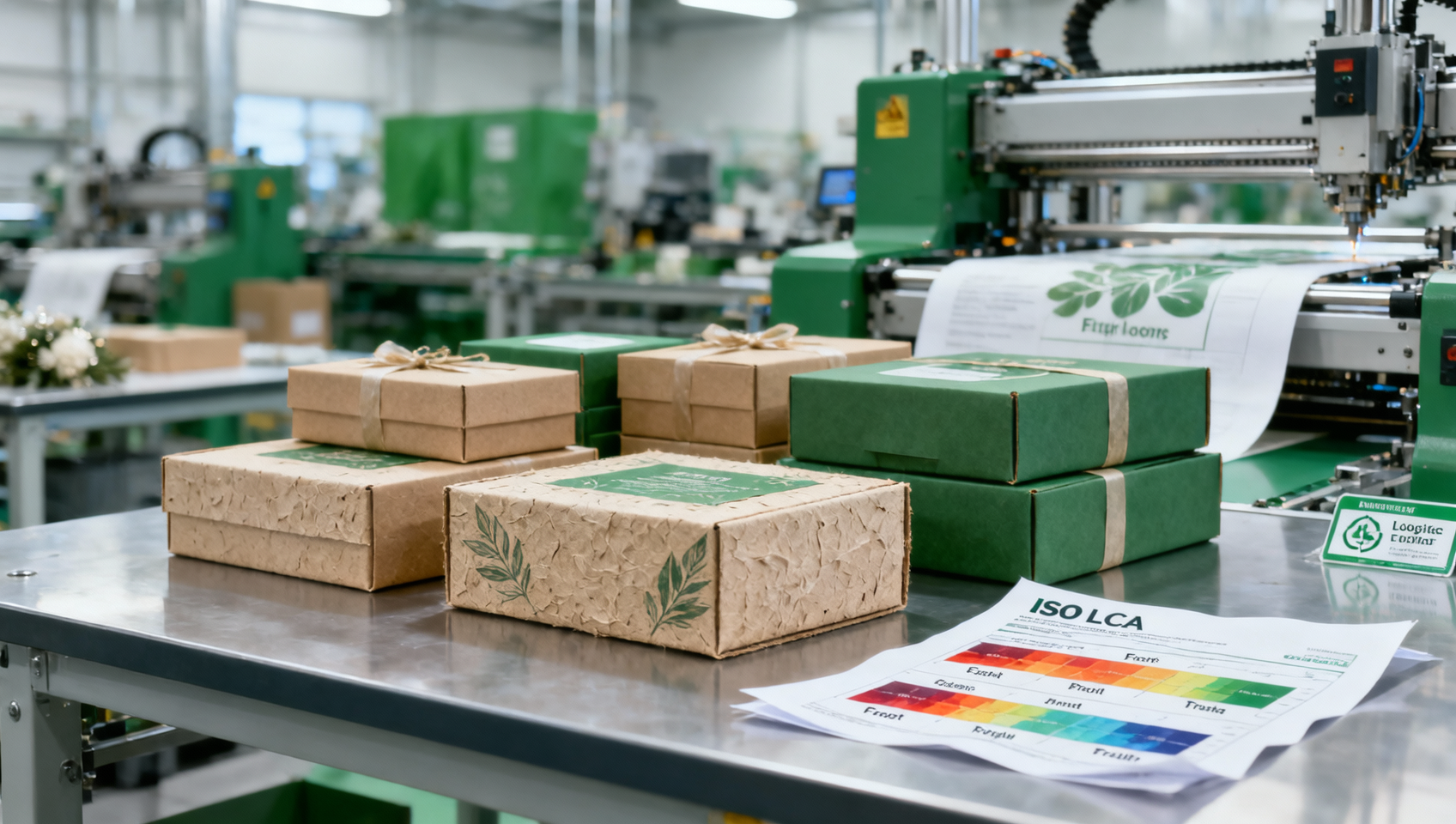
 Corporate & Seasonal GiftsApr 23, 2026TÜV Rheinland LCA Rule for Green Gift Packaging Takes Effect in EUTÜV Rheinland LCA Rule for Green Gift Packaging is now live in EU—mandatory carbon heat maps & certified LCAs required for DE/AT/NL market access. Act now!
 Beauty DevicesApr 23, 2026Global Li-ion Recycling Rate Hits 62%: Beauty Device Battery BOM Cost Down 9%Li-ion recycling rate hits 62% — beauty device battery BOM costs drop 9%. Discover how this boosts margins, cuts lead times, and strengthens global supply agility.
 Nursery Furniture & MonitorsApr 23, 2026Canton Fair Phase III: Baby Monitors Surge, EN60601-1-12 Focus in Middle EastCanton Fair Phase III: Baby monitors surge 142%—Middle East buyers prioritize EN60601-1-12:2023 compliance. Discover key implications for exporters & certifiers.
 Infant Feeding & CareApr 23, 2026JETRO Mandates Blockchain Batch Codes for Infant Silicone Feeding ProductsJETRO mandates blockchain batch codes for infant silicone feeding products—pacifiers, teething rings & spoons—to ensure traceability and market access in Japan. Act now!
 STEM & Educational ToysApr 23, 2026SASO Cuts AI Module Certification for STEM Toys to 24 HoursSASO Cuts AI Module Certification for STEM Toys to 24 Hours — Fast-track CoC for voice/image AI toys entering Saudi Arabia. Act now before summer procurement!
 Smart Pet DevicesApr 23, 2026Vietnam Enforces ISO 13485 + Vietnamese Manual for Smart Pet CollarsVietnam enforces ISO 13485 + Vietnamese manual for smart pet collars—key compliance update impacting exporters, OEMs & importers. Act now!
 Camping & WaterApr 23, 2026RCEP Camping Water Bag Tariff Cut: Indonesia Updates TPU+Aluminum SpecRCEP Camping Water Bag tariff cut + TPU+aluminum spec update in Indonesia—key implications for OEMs, material suppliers & exporters. Act now!
 Cosmetics & PkgApr 22, 2026SAMR Penalizes 7 Platforms for 'Ghost Kitchen' Packaging ViolationsSAMR penalizes 7 platforms for 'ghost kitchen' packaging violations—critical for food-grade packaging OEMs, suppliers & procurement teams. Act now.
 Camping & WaterApr 22, 2026RCEP Camping Water Bags: Indonesia Cuts Tariff, Sets TPU+Aluminum SpecRCEP Camping Water Bags: Indonesia cuts tariff to 3.4% & mandates TPU+aluminum spec—key opportunity for exporters, TPU suppliers & converters in ASEAN-China supply chains.
 Corporate & Seasonal GiftsApr 22, 2026TÜV Green Packaging LCA Threshold Effective Apr 2026TÜV Green Packaging LCA Threshold takes effect Apr 2026 — mandatory carbon heatmaps & ISO-compliant LCAs for holiday, wedding &文创 packaging. Act now to meet EU tender requirements.