Global Lithium Battery Recycling Rate Hits 62%: Impact on Beauty Device Supply Chain

According to the International Battery Association (IBA)’s Global Lithium Battery Recycling Report Q1, released on April 23, 2026, the global lithium battery recycling rate has reached 62%. This development is driving down prices for cobalt, nickel, and lithium raw materials — directly affecting cost structures and lead times for high-rate pouch lithium batteries used in Chinese-made beauty devices. Stakeholders across beauty tech manufacturing, component sourcing, and international distribution should monitor implications for procurement planning, compliance readiness, and seasonal inventory strategy.
Event Overview
The International Battery Association (IBA) published its Global Lithium Battery Recycling Report Q1 on April 23, 2026. The report states that the global lithium battery recycling rate stood at 62%. As a result, prices for cobalt, nickel, and lithium raw materials have declined. Consequently, the bill-of-materials (BOM) cost for high-rate pouch lithium batteries used in Chinese beauty devices decreased by 9% year-on-year. Meanwhile, the average delivery cycle from leading ODM manufacturers shortened from 9 weeks to 6 weeks.
Industries Affected
Beauty Device OEM/ODM Manufacturers
These manufacturers rely heavily on high-rate pouch lithium batteries for compact, high-power devices such as RF microneedling units and LED light therapy wands. The 9% BOM cost reduction improves gross margin flexibility, while the compressed 6-week lead time supports faster response to overseas customer orders — particularly ahead of key retail seasons (e.g., Q4 holiday campaigns).
Raw Material Procurement Teams (Battery Component Suppliers)
Procurement functions sourcing cathode active materials, electrolytes, or foil substrates face downward pricing pressure due to increased secondary material availability. Lower input costs may improve supplier negotiation leverage — but also compress margins if downstream price adjustments outpace upstream cost reductions.
International Distributors & Brand Importers (Especially EU/US Markets)
Shorter battery delivery cycles enable more agile replenishment planning and reduce safety stock requirements. However, tighter delivery windows increase dependency on consistent quality handover and documentation — especially with new regulatory testing demands emerging under GB 4343.1-2025.
EMC Testing & Compliance Service Providers
The tightening of electromagnetic compatibility (EMC) requirements under China’s updated national standard GB 4343.1-2025 — specifically for battery-integrated consumer electronics — raises demand for pre-certification validation services. Battery-level EMC performance is now a critical gate for market access, not just final device-level testing.
Key Considerations and Recommended Actions
Monitor official implementation timelines for GB 4343.1-2025
The standard takes effect in 2025, but enforcement phases and test protocol details remain subject to technical guidance from CNCA or CQC. Companies should track announcements from accredited labs and standardization bodies — rather than assuming full compliance is achievable using legacy test setups.
Prioritize battery-level EMC validation in early-stage design reviews
Since battery modules contribute significantly to conducted and radiated emissions in portable beauty devices, integrating EMC simulation and pre-scan testing at the cell/module level — not just at final assembly — helps avoid late-stage redesign delays.
Reassess safety stock and dual-sourcing strategies in light of shortened lead times
A shift from 9- to 6-week delivery cycles reduces buffer needs, but also narrows the window for corrective action if quality issues arise mid-batch. Firms should evaluate whether to retain limited dual-source capacity for critical battery SKUs — especially where single-supplier qualification cycles exceed 8 weeks.
Align procurement contracts with recyclate-driven price volatility clauses
As recycled content increases in cathode precursors, raw material pricing may become more sensitive to regional recycling throughput and logistics bottlenecks. Contracts with battery suppliers should include mechanisms to adjust BOM-based pricing quarterly — referencing IBA or CRU index data — rather than relying solely on annual renegotiation.
Editorial Observation / Industry Perspective
This data point — a 62% global lithium battery recycling rate — is best understood not as an isolated milestone, but as an inflection in supply chain maturity. Analysis来看, it signals growing industrial capability to recover and reprocess battery-grade materials at scale, shifting procurement dynamics from purely primary-mineral dependence toward hybrid feedstock models. From industry角度看, the resulting 9% BOM reduction and 3-week lead time compression are tangible outcomes — but they remain contingent on stable collection infrastructure and consistent quality control in recycled black mass processing. Current更值得关注的是 how quickly these benefits propagate beyond battery cells into full-device certification workflows, especially under evolving EMC and safety standards like GB 4343.1-2025.

In summary, the rise in lithium battery recycling is reshaping cost and timing parameters for beauty device hardware — yet its operational impact is asymmetric across the value chain. It delivers measurable efficiency gains for manufacturers and buyers, but simultaneously raises the bar for compliance execution. This development is neither a short-term price blip nor a fully matured system; it is a transitional signal requiring calibrated, function-specific responses — not broad strategic overhauls.
Source: International Battery Association (IBA), Global Lithium Battery Recycling Report Q1, April 23, 2026.
Note: Implementation guidance for GB 4343.1-2025 remains under review by Chinese accreditation authorities; firms should verify test scope and lab authorization status before initiating formal certification.
Related Intelligence
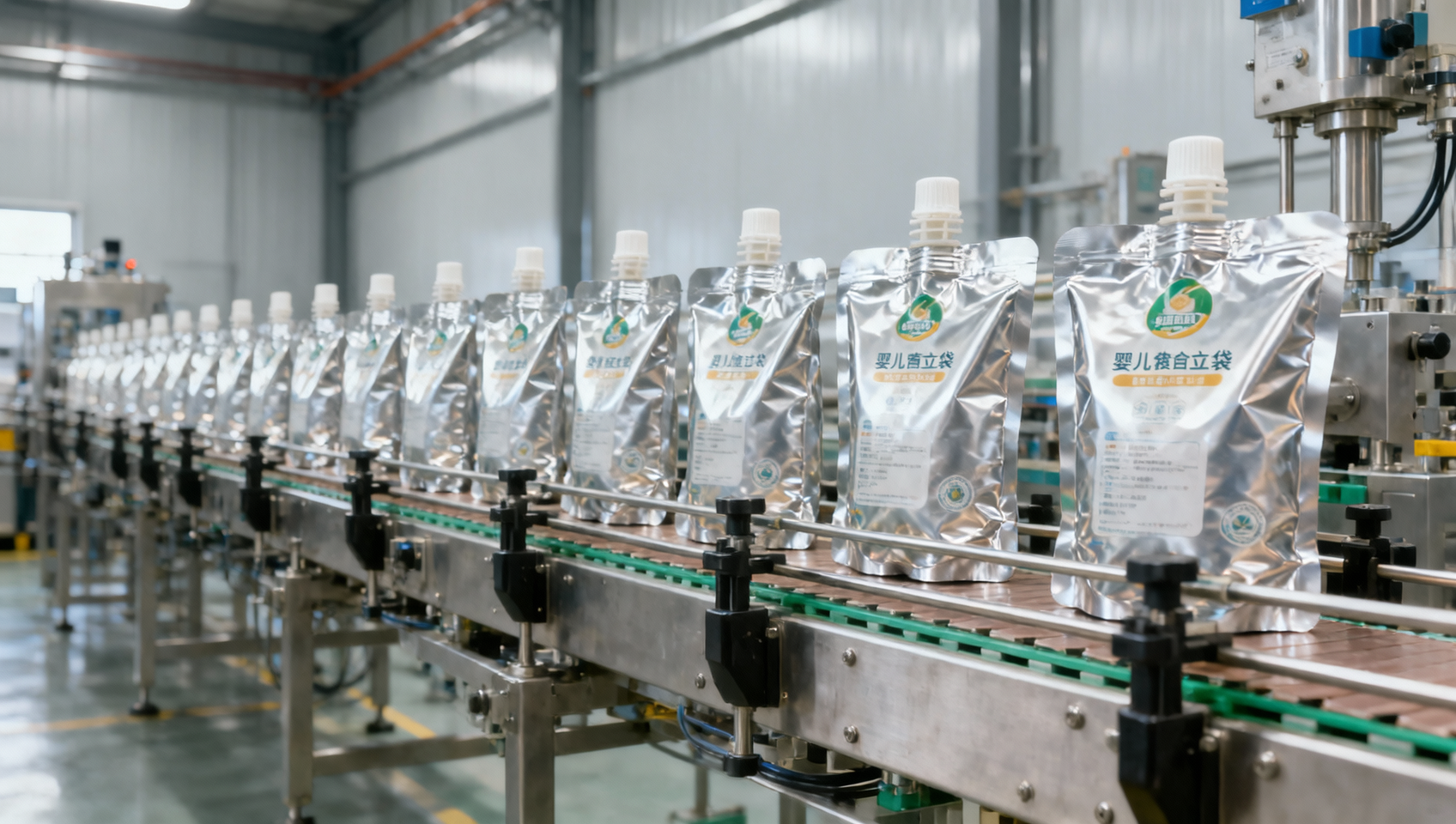
 Cosmetics & PkgApr 24, 2026SAMR Fines 7 Platforms $230M for 'Ghost Kitchen' Packaging ViolationsSAMR fines 7 platforms $230M for ghost kitchen packaging violations—critical alert for infant feeding, supplement, and export packaging manufacturers.
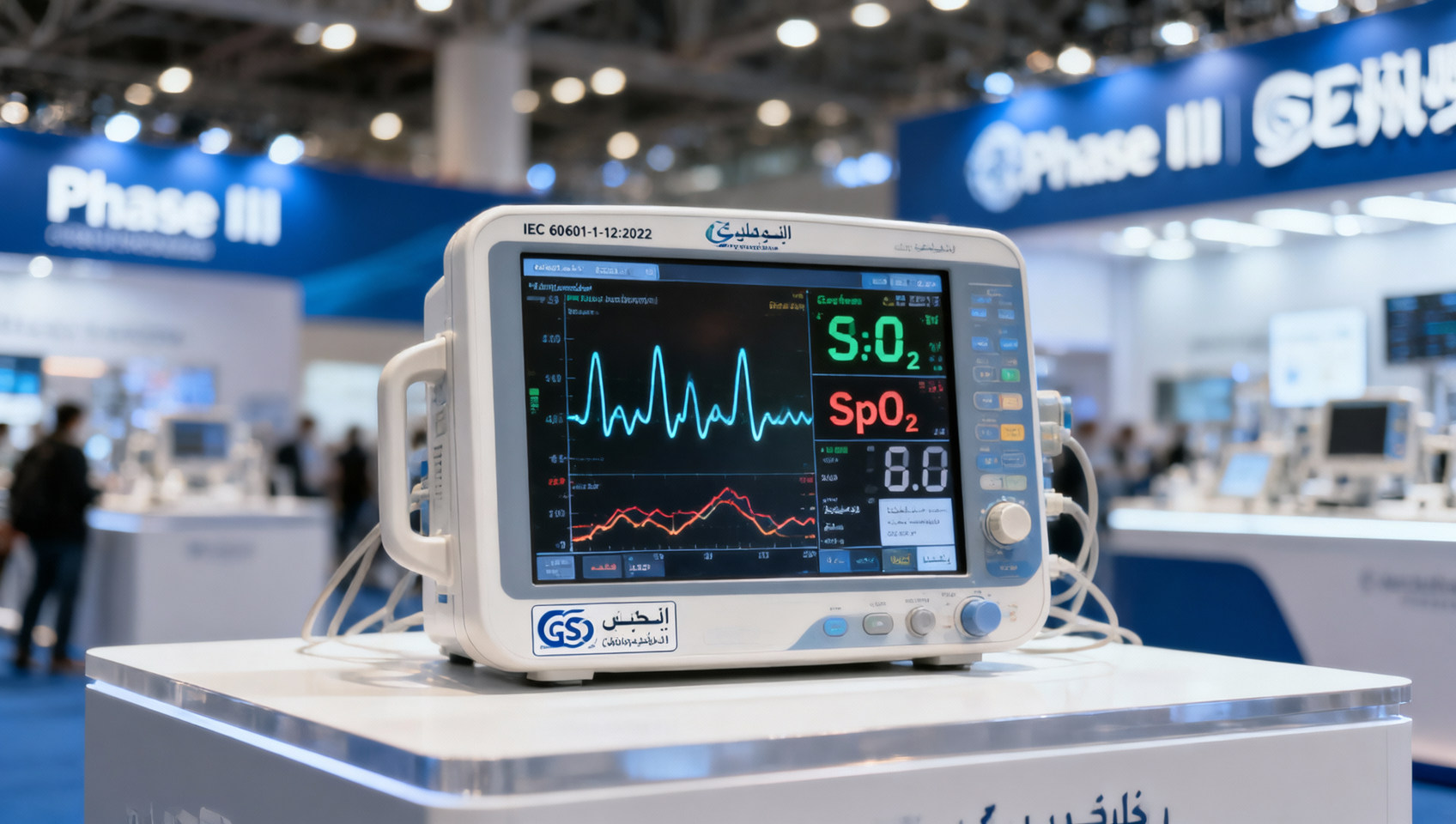
 Nursery Furniture & MonitorsApr 24, 2026Canton Fair Phase III: Infant Monitors Draw Middle East Demand Amid EN60601-1-12 FocusInfant monitors at Canton Fair Phase III spark Middle East demand — IEC 60601-1-12:2022 compliance is now critical for GCC hospital tenders.
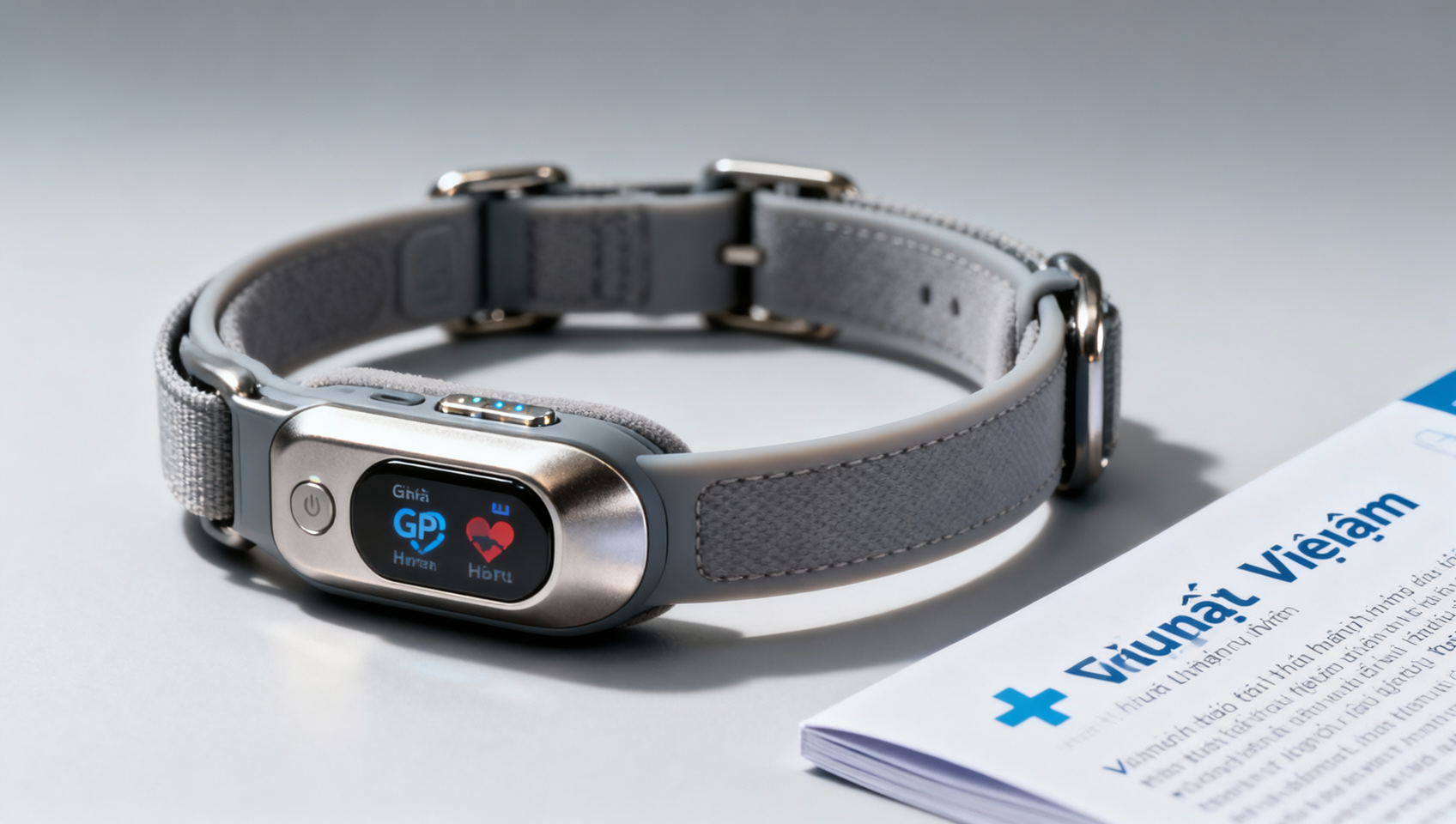
 Smart Pet DevicesApr 24, 2026Vietnam Enforces ISO 13485 + Vietnamese Manual for Smart Pet CollarsISO 13485 + Vietnamese manual now mandatory for smart pet collars entering Vietnam — avoid customs rejection. Act now to comply with MOH/MOIT’s April 2026 regulation.
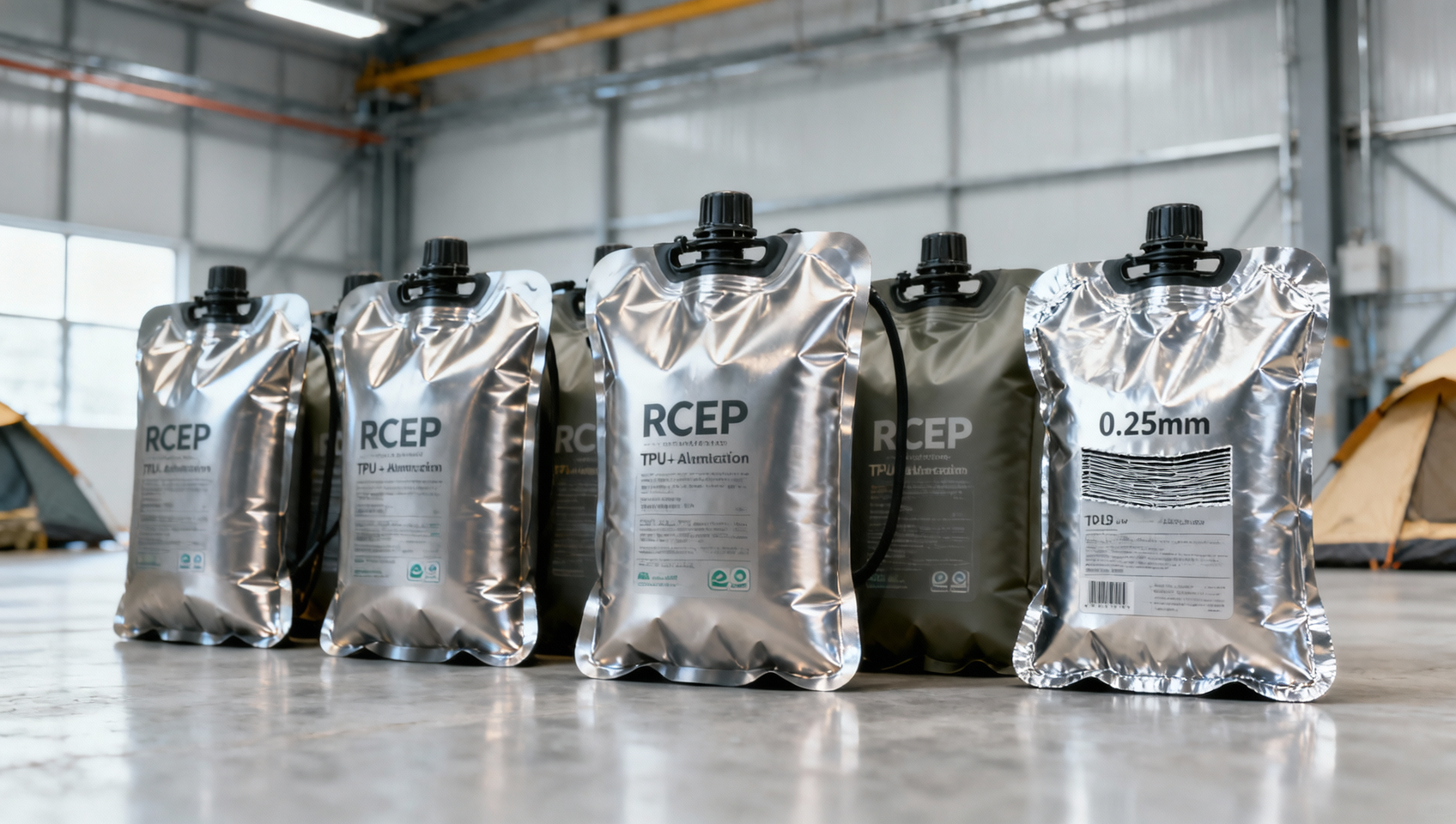
 Camping & WaterApr 24, 2026RCEP Camping Water Bags: Indonesia Cuts Tariff, Sets New TPU+Alu SpecRCEP Camping Water Bags: Indonesia cuts tariffs to 5.7% — but only for TPU+Alu spec (0.25mm, 120kPa) with SNI & MUI compliance. Act now!
 Cosmetics & PkgApr 24, 2026EU EPR Dual Registration Effective for Cosmetics Packaging ExportersEU EPR dual registration is now mandatory for cosmetics packaging exporters—register with Eco-Emballages & Dual System Germany by deadline to avoid fines and delisting.
 Beauty DevicesApr 24, 2026Global Lithium Battery Recycling Rate Hits 62%: Impact on Beauty Device Supply ChainLithium battery recycling rate hits 62% — cutting beauty device BOM costs by 9% and lead times to 6 weeks. Discover supply chain impacts & compliance actions.
 Infant Feeding & CareApr 24, 2026JETRO Spring 2026 Sourcing Alert: Blockchain Batch Codes for Infant Silicone Feeding ProductsBlockchain batch codes now mandatory for infant silicone feeding products entering Japan—learn how JETRO’s Spring 2026 Sourcing Alert impacts your compliance, labeling, and market access.
 STEM & Educational ToysApr 24, 2026SASO Launches 24-Hour AI-STEM Toy Certification in Saudi ArabiaSASO's new 24-hour AI-STEM toy certification accelerates Saudi market access for Chinese exporters—fast, standards-aligned, and Q3 2026 ready.
![]() Corporate & Seasonal GiftsApr 24, 2026TÜV Rheinland Enforces LCA Heatmaps for Green Gift Packaging in German MarketLCA heatmaps now mandatory for green gift packaging in Germany—TÜV Rheinland enforces Protocol v2.0 from July 2026. Act now to secure market access.
Corporate & Seasonal GiftsApr 24, 2026TÜV Rheinland Enforces LCA Heatmaps for Green Gift Packaging in German MarketLCA heatmaps now mandatory for green gift packaging in Germany—TÜV Rheinland enforces Protocol v2.0 from July 2026. Act now to secure market access. Cosmetics & PkgApr 24, 2026FDA New Rule: Cosmetic Packaging Must Have Independent VCRP RegistrationFDA's new VCRP registration rule for cosmetic packaging takes effect April 2026—tubes, pumps, laminates & more must be independently registered. Act now to avoid CBP delays, rejections, or penalties.
 Cosmetics & PkgApr 23, 2026SAMR Penalizes 7 Platforms for 'Ghost Food Delivery' PackagingSAMR penalizes 7 platforms for 'ghost food delivery' packaging—critical for infant pouch & supplement container suppliers. Verify your Food-Related Product Production License now to secure global orders.
 Cosmetics & PkgApr 23, 2026EU EPR Dual-Country Registration Effective for Cosmetics PackagingEU EPR Dual-Country Registration is now mandatory for cosmetics packaging in France & Germany—register with ADEME and EAR by April 2026 to avoid delisting.
 Cosmetics & PkgApr 23, 2026US FDA Enforces VCRP Registration for Cosmetic Packaging as of Apr 22, 2026US FDA mandates VCRP registration for cosmetic packaging as of Apr 22, 2026 — learn how bottles, tubes & aerosol cans must comply to clear U.S. customs.