RCEP Camping Water Bags: Indonesia Cuts Tariff, Sets New TPU+Alu Spec
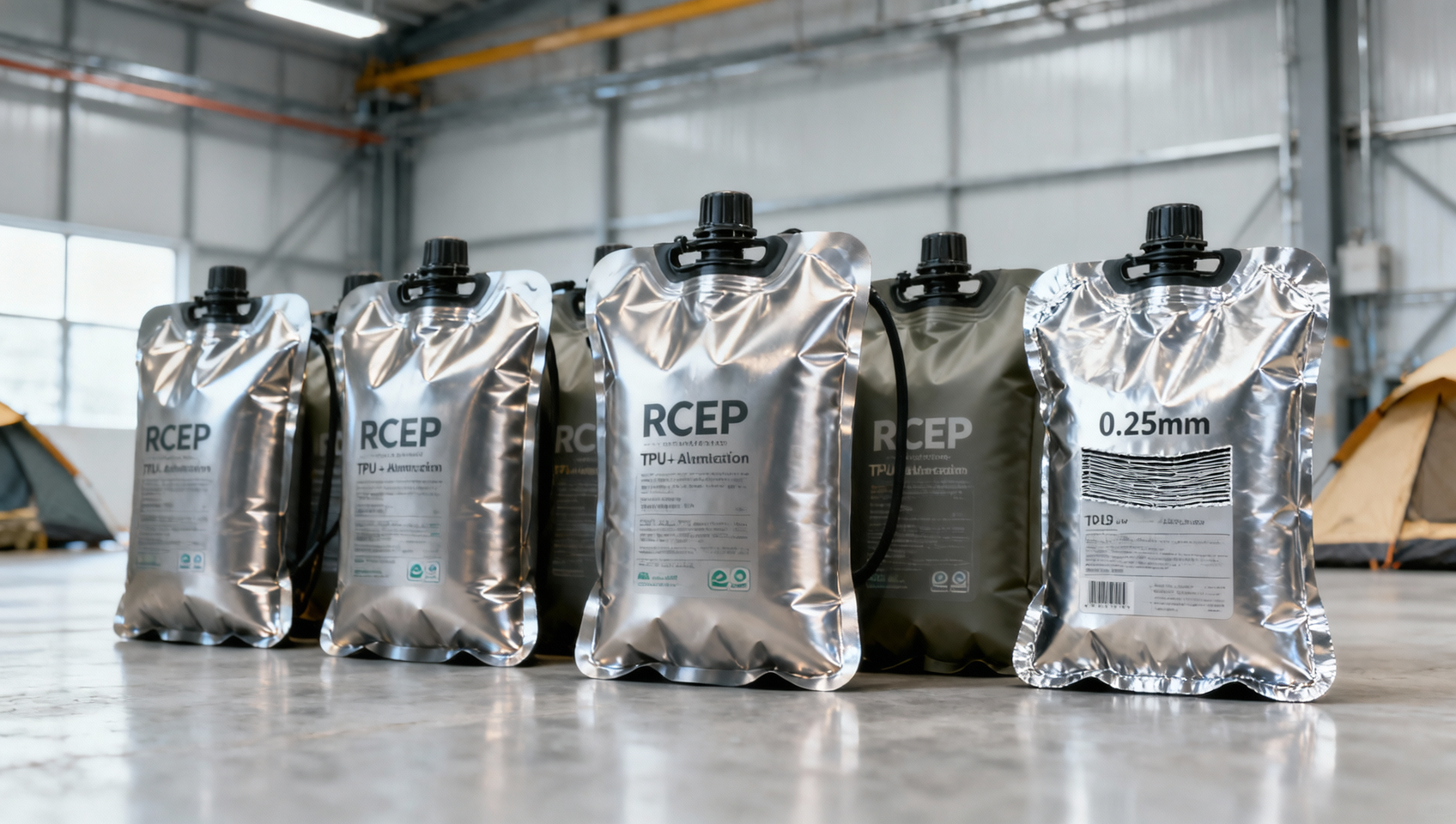
On April 23, 2026, Indonesia’s National Procurement Agency (LKPP) issued Tender No. 17/2026, initiating a targeted RCEP-sourced procurement of outdoor camping water bags — triggering attention from exporters, material suppliers, and certification service providers in the outdoor gear and flexible packaging supply chain.
Event Overview
On April 23, 2026, Indonesia’s National Procurement Agency (LKPP) published Tender No. 17/2026 for outdoor camping water bags. The tender is explicitly open to RCEP member countries. It mandates a TPU + aluminum foil composite structure (minimum thickness: 0.25 mm), pressure resistance ≥120 kPa, and eligibility for RCEP preferential tariff treatment — with the Most-Favoured-Nation (MFN) rate at 6.5% and the RCEP rate reduced to 5.7%. Compliance requires concurrent Indonesian SNI certification and MUI halal registration.
Which Subsectors Are Affected
Direct Exporters (Camping & Water Gear Manufacturers)
Exporters supplying camping water bags to Indonesia must now meet both structural and regulatory thresholds. The TPU+aluminum foil specification diverges from common PVC or single-layer TPU designs, requiring product redesign and revalidation. The 0.8 percentage point tariff reduction is conditional on full compliance — meaning non-conforming shipments will default to the higher MFN rate.
Raw Material Suppliers (TPU Film, Metallized Foil Producers)
Suppliers of high-thickness TPU films (≥0.25 mm) and aluminum-laminated barrier films face increased demand visibility — but only for grades certified for food-contact and outdoor durability. The tender does not specify sourcing origin for raw materials, yet final product traceability may prompt downstream buyers to request upstream material certifications.
Contract Manufacturers & Converters
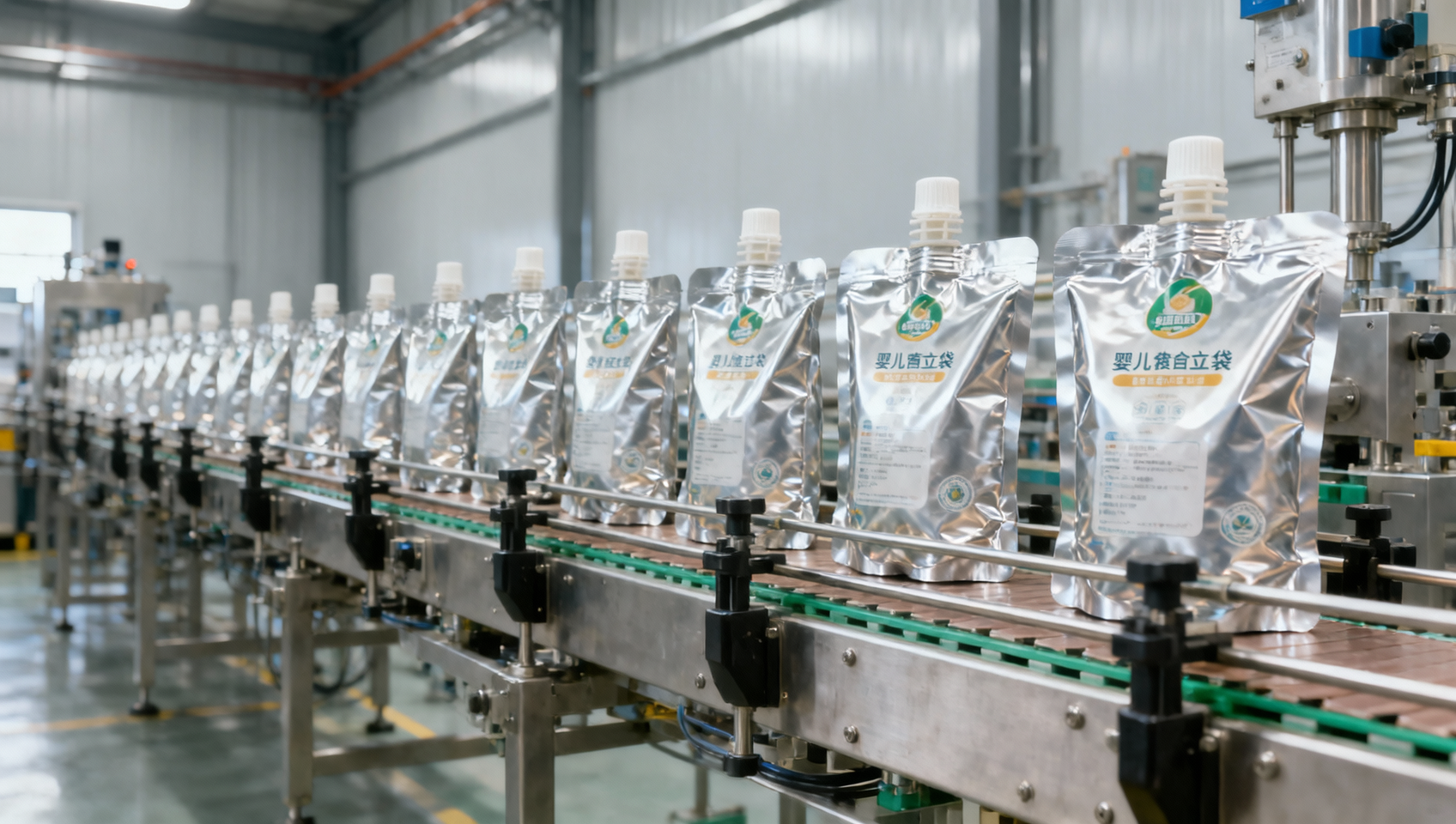
Firms performing lamination, heat-sealing, or bag assembly must verify equipment capability for consistent 0.25 mm composite handling and 120 kPa burst testing. Existing production lines calibrated for thinner or non-metallized structures may require recalibration or validation reports acceptable to Indonesian authorities.
Certification & Compliance Service Providers
Entities offering SNI certification support or MUI halal registration services are directly engaged: the tender links market access to dual certification. Neither SNI nor MUI processes are covered under RCEP mutual recognition — meaning each application remains jurisdiction-specific, time-bound, and subject to local audit.
What Relevant Businesses Should Focus On — And How to Respond
Monitor LKPP’s follow-up technical clarifications
LKPP tenders often issue addenda within 7–14 days post-publication. Exporters should track whether the agency releases specifications for test methodology (e.g., ISO 27893 for pressure resistance), sample submission deadlines, or documentation templates for SNI/MUI linkage.
Validate TPU+aluminum laminate performance against stated thresholds — not just nominal specs
Thickness ≥0.25 mm and pressure resistance ≥120 kPa are minimum functional requirements. Analysis来看, real-world durability under UV exposure, repeated folding, and temperature cycling (common in tropical storage conditions) is not stipulated — yet failure during end-use could trigger post-import rejection. Pre-shipment third-party testing aligned with Indonesian environmental standards is advisable.
Distinguish between RCEP tariff eligibility and actual import clearance readiness
The 5.7% RCEP rate applies only upon verified origin documentation (e.g., Form RCEP) and compliant product classification. From industry角度看, customs brokers report that misclassification — especially around HS code 3926.90 (other plastic articles) versus 3923.30 (containers for liquids) — remains a frequent cause of duty reassessment. Confirming correct tariff heading prior to shipment is operationally critical.
Initiate SNI and MUI engagement early — they operate independently and sequentially
SNI certification typically requires factory audit, product testing, and label review; MUI halal registration involves ingredient disclosure, process flow verification, and facility inspection. Neither authority accepts parallel submissions. Current more practical approach is to begin SNI application first, as its technical dossier forms part of MUI’s input — reducing redundant documentation effort.
Editor Perspective / Industry Observation
This tender is better understood as a policy signal than an immediate volume driver. Observation来看, it reflects Indonesia’s broader strategy to localize high-specification outdoor gear procurement while leveraging RCEP’s tariff framework — not merely expanding import volume. The explicit TPU+aluminum requirement suggests growing emphasis on puncture resistance and shelf-life extension, likely tied to domestic disaster-response logistics planning. From industry角度, the co-requirement of SNI and MUI signals tightening convergence between safety regulation and cultural compliance in public-sector tenders — a trend likely to extend beyond camping gear into other consumer-facing government procurements.
It is not yet a de facto standard, but rather a pilot specification with demonstrable policy intent. Its impact will depend less on this single tender’s award size and more on whether similar technical thresholds appear in subsequent LKPP calls — making sustained monitoring essential.
Concluding, this development marks a calibrated shift toward performance-based, regulation-integrated procurement in Indonesia’s outdoor and emergency supplies segment. It does not indicate broad market liberalization, nor does it guarantee tariff benefits without rigorous conformity. Rather, it underscores that RCEP’s value for exporters increasingly hinges on technical alignment — not just tariff paperwork.
Information Source: Indonesia National Procurement Agency (LKPP), Tender Announcement No. 17/2026, published April 23, 2026. Note: SNI implementation timelines, MUI processing durations, and potential tender addenda remain subject to official updates and require ongoing tracking.
Related Intelligence
 Cosmetics & PkgApr 24, 2026SAMR Fines 7 Platforms $230M for 'Ghost Kitchen' Packaging ViolationsSAMR fines 7 platforms $230M for ghost kitchen packaging violations—critical alert for infant feeding, supplement, and export packaging manufacturers.
 Nursery Furniture & MonitorsApr 24, 2026Canton Fair Phase III: Infant Monitors Draw Middle East Demand Amid EN60601-1-12 FocusInfant monitors at Canton Fair Phase III spark Middle East demand — IEC 60601-1-12:2022 compliance is now critical for GCC hospital tenders.
 Smart Pet DevicesApr 24, 2026Vietnam Enforces ISO 13485 + Vietnamese Manual for Smart Pet CollarsISO 13485 + Vietnamese manual now mandatory for smart pet collars entering Vietnam — avoid customs rejection. Act now to comply with MOH/MOIT’s April 2026 regulation.
 Camping & WaterApr 24, 2026RCEP Camping Water Bags: Indonesia Cuts Tariff, Sets New TPU+Alu SpecRCEP Camping Water Bags: Indonesia cuts tariffs to 5.7% — but only for TPU+Alu spec (0.25mm, 120kPa) with SNI & MUI compliance. Act now!
 Cosmetics & PkgApr 24, 2026EU EPR Dual Registration Effective for Cosmetics Packaging ExportersEU EPR dual registration is now mandatory for cosmetics packaging exporters—register with Eco-Emballages & Dual System Germany by deadline to avoid fines and delisting.
 Beauty DevicesApr 24, 2026Global Lithium Battery Recycling Rate Hits 62%: Impact on Beauty Device Supply ChainLithium battery recycling rate hits 62% — cutting beauty device BOM costs by 9% and lead times to 6 weeks. Discover supply chain impacts & compliance actions.
 Infant Feeding & CareApr 24, 2026JETRO Spring 2026 Sourcing Alert: Blockchain Batch Codes for Infant Silicone Feeding ProductsBlockchain batch codes now mandatory for infant silicone feeding products entering Japan—learn how JETRO’s Spring 2026 Sourcing Alert impacts your compliance, labeling, and market access.
 STEM & Educational ToysApr 24, 2026SASO Launches 24-Hour AI-STEM Toy Certification in Saudi ArabiaSASO's new 24-hour AI-STEM toy certification accelerates Saudi market access for Chinese exporters—fast, standards-aligned, and Q3 2026 ready.
![]() Corporate & Seasonal GiftsApr 24, 2026TÜV Rheinland Enforces LCA Heatmaps for Green Gift Packaging in German MarketLCA heatmaps now mandatory for green gift packaging in Germany—TÜV Rheinland enforces Protocol v2.0 from July 2026. Act now to secure market access.
Corporate & Seasonal GiftsApr 24, 2026TÜV Rheinland Enforces LCA Heatmaps for Green Gift Packaging in German MarketLCA heatmaps now mandatory for green gift packaging in Germany—TÜV Rheinland enforces Protocol v2.0 from July 2026. Act now to secure market access. Cosmetics & PkgApr 24, 2026FDA New Rule: Cosmetic Packaging Must Have Independent VCRP RegistrationFDA's new VCRP registration rule for cosmetic packaging takes effect April 2026—tubes, pumps, laminates & more must be independently registered. Act now to avoid CBP delays, rejections, or penalties.
 Cosmetics & PkgApr 23, 2026SAMR Penalizes 7 Platforms for 'Ghost Food Delivery' PackagingSAMR penalizes 7 platforms for 'ghost food delivery' packaging—critical for infant pouch & supplement container suppliers. Verify your Food-Related Product Production License now to secure global orders.
 Cosmetics & PkgApr 23, 2026EU EPR Dual-Country Registration Effective for Cosmetics PackagingEU EPR Dual-Country Registration is now mandatory for cosmetics packaging in France & Germany—register with ADEME and EAR by April 2026 to avoid delisting.
 Cosmetics & PkgApr 23, 2026US FDA Enforces VCRP Registration for Cosmetic Packaging as of Apr 22, 2026US FDA mandates VCRP registration for cosmetic packaging as of Apr 22, 2026 — learn how bottles, tubes & aerosol cans must comply to clear U.S. customs.