What Sets Carbon Fiber Fishing Rods Apart From Standard Rods
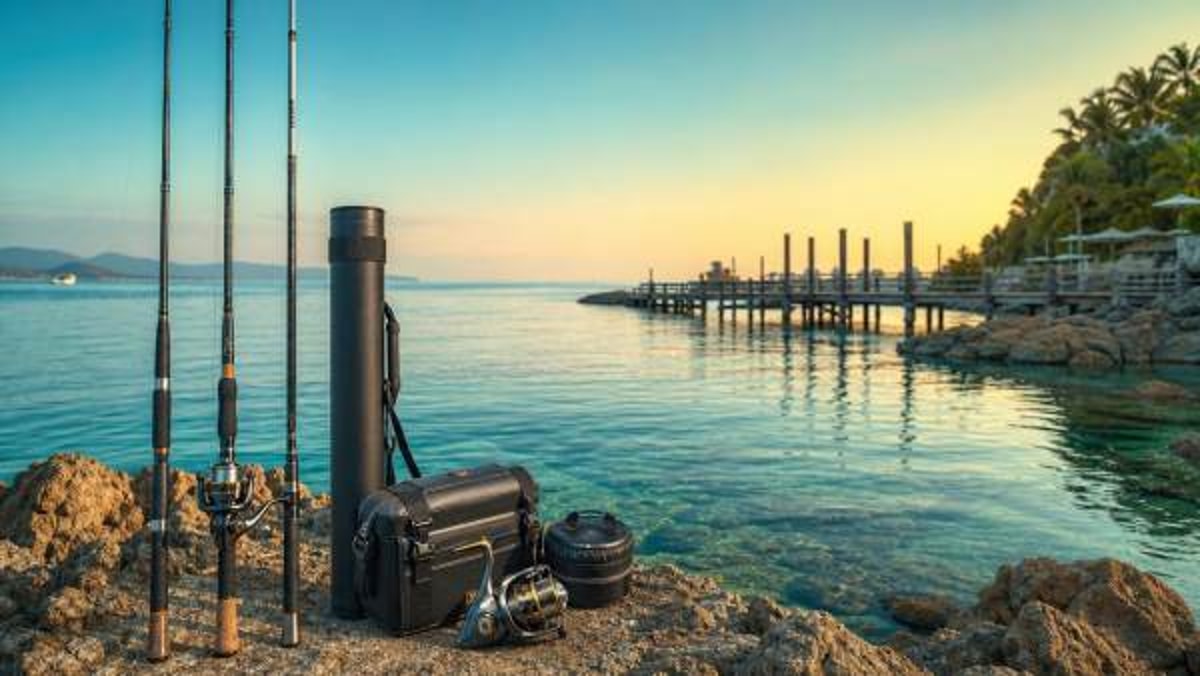
Choosing the right rod can shape everything from casting comfort to on-water results. Among modern tackle options, carbon fiber fishing rods stand out for their lightweight feel, sensitivity, and performance-focused design. But what exactly makes them different from standard rods, and how do those differences matter to anglers, buyers, and sourcing professionals? This article breaks down the key distinctions, benefits, and market considerations behind their growing appeal.
Why scenario-based comparison matters more than a simple material debate
When people compare carbon fiber fishing rods with standard rods, they often focus only on strength, weight, or price. That approach is too narrow. In real use, rod choice depends heavily on the fishing environment, the traveler’s packing needs, the skill level of the angler, and even the service model behind a fishing trip or outdoor retail offer. A rod that feels ideal for shore casting on a guided coastal holiday may not be the best fit for family lake travel, charter operations, or entry-level rental kits.
For information researchers in travel services and related sourcing channels, the more useful question is not simply “Are carbon rods better?” It is “In which scenarios do carbon fiber fishing rods create a better user outcome, and where do standard rods still make practical sense?” That distinction matters for travel package design, outdoor gear recommendations, tourism retail merchandising, and procurement decisions for fishing-focused experiences.
What fundamentally sets carbon fiber fishing rods apart from standard rods
Carbon fiber fishing rods are typically built to deliver lower weight, faster response, and stronger bite sensitivity than many standard rods made from fiberglass or mixed-composite constructions. In practical terms, that means the angler can detect subtle movement more easily, cast with less fatigue, and often gain better control over lure action. These qualities are especially noticeable during long sessions, mobile fishing trips, and precision-focused styles such as light tackle, lure fishing, and technical freshwater targeting.
Standard rods, however, are not automatically inferior. In many markets, “standard” refers to fiberglass rods or general-purpose composite rods that emphasize durability, lower cost, and a more forgiving bend. They can handle rough treatment well, which makes them relevant in rental fleets, beginner programs, and high-turnover travel activity settings where gear may be used by different customers with uneven skill levels.
The real difference, then, is not only material science. It is the combination of performance profile, maintenance expectations, handling experience, and total lifecycle value under a specific use case.
A quick scenario comparison for buyers, anglers, and travel-linked operators
The following table helps translate product differences into practical decision points.
This comparison shows why product selection should be linked to actual operating conditions rather than broad claims. Carbon fiber fishing rods tend to excel in performance-sensitive scenarios, while standard rods remain highly relevant in rugged, entry-level, or cost-controlled environments.
Scenario 1: Premium guided fishing experiences and sport travel packages
For premium fishing tours, destination lodges, and specialized travel services, gear quality directly affects perceived value. Guests paying for a curated angling experience often notice rod balance, casting ease, and responsiveness even if they are not advanced experts. In these settings, carbon fiber fishing rods support a more refined experience because they reduce arm fatigue during repeated casting and make fish strikes easier to feel.
This is especially relevant for half-day and full-day excursions in saltwater flats, river systems, or reservoir lure-fishing programs. A lighter rod can help guests remain engaged longer and feel more successful. For operators, that can translate into stronger reviews, more repeat bookings, and better alignment with premium pricing.
However, sourcing teams should still evaluate durability specifications, guide quality, reel seat performance, and corrosion resistance. Not every carbon rod is suitable for frequent commercial use. The right answer is often mid-to-high grade carbon construction designed for repeated field deployment, not simply the lightest possible rod.
Scenario 2: Resort rentals, camps, and beginner-friendly travel programs
In high-volume rental settings, standard rods often retain a strong advantage. Beginners tend to make handling mistakes: high sticking, dragging gear on rocks, storing rods poorly, or applying uneven pressure during a catch. Fiberglass and basic composite rods usually tolerate this kind of misuse better than highly performance-oriented alternatives.
That said, carbon fiber fishing rods can still play an important role in a tiered offering. For example, a resort can maintain standard rods for general leisure guests while offering upgraded carbon rod packages for enthusiasts who want better casting feel. This creates a revenue ladder without forcing all guests into a premium product that may be unnecessary for casual use.
From a business standpoint, this scenario is less about “best rod wins” and more about fleet segmentation. A balanced gear portfolio usually performs better than a one-material-only strategy.
Scenario 3: Mobile anglers and travel convenience
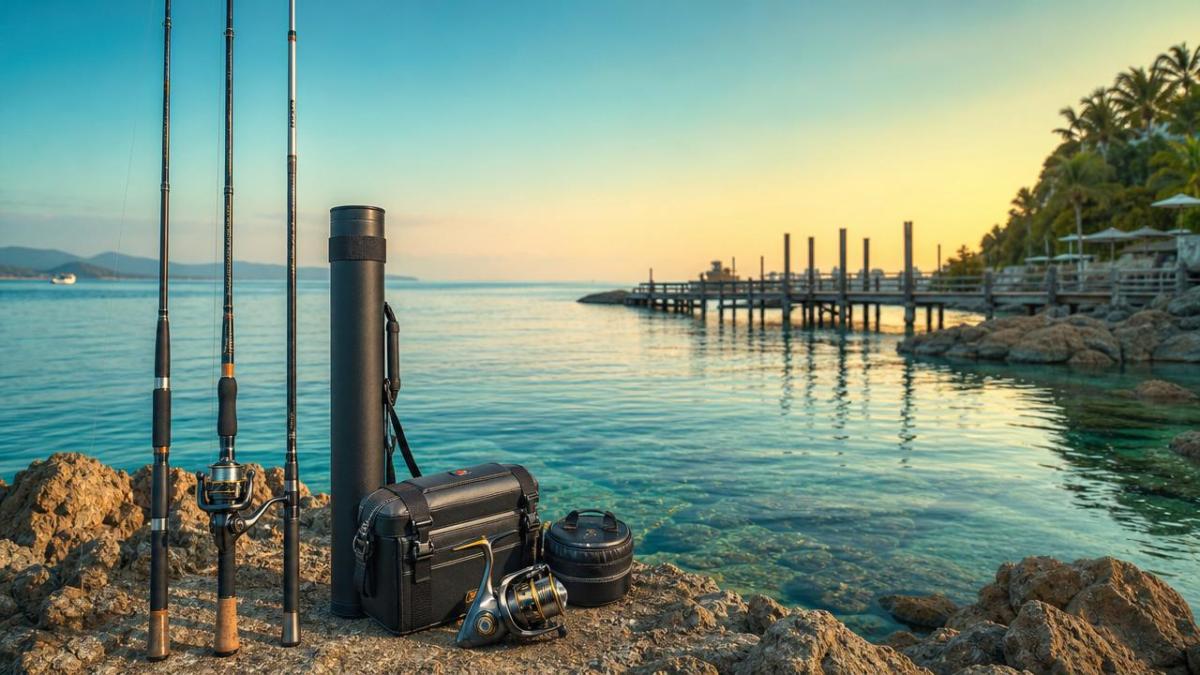
For travelers moving between cities, countries, or remote destinations, packing efficiency becomes a major factor. Carbon fiber fishing rods are attractive because they can deliver strong performance without adding much carry weight. In multi-piece travel configurations, they support destination flexibility for anglers who want to fish rivers, coasts, and lakes within the same trip.
This matters not only to individual travelers but also to travel service providers curating fishing-oriented itineraries. A guided operator offering “fly-and-fish” experiences may favor compact carbon rods that are easier to transport, faster to deploy, and more appealing to guests who expect modern equipment.
Still, portability should not be confused with invulnerability. Travel handling can expose rods to airport impact, vehicle compression, and baggage pressure. Buyers should verify tube protection, ferrule fit quality, and transit packaging standards before choosing a lightweight premium option at scale.
Scenario 4: Technique-driven fishing where sensitivity changes the outcome
Some fishing styles make the advantages of carbon fiber fishing rods much more obvious. Examples include finesse presentations, jigging, soft plastic lure work, and species targeting where subtle bites matter. In these settings, sensitivity is not just a luxury feature; it improves hook-setting timing, lure control, and overall feedback.
For tourism operators that market advanced or niche angling experiences, using carbon rods can support that promise. Customers booking a specialist bass, trout, or inshore lure trip often expect technical tackle. A standard rod may still catch fish, but it may not deliver the same level of responsiveness or perceived professionalism.
This is one of the clearest scenarios where carbon rods outperform standard alternatives in a way the end user can actually feel during the session.
How different users should judge rod suitability
Not all buyers look at the same decision criteria. An independent traveler, a fishing guide, and a tourism procurement manager each define value differently. The table below helps match priorities to product type.
Common misjudgments when comparing carbon and standard rods
One frequent mistake is assuming that all carbon fiber fishing rods are fragile. In reality, build quality varies widely. Some are engineered for impressive toughness, while some low-cost carbon products may underperform because of poor manufacturing, not because carbon itself is unsuitable.
Another mistake is treating standard rods as outdated. For casual tourism use, youth programs, and budget-sensitive rental operations, they can be the smarter operational choice. Their forgiving action can also help beginners avoid early frustration.
A third misjudgment is buying based on advertised material alone. Rod action, power, component quality, handle design, guide inserts, and assembly consistency all affect field performance. In sourcing terms, material is a major variable, but not the only one that defines user satisfaction or product longevity.
What to confirm before choosing carbon fiber fishing rods for a real-world program
Before making a selection, buyers and operators should confirm a few practical points. First, define the dominant scenario: expert lure fishing, family leisure use, rental turnover, or travel portability. Second, identify the acceptable trade-off between performance and abuse tolerance. Third, check whether the rod will be used by trained anglers or by rotating guests with minimal instruction.
For commercial or tourism-linked sourcing, it is also wise to review packaging resilience, after-sales support, replacement lead times, and consistency across production batches. These factors are especially important for businesses building premium travel experiences where equipment quality influences brand reputation.
In other words, carbon fiber fishing rods make the most sense when the use case values precision, comfort, modern performance, and differentiated guest experience. Standard rods remain valid where simplicity, rough handling tolerance, and lower ownership cost are the main priorities.
FAQ: scenario-based questions researchers often ask
Are carbon fiber fishing rods better for travel?
Often yes, especially when low weight and packability matter. They are particularly useful for destination anglers and premium travel experiences, but they need proper transport protection.
Should resorts replace all standard rods with carbon rods?
Usually no. A mixed approach is often more efficient: standard rods for casual or beginner use, and carbon options for premium guests or advanced techniques.
Do guests actually notice the difference?
In guided, technique-oriented, or longer sessions, many do. Reduced fatigue and improved bite feel are tangible benefits, especially during repeated casting.
Final takeaway: match the rod to the experience, not just the spec sheet
What sets carbon fiber fishing rods apart from standard rods is not only their advanced material profile, but how that profile performs in specific scenarios. They shine in premium guided travel, mobile angling, and technique-driven fishing where lightness and sensitivity create a measurable difference. Standard rods remain highly useful in beginner-friendly, rental-heavy, and cost-sensitive operations.
For researchers, buyers, and travel-related operators, the smartest next step is to map rod choice against the actual customer journey: who is using the rod, where it will be used, how often it will be handled, and what level of experience the trip promises. Once those conditions are clear, choosing between carbon fiber fishing rods and standard rods becomes far more strategic, practical, and profitable.
Related Intelligence
 Nursery Furniture & MonitorsMay 04, 2026Wooden Baby Cribs Wholesale: Safety Checks That Should Not Be SkippedWooden baby cribs wholesale safety checks every buyer should verify: compliance, materials, structural strength, hardware, and factory controls to reduce recall risk.
 Activewear OEMMay 04, 2026Organic Baby Clothes Wholesale: How to Verify Fabric ClaimsOrganic baby clothes wholesale guide: learn how to verify fabric claims, check certifications, review lab tests, and spot supplier risks for safer sourcing and confident wholesale decisions.
 Infant Feeding & CareMay 04, 2026Wholesale Cloth Diapers: Cost Trade-Offs That Matter Over TimeWholesale cloth diapers: compare more than unit price. Discover the long-term cost trade-offs in sourcing, compliance, returns, packaging, and margin strategy.
 Infant Feeding & CareMay 04, 2026Biodegradable Baby Wipes: Are They Better in Daily UseBiodegradable baby wipes: are they truly better for daily use? Explore softness, durability, skin safety, and travel convenience to choose the best option for family trips.
 Infant Feeding & CareMay 04, 2026Silicone Teething Rings: What to Look for Before You BuySilicone teething rings guide: learn how to compare safety, food-grade materials, easy-clean designs, and age-appropriate features before you buy for home or travel.
 Infant Feeding & CareMay 04, 2026Baby Pacifiers Manufacturer Comparison: Material, Mold, and ComplianceBaby pacifiers manufacturer comparison guide covering material safety, mold precision, and compliance readiness to help buyers reduce sourcing risk and choose reliable global partners.
 Infant Feeding & CareMay 04, 2026Silicone Baby Bibs OEM Trends That Make Sense in 2026Silicone baby bibs OEM trends for 2026: discover safer sourcing, private-label flexibility, and travel retail opportunities that help buyers reduce risk and grow family-focused sales.
 Infant Feeding & CareMay 04, 2026BPA Free Baby Bottles: How to Judge Safety Beyond the LabelBPA free baby bottles safety goes beyond the label. Learn how travel service quality teams assess materials, testing, certificates, and supplier risk for safer sourcing.
 Infant Feeding & CareMay 04, 2026Electric Breast Pump OEM: What to Review Before Final ApprovalElectric breast pump OEM final approval starts with more than price. Review compliance, reliability, warranty risk, and supplier readiness before you sign.
 Infant Feeding & CareMay 04, 2026Manual Breast Pump Wholesale: When Simpler Products Sell BetterManual breast pump wholesale performs best where portability, affordability, and easy selling matter most. Discover why simpler products win in travel retail, pharmacies, e-commerce, and emerging markets.
 Infant Feeding & CareMay 04, 2026Baby High Chairs OEM: Features Parents Notice Before Anything ElseBaby high chairs OEM guide for parents: compare stability, harness safety, non-toxic materials, and easy-clean design to choose a trusted high chair with confidence.
 Baby Gear & StrollersMay 04, 2026Maternity Backpack OEM Ideas That Fit Modern Parenting NeedsMaternity backpack OEM ideas for modern parenting: explore travel-ready layouts, smart storage, safe materials, and customization tips that help brands source better and launch with confidence.
 Baby Gear & StrollersMay 04, 2026Baby Walkers Wholesale: Market Demand, Risks, and Model SelectionBaby walkers wholesale insights for travel retail and global buyers: explore demand shifts, compliance risks, and the best model mix to source safer, higher-converting products.