Wholesale Tactical Backpacks: Key Quality Points Before You Order
Before placing a bulk order for wholesale tactical backpacks, procurement teams need more than a low quote. Material strength, stitching quality, load capacity, waterproof performance, and compliance standards all affect long-term value and buyer satisfaction. This guide highlights the key quality checkpoints that help sourcing professionals reduce risk, compare suppliers more effectively, and secure dependable products for travel and outdoor retail markets.
Understanding wholesale tactical backpacks in the travel and outdoor market
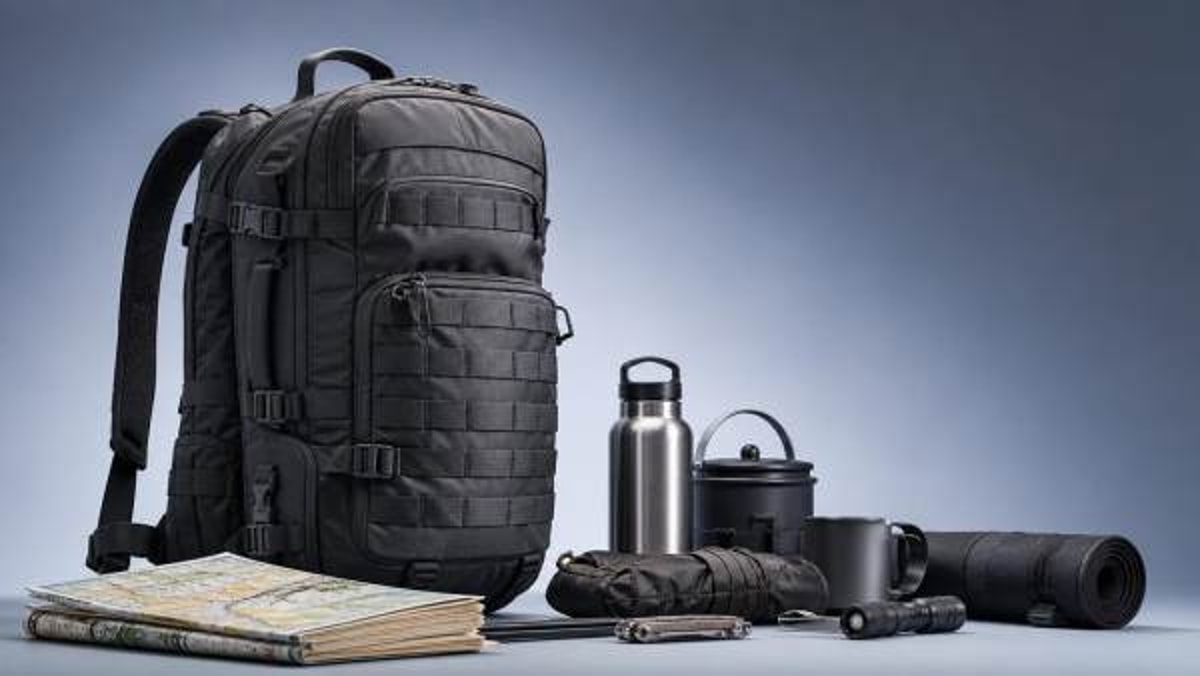
Wholesale tactical backpacks are rugged carry solutions designed for high-load, multi-compartment, and demanding use environments. While the word “tactical” often suggests military styling, in today’s travel service and outdoor retail landscape it also refers to practical organization, durability, modular storage, and weather resistance. For procurement professionals, this category matters because it overlaps several strong demand segments: adventure travel, hiking, camping, cross-border tourism, gear rental, expedition support, and everyday carry for consumers who prefer robust products.
The rise of adventure tourism and experience-based travel has pushed buyers to seek products that combine utility with reliable field performance. Travelers want backpacks that survive rough transit, changing weather, and repeated packing cycles. Retailers want fewer returns, stronger product reviews, and a design language that works across outdoor, urban, and travel use. That is why evaluating wholesale tactical backpacks should start with quality architecture rather than unit price alone.
For sourcing teams working through OEM or ODM channels, the product is not just a bag. It is a combination of fabric engineering, sewing execution, hardware selection, ergonomic design, and compliance readiness. In a competitive travel goods market, weak zippers or poor load balance can quickly damage brand reputation. A disciplined quality review helps buyers match the right specification to the right sales channel.
Why quality is a strategic issue for procurement teams
In wholesale purchasing, the visible sample may look acceptable while hidden quality risks remain unresolved. Tactical bags usually face more stress than fashion backpacks because consumers expect them to carry electronics, hydration systems, clothing, tools, and travel accessories at the same time. In travel service-related retail, products may also be used by tour operators, rental programs, or organized outdoor groups, which increases wear frequency.
A low-cost offer becomes expensive when return rates rise, replacement cycles shorten, or online reviews mention strap failure, seam splitting, and water leakage. Procurement managers therefore need a broader lens: lifecycle value, product consistency, after-sales burden, and supply chain reliability. This approach aligns with how modern sourcing platforms and B2B intelligence providers evaluate product categories—through performance, compliance, and commercial resilience, not just landed cost.
Core quality points to check before ordering wholesale tactical backpacks
A reliable evaluation framework for wholesale tactical backpacks should cover the following technical areas. Each one influences field performance, customer satisfaction, and retail margin protection.
Fabric strength and surface performance
The base fabric determines abrasion resistance, tear strength, and overall product lifespan. Common materials include polyester, nylon, ripstop nylon, and Oxford fabric in different denier levels such as 600D, 900D, or 1000D. Higher denier does not automatically mean better quality, because coating quality, yarn construction, and finishing also matter. Buyers should ask whether the fabric has PU or PVC coating, water-repellent treatment, anti-scratch properties, and colorfastness suitable for outdoor exposure.
Stitching and seam reinforcement
Stitch density, bartack reinforcement, and stress-point construction are essential. Shoulder straps, top handles, side compression areas, and waist-belt anchors should all be reinforced. In bulk sourcing, poor seam quality is one of the most common hidden defects because it may not appear during light sample inspection. Procurement teams should request close-up photos, stress test records, and production-line QC standards for seam tolerance and reinforcement points.
Load capacity and carrying comfort
A backpack can look durable yet perform poorly under realistic loads. Frame structure, back-panel padding, strap width, foam density, chest straps, and waist support all affect weight distribution. For travel and outdoor users, comfort is a quality factor, not an optional feature. If the intended market includes trekking, sightseeing tours, or multi-day travel, a poor ergonomic design can lead to negative reviews even when the material itself is strong.
Water resistance and weather protection
Many buyers assume that thick fabric equals waterproof performance. In reality, water resistance depends on fabric coating, seam construction, zipper shielding, and overall design. For wholesale tactical backpacks targeting travel and outdoor retail, it is important to distinguish between splash resistance, light rain resistance, and true waterproof capability. If the supplier claims waterproof performance, ask for testing references and whether the bag includes sealed seams, rain cover compatibility, or water-resistant zippers.
Zippers, buckles, webbing, and trims
Hardware quality directly affects user experience. Broken zipper teeth, weak pullers, brittle buckles, and low-grade webbing are frequent reasons for complaints. Reputable suppliers usually specify branded or benchmark-equivalent zipper systems, buckle material type, and webbing tensile standards. A buyer should examine not only opening smoothness but also repeated-use durability under sand, moisture, and heavy loading conditions common in travel environments.
Functional design and compartment logic
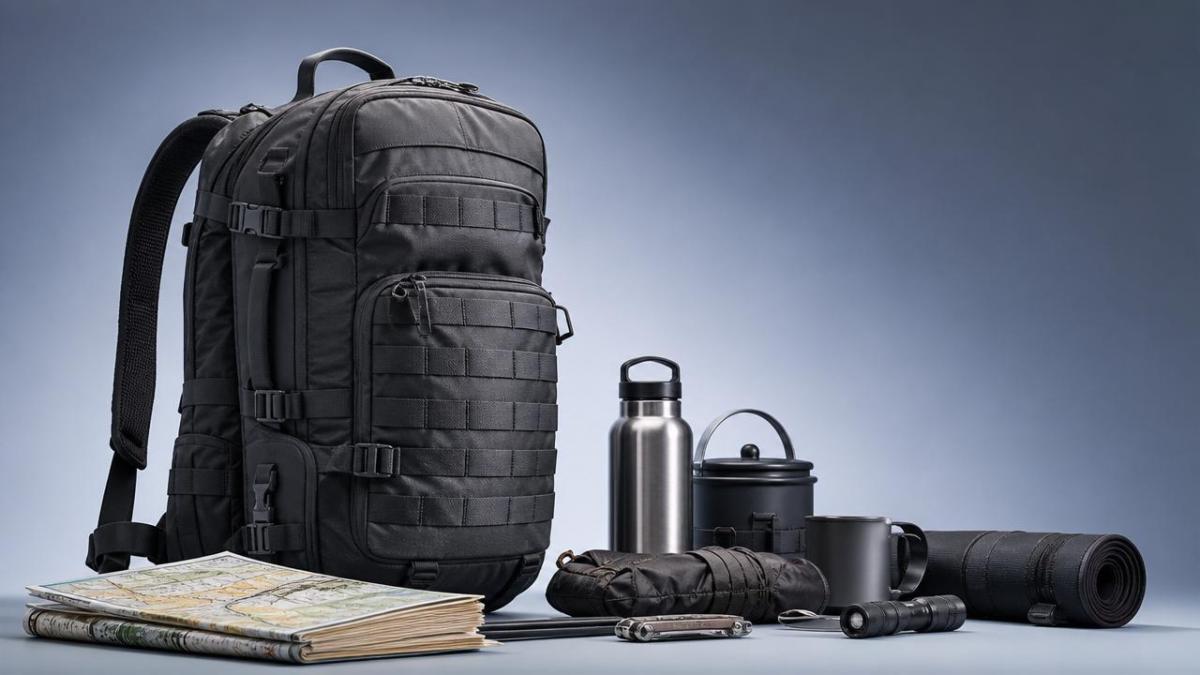
Not all wholesale tactical backpacks are designed for the same user. Some are optimized for day hikes, some for carry-on travel, and others for camping or survival gear. Quality therefore includes layout logic: laptop sleeves, hydration compatibility, quick-access pockets, MOLLE webbing placement, compression straps, anti-theft sections, and ventilation features. A strong design should serve a clear use case instead of combining features without coherence.
Industry overview: what buyers should compare across suppliers
The table below offers a practical overview for evaluating wholesale tactical backpacks in sourcing discussions.
Common application segments for wholesale tactical backpacks
Understanding end use helps buyers choose the correct specification rather than overbuying or underengineering the product. In travel service and outdoor retail, these are the most common segments.
Compliance and documentation expectations
Although backpacks are not regulated like some child or medical products, compliance still matters. Depending on destination market, procurement teams may need documentation related to restricted substances, labeling accuracy, packaging safety, and material traceability. If the product contains coatings, dyes, foam, or metal accessories, request supporting test information. Buyers serving premium travel retailers should also ask about REACH alignment, CPSIA-related considerations for the US market where applicable, and factory audit status.
Documentation discipline is also a proxy for supplier maturity. A manufacturer that can clearly organize BOM records, fabric specifications, test references, and inspection reports is generally better prepared for stable bulk production. In global sourcing, process transparency often predicts product consistency.
Practical supplier assessment methods before bulk commitment
For procurement teams evaluating wholesale tactical backpacks, a strong pre-order process should combine sample review, document review, and communication testing. Start with a target specification sheet that defines intended use, volume, load expectation, weather exposure, and feature requirements. Then compare suppliers against the same framework rather than relying on generic catalogs.
Useful checkpoints include:
- Requesting material swatches and trim samples, not only a finished bag
- Checking whether stress points match the supplier’s claimed load rating
- Reviewing quality control procedures for incoming materials and final inspection
- Confirming consistency across color variants, because some coatings and fabrics perform differently
- Asking how the supplier handles zipper failure, seam defects, and hardware replacement claims
When possible, conduct simple field simulation tests on the sample: repeated opening and closing, loaded carry trials, light rain exposure, and strap pull checks. These practical evaluations often reveal more than a polished presentation file.
How to balance price, quality, and market positioning
Not every retail program needs the heaviest fabric or the most technical structure. The right wholesale tactical backpacks depend on the intended customer and price band. Entry-level travel retail may accept lighter materials if comfort and appearance are strong. Premium outdoor channels usually require stronger fabric, tested hardware, and better back support. The key is alignment: quality should fit market promise.
Procurement professionals should avoid two common mistakes. The first is over-specifying features that customers will not pay for. The second is underestimating failure risk in pursuit of a lower quote. The best sourcing outcome usually comes from a balanced specification that protects brand reputation while preserving margin.
Conclusion and next-step guidance
In the current travel and outdoor market, wholesale tactical backpacks are more than a trend-driven product category. They are a functional, high-expectation item where material integrity, carrying comfort, hardware reliability, and compliance discipline all influence commercial success. For buyers, the smartest decision is not to ask which supplier is cheapest, but which supplier can repeatedly meet the right quality standard for the target market.
Before placing your next order for wholesale tactical backpacks, build a specification-based comparison process, verify documentation, and test samples against real travel use conditions. That approach reduces sourcing risk, strengthens retail confidence, and helps your product line perform better in a market where durability and trust increasingly drive purchase decisions.
Related Intelligence
 Nursery Furniture & MonitorsMay 04, 2026Wooden Baby Cribs Wholesale: Safety Checks That Should Not Be SkippedWooden baby cribs wholesale safety checks every buyer should verify: compliance, materials, structural strength, hardware, and factory controls to reduce recall risk.
 Activewear OEMMay 04, 2026Organic Baby Clothes Wholesale: How to Verify Fabric ClaimsOrganic baby clothes wholesale guide: learn how to verify fabric claims, check certifications, review lab tests, and spot supplier risks for safer sourcing and confident wholesale decisions.
 Infant Feeding & CareMay 04, 2026Wholesale Cloth Diapers: Cost Trade-Offs That Matter Over TimeWholesale cloth diapers: compare more than unit price. Discover the long-term cost trade-offs in sourcing, compliance, returns, packaging, and margin strategy.
 Infant Feeding & CareMay 04, 2026Biodegradable Baby Wipes: Are They Better in Daily UseBiodegradable baby wipes: are they truly better for daily use? Explore softness, durability, skin safety, and travel convenience to choose the best option for family trips.
 Infant Feeding & CareMay 04, 2026Silicone Teething Rings: What to Look for Before You BuySilicone teething rings guide: learn how to compare safety, food-grade materials, easy-clean designs, and age-appropriate features before you buy for home or travel.
 Infant Feeding & CareMay 04, 2026Baby Pacifiers Manufacturer Comparison: Material, Mold, and ComplianceBaby pacifiers manufacturer comparison guide covering material safety, mold precision, and compliance readiness to help buyers reduce sourcing risk and choose reliable global partners.
 Infant Feeding & CareMay 04, 2026Silicone Baby Bibs OEM Trends That Make Sense in 2026Silicone baby bibs OEM trends for 2026: discover safer sourcing, private-label flexibility, and travel retail opportunities that help buyers reduce risk and grow family-focused sales.
 Infant Feeding & CareMay 04, 2026BPA Free Baby Bottles: How to Judge Safety Beyond the LabelBPA free baby bottles safety goes beyond the label. Learn how travel service quality teams assess materials, testing, certificates, and supplier risk for safer sourcing.
 Infant Feeding & CareMay 04, 2026Electric Breast Pump OEM: What to Review Before Final ApprovalElectric breast pump OEM final approval starts with more than price. Review compliance, reliability, warranty risk, and supplier readiness before you sign.
 Infant Feeding & CareMay 04, 2026Manual Breast Pump Wholesale: When Simpler Products Sell BetterManual breast pump wholesale performs best where portability, affordability, and easy selling matter most. Discover why simpler products win in travel retail, pharmacies, e-commerce, and emerging markets.
 Infant Feeding & CareMay 04, 2026Baby High Chairs OEM: Features Parents Notice Before Anything ElseBaby high chairs OEM guide for parents: compare stability, harness safety, non-toxic materials, and easy-clean design to choose a trusted high chair with confidence.
 Baby Gear & StrollersMay 04, 2026Maternity Backpack OEM Ideas That Fit Modern Parenting NeedsMaternity backpack OEM ideas for modern parenting: explore travel-ready layouts, smart storage, safe materials, and customization tips that help brands source better and launch with confidence.
 Baby Gear & StrollersMay 04, 2026Baby Walkers Wholesale: Market Demand, Risks, and Model SelectionBaby walkers wholesale insights for travel retail and global buyers: explore demand shifts, compliance risks, and the best model mix to source safer, higher-converting products.