Commercial Treadmills Wholesale: Cost Drivers You Need to Understand First
Before approving a bulk fitness-equipment budget, finance decision-makers need a clear view of what really shapes commercial treadmills wholesale pricing. From motor grade and cushioning systems to compliance, shipping, and after-sales support, each cost driver affects margins, risk, and long-term value. Understanding these factors first helps buyers compare suppliers more accurately and make procurement decisions with confidence.
For hotels, resorts, cruise operators, serviced apartments, destination wellness retreats, and premium travel clubs, treadmill procurement is not a simple equipment purchase. It is part of the guest experience, the asset plan, and the operating model. In tourism service environments, a treadmill may run 6 to 14 hours per day, face seasonal usage peaks, and influence online reviews tied to fitness amenities.
That is why commercial treadmills wholesale analysis should go beyond the unit quote. Finance approvers need to understand total landed cost, lifecycle maintenance exposure, expected downtime, warranty boundaries, and supplier responsiveness across regions. In a global sourcing context, the lowest ex-factory price can easily become the most expensive option after freight, parts replacement, and guest-service disruption are considered.
For procurement teams working with Global Consumer Sourcing, the goal is not just to find a manufacturer. It is to compare sourcing options in a disciplined way that supports margin control, brand standards, and reliable fitness facilities for travelers. The sections below break down the main pricing drivers that finance leaders should evaluate first.
Why treadmill cost analysis matters more in travel service operations
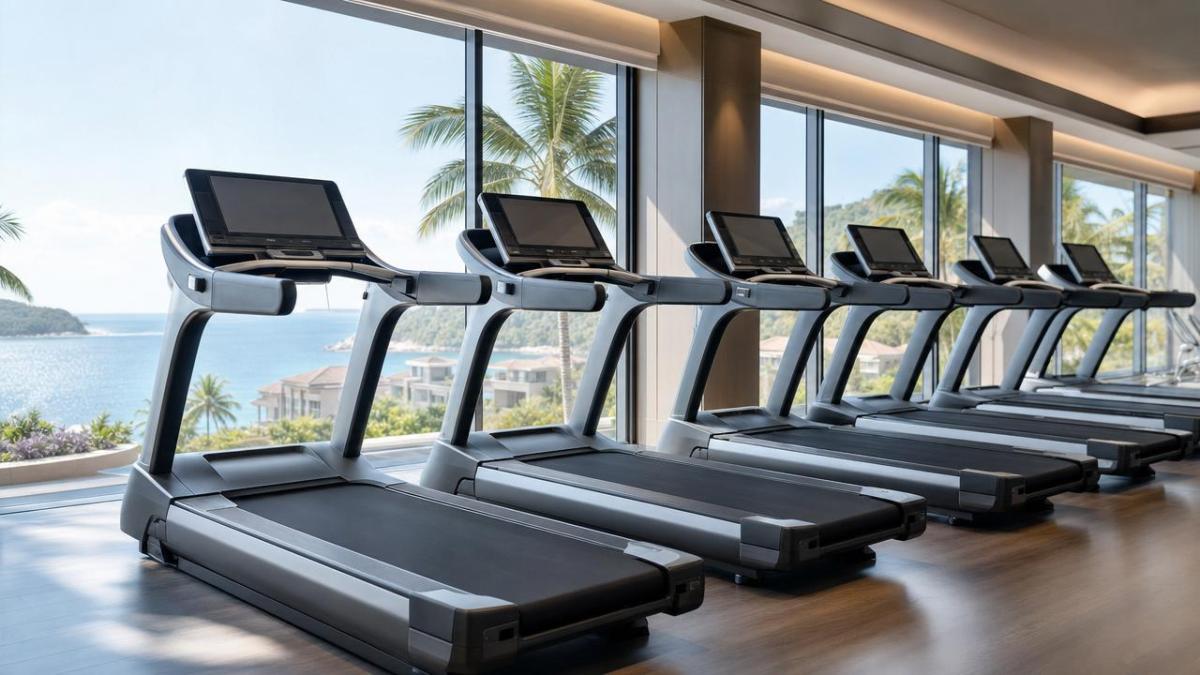
In tourism service settings, gym equipment has a direct operational role. A city hotel may equip a compact 20–40 square meter fitness room with 2 to 4 treadmills, while a resort or cruise wellness area may require 6 to 20 units across guest and staff zones. Because usage patterns differ by property type, the right cost analysis must reflect utilization, guest expectations, and replacement cycles.
Commercial treadmills wholesale pricing is especially sensitive in hospitality because the buying decision often involves three stakeholders: operations, procurement, and finance. Operations wants quiet performance and low downtime. Procurement wants dependable suppliers and stable lead times. Finance wants predictable depreciation, manageable service cost, and clear return on capital over 3 to 7 years.
The hidden financial impact of a poor equipment decision
A treadmill that fails during peak occupancy can create more than a repair bill. It can trigger guest complaints, reduce amenity value, and force emergency service coordination. For upscale tourism operators, even 24 to 72 hours of downtime matters. If replacement parts require international shipping, the actual disruption can extend to 2 to 6 weeks, especially during holiday logistics peaks.
This is why finance approvers should compare commercial treadmills wholesale offers using total cost of ownership rather than invoice price alone. A quote that is 8% lower upfront may produce 15% to 25% higher ownership cost if maintenance intervals are shorter, belts wear faster, or motor failures are more frequent in humid or high-use environments.
Key use scenarios across tourism service businesses
Not every travel business needs the same treadmill specification. Matching the equipment grade to the operating environment is one of the simplest ways to control overspending without compromising guest satisfaction.
- Business hotels: medium daily use, compact layouts, emphasis on quiet operation and low service interruption.
- Luxury resorts: higher guest expectations, stronger need for premium cushioning, display quality, and visual design.
- Cruise and remote properties: stricter focus on spare parts planning, corrosion resistance, and service accessibility.
- Wellness retreats: frequent use by health-focused guests, requiring smoother performance and stronger shock absorption.
These distinctions influence what finance should approve. A remote island resort may rationally spend more on parts availability and anti-corrosion materials, while an urban hotel may prioritize compact dimensions and lower noise ratings below 70 dB during normal operation.
The main cost drivers behind commercial treadmills wholesale pricing
To evaluate commercial treadmills wholesale offers properly, finance teams should break pricing into technical, compliance, logistics, and service components. The table below summarizes the cost elements most likely to move the final budget in tourism service procurement projects.
The biggest lesson is that commercial treadmills wholesale budgets are rarely determined by one feature. Costs stack across performance specifications and post-purchase obligations. For travel businesses, decisions should be based on expected guest usage and service continuity, not on brochure features alone.
Motor grade, frame construction, and running capacity
Motor grade is often one of the first pricing gaps between suppliers. For hospitality use, 3.0 CHP may be acceptable in low-traffic boutique hotels, but properties with all-day guest flow often move into the 4.0–5.0 CHP range. The stronger motor adds cost, yet it also supports longer duty cycles and more stable speed performance.
Frame thickness, weld quality, and user weight capacity also influence price. In commercial settings, capacities around 150–180 kg are commonly preferred because they better reflect broad guest demographics and brand inclusivity standards. Heavier-duty construction usually means higher freight weight, but it can reduce vibration and structural wear over time.
Financial checkpoint
If a supplier offers a notably low quote, finance teams should ask whether the lower cost comes from reduced motor rating, a lighter frame, or lower-grade internal electronics. Small technical compromises can materially change the useful life of the asset, especially when the treadmill serves dozens of guests each week.
Cushioning systems and guest experience value
In tourism service environments, cushioning is not only a comfort feature. It influences guest reviews, perceived quality, and injury-risk concerns. Better shock absorption can lower joint impact and improve noise control, which is important when gyms are located near guestrooms, spa areas, or meeting floors. The cost premium is often justified in upper-midscale and luxury properties.
A procurement review should examine at least 4 items: belt thickness, deck material, cushioning design, and maintenance access. If the belt requires frequent adjustment or replacement, the initial savings may disappear within 12 to 24 months of use.
Console choice, branding, and user interface cost
A basic LED console usually reduces acquisition cost and simplifies servicing. A large touchscreen can improve guest appeal, especially in premium resorts and branded residences, but it also increases failure points and replacement expense. For finance teams, the question is whether digital interface features support occupancy strategy and brand positioning strongly enough to justify the cost delta.
Where the fitness room is a supporting amenity rather than a headline feature, many travel operators choose a mid-range interface with essential metrics, device charging, and simple multilingual usability. That balance often fits commercial treadmills wholesale programs designed for multi-property rollout.
Compliance, logistics, and supplier terms that change the final budget
Technical specifications are only part of the investment. For cross-border procurement, compliance, delivery planning, and support terms can shift total spend by a meaningful margin. Hospitality projects are especially sensitive because opening deadlines, renovation schedules, and guest-service commitments leave little room for shipment or certification delays.
Compliance and electrical compatibility
Commercial treadmills wholesale purchases should be checked for destination-market electrical compatibility, labeling, user-safety documentation, and any required testing aligned with the import region. A mismatch in voltage, plug type, or paperwork can create customs delays or force local modification costs. Those costs are easy to overlook at quotation stage but highly visible after goods are in transit.
For hotel groups operating in multiple countries, standardizing one sourcing checklist can reduce risk. In practice, finance approvers should require confirmation on 5 points before release of deposit: voltage specification, safety documentation, packaging labels, spare-part availability, and warranty claim process.
Freight, installation, and location complexity
Shipping cost depends heavily on volume, destination, and access conditions. A treadmill for a central urban hotel may move from port to property in a few days. For a resort on an island or a mountain destination, inland transfer and handling can add significant cost. Delivery challenges such as narrow lifts, stair access, or restricted installation windows may also require extra labor or partial disassembly.
Lead time is another budget factor. Standard manufacturing and export preparation can take 4 to 8 weeks, while project-based customization may extend to 10 to 14 weeks. If a hotel renovation schedule is fixed, late delivery can have wider cost consequences than the equipment itself.
The table below shows how non-product factors often reshape commercial treadmills wholesale decisions for tourism service buyers.
For finance leaders, the value of this review is straightforward: many budget overruns come from vague scope and delayed service, not from the base equipment quote. Better supplier terms usually provide stronger cost predictability over the first 24 months.
Warranty, service response, and downtime economics
A strong warranty is not just a legal document. It is a financial buffer. Hospitality buyers should compare coverage periods for motor, drive system, electronics, deck, and wear items separately. A 1-year general warranty may sound acceptable, but if major components have limited support or no local service path, the risk remains high.
Service response standards matter too. In tourism operations, a practical target may be remote diagnosis within 24–48 hours and parts dispatch within 3–7 business days for stocked items. If the supplier cannot define these timelines, finance should assume a higher interruption cost in its approval model.
How finance approvers can compare suppliers with more confidence
The most reliable way to assess commercial treadmills wholesale proposals is to use a structured scorecard. This prevents teams from overreacting to the headline price and underweighting operational exposure. In travel service purchasing, disciplined comparison also helps align capital spending with guest experience standards.
A practical 6-point review framework
- Confirm daily usage assumptions by property type and number of users.
- Match motor, frame, and deck specification to actual duty cycle.
- Separate ex-factory price from landed cost, installation, and spare parts.
- Review warranty scope by component, not just by headline duration.
- Check compliance and destination-market documentation before deposit.
- Estimate 3-year ownership cost including service visits and expected replacements.
This framework gives finance teams a clearer basis for approval, especially when rolling out equipment across multiple hotels or resort sites. It also supports better internal communication between asset management, procurement, and property operations.
Common buying mistakes in hospitality treadmill sourcing
Mistake 1: Buying to a residential or light-duty standard
Some low quotes are built on specifications that are not suitable for guest-facing hospitality use. If the treadmill is designed for lighter weekly usage, service issues will likely appear faster, and replacement cycles may shorten significantly.
Mistake 2: Ignoring environmental conditions
Beach resorts, tropical properties, and cruise environments place extra stress on electronics and metal surfaces. Corrosion resistance and parts sealing may justify a higher purchase cost if they prevent repeated failures in high-humidity conditions.
Mistake 3: Underestimating service access
A supplier with attractive pricing but no practical support plan can become expensive very quickly. This is especially true where local technicians are limited or where one out-of-service treadmill meaningfully reduces the perceived value of the hotel gym.
Where Global Consumer Sourcing adds value
For finance approvers and procurement directors in the travel sector, Global Consumer Sourcing helps turn a broad supplier search into a more informed sourcing decision. By focusing on manufacturing capability, compliance readiness, product-positioning fit, and supply-chain transparency, GCS supports more disciplined comparisons across commercial treadmills wholesale options.
That matters when a hospitality brand needs equipment that fits both financial controls and guest expectations. Better sourcing intelligence helps buyers avoid cost surprises, narrow qualified supplier lists faster, and choose partners that can support long-term regional expansion.
Commercial treadmills wholesale decisions are most successful when finance teams evaluate the full picture: duty rating, guest experience impact, compliance, logistics, serviceability, and lifecycle cost over at least 3 years. For hotels, resorts, and other tourism service operators, this approach protects capital while supporting reliable wellness amenities that guests increasingly expect.
If you are reviewing bulk treadmill sourcing for a hospitality project, renovation, or multi-property rollout, now is the right time to compare suppliers with sharper cost visibility. Contact Global Consumer Sourcing to get a tailored sourcing perspective, review supplier-fit criteria, and explore more solutions for travel-focused fitness procurement.
Related Intelligence
 Cosmetics & PkgMay 02, 2026OEM Cosmetics Manufacturer: 7 Questions to Ask Before Product Development StartsOEM cosmetics manufacturer selection starts with the right questions. Learn 7 smart checks to reduce compliance, cost, and launch risks before product development begins.
 Beauty DevicesMay 02, 2026How to Evaluate a Gua Sha Tools Manufacturer for Consistent QualityGua sha tools manufacturer selection starts with quality control. Learn how to assess materials, certifications, production consistency, and supply reliability with confidence.
 Beauty DevicesMay 02, 2026Body Contouring Machine: When the Higher Price Is Actually JustifiedBody contouring machine buyers in travel services: learn when a higher price is justified through ROI, compliance, uptime, and premium package revenue potential.
 Fitness EquipmentMay 02, 2026Power Rack Manufacturer: Safety Details That Matter More Than FinishPower rack manufacturer selection starts with safety, not surface finish. Discover a practical checklist for QC teams to assess welds, load testing, stability, and compliance before sourcing.
 Fitness EquipmentMay 02, 2026Olympic Barbell Manufacturer Checklist for Strength Equipment SourcingOlympic barbell manufacturer checklist for travel service buyers: compare quality, compliance, OEM capability, and delivery reliability to source safer, longer-lasting strength equipment.
 Skincare OEMMay 02, 2026Whitening Toothpaste Private Label: What Customers Notice FirstWhitening toothpaste private label buyers in travel retail notice packaging, whitening claims, and daily-use safety first. See what drives trust, faster conversions, and smarter sourcing.
 Skincare OEMMay 02, 2026Wholesale Body Scrub: Texture, Fragrance, and Packaging Choices That SellWholesale body scrub buying guide for travel retail: compare textures, fragrances, and packaging choices that boost shelf appeal, compliance readiness, and faster sales.
 Beauty DevicesMay 02, 2026Jade Roller Wholesale: How to Spot Quality Issues Before They Reach CustomersJade roller wholesale quality issues can lead to costly returns. Learn how to spot material flaws, weak assembly, and compliance risks before products reach customers.
 Beauty DevicesMay 02, 2026What Makes a Water Flosser Manufacturer Reliable for Ongoing OrdersWater flosser manufacturer selection matters for travel retail success. Learn how to assess quality, compliance, lead times, and OEM support for reliable ongoing orders.
 Fitness EquipmentMay 02, 2026Commercial Treadmills Wholesale: Cost Drivers You Need to Understand FirstCommercial treadmills wholesale cost drivers explained for hotels, resorts, and travel brands. Compare pricing, compliance, shipping, and service risks before you buy.
 Fitness EquipmentMay 02, 2026Resistance Bands OEM: Small Design Choices That Improve Daily UseResistance bands OEM tips for travel service brands: discover small design choices that improve comfort, safety, storage, and durability for better guest use and operator efficiency.
 Fitness EquipmentMay 02, 2026Wholesale Yoga Mats: How to Build a Better Product Mix for RetailWholesale yoga mats buying guide for travel retail: learn how to build a profitable product mix for resorts, hotels, airports, and retreat channels with smarter sourcing and lower inventory risk.
 Cosmetics & PkgMay 02, 2026Wholesale Cosmetic Sponges: Material Differences That Change User ExperienceWholesale cosmetic sponges explained: discover how latex-free, hydrophilic, and microfiber materials affect blending, hygiene, and travel convenience for a smarter beauty buy.