Resistance Bands OEM: Small Design Choices That Improve Daily Use
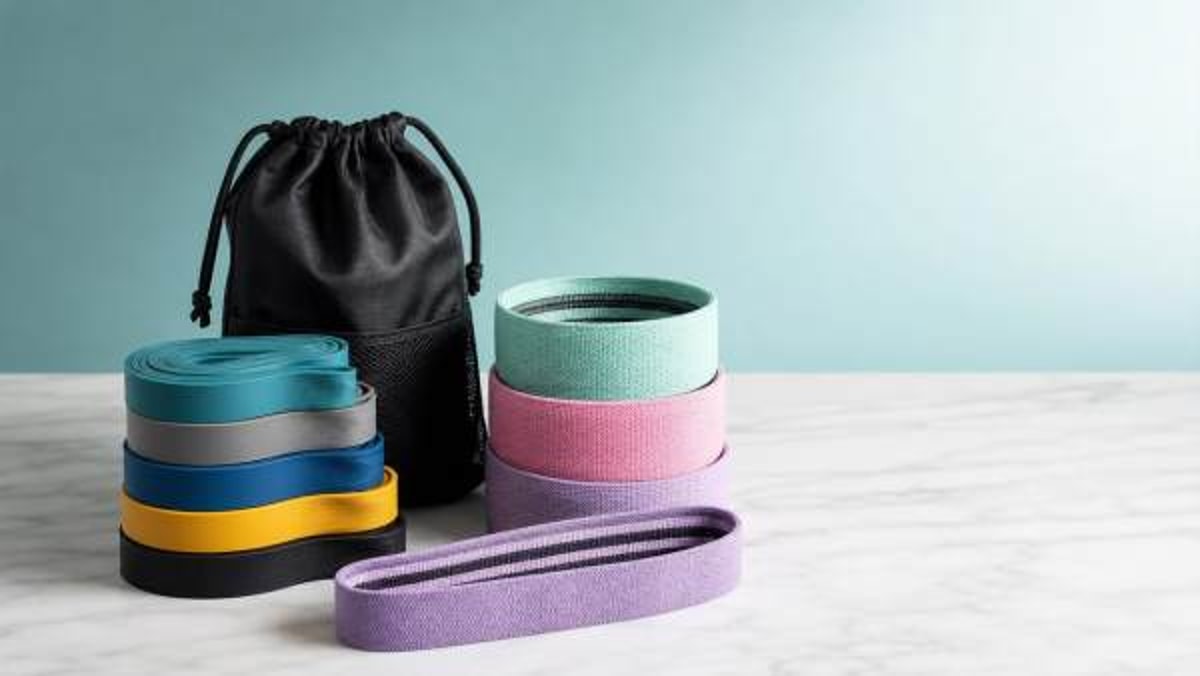
In resistance bands OEM, the smallest design details often shape the daily user experience. From grip texture and band width to storage convenience and durability, thoughtful choices can improve comfort, safety, and repeat use. This article explores how practical OEM design decisions help operators and end users get more value from resistance bands in real-world settings.
Why do small design choices matter so much in resistance bands OEM?
For many buyers, resistance bands seem simple: latex or fabric, a few colors, a pouch, and a logo. In daily use, however, operators quickly notice that minor design details affect setup speed, user comfort, safety, cleaning, storage, and product lifespan. That is why resistance bands OEM is not only about manufacturing capacity. It is also about understanding how end users actually train, travel, and store equipment between sessions.
This is especially relevant in travel service environments. Hotels, resorts, wellness retreats, cruise fitness rooms, guided outdoor programs, and compact in-room gyms often depend on lightweight equipment that can serve many guests with different fitness levels. In these settings, resistance bands must be easy to identify, quick to sanitize, simple to pack, and reliable under repeated daily use. A design that feels acceptable in a warehouse sample review may fail when used by travelers in small spaces, by staff handling frequent turnover, or by operators managing mixed-age guest groups.
A good resistance bands OEM partner therefore improves more than appearance. It helps shape practical details such as anti-slip handling, clear resistance marking, quiet use in hotel rooms, odor control, skin-friendly contact surfaces, and packaging that supports both guest convenience and operational efficiency. These are small choices, but they often determine whether the product is used once, used daily, or quietly ignored.
Which design features most improve daily use for operators and end users?
When evaluating resistance bands OEM options, users and operators should focus first on function before decoration. The following design features tend to have the strongest impact on daily performance.
- Grip texture: A slightly textured surface can reduce slipping caused by sweat, lotion, or humidity, which matters in spas, hotel gyms, and warm travel destinations.
- Band width and thickness: These affect comfort, resistance feel, and pressure distribution. Wider bands often feel more stable for lower-body exercises, while narrower options may suit mobility work and travel packs.
- Resistance identification: Printed levels, color coding, and simple icons help guests and staff choose correctly without lengthy instruction.
- Material feel and odor control: Low-odor materials create a better first impression, particularly in enclosed hospitality settings where sensory experience matters.
- Storage design: Pouches, hanging loops, or compact folding methods improve room organization and reduce loss.
- Durability at stress points: Reinforced ends, consistent wall thickness, and stable seams lower the risk of early failure.
For travel service operators, there is another layer: visual simplicity. Guests should be able to understand the product with little explanation. If resistance levels are confusing, if the band rolls during use, or if accessories look overly technical, adoption rates drop. In resistance bands OEM, simplicity is often a feature, not a limitation.
How should buyers compare latex, TPE, and fabric options in resistance bands OEM?
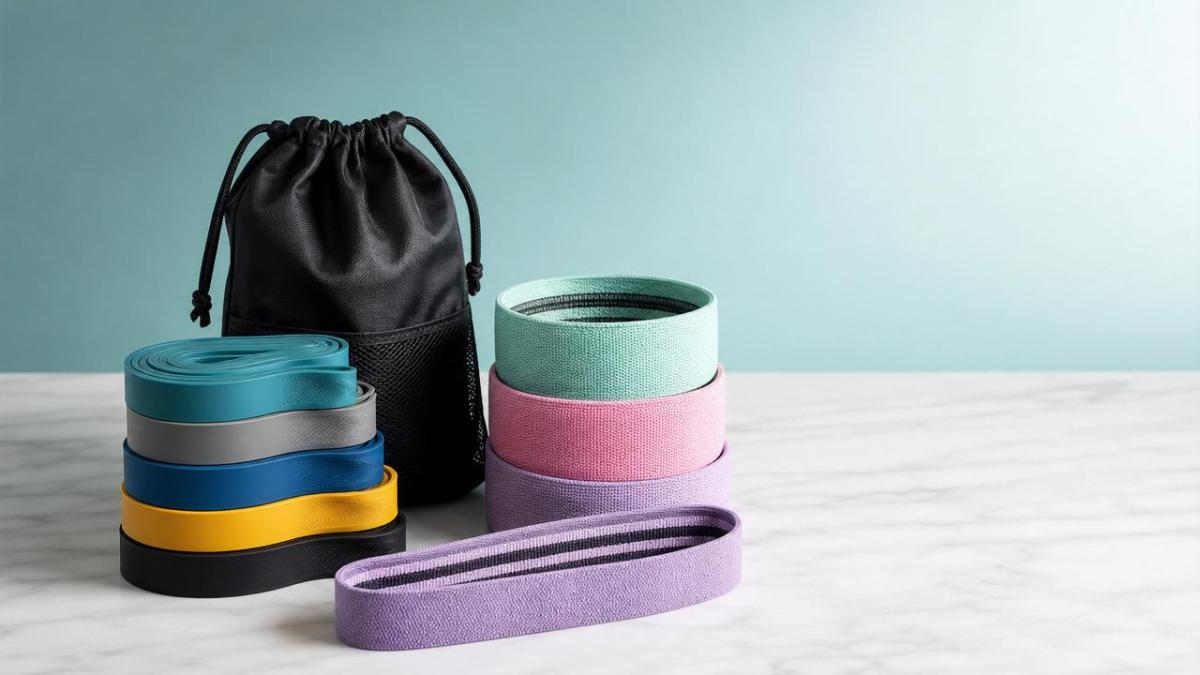
Material selection is one of the most common questions in resistance bands OEM because it affects user comfort, maintenance, cost, and brand positioning. There is no single best option for all situations. The right choice depends on where and how the band will be used.
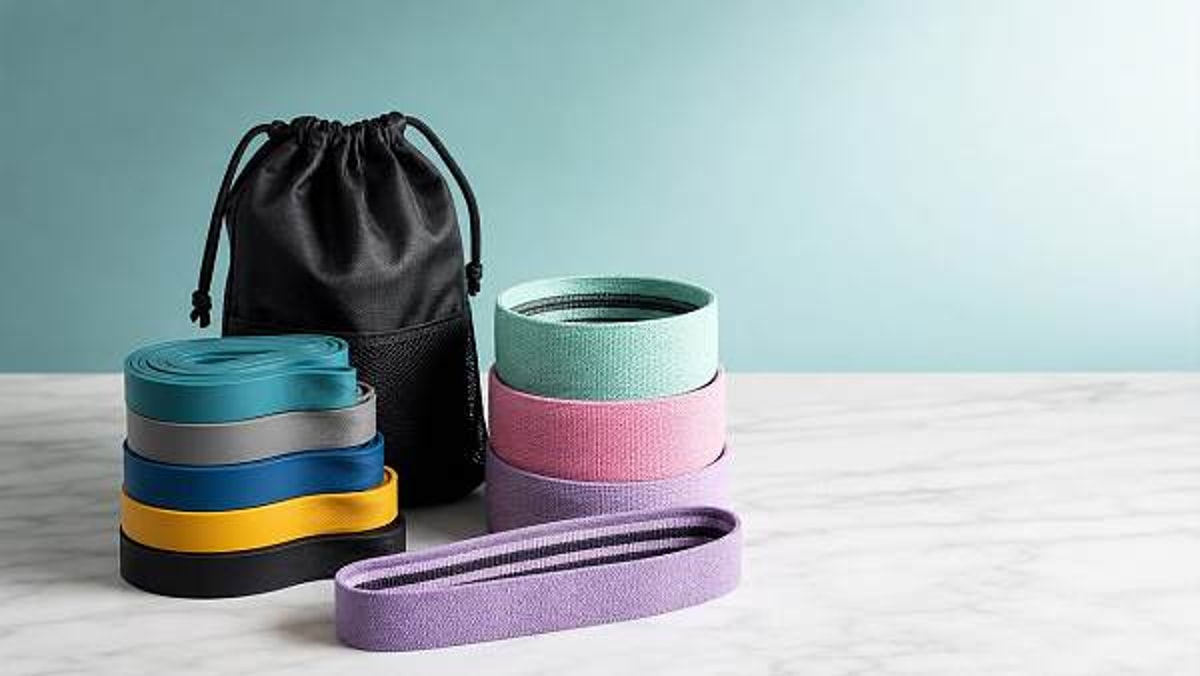
Latex bands often provide strong elasticity, smooth stretch, and broad resistance range. They are popular for mobility, rehab-style movement, and compact travel kits. However, some users may have latex sensitivity, and operators must consider allergy-related communication and compliance.
TPE options are often chosen as latex-free alternatives. They can support broader guest usage and simplify procurement decisions in shared environments. That said, performance quality varies by formulation, so consistency testing matters.
Fabric loop bands are usually favored for lower-body exercise because they reduce rolling and pinching. In hotel wellness rooms or resort fitness classes, fabric may feel more premium and more comfortable over clothing. On the other hand, fabric takes longer to dry after cleaning and may require more attention in humid environments.
The key lesson is that resistance bands OEM should match operational context. If the product is for high-turnover guest use, cleaning ease and clear resistance labeling may matter more than extreme performance range. If it is for branded retail sale within a travel brand ecosystem, premium texture and packaging may carry more weight.
What should operators look for when choosing resistance bands for travel and hospitality settings?
Operators should evaluate resistance bands OEM through the lens of real service workflows. The product will not sit in a static retail environment. It will be unpacked, moved, wiped down, repacked, and used by different people with different expectations.
First, consider space efficiency. Guests in hotel rooms or cabins need compact fitness tools that do not create clutter. Flat bands, loop bands, and neatly packed multi-piece kits often work better than large accessory-heavy systems. The easier the storage, the more likely staff will keep the set complete.
Second, think about instruction clarity. A well-designed resistance bands OEM program may include printed exercise prompts, QR-linked tutorials, or simple labels like light, medium, and heavy. This reduces misuse and helps less experienced users feel comfortable trying the product.
Third, review cleaning compatibility. Smooth surfaces are easier to sanitize between users. If fabric is used, ask how quickly it dries and whether repeated cleaning affects elasticity or appearance. In hospitality, maintenance practicality directly affects guest satisfaction.
Fourth, assess noise and user comfort. Bands used in guest rooms should not snap loudly against furniture or create friction sounds that disturb others. Soft-touch handles, stable anchors, and controlled recoil all contribute to better in-room use.
Finally, confirm branding restraint. Travel service brands often perform best with elegant, understated product design. A resistance bands OEM solution with clean color choices and discreet logo placement usually feels more premium than overcrowded visual branding.
What are the most common mistakes buyers make when specifying resistance bands OEM?
One frequent mistake is focusing on unit price without considering daily replacement cost. A cheaper band that loses elasticity, tears at stress points, or looks worn too quickly can cost more over time, especially in high-use travel service environments.
Another mistake is overbuilding the set. Operators sometimes request too many resistance levels, too many accessories, or overly technical attachments. In reality, guest adoption often improves when the kit is simple. A concise set with clear use cases is more practical than a complicated bundle.
A third mistake is ignoring user diversity. Resistance bands may be used by beginners, older guests, wellness travelers, and experienced fitness users. If resistance starts too high, many people will avoid it. If labeling is unclear, staff may need to answer the same questions repeatedly. Good resistance bands OEM planning accounts for a wide user range.
There is also the compliance and testing gap. Buyers may assume all materials and claims are equivalent, but quality, chemical standards, and safety expectations vary by market. If bands are distributed internationally or included in branded wellness programs, documentation and testing history should be checked early, not after design approval.
- Do not choose color coding without a printed resistance reference.
- Do not assume “travel-friendly” means durable enough for repeated hospitality use.
- Do not overlook pouch quality; poor storage causes loss and guest frustration.
- Do not add accessories unless users will clearly understand their purpose.
How can buyers judge durability, comfort, and safety before placing an order?
In resistance bands OEM, product photos and quotations are not enough. Buyers should test samples in the same conditions that real users will experience. For travel service operators, this means repeated stretching in small rooms, quick wipe-down cleaning, packing and unpacking, and use by people with different strength levels.
A practical review process should include stretch consistency, surface feel, rebound control, and visual wear after repeated use. If the band becomes sticky, curls excessively, frays, or loses shape, daily experience will suffer. Comfort is equally important. Ask several users to try the band on bare skin and over clothing. Pressure points, pinching, or slipping often become obvious very quickly.
For safety, inspect seams, joints, handle attachments, and anchor interfaces. Weak transitions are common failure points. Also review packaging warnings, use instructions, and storage guidance. A reliable resistance bands OEM supplier should be able to explain material performance, test routines, and expected life cycle under normal use.
It is wise to score samples using a simple decision sheet with criteria such as comfort, cleaning ease, resistance accuracy, odor level, portability, and visual fit with your brand. This keeps procurement focused on actual user value instead of sales presentation alone.
What should be confirmed first before moving forward with a resistance bands OEM project?
Before discussing final pricing or large-volume production, buyers should align on a few essential questions. Where will the bands be used: hotel rooms, resort gyms, guided classes, retail gift shops, or wellness welcome packs? Who is the primary user: beginners, families, business travelers, or fitness-focused guests? How often will staff need to clean, repack, and replace the product? What level of branding is appropriate for the customer experience?
It is also helpful to clarify target material, resistance range, packaging style, documentation needs, and expected reorder cycle. For many travel service brands, the best resistance bands OEM solution is the one that balances portability, safety, easy maintenance, and a premium but simple guest experience. The smallest design choices often decide whether the product supports your service promise or creates unnecessary friction.
If you need to confirm a specific solution, parameters, sampling direction, lead time, quotation logic, or cooperation model, start by discussing user scenario, material preference, resistance labeling, storage method, cleaning routine, compliance documents, and expected product lifespan. Those questions will lead to a much better resistance bands OEM decision than price alone.
Related Intelligence
 Cosmetics & PkgMay 02, 2026OEM Cosmetics Manufacturer: 7 Questions to Ask Before Product Development StartsOEM cosmetics manufacturer selection starts with the right questions. Learn 7 smart checks to reduce compliance, cost, and launch risks before product development begins.
 Beauty DevicesMay 02, 2026How to Evaluate a Gua Sha Tools Manufacturer for Consistent QualityGua sha tools manufacturer selection starts with quality control. Learn how to assess materials, certifications, production consistency, and supply reliability with confidence.
 Beauty DevicesMay 02, 2026Body Contouring Machine: When the Higher Price Is Actually JustifiedBody contouring machine buyers in travel services: learn when a higher price is justified through ROI, compliance, uptime, and premium package revenue potential.
 Fitness EquipmentMay 02, 2026Power Rack Manufacturer: Safety Details That Matter More Than FinishPower rack manufacturer selection starts with safety, not surface finish. Discover a practical checklist for QC teams to assess welds, load testing, stability, and compliance before sourcing.
 Fitness EquipmentMay 02, 2026Olympic Barbell Manufacturer Checklist for Strength Equipment SourcingOlympic barbell manufacturer checklist for travel service buyers: compare quality, compliance, OEM capability, and delivery reliability to source safer, longer-lasting strength equipment.
 Skincare OEMMay 02, 2026Whitening Toothpaste Private Label: What Customers Notice FirstWhitening toothpaste private label buyers in travel retail notice packaging, whitening claims, and daily-use safety first. See what drives trust, faster conversions, and smarter sourcing.
 Skincare OEMMay 02, 2026Wholesale Body Scrub: Texture, Fragrance, and Packaging Choices That SellWholesale body scrub buying guide for travel retail: compare textures, fragrances, and packaging choices that boost shelf appeal, compliance readiness, and faster sales.
 Beauty DevicesMay 02, 2026Jade Roller Wholesale: How to Spot Quality Issues Before They Reach CustomersJade roller wholesale quality issues can lead to costly returns. Learn how to spot material flaws, weak assembly, and compliance risks before products reach customers.
 Beauty DevicesMay 02, 2026What Makes a Water Flosser Manufacturer Reliable for Ongoing OrdersWater flosser manufacturer selection matters for travel retail success. Learn how to assess quality, compliance, lead times, and OEM support for reliable ongoing orders.
 Fitness EquipmentMay 02, 2026Commercial Treadmills Wholesale: Cost Drivers You Need to Understand FirstCommercial treadmills wholesale cost drivers explained for hotels, resorts, and travel brands. Compare pricing, compliance, shipping, and service risks before you buy.
 Fitness EquipmentMay 02, 2026Resistance Bands OEM: Small Design Choices That Improve Daily UseResistance bands OEM tips for travel service brands: discover small design choices that improve comfort, safety, storage, and durability for better guest use and operator efficiency.
 Fitness EquipmentMay 02, 2026Wholesale Yoga Mats: How to Build a Better Product Mix for RetailWholesale yoga mats buying guide for travel retail: learn how to build a profitable product mix for resorts, hotels, airports, and retreat channels with smarter sourcing and lower inventory risk.
 Cosmetics & PkgMay 02, 2026Wholesale Cosmetic Sponges: Material Differences That Change User ExperienceWholesale cosmetic sponges explained: discover how latex-free, hydrophilic, and microfiber materials affect blending, hygiene, and travel convenience for a smarter beauty buy.