Mexico Launches AD Review on Chinese Fitness Equipment
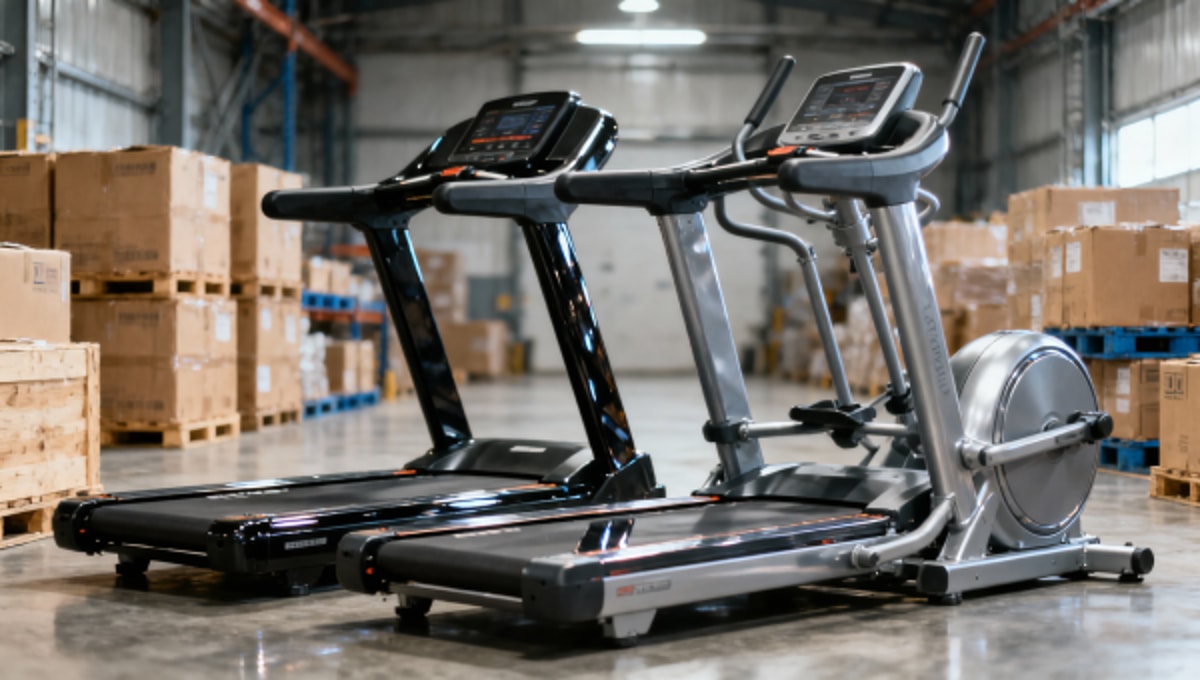
Mexico’s Ministry of Economy (SE) initiated an anti-dumping (AD) sunset review on May 3, 2026, targeting treadmill, elliptical, and strength training equipment (HS codes 950691/950699) from China. This development directly affects exporters, importers, and distributors engaged in the fitness equipment trade between China and Mexico—and signals potential shifts in pricing, procurement timing, and supply chain planning for the second half of 2026.
Event Overview
On May 3, 2026, Mexico’s Ministry of Economy (SE) published a notice launching an interim anti-dumping review concerning certain fitness equipment originating in China—specifically treadmills, elliptical trainers, and strength training devices classified under HS codes 950691 and 950699. A virtual hearing is scheduled to be held no later than June 20, 2026. The current AD duty rates range from 18.7% to 32.4%. No further procedural details or evidentiary submissions have been publicly released beyond this notice.
Industries Affected by Segment
Direct Exporters & Trading Companies
Companies exporting these products from China to Mexico face immediate uncertainty regarding landed cost and competitiveness. The review may result in rate adjustments—upward or downward—which directly impact margin calculations, quotation validity, and contract renegotiation timelines.
Contract Manufacturers & OEM/ODM Producers
Manufacturers fulfilling orders for Mexican importers or global brands with Mexico distribution must assess whether their production cost structures can absorb potential tariff increases—or whether revised commercial terms (e.g., FOB vs. CIF responsibility) need updating ahead of new duty application.
Distributors & Importers in Mexico
Local Mexican importers and distributors rely on predictable duty costs for inventory planning and retail pricing. A change in AD rates could delay Q3 2026 order placements, trigger early-bird purchases before any new duties take effect, or prompt reevaluation of sourcing alternatives—including regional suppliers or parallel imports.
Logistics & Customs Compliance Service Providers
Freight forwarders, customs brokers, and trade compliance consultants serving this product category may see increased demand for tariff classification verification, origin documentation support, and AD-related filing assistance—particularly as clients prepare submissions or attend the June 20 hearing.
What Relevant Enterprises or Practitioners Should Monitor and Do Now
Track Official Updates from Mexico’s SE and Tribunal Fiscal
The SE’s official notice is the sole confirmed source at this stage. Stakeholders should monitor the SE website and the Federal Tribunal of Administrative Justice (TFJA) portal for hearing agendas, submission deadlines, and any supplementary questionnaires issued to respondents.
Confirm Product Coverage Against HS Codes 950691/950699
Not all fitness equipment falls under these codes. Companies should verify exact HTS classifications used in past shipments and compare them against the SE’s definition—especially where hybrid or multifunctional devices are involved—to determine exposure scope.
Distinguish Between Policy Signal and Enforceable Outcome
This is a review—not a new investigation. The existing AD measures remain in force until a final determination is issued. Any change would apply prospectively, not retroactively. Current contracts and shipments are unaffected unless modified post-review.
Prepare Documentation for Potential Participation
Though voluntary, participation in the June 20 hearing or written submission may influence outcome weighting. Exporters and Mexican importers should begin compiling sales data, cost records, and market context relevant to the 2025–2026 period—aligned with standard AD review evidence requirements.
Editorial Perspective / Industry Observation
Observably, this review functions primarily as a procedural checkpoint—not an indication of imminent punitive action. It reflects standard WTO-consistent practice following the original AD measure’s imposition, and its timing aligns with typical five-year review cycles. Analysis shows that outcomes often depend heavily on whether domestic industry demonstrates continued injury and whether export pricing patterns have materially shifted since the original determination. From an industry standpoint, it is more appropriately understood as a near-term signal for operational recalibration than as a definitive policy shift. Continued monitoring remains essential—not because escalation is inevitable, but because even modest rate adjustments can reshape competitive positioning in a price-sensitive consumer durables segment.
Conclusion: This AD review does not alter current trade conditions, but it introduces a defined timeline and decision point that will influence procurement behavior, pricing strategy, and compliance planning across the China–Mexico fitness equipment value chain in H2 2026. It is best understood not as a disruption, but as a scheduled inflection point requiring targeted preparation—not broad contingency planning.
Source: Official notice published by Mexico’s Ministry of Economy (Secretaría de Economía, SE), May 3, 2026. Further developments—including hearing transcripts, party submissions, or preliminary findings—are pending and will require ongoing observation.
Related Intelligence
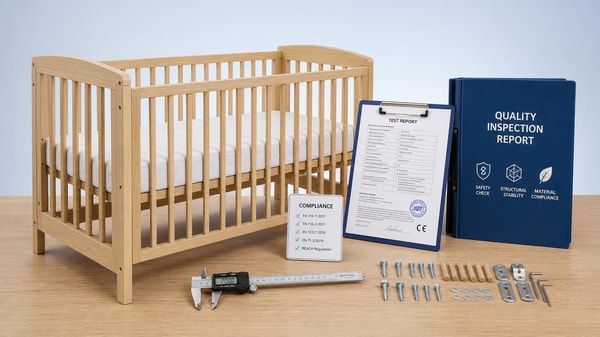
 Nursery Furniture & MonitorsMay 04, 2026Wooden Baby Cribs Wholesale: Safety Checks That Should Not Be SkippedWooden baby cribs wholesale safety checks every buyer should verify: compliance, materials, structural strength, hardware, and factory controls to reduce recall risk.
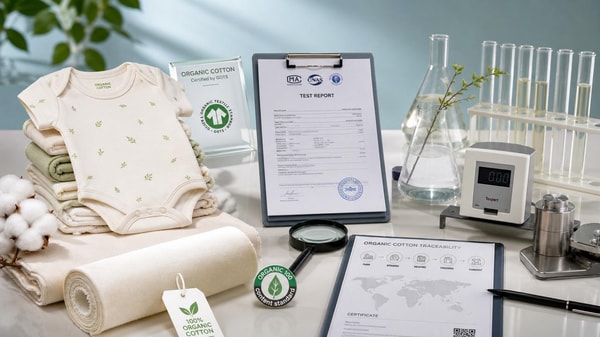
 Activewear OEMMay 04, 2026Organic Baby Clothes Wholesale: How to Verify Fabric ClaimsOrganic baby clothes wholesale guide: learn how to verify fabric claims, check certifications, review lab tests, and spot supplier risks for safer sourcing and confident wholesale decisions.
 Infant Feeding & CareMay 04, 2026Wholesale Cloth Diapers: Cost Trade-Offs That Matter Over TimeWholesale cloth diapers: compare more than unit price. Discover the long-term cost trade-offs in sourcing, compliance, returns, packaging, and margin strategy.
 Infant Feeding & CareMay 04, 2026Biodegradable Baby Wipes: Are They Better in Daily UseBiodegradable baby wipes: are they truly better for daily use? Explore softness, durability, skin safety, and travel convenience to choose the best option for family trips.
 Infant Feeding & CareMay 04, 2026Silicone Teething Rings: What to Look for Before You BuySilicone teething rings guide: learn how to compare safety, food-grade materials, easy-clean designs, and age-appropriate features before you buy for home or travel.
 Infant Feeding & CareMay 04, 2026Baby Pacifiers Manufacturer Comparison: Material, Mold, and ComplianceBaby pacifiers manufacturer comparison guide covering material safety, mold precision, and compliance readiness to help buyers reduce sourcing risk and choose reliable global partners.
 Infant Feeding & CareMay 04, 2026Silicone Baby Bibs OEM Trends That Make Sense in 2026Silicone baby bibs OEM trends for 2026: discover safer sourcing, private-label flexibility, and travel retail opportunities that help buyers reduce risk and grow family-focused sales.
 Infant Feeding & CareMay 04, 2026BPA Free Baby Bottles: How to Judge Safety Beyond the LabelBPA free baby bottles safety goes beyond the label. Learn how travel service quality teams assess materials, testing, certificates, and supplier risk for safer sourcing.
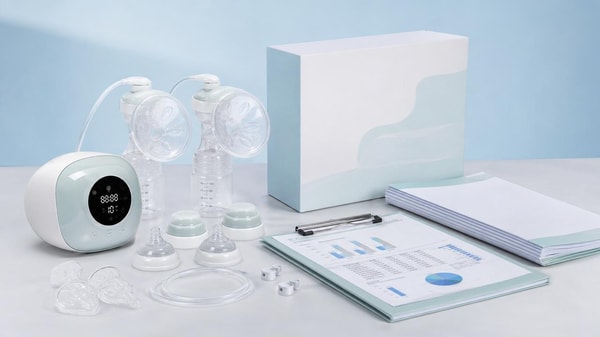
 Infant Feeding & CareMay 04, 2026Electric Breast Pump OEM: What to Review Before Final ApprovalElectric breast pump OEM final approval starts with more than price. Review compliance, reliability, warranty risk, and supplier readiness before you sign.
 Infant Feeding & CareMay 04, 2026Manual Breast Pump Wholesale: When Simpler Products Sell BetterManual breast pump wholesale performs best where portability, affordability, and easy selling matter most. Discover why simpler products win in travel retail, pharmacies, e-commerce, and emerging markets.
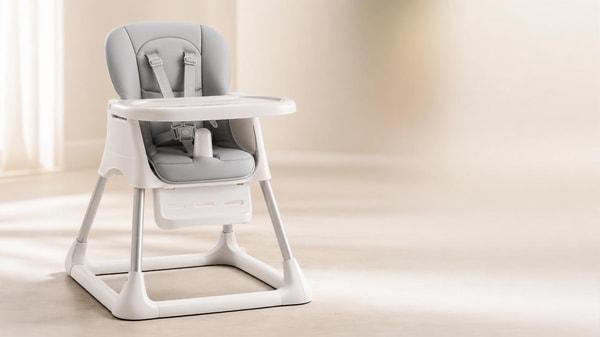
 Infant Feeding & CareMay 04, 2026Baby High Chairs OEM: Features Parents Notice Before Anything ElseBaby high chairs OEM guide for parents: compare stability, harness safety, non-toxic materials, and easy-clean design to choose a trusted high chair with confidence.
 Baby Gear & StrollersMay 04, 2026Maternity Backpack OEM Ideas That Fit Modern Parenting NeedsMaternity backpack OEM ideas for modern parenting: explore travel-ready layouts, smart storage, safe materials, and customization tips that help brands source better and launch with confidence.
 Baby Gear & StrollersMay 04, 2026Baby Walkers Wholesale: Market Demand, Risks, and Model SelectionBaby walkers wholesale insights for travel retail and global buyers: explore demand shifts, compliance risks, and the best model mix to source safer, higher-converting products.