Padel Rackets Manufacturer Guide for Private Label Product Planning
Choosing the right padel rackets manufacturer is a strategic step in private label product planning, especially for project managers balancing cost, compliance, timelines, and market fit. This guide outlines how to evaluate manufacturing capabilities, OEM/ODM flexibility, quality control, and supply chain reliability so your team can build a competitive product line with lower risk and stronger commercial potential.
Why a checklist-first approach works for project managers
For a project manager or engineering lead, selecting a padel rackets manufacturer is rarely just a sourcing task. It affects launch timing, product differentiation, packaging workflow, after-sales claims, and cross-border compliance. In travel service and tourism-linked retail channels, the stakes can be even higher. Resorts, sports clubs, hotel pro shops, destination retailers, and recreation operators often need padel products that combine brand image, durability, and predictable replenishment.
A checklist-based process helps teams avoid common mistakes such as overvaluing low MOQ, underestimating mold lead time, ignoring material traceability, or failing to align the factory’s production system with seasonal launch plans. Instead of asking only “Can this supplier make rackets?” the better question is “Can this padel rackets manufacturer support our private label roadmap with the right quality, compliance, and operational discipline?”
The first screen: what to confirm before deep evaluation
Before requesting samples or negotiating price, project teams should confirm a short list of non-negotiables. This first screen prevents time loss and gives internal stakeholders a clear basis for comparison.
- Verify whether the padel rackets manufacturer is a real factory, a trading company, or a hybrid operator. This affects engineering responsiveness, change control, and cost transparency.
- Check core product scope. Some factories mainly produce tennis or beach rackets and only have limited padel experience.
- Confirm OEM and ODM capability. Private label planning often requires more than logo printing; it may involve shape, surface finish, balance point, drill pattern, and packaging design.
- Review minimum order quantity by model, colorway, and packaging format. Attractive base MOQ can become unrealistic once variant complexity is added.
- Ask about standard lead times for sampling, tooling, pilot run, mass production, and peak season bookings.
- Confirm export market experience, especially for Europe, North America, and tourism-driven distribution environments where brand presentation matters.
Core evaluation checklist for a padel rackets manufacturer
Once a supplier passes the first screen, the next step is a structured technical and commercial review. This is the stage where a qualified padel rackets manufacturer separates itself from a low-visibility vendor.
1. Product engineering and material control
Private label success depends heavily on product consistency. Ask which face materials and core structures the factory can produce, such as fiberglass, carbon fiber blends, EVA density options, and frame reinforcement choices. A strong padel rackets manufacturer should explain how these material selections affect power, control, vibration, durability, and target player profile. If the team cannot provide practical recommendations by segment, that is a warning sign.
2. Mold and customization flexibility
Some brands only need visual differentiation, while others want exclusive geometry or a custom handle feel. Clarify whether the supplier offers open molds, semi-custom programs, or fully custom tooling. Also ask who owns the mold, how revisions are documented, and what tolerance limits apply after approval. This is especially important for project managers planning future collections, not just a single launch.
3. Quality assurance checkpoints
Do not rely on final inspection alone. A reliable padel rackets manufacturer should have in-process controls covering raw material verification, layup accuracy, curing conditions, drilling precision, weight matching, balance testing, paint finish checks, and packing verification. Ask for defect categories, acceptable quality limits, and how rework is handled. For tourism retail settings such as hotel shops or club stores, visual defects can damage brand perception just as quickly as structural issues.
4. Compliance, testing, and traceability
Although padel rackets do not fall under the same rules as high-risk regulated products, chemical safety, labeling accuracy, packaging claims, and destination-specific requirements still matter. Ask whether the factory can support REACH-related inquiries, material declarations, barcode labeling, packaging safety expectations, and country-of-origin documentation. A mature padel rackets manufacturer should be comfortable supporting retailer audit requests and maintaining basic batch traceability.
5. Capacity planning and supply continuity
A supplier that performs well in sample development may still fail during scale-up. Check monthly output, peak capacity, subcontracting practices, backup material sources, and line allocation policy for repeat customers. If your business serves travel destinations, seasonal demand spikes before holiday and summer periods should be planned early. Capacity reliability is often more valuable than a small unit price discount.
A practical scorecard to compare suppliers
To simplify internal decision-making, use a weighted scorecard rather than unstructured opinions. The table below gives a useful starting framework for comparing each padel rackets manufacturer under review.
Extra checks for tourism and travel-service sales channels
Because this planning may support travel service businesses, selection criteria should reflect how padel products are sold and used in destination environments. Resorts, cruise retail, sports tourism operators, and club-based leisure programs have different priorities than pure online sporting goods sellers.
- Packaging must be visually strong for retail display but durable enough for humid, high-turnover environments.
- Product positioning should match guest profile, from beginners at vacation clubs to premium players at destination sports resorts.
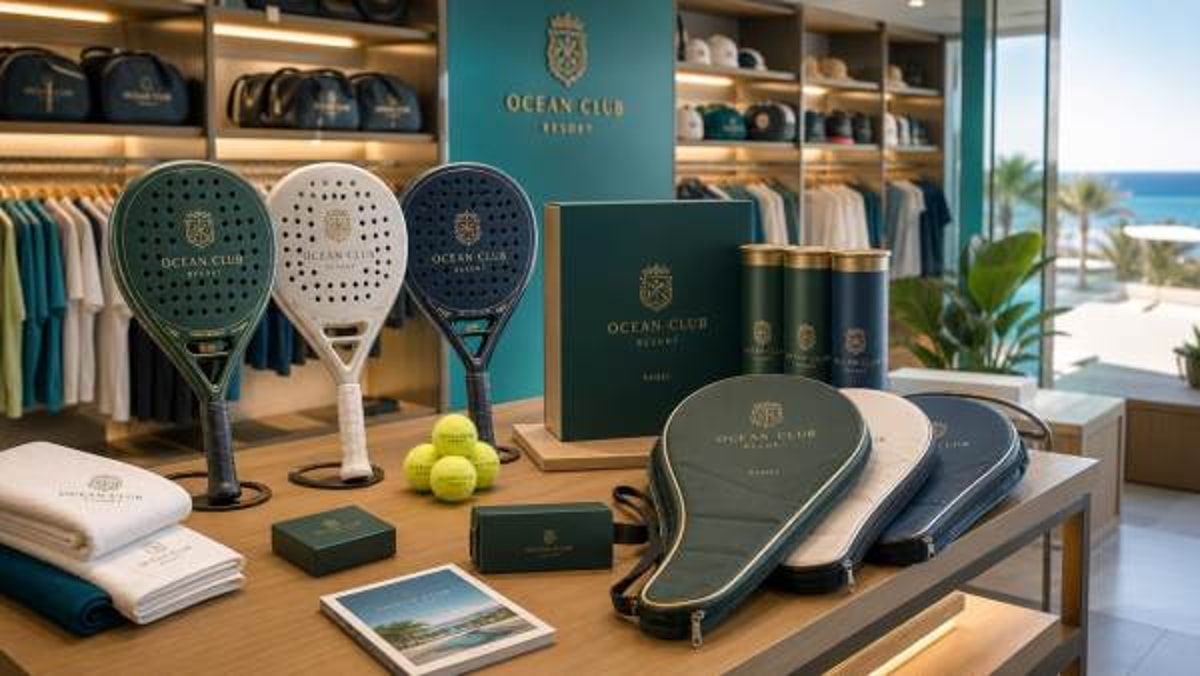
- Accessory bundling may matter more, including covers, overgrips, demo sets, or co-branded welcome packages.
- Replenishment speed is critical for seasonal operations where missed stock means lost on-site revenue.
- Branding quality must align with hospitality standards, where product appearance influences guest trust and perceived service quality.
Common gaps teams often overlook
Even experienced buyers can miss details when comparing a padel rackets manufacturer shortlist. The following issues regularly create hidden cost or delay:
- Approving a sample without a full specification sheet. Visual approval is not enough; weight range, balance, face material, finish, grip size, and packaging standard should all be documented.
- Ignoring carton configuration and shipping efficiency. A small packaging change can affect freight cost and warehouse handling.
- Treating all carbon constructions as equal. Material wording can hide major performance differences.
- Not aligning artwork approval with production milestones. Delayed print confirmation often pushes shipment dates.
- Failing to define claim handling. Ask in advance how the factory manages breakage reports, defect evidence, and replacement policy.
Execution plan: what to prepare before contacting a padel rackets manufacturer
Better inputs produce better quotations and faster development. Before outreach, project managers should prepare a concise sourcing brief that lets each padel rackets manufacturer respond on the same basis.
- Target market and channel, such as resort retail, sports clubs, travel destination stores, or D2C ecommerce.
- Player segment: beginner, intermediate, advanced, or mixed-use rental and retail programs.
- Price architecture, including target ex-factory range and ideal landed cost.
- Customization level required: logo only, cosmetic redesign, or full ODM development.
- Expected launch date, order volume, replenishment cycle, and any event-driven deadlines.
- Required packaging format, accessory inclusion, labeling instructions, and barcode expectations.
FAQ for private label planning
How many suppliers should be shortlisted?
Three is usually practical. One incumbent or benchmark supplier, one technically strong padel rackets manufacturer, and one commercially aggressive alternative provide enough comparison without slowing the process.
Should we prioritize price or development support?
For new private label programs, development support normally deserves higher weight. The cheapest padel rackets manufacturer may create extra cost through defects, delays, weak packaging, or poor repeatability.
Is an on-site audit necessary?
If the program includes meaningful volume or brand-sensitive distribution, yes. An audit reveals production flow, quality culture, and whether the supplier’s claimed capabilities are actually in place.
Final action points for moving forward
A strong padel rackets manufacturer is not simply a low-cost supplier. It is a development and execution partner that can support product positioning, maintain quality consistency, and protect launch timing. For project managers, the most effective path is to use a disciplined checklist, compare suppliers with a scorecard, and validate claims through samples, process review, and documentation.
If your team is ready to advance private label product planning, prioritize discussion around technical specifications, MOQ by variant, tooling ownership, testing support, packaging workflow, lead-time commitment, and forecast flexibility. These questions will tell you far more than a headline quotation and will help identify the padel rackets manufacturer best suited to your brand, channel strategy, and long-term growth goals.
Related Intelligence
 Nursery Furniture & MonitorsMay 04, 2026Wooden Baby Cribs Wholesale: Safety Checks That Should Not Be SkippedWooden baby cribs wholesale safety checks every buyer should verify: compliance, materials, structural strength, hardware, and factory controls to reduce recall risk.
 Activewear OEMMay 04, 2026Organic Baby Clothes Wholesale: How to Verify Fabric ClaimsOrganic baby clothes wholesale guide: learn how to verify fabric claims, check certifications, review lab tests, and spot supplier risks for safer sourcing and confident wholesale decisions.
 Infant Feeding & CareMay 04, 2026Wholesale Cloth Diapers: Cost Trade-Offs That Matter Over TimeWholesale cloth diapers: compare more than unit price. Discover the long-term cost trade-offs in sourcing, compliance, returns, packaging, and margin strategy.
 Infant Feeding & CareMay 04, 2026Biodegradable Baby Wipes: Are They Better in Daily UseBiodegradable baby wipes: are they truly better for daily use? Explore softness, durability, skin safety, and travel convenience to choose the best option for family trips.
 Infant Feeding & CareMay 04, 2026Silicone Teething Rings: What to Look for Before You BuySilicone teething rings guide: learn how to compare safety, food-grade materials, easy-clean designs, and age-appropriate features before you buy for home or travel.
 Infant Feeding & CareMay 04, 2026Baby Pacifiers Manufacturer Comparison: Material, Mold, and ComplianceBaby pacifiers manufacturer comparison guide covering material safety, mold precision, and compliance readiness to help buyers reduce sourcing risk and choose reliable global partners.
 Infant Feeding & CareMay 04, 2026Silicone Baby Bibs OEM Trends That Make Sense in 2026Silicone baby bibs OEM trends for 2026: discover safer sourcing, private-label flexibility, and travel retail opportunities that help buyers reduce risk and grow family-focused sales.
 Infant Feeding & CareMay 04, 2026BPA Free Baby Bottles: How to Judge Safety Beyond the LabelBPA free baby bottles safety goes beyond the label. Learn how travel service quality teams assess materials, testing, certificates, and supplier risk for safer sourcing.
 Infant Feeding & CareMay 04, 2026Electric Breast Pump OEM: What to Review Before Final ApprovalElectric breast pump OEM final approval starts with more than price. Review compliance, reliability, warranty risk, and supplier readiness before you sign.
 Infant Feeding & CareMay 04, 2026Manual Breast Pump Wholesale: When Simpler Products Sell BetterManual breast pump wholesale performs best where portability, affordability, and easy selling matter most. Discover why simpler products win in travel retail, pharmacies, e-commerce, and emerging markets.
 Infant Feeding & CareMay 04, 2026Baby High Chairs OEM: Features Parents Notice Before Anything ElseBaby high chairs OEM guide for parents: compare stability, harness safety, non-toxic materials, and easy-clean design to choose a trusted high chair with confidence.
 Baby Gear & StrollersMay 04, 2026Maternity Backpack OEM Ideas That Fit Modern Parenting NeedsMaternity backpack OEM ideas for modern parenting: explore travel-ready layouts, smart storage, safe materials, and customization tips that help brands source better and launch with confidence.
 Baby Gear & StrollersMay 04, 2026Baby Walkers Wholesale: Market Demand, Risks, and Model SelectionBaby walkers wholesale insights for travel retail and global buyers: explore demand shifts, compliance risks, and the best model mix to source safer, higher-converting products.