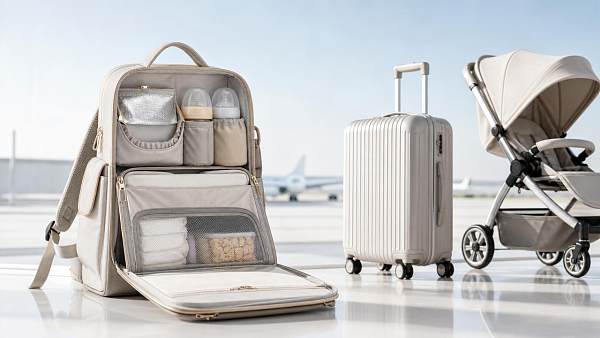
China Imposes Zero Tariffs on Baby & Pet Furniture for 20 African Nations
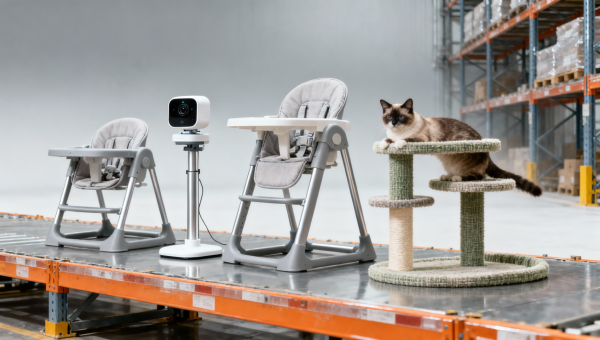
Effective 1 May 2026, China has implemented zero import tariffs on selected infant and pet products imported from 20 African countries with which it maintains diplomatic relations—excluding least-developed countries. This trade measure directly affects manufacturers, exporters, and distributors in the baby gear, nursery monitoring, and pet furniture sectors.
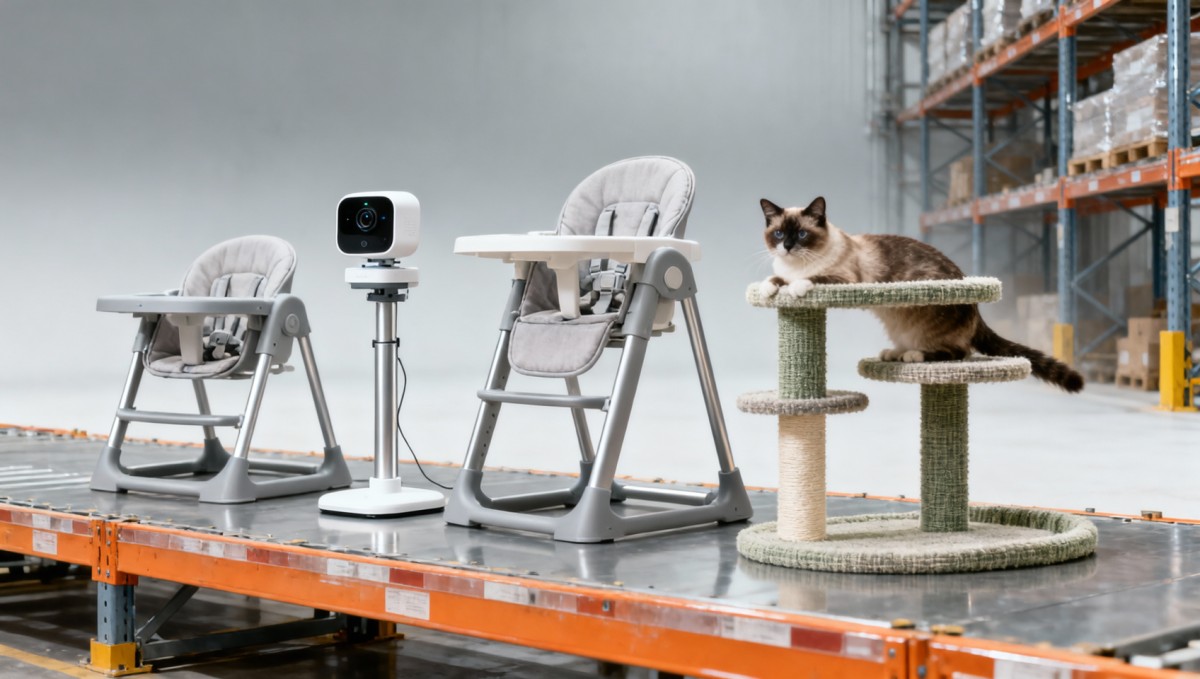
Tariff Policy Takes Effect for Key Consumer Goods
Starting 1 May 2026, China applies zero tariffs to all products under Harmonized System (HS) codes covering baby strollers (Baby Gear & Strollers), nursery monitors and related furniture (Nursery Furniture & Monitors), and pet furniture and enrichment items (Pet Furniture & Enrichment), exported from 20 African countries maintaining diplomatic ties with China—excluding those classified as least-developed countries. The policy lowers import barriers for African distributors and coincides with rising demand for local assembly, creating a new pathway for Chinese ODM manufacturers to co-enter African markets with international brands.
Impact Across Supply Chain Roles
Direct Trading Enterprises
Importers and distributors in Africa face reduced landed costs for qualifying products, improving margin flexibility and enabling faster inventory turnover. However, they must now verify HS code alignment and origin documentation to claim zero-tariff treatment—adding compliance checks at customs clearance.
Manufacturing Enterprises
Chinese ODM producers of baby and pet furniture gain enhanced competitiveness in African tenders and private-label partnerships. With lower effective duties, their quotations become more attractive—but increased demand for localized assembly may require adapting product designs for modular or knock-down packaging.
Supply Chain Service Providers
Freight forwarders, customs brokers, and logistics platforms need to update tariff classification guidance and documentation templates for these HS categories. Real-time verification of country-of-origin eligibility—and exclusion of least-developed nations—is now critical for accurate duty calculation and transit planning.
Raw Material Sourcing Entities
Suppliers of fabrics, plastics, electronics, and hardware used in these products may see indirect demand shifts as ODMs scale up production for African-bound shipments. However, no change in input tariffs is indicated; sourcing strategies remain governed by existing bilateral or multilateral trade terms.
Key Operational Priorities for Exporters
HS Code Verification and Origin Certification
Exporters must confirm precise HS code coverage for each product variant and obtain certified origin documentation compliant with China’s preferential tariff rules—especially given the exclusion of least-developed African countries from this scheme.
Local Assembly Readiness Assessment
As African market partners increasingly pursue semi-knocked-down (SKD) or fully knocked-down (FKD) models to meet local content requirements, ODMs should review technical documentation, packaging standards, and assembly instructions for clarity and adaptability.
Brand Collaboration Framework Development
The policy enables deeper joint go-to-market initiatives between Chinese manufacturers and African or global brands. Companies should formalize co-branding terms, warranty responsibilities, and after-sales service protocols before launching joint campaigns.
Compliance Documentation Audit
Product safety certifications—including relevant regional standards for electrical safety (e.g., IEC 62368-1), mechanical stability, flame retardancy, and chemical restrictions (e.g., REACH SVHC)—must be validated for African market acceptance, even where tariffs are eliminated.
Strategic Implications for Market Entry Models
Analysis shows this tariff shift goes beyond cost reduction: it signals a structural pivot toward integrated market entry. Observably, Chinese ODM firms are no longer just suppliers but emerging co-investors in regional distribution and light manufacturing. It is more appropriate to understand this as an incentive-driven nudge toward shared value creation—not merely a short-term pricing advantage. What deserves closer attention is how quickly African regulatory authorities align certification pathways with China’s zero-tariff scope, especially regarding conformity assessment for nursery monitors and pet enrichment devices subject to electromagnetic compatibility or battery safety rules.
Broader Industry Significance
This initiative marks a calibrated expansion of China’s preferential trade framework into high-growth consumer segments—moving beyond raw materials and infrastructure goods. While not a blanket Africa-wide agreement, its targeted focus on baby and pet categories reflects growing recognition of domestic consumption trends across urban African markets. Success will depend less on tariff elimination alone and more on synchronized progress in logistics interoperability, certification mutual recognition, and after-sales capability building.
Source Attribution & Monitoring Guidance
This article is based exclusively on the user-provided title, event date (1 May 2026), and summary text. Specific official source links were not provided in the input and should be verified continuously. Stakeholders are advised to monitor upcoming announcements from China’s Ministry of Commerce (MOFCOM), General Administration of Customs of China (GACC), and African Union trade secretariats regarding implementation guidelines, eligible HS subheadings, origin verification procedures, and any phased rollout timelines. Continued observation is warranted for national-level African customs circulars, tender specification updates, and post-implementation feedback from early-adopter distributors.
Related Intelligence
 Default CategoryMay 30, 2026Maersk Plans Red Sea Return in Q3; FE-Europe Freight Rates May Drop 20–30% WeeklyMaersk’s Red Sea return plan could cut FE–Europe freight rates by 20–30% weekly — vital intel for activewear OEMs, STEM toy exporters & forwarders planning Q3 logistics.
 Default CategoryMay 30, 2026China Imposes Zero Tariffs on Baby & Pet Furniture for 20 African NationsChina’s zero tariffs on baby & pet furniture for 20 African nations boost export opportunities—unlock cost savings, co-manufacturing, and market entry advantages now.
 Default CategoryMay 30, 2026EU REACH Adds Phthalates Restrictions Affecting Beauty & Pet ElectronicsEU REACH phthalates restrictions now impact beauty devices, pet electronics & RC toys—act before 1 Nov 2026 to ensure compliance and avoid EU market delays.
 Default CategoryMay 30, 2026Hormuz Strait Disruption Delays Infant & Pet Care Shipments by 10–14 DaysHormuz Strait disruption delays infant & pet care shipments by 10–14 days—impacting restocking, compliance, and peak-season planning globally.
 Default CategoryMay 30, 2026US April PCE Inflation Cools, Prompting Earlier Pricing Decisions for Beauty ImportersBeauty importers & exporters: US April PCE inflation cools to 3.8% YoY—act now to lock pricing, FX terms, and Q3 shipment schedules amid Fed rate-cut expectations.
 Pet Grooming & TravelMay 30, 2026Pet Clothing Fit Issues That Cause ReturnsPet clothing fit issues can lead to costly travel retail returns. Learn how distributors can improve sizing, sourcing, and buyer confidence.
 Nursery Furniture & MonitorsMay 30, 2026Gender Neutral Nursery Decor Ideas for 2026Gender neutral nursery decor ideas for 2026: discover travel-ready colors, materials, and sourcing tips that help hotels, resorts, and rentals delight modern families.
 Baby Gear & StrollersMay 30, 2026How to Compare Car Seat Suppliers SafelyCompare car seat suppliers safely with a risk-based checklist covering certifications, crash tests, quality systems, travel usability, and sourcing red flags.
 Infant Feeding & CareMay 30, 2026Diaper Bag With Insulated Pocket: What MattersDiaper bag with insulated pocket tips for smoother family travel—compare features for airports, road trips, city tours, and outdoor days before choosing.
 Pet Grooming & TravelMay 30, 2026Pet Product Standards to Check Before SourcingPet product standards guide buyers in checking safety, materials, labeling, certifications, and supplier readiness before sourcing compliant products.
 Default CategoryMay 29, 2026Revised Maritime Code Shifts No-Collection Liability to ShipperRevised Maritime Code shifts no-collection liability to shipper—critical for FOB/CFR exporters, cosmetic tube & baby gear OEMs. Act now to mitigate demurrage and port risks.
 Default CategoryMay 29, 2026Hormuz Strait Disruption Extends Shipping Times for Baby & Pet Care GoodsHormuz Strait disruption extends shipping times for baby & pet care goods—10–14 day delays impact EU supply chains. Act now to mitigate stockouts, air freight costs, and missed sales cycles.
 Default CategoryMay 29, 2026US ITC Issues Partial Final Determination in Open-Ear Headphone 337 InvestigationUS ITC's partial final determination on open-ear headphones targets bone-conduction acoustic structures — critical for beauty tech, pet wearables & baby monitors. Act now to assess compliance risk.