Hormuz Strait Disruption Delays Infant & Pet Care Shipments by 10–14 Days

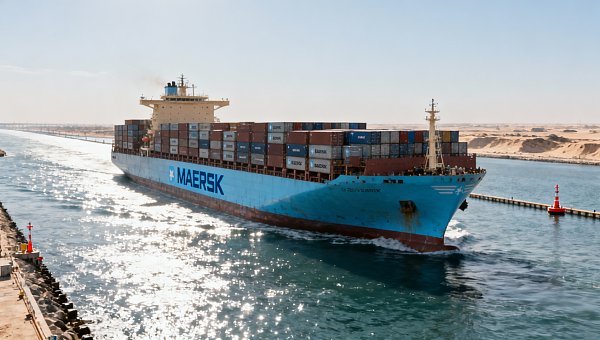
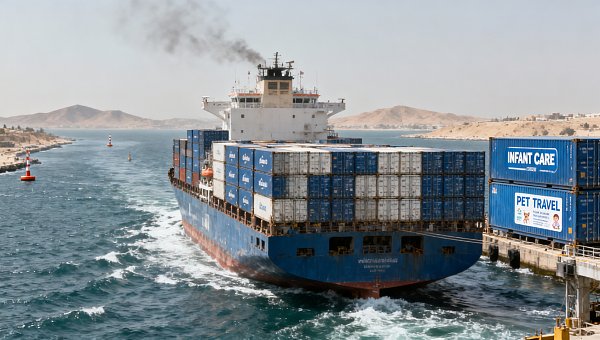
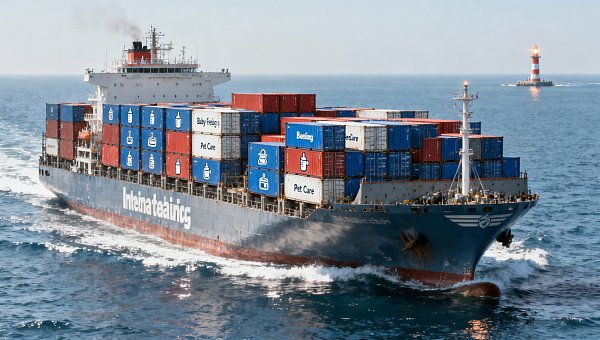
Amid ongoing maritime disruption in the Strait of Hormuz — with no exact event date specified — infant feeding and care products as well as pet grooming and travel goods face extended sea freight lead times. The bottleneck stems from persistently low throughput (under 5% of normal volume as of May 27), triggering severe customs clearance and secondary cargo consolidation delays at key Middle Eastern transshipment hubs such as Jebel Ali.
Confirmed Operational Impact as of May 27
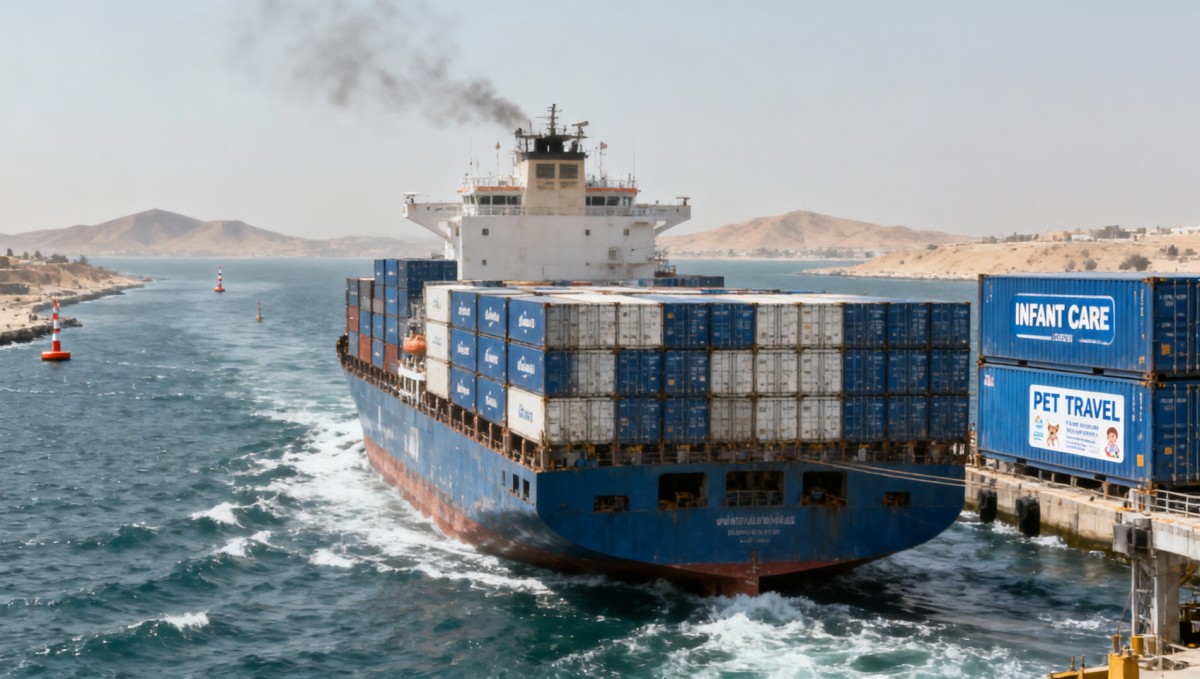
Freight volume through the Strait of Hormuz remains below 5% of baseline levels. This has caused significant congestion at Middle Eastern transshipment ports, notably Jebel Ali. Sea freight delivery cycles for Infant Feeding & Care and Pet Grooming & Travel products — categories requiring high delivery predictability — have lengthened by 10–14 days. Several container shipping lines have suspended acceptance of bookings for early June shipments. These developments directly affect restocking schedules and peak-season inventory planning for distributors across Europe, Africa, and Asia.
Supply Chain Roles Affected
Direct Trading Enterprises
These firms face delayed revenue realization and increased working capital pressure due to postponed cargo arrivals. Inventory turnover metrics are impacted, especially for seasonal or promotional SKUs tied to regional demand windows.
Raw Material Sourcing Companies
Upstream suppliers of packaging components, food-grade plastics, or hygiene-certified textiles may experience order volatility, as downstream buyers adjust procurement timing to absorb transit uncertainty — potentially affecting production planning and contract fulfillment timelines.
Manufacturing Entities
Factories producing infant bottles, sterilizers, pet carriers, or grooming tools must revise shipment scheduling and warehouse release protocols. Extended dwell times at transshipment points increase exposure to documentation errors, customs hold-ups, and temperature-sensitive compliance risks.
Logistics & Supply Chain Service Providers
Freight forwarders and customs brokers report elevated query volumes related to documentation validation, certificate of origin verification, and re-routing coordination. Capacity constraints at Jebel Ali are intensifying demand for alternative routing advice and real-time port status monitoring services.
Key Actions for Businesses
Review and Extend Procurement Lead Times
Adjust internal purchasing calendars to reflect the confirmed 10–14 day extension for affected product categories — particularly for orders destined via Middle Eastern transshipment routes.
Verify Booking Window Availability with Carriers
Confirm whether carrier booking systems accept new instructions for mid- to late-June departures; avoid assumptions based on pre-disruption capacity calendars.
Strengthen Documentation Readiness
Ensure all commercial invoices, packing lists, and regulatory certificates (e.g., FDA registration for infant feeding devices, CE marking for pet travel accessories) are pre-validated to minimize customs processing delays at congested hubs.
Assess Alternative Routing Feasibility
Evaluate viability of Red Sea–Suez or Cape of Good Hope alternatives, factoring in additional transit days, surcharges, and potential insurance implications for time-critical consignments.
Industry Perspective: Beyond Transit Delay
Analysis shows this incident underscores how geopolitical chokepoints increasingly shape operational resilience requirements — not just for bulk commodities, but for regulated, time-bound consumer health and wellness goods. From an industry perspective, it is more appropriate to understand this as a stress test for end-to-end visibility: upstream sourcing teams now need near-real-time port congestion data, while compliance officers must cross-reference shipping lane risk with certification validity periods. What deserves closer attention is the growing interdependence between trade route stability and technical documentation lifecycle management — especially where certifications carry jurisdiction-specific validity windows aligned to shipment dates.
Strategic Implications for the Sector
This disruption reaffirms that supply chain agility for infant and pet care products hinges less on inventory buffers alone and more on dynamic coordination across compliance, logistics, and procurement functions. It highlights the need for integrated risk dashboards — linking vessel tracking, port authority advisories, and regulatory expiry alerts — rather than siloed response protocols. No single mitigation eliminates delay risk, but layered preparedness reduces cascading impacts on customer trust and brand reputation.
Source Information and Verification Notes
This article was generated exclusively from the user-provided title, event timing note (‘not specified’), and summary text. Specific official source links were not provided in the input and should be verified continuously. Stakeholders are advised to monitor updates from international maritime authorities, port operators (e.g., DP World Jebel Ali), and global shipping alliances. Ongoing observation is recommended for evolving carrier booking policies, customs clearance guidance issued by UAE and Saudi authorities, and any revised transit advisories from the International Maritime Organization (IMO) or regional naval coordination centers.
Related Intelligence
 Default CategoryMay 30, 2026Maersk Plans Red Sea Return in Q3; FE-Europe Freight Rates May Drop 20–30% WeeklyMaersk’s Red Sea return plan could cut FE–Europe freight rates by 20–30% weekly — vital intel for activewear OEMs, STEM toy exporters & forwarders planning Q3 logistics.
 Default CategoryMay 30, 2026China Imposes Zero Tariffs on Baby & Pet Furniture for 20 African NationsChina’s zero tariffs on baby & pet furniture for 20 African nations boost export opportunities—unlock cost savings, co-manufacturing, and market entry advantages now.
 Default CategoryMay 30, 2026EU REACH Adds Phthalates Restrictions Affecting Beauty & Pet ElectronicsEU REACH phthalates restrictions now impact beauty devices, pet electronics & RC toys—act before 1 Nov 2026 to ensure compliance and avoid EU market delays.
 Default CategoryMay 30, 2026Hormuz Strait Disruption Delays Infant & Pet Care Shipments by 10–14 DaysHormuz Strait disruption delays infant & pet care shipments by 10–14 days—impacting restocking, compliance, and peak-season planning globally.
 Default CategoryMay 30, 2026US April PCE Inflation Cools, Prompting Earlier Pricing Decisions for Beauty ImportersBeauty importers & exporters: US April PCE inflation cools to 3.8% YoY—act now to lock pricing, FX terms, and Q3 shipment schedules amid Fed rate-cut expectations.
 Pet Grooming & TravelMay 30, 2026Pet Clothing Fit Issues That Cause ReturnsPet clothing fit issues can lead to costly travel retail returns. Learn how distributors can improve sizing, sourcing, and buyer confidence.
 Nursery Furniture & MonitorsMay 30, 2026Gender Neutral Nursery Decor Ideas for 2026Gender neutral nursery decor ideas for 2026: discover travel-ready colors, materials, and sourcing tips that help hotels, resorts, and rentals delight modern families.
 Baby Gear & StrollersMay 30, 2026How to Compare Car Seat Suppliers SafelyCompare car seat suppliers safely with a risk-based checklist covering certifications, crash tests, quality systems, travel usability, and sourcing red flags.
 Infant Feeding & CareMay 30, 2026Diaper Bag With Insulated Pocket: What MattersDiaper bag with insulated pocket tips for smoother family travel—compare features for airports, road trips, city tours, and outdoor days before choosing.
 Pet Grooming & TravelMay 30, 2026Pet Product Standards to Check Before SourcingPet product standards guide buyers in checking safety, materials, labeling, certifications, and supplier readiness before sourcing compliant products.
 Default CategoryMay 29, 2026Revised Maritime Code Shifts No-Collection Liability to ShipperRevised Maritime Code shifts no-collection liability to shipper—critical for FOB/CFR exporters, cosmetic tube & baby gear OEMs. Act now to mitigate demurrage and port risks.
 Default CategoryMay 29, 2026Hormuz Strait Disruption Extends Shipping Times for Baby & Pet Care GoodsHormuz Strait disruption extends shipping times for baby & pet care goods—10–14 day delays impact EU supply chains. Act now to mitigate stockouts, air freight costs, and missed sales cycles.
 Default CategoryMay 29, 2026US ITC Issues Partial Final Determination in Open-Ear Headphone 337 InvestigationUS ITC's partial final determination on open-ear headphones targets bone-conduction acoustic structures — critical for beauty tech, pet wearables & baby monitors. Act now to assess compliance risk.