
Ruino International Launches 2026 Cross-Border E-Commerce Full-Chain Solution
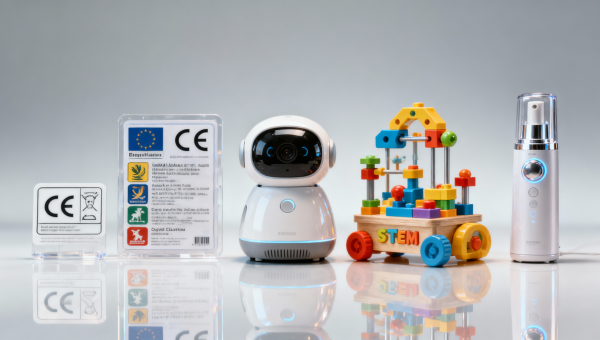
Ruino International unveiled its 2026 cross-border e-commerce full-chain promotion solution on May 21, 2026. The initiative targets beauty devices, STEM & educational toys, and smart pet devices — three export-oriented categories where regulatory compliance, cultural adaptation, and platform-specific visibility are critical. This development signals a shift toward standardized, AI-accelerated market entry support for brands expanding into the EU and Southeast Asia.
Event Overview
On May 21, 2026, Ruino International released an updated cross-border promotion framework. It integrates three core components: AI-powered multilingual independent website generation; managed advertising across Google Shopping and TikTok Shop; and localized social media KOC (Key Opinion Consumer) networks tailored for the EU and Southeast Asian markets. The solution includes pre-built, category-specific compliance copy libraries and cultural adaptation templates for beauty devices, STEM & educational toys, and smart pet devices. According to the announcement, the system reduces cold-start timelines for brand internationalization to 21 days.
Industries Affected
Beauty Device Exporters
Exporters of beauty devices face stringent regulatory requirements in the EU (e.g., CE marking, cosmetic product notification under CPNP) and varying consumer expectations across Southeast Asian markets. The inclusion of pre-validated compliance文案 and culturally adapted messaging directly addresses documentation bottlenecks and content localization delays — two common pain points during early-stage market entry.
STEM & Educational Toy Manufacturers
Manufacturers in this segment must navigate divergent safety standards (e.g., EN71 in the EU, Singapore’s SS 444, Thailand’s TISI), age-group labeling norms, and pedagogical framing preferences. The availability of ready-to-deploy regulatory copy templates and culturally resonant storytelling frameworks helps reduce time spent on legal review and creative adaptation — particularly for SMEs lacking in-house localization teams.
Smart Pet Device Brands
Brands selling connected pet hardware encounter fragmented data privacy rules (e.g., GDPR vs. Indonesia’s PDP Law), language-specific technical documentation needs, and regionally distinct pet-care narratives (e.g., pet-as-family-member emphasis in Thailand vs. functional utility focus in Germany). The solution’s localized KOC matrix and multilingual site generation aim to compress testing cycles for both compliance alignment and audience resonance.
What Relevant Enterprises or Practitioners Should Monitor and Act On
Track official rollout scope and regional coverage updates
The announcement confirms readiness for the EU and Southeast Asia, but does not specify which Southeast Asian countries are included in the initial KOC network or whether local payment gateway integrations (e.g., GrabPay, DANA, PromptPay) are supported. Enterprises should monitor Ruino’s official communications for country-level roll-out details before committing budget to pilot campaigns.
Validate template applicability against actual product classifications
The solution references pre-built compliance copy libraries for three categories. However, classification under EU regulations (e.g., whether a beauty device falls under medical devices or general cosmetics) or ASEAN product codes may vary case by case. Companies should conduct internal cross-checks between their product’s regulatory status and the scope covered by the templates — especially for borderline products like low-power laser skincare tools or Bluetooth-enabled pet collars with health monitoring features.
Distinguish between platform readiness and operational readiness
While managed advertising across Google Shopping and TikTok Shop is offered, the announcement does not clarify whether inventory synchronization, return logistics coordination, or local VAT/GST filing support are included. Brands should assess whether their current fulfillment, tax, and customer service infrastructure can operate effectively alongside the promoted digital acquisition channels — rather than assuming end-to-end operational enablement.
Prepare internal alignment on content governance and update cadence
The AI-driven multilingual site generation implies reliance on centralized source content. Enterprises should establish internal protocols for version control, translation memory updates, and approval workflows — particularly when marketing claims require legal sign-off (e.g., “FDA-cleared” vs. “FDA-registered”, “clinically tested” thresholds). Delayed internal reviews may offset time savings from automated site deployment.
Editorial Perspective / Industry Observation
Observably, this launch reflects a broader industry trend: the modular standardization of high-friction internationalization tasks — specifically compliance documentation, linguistic adaptation, and platform-specific campaign setup. Analysis shows that such frameworks do not eliminate regulatory due diligence but instead reposition it upstream, shifting emphasis from reactive correction to proactive template validation. From an industry perspective, the 21-day cold-start claim is best understood as a process acceleration metric — dependent on client-side inputs (e.g., accurate product categorization, timely asset delivery) rather than a guaranteed timeline. Current evidence suggests this is primarily a service architecture upgrade, not yet a de facto market standard; its real-world impact will depend on third-party adoption rates and verifiable performance benchmarks beyond the initial announcement.
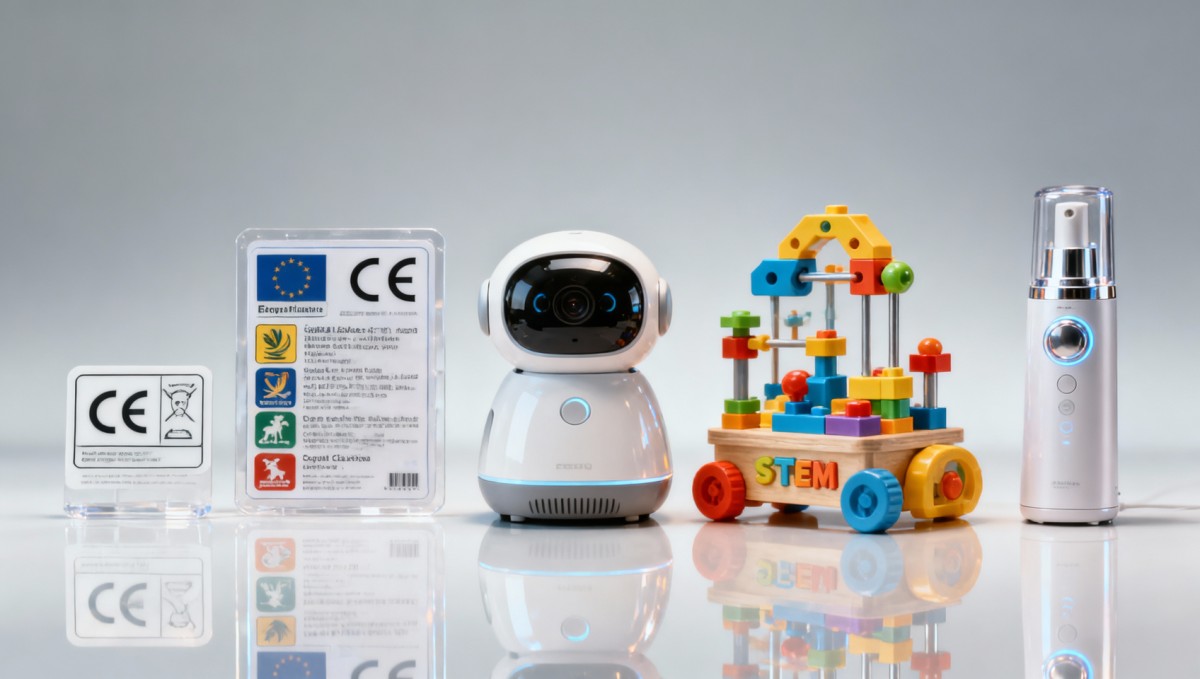
Conclusion: This initiative represents a structured response to recurring operational barriers faced by mid-market exporters in highly regulated, culturally diverse verticals. It is neither a regulatory shift nor a platform policy change — rather, it is a commercial offering designed to compress known implementation intervals. For affected enterprises, the most pragmatic interpretation is that it lowers the technical barrier to initiating EU/SEA market tests — but does not substitute for strategic market selection, regulatory scoping, or long-term channel diversification planning.
Source: Official announcement by Ruino International, dated May 21, 2026. No additional data sources were used. Ongoing observation is warranted regarding country-level KOC activation, template update frequency, and verified client implementation timelines — none of which are confirmed in the initial release.
Related Intelligence
 Skincare OEMAug 16, 2026Amazon Enforces AI Human Metadata Rule for Beauty and Personal Care SellersAmazon now enforces AI human metadata rules for beauty sellers. Learn how to protect listings, traffic, and compliance in skincare, cosmetics, and beauty devices.
 Beauty DevicesAug 15, 2026China to Roll Out Nationwide Cross-Border Cash Pooling for MultinationalsChina to roll out nationwide cross-border cash pooling for multinationals from Sept. 14. Discover how this policy could improve treasury efficiency, liquidity management, and China-linked supply chains.
 Beauty DevicesAug 14, 2026China Imposes Temporary Export Ban on Helium, Affecting Cooling Supply ChainsChina's temporary helium export ban may disrupt cooling supply chains for beauty RF devices and laser systems. Learn what ODMs, buyers, and procurement teams should check now.
![]() Cosmetics & PkgAug 13, 2026PPWR becomes mandatory: Beauty and personal care packaging materials usher in new EPR and PFAS compliance requirementsPPWR takes effect for cosmetics packaging in the EU, bringing EPR registration and PFAS limits. Learn what brands, importers, and suppliers must do now.
Cosmetics & PkgAug 13, 2026PPWR becomes mandatory: Beauty and personal care packaging materials usher in new EPR and PFAS compliance requirementsPPWR takes effect for cosmetics packaging in the EU, bringing EPR registration and PFAS limits. Learn what brands, importers, and suppliers must do now. Cosmetics & PkgAug 12, 2026EU PPWR Now Enforced for Beauty Packaging ComplianceEU PPWR now enforced for beauty packaging compliance: learn how EPR, ERN, heavy metals and PFAS rules affect EU exports, customs clearance and platform sales.
 Cosmetics & PkgAug 11, 2026EU PPWR Rules Take Effect on Aug. 12 for Beauty PackagingEU PPWR rules for beauty packaging take effect on Aug. 12, 2026. Learn key compliance steps, EPR, labeling, PFAS limits, and how to avoid customs delays and fines.
 Smart Pet DevicesAug 10, 2026EU EPR Rules to Cover Smart Pet Devices on Aug. 15EU EPR Rules will cover smart pet devices from Aug. 15, 2026. Learn how smart collars, feeders, and monitoring devices can avoid delisting, customs delays, and compliance risks in the EU.
 Infant Feeding & CareAug 09, 2026CPSC Recalls Baby Sleep Sacks Over Undeclared TDCPPCPSC Recalls Baby Sleep Sacks Over Undeclared TDCPP: learn how this 2026 recall impacts CPC documents, third-party testing, and U.S. baby product compliance for exporters.
 Infant Feeding & CareAug 08, 2026ECHA Adds 5 SVHCs, Importer Notices Due From Oct 2026ECHA adds 5 SVHCs to the Candidate List, with importer notices due from October 2026. Learn how REACH affects exporters, supply chains, and documentation readiness.
 Baby Gear & StrollersAug 07, 2026CPSC Revises Crib Rail Standard for November 2026CPSC revises crib rail standard for November 2026, adding dynamic impact tests and mandatory third-party lab testing. Learn how the new rule affects U.S. market access, compliance, and shipments.
 Electronic & RC ToysAug 06, 2026EU to Require EN IEC 62115:2025 for Electronic ToysEU to Require EN IEC 62115:2025 for Electronic Toys from Oct 1, 2026. Learn scope, battery and AI safety updates, CE compliance risks, and how exporters can avoid customs delays.
 Baby Gear & StrollersAug 05, 2026US Stroller Stability Rule Takes Effect Aug. 15US Stroller Stability Rule Takes Effect Aug. 15: learn how new U.S. stroller compliance, ASTM F833-26a, and CPSC testing rules may affect imports, certification, and shipment readiness.
 Infant Feeding & CareAug 04, 2026ECHA Adds 5 SVHCs, Triggering Baby Care Export ReviewECHA adds 5 SVHCs, prompting an urgent baby care export review for EU-bound products. Learn the 0.1% threshold risks, compliance steps, and how to avoid customs delays and fines.












