What Should Be Approved Before Placing a Custom Gift Order?
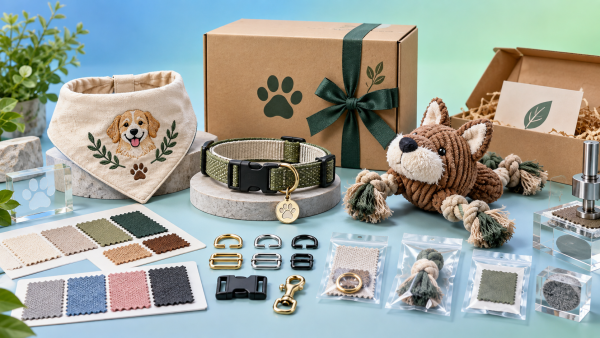
What should be approved before placing a custom gift order? For pet brands, retailers, and sourcing teams, the answer is broader than approving a logo or selecting a product style.
A reliable purchase decision requires documented approval of the product, artwork, materials, packaging, compliance evidence, commercial terms, production schedule, and shipping responsibilities before a factory starts mass production.
For custom pet gifts, missed approvals can create more than a late delivery. They can lead to unsafe materials, inaccurate branding, unusable packaging, customs complications, and inventory that retailers cannot confidently sell.
The practical goal is to turn every buyer expectation into a signed, traceable production requirement. A complete approval package protects the buyer, gives suppliers precise instructions, and reduces expensive ambiguity.
Approve the Final Product Specification Before Confirming the Order
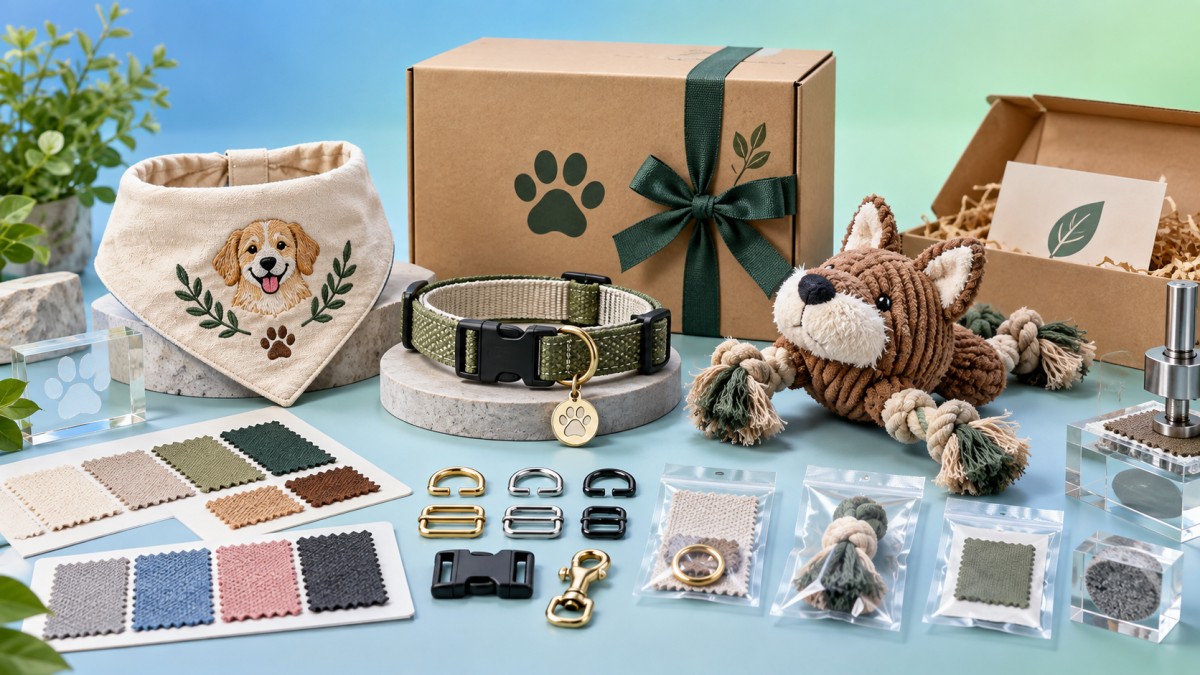
The product specification is the foundation of a custom gift order. It should describe exactly what the factory will produce, not simply reference a product photo or an earlier discussion.
For pet-related gifts, approve the product category, dimensions, weight, color range, construction method, intended pet size, and expected use case. These details affect material selection, pricing, testing, and production capacity.
Buyers should also define whether the item is decorative, interactive, consumable, wearable, or intended for supervised use. A personalized pet bandana requires different safety and durability considerations than a chew toy.
Include approved tolerances where relevant. For example, acceptable size variation, fabric weight range, embroidery placement, print alignment, and color consistency should be defined before samples move into bulk production.
For assortments, approve the SKU list and product hierarchy. Gift boxes, seasonal bundles, subscription kits, and retail display collections need a clear record of which components belong in each version.
Do not assume that a supplier’s standard version matches the approved custom version. Confirm every modification, including closures, attachments, stuffing, stitching density, accessory components, and surface finishes.
A detailed specification sheet makes supplier quotations comparable. It also prevents a factory from substituting a lower-cost component simply because the buyer did not identify the exact approved requirement.
When using an OEM or ODM supplier, specify ownership of custom molds, patterns, tooling, and design files. This is particularly important for original pet accessories, branded gift sets, and exclusive retail programs.
Sign Off on the Pre-Production Sample and Functional Performance
A product sample is the buyer’s strongest opportunity to identify quality issues before mass production. Approval should be based on the final intended configuration, not an early concept sample.
Request a pre-production sample after artwork, materials, accessories, and packaging details have been finalized. This sample should represent the actual factory, process, and components planned for the order.
For pet gifts, inspect visual quality and real-world function. Check whether collars adjust smoothly, toys retain their shape, dispensers operate correctly, and textiles maintain their appearance after reasonable handling.
Test the sample against the product’s intended customer experience. A premium gift should look finished, feel appropriate for its price point, and perform consistently when handled by pets and owners.
Evaluate stitching, seam strength, edge finishing, adhesive application, embroidery quality, print durability, and hardware attachment. Small weaknesses in a sample often become significant defects at production scale.
Where appropriate, conduct wash testing, rub testing, pull testing, drop testing, bite-resistance assessment, and repeated-use checks. The correct test depends on the product’s material, function, age grading, and target market.
Document approval with dated photos, comments, measurements, and an approved sample reference number. Keep one approved “golden sample” with the buyer and one with the factory.
If the sample is approved with changes, list those changes individually. A vague instruction such as “improve quality” is difficult to enforce and does not give production teams a measurable standard.
Confirm Artwork, Branding, and Customization Details
Artwork approval should cover more than the logo file. Buyers need to approve every visible branded element, including logo scale, placement, colors, fonts, product labels, hangtags, inserts, and gift messaging.
Provide vector artwork whenever possible, usually in AI, EPS, PDF, or SVG formats. Vector files help factories reproduce logos accurately for embroidery, screen printing, molded parts, woven labels, and packaging.
Confirm Pantone references or equivalent color standards for key brand colors. Screen colors can vary widely, and a visual reference alone is rarely sufficient for consistent production across materials.
For personalized pet gift programs, define how names, messages, initials, or customer-selected details will be submitted. The supplier needs clear data formatting rules and a process for handling spelling corrections.
Approve imprint areas and safe margins for all customization. A logo that appears centered on a digital proof may shift when applied to curved bowls, flexible fabric, plush products, or uneven surfaces.
Review all consumer-facing wording carefully. Product instructions, care information, warnings, and gift card copy must be accurate for the market where the items will be sold.
Ensure that the brand has legal rights to use all supplied artwork, characters, photographs, slogans, and licensed designs. Factories should not be asked to reproduce intellectual property without documented authorization.
A final artwork approval should be attached to the purchase order. This creates a direct link between the commercial order and the exact visual standard expected during inspection.
Approve Materials, Safety Requirements, and Compliance Evidence
Material approval is especially important in the pet economy because pets may chew, scratch, lick, carry, or sleep with the product. Material choices affect safety, durability, odor, and customer trust.
Buyers should approve the exact material composition, grade, finish, thickness, and supplier source where required. Descriptions such as “soft cotton” or “food-grade silicone” are not detailed enough for procurement control.
For pet toys and accessories, evaluate potential choking hazards, detachable parts, sharp edges, exposed filling, loose fibers, toxic dyes, and weak attachments. Risk assessment should reflect the intended pet type.
Confirm which regulations apply in the destination market. Requirements may involve chemical restrictions, labeling rules, packaging regulations, product safety standards, animal-contact materials, or children’s product rules for novelty gifts.
Depending on the product and market, buyers may need testing related to REACH, CPSIA, California Proposition 65, EN 71, FDA food-contact requirements, CE marking, or local consumer-product regulations.
Compliance cannot be assumed because a factory says it has sold similar goods previously. Request current test reports, declarations, certificates, and traceable evidence relevant to the specific product and material set.
Check the report scope carefully. A test report for one fabric, color, factory, or product version may not validate a revised item with different pigments, fillings, coatings, or metal hardware.
Agree on responsibility for testing costs, retesting, certificate updates, and corrective actions before production begins. This avoids disputes when a retailer requires additional documents shortly before shipment.
Sustainability claims also need approval and proof. If products are marketed as recycled, organic, biodegradable, or responsibly sourced, confirm the applicable standards and supporting supplier documentation.
Validate Packaging, Labeling, and Retail Readiness
Packaging approval determines how the custom gift survives transport and how it performs on a retail shelf or in an e-commerce fulfillment environment. It should be treated as part of the product.
Approve the packaging structure, dimensions, materials, print files, inserts, seals, barcodes, and outer-carton configuration. Packaging changes can affect freight volume, breakage rates, fulfillment speed, and retail compliance.
For giftable pet products, the unboxing experience should match the intended position in the market. Premium presentation may justify stronger boxes, branded tissue, care cards, or reusable storage features.
However, packaging should not add cost without commercial value. Buyers should compare the expected retail benefit against material expense, labor, shipping volume, and disposal expectations in the target market.
Confirm mandatory labeling before printing. This may include country of origin, importer details, material composition, warnings, age grading, care instructions, disposal information, product identifiers, and barcodes.
Retailers often have additional requirements for carton labels, pallet markings, barcode placement, assortment packs, and electronic data interchange. These requirements should be shared with the supplier before final packing approval.
For e-commerce programs, test whether the item can ship directly to consumers without excessive damage. A retail-ready box may still need protective mailer packaging or reinforced internal packing.
Approve a packaging sample or digital proof, then verify it during pre-shipment inspection. Wrong labels or incorrect barcode information can prevent inventory from being received into retail warehouses.
Lock Pricing, Minimum Order Quantities, and Payment Terms
Before placing a custom gift order, buyers should approve the complete landed-cost model rather than focusing only on the factory’s unit price. A low ex-works price can hide substantial downstream costs.
Confirm unit pricing by SKU, color, size, packaging version, and order quantity. Clarify whether customization, tooling, sample charges, testing, labels, cartons, and export documentation are included or billed separately.
Minimum order quantities should be approved at both product and color levels. A supplier may accept a total order quantity while requiring larger commitments for each fabric color or customized component.
Ask whether pricing is fixed for the order period or subject to material, currency, or freight adjustments. For long lead-time programs, price-validity language protects planning accuracy and margin expectations.
Payment terms should identify deposit amounts, balance timing, acceptable payment methods, and the condition for release of final payment. Tie payment milestones to measurable production or inspection events where possible.
Buyers should also agree on remedies for nonconforming goods. The purchase order can specify rework, replacement, credit, discount, claim procedures, and required response times for documented defects.
For new suppliers, assess financial and operational reliability before committing large deposits. Factory audits, trade references, production history, and communication responsiveness all contribute to supplier-risk evaluation.
A clear commercial approval process helps procurement teams compare suppliers fairly. It also gives brand leaders a realistic view of gross margin, working-capital needs, and inventory exposure.
Agree on Lead Times, Quality Control, and Shipping Responsibilities
Lead time approval should separate sampling, material sourcing, production, inspection, packing, booking, and transit. A single promised delivery date does not reveal where schedule risk may occur.
Ask the supplier to provide a production timeline with milestones. This gives buyers time to review samples, arrange testing, approve packaging, schedule inspections, and respond before delays affect launch dates.
Define what happens when approval is late or a buyer-requested change occurs. A realistic schedule should show which changes can be absorbed and which will require new samples or production adjustments.
Quality control requirements should be stated before the order is issued. Confirm inspection timing, sampling standard, acceptable quality level, critical-defect definition, and the authority to approve or reject shipment.
Third-party inspection can be valuable for large, first-time, or high-risk orders. Inspectors can verify quantity, appearance, functionality, labeling, packaging, and carton marks against the approved purchase-order requirements.
Shipping terms should clearly state the agreed Incoterm, named location, freight responsibility, insurance responsibility, export clearance responsibility, and transfer point for risk. Avoid relying on informal terminology.
Confirm the destination delivery requirement, whether it is EXW, FOB, CIF, DDP, or another agreed Incoterm. The correct choice depends on the buyer’s logistics capability, tax exposure, and control needs.
Before booking freight, approve carton dimensions, gross weights, palletization, and shipment readiness date. Accurate data allows buyers to plan container utilization, air-freight alternatives, warehouse capacity, and delivery appointments.
Create a Purchase Order Approval File That Both Sides Can Use
The final step is to assemble every approved requirement into one controlled purchase-order file. This should be the operational reference for the buyer, supplier, quality team, and logistics partners.
A strong approval file includes the purchase order, product specification, approved sample record, artwork files, packaging proof, compliance requirements, test documents, inspection criteria, payment terms, and delivery schedule.
Version control matters. Every revision should show a date, owner, and change summary. Conflicting files are a common cause of incorrect colors, outdated packaging, and supplier misunderstandings.
Assign one internal decision-maker who can provide final approval or escalate issues quickly. Fragmented buyer communication can cause a supplier to receive contradictory directions from design, marketing, and procurement teams.
For repeat orders, review the prior order’s quality claims, returns, delivery performance, and consumer feedback before simply reissuing the same specifications. Repeat production should improve based on real market data.
Custom gift sourcing is most successful when approvals are treated as commercial controls, not administrative paperwork. Each approval reduces uncertainty and gives the supplier a clearer standard to meet.
Conclusion: Approvals Protect the Product, Margin, and Brand
What should be approved before placing a custom gift order? At minimum, approve specifications, samples, artwork, materials, compliance, packaging, pricing, quality controls, lead times, and shipping terms.
For pet brands and retailers, this process protects more than a single purchase order. It helps prevent safety failures, inventory losses, launch delays, margin erosion, and brand damage in competitive consumer markets.
The most effective buyers convert assumptions into written approvals before production starts. Doing so creates a practical foundation for dependable OEM or ODM partnerships and more market-ready custom pet gift collections.
Related Intelligence
 Corporate & Seasonal GiftsSep 20, 2026What Should Be Approved Before Placing a Custom Gift Order?What should be approved before placing a custom gift order? Explore the essential checks for safe, compliant, retail-ready custom pet gifts.
 Corporate & Seasonal GiftsSep 20, 2026Which Custom Gift Materials Have the Lowest Defect Rates?Which custom gift materials have the lowest defect rate? Explore why silicone, stainless steel, polypropylene, and polyester help pet gift brands reduce rejects and improve quality.
 Skincare OEMAug 16, 2026Amazon Enforces AI Human Metadata Rule for Beauty and Personal Care SellersAmazon now enforces AI human metadata rules for beauty sellers. Learn how to protect listings, traffic, and compliance in skincare, cosmetics, and beauty devices.
 Beauty DevicesAug 15, 2026China to Roll Out Nationwide Cross-Border Cash Pooling for MultinationalsChina to roll out nationwide cross-border cash pooling for multinationals from Sept. 14. Discover how this policy could improve treasury efficiency, liquidity management, and China-linked supply chains.
 Beauty DevicesAug 14, 2026China Imposes Temporary Export Ban on Helium, Affecting Cooling Supply ChainsChina's temporary helium export ban may disrupt cooling supply chains for beauty RF devices and laser systems. Learn what ODMs, buyers, and procurement teams should check now.
![]() Cosmetics & PkgAug 13, 2026PPWR becomes mandatory: Beauty and personal care packaging materials usher in new EPR and PFAS compliance requirementsPPWR takes effect for cosmetics packaging in the EU, bringing EPR registration and PFAS limits. Learn what brands, importers, and suppliers must do now.
Cosmetics & PkgAug 13, 2026PPWR becomes mandatory: Beauty and personal care packaging materials usher in new EPR and PFAS compliance requirementsPPWR takes effect for cosmetics packaging in the EU, bringing EPR registration and PFAS limits. Learn what brands, importers, and suppliers must do now. Cosmetics & PkgAug 12, 2026EU PPWR Now Enforced for Beauty Packaging ComplianceEU PPWR now enforced for beauty packaging compliance: learn how EPR, ERN, heavy metals and PFAS rules affect EU exports, customs clearance and platform sales.
 Cosmetics & PkgAug 11, 2026EU PPWR Rules Take Effect on Aug. 12 for Beauty PackagingEU PPWR rules for beauty packaging take effect on Aug. 12, 2026. Learn key compliance steps, EPR, labeling, PFAS limits, and how to avoid customs delays and fines.
 Smart Pet DevicesAug 10, 2026EU EPR Rules to Cover Smart Pet Devices on Aug. 15EU EPR Rules will cover smart pet devices from Aug. 15, 2026. Learn how smart collars, feeders, and monitoring devices can avoid delisting, customs delays, and compliance risks in the EU.
 Infant Feeding & CareAug 09, 2026CPSC Recalls Baby Sleep Sacks Over Undeclared TDCPPCPSC Recalls Baby Sleep Sacks Over Undeclared TDCPP: learn how this 2026 recall impacts CPC documents, third-party testing, and U.S. baby product compliance for exporters.
 Infant Feeding & CareAug 08, 2026ECHA Adds 5 SVHCs, Importer Notices Due From Oct 2026ECHA adds 5 SVHCs to the Candidate List, with importer notices due from October 2026. Learn how REACH affects exporters, supply chains, and documentation readiness.
 Baby Gear & StrollersAug 07, 2026CPSC Revises Crib Rail Standard for November 2026CPSC revises crib rail standard for November 2026, adding dynamic impact tests and mandatory third-party lab testing. Learn how the new rule affects U.S. market access, compliance, and shipments.
 Electronic & RC ToysAug 06, 2026EU to Require EN IEC 62115:2025 for Electronic ToysEU to Require EN IEC 62115:2025 for Electronic Toys from Oct 1, 2026. Learn scope, battery and AI safety updates, CE compliance risks, and how exporters can avoid customs delays.