Product Testing Basics for Safer Toy Sourcing
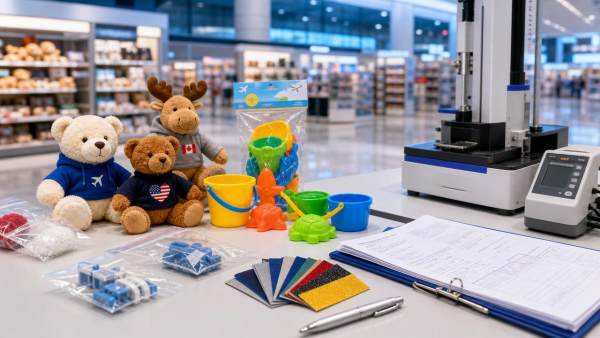
Why does product testing matter so much in toy sourcing for travel retail?
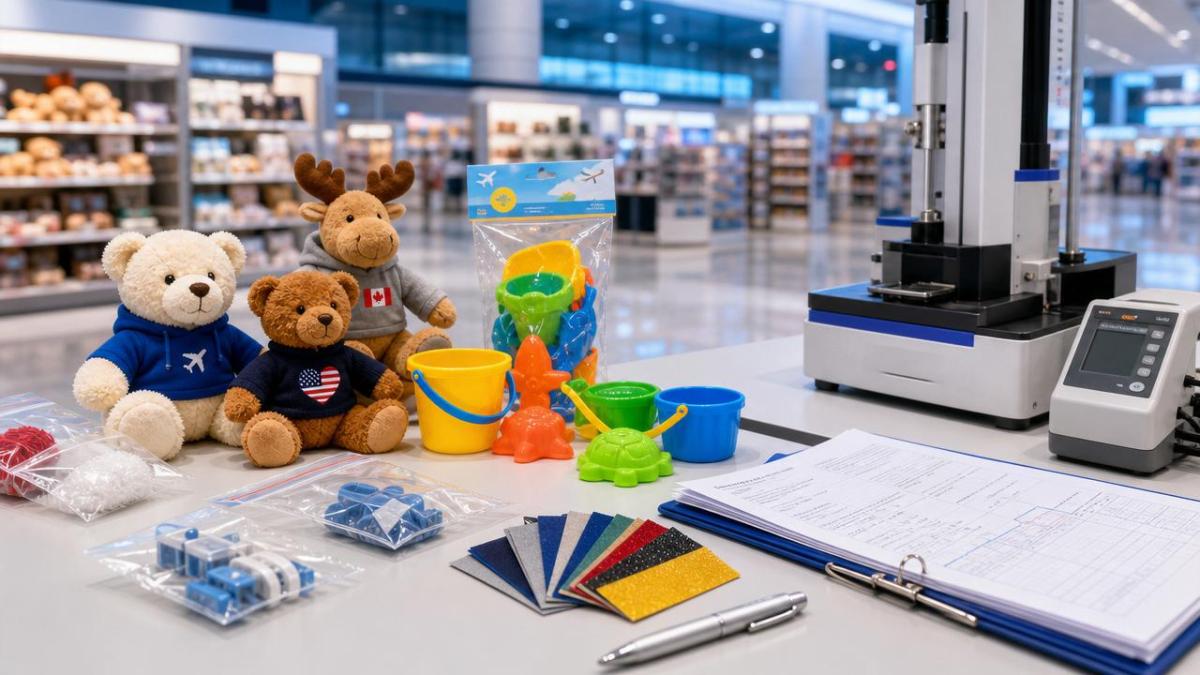
Toy sourcing for travel retail carries a different risk profile than general merchandise.
Products often move through airports, resorts, museums, cruise shops, and destination gift stores.
That means product testing is not only about passing a lab report.
It is about preventing safety incidents in environments where families expect convenience, trust, and immediate usability.
A toy sold at a holiday destination can trigger complaints faster than a standard store item.
Travelers may lack time for returns, and negative reviews spread quickly across booking and tourism platforms.
This is why product testing sits at the center of safer sourcing decisions.
In practical terms, testing supports compliance, lowers recall exposure, and strengthens retailer confidence.
It also helps align sourcing choices with destination-specific regulations and buyer expectations.
Industry platforms such as Global Consumer Sourcing often frame this well.
Reliable supply decisions now depend on verified safety data, certification readiness, and transparent factory control.
What does product testing actually cover for toys?
Many teams hear “product testing” and think only about final sample approval.
That is usually too narrow.
For toys, product testing usually covers chemical, mechanical, physical, flammability, and labeling checks.
The exact scope depends on age grading, materials, market destination, and product function.
A plush souvenir toy for a hotel gift shop will not be assessed like a battery-powered beach toy.
Still, some baseline concerns appear again and again:
- Small parts that may create choking hazards.
- Sharp edges or accessible points after drop or tension testing.
- Heavy metals, phthalates, or restricted chemicals in paints and plastics.
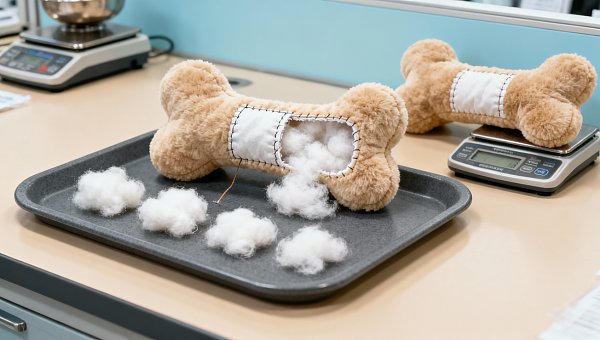
- Weak seams, loose trims, or stuffing exposure in textile toys.
- Missing warnings, wrong age labels, or incomplete traceability marks.
This is where early specification work matters.
If drawings, bill of materials, and packaging claims are unclear, product testing becomes reactive instead of preventive.
The better approach is to define testing around real use conditions.
Travel retail often means impulse buying, gifting, and use during transit.
That makes durability and warning visibility especially important.
Which standards should be checked before placing an order?
This question usually depends on where the toys will be sold, not just where they are made.
For global travel channels, one shipment may face several compliance frameworks.
Common reference points include ASTM F963, EN 71, CPSIA, CE-related obligations, and CPC documentation.
Some products may also need packaging or battery-related checks.
A useful way to judge testing needs is to match product design with destination risk.
In actual sourcing work, the mistake is often assuming one previous report covers all future orders.
If materials, colors, suppliers, or packaging change, product testing may need updating.
That is especially relevant for seasonal travel assortments and souvenir programs.
When is the right time to run product testing?
The short answer is earlier than many teams expect.
Leaving product testing until mass production is expensive and slow.
A failed test at that stage can disrupt launch dates, destination promotions, and contracted travel campaigns.
A more stable sequence usually looks like this:
- Review design risk before tooling or material approval.
- Screen critical materials before bulk commitment.
- Test pre-production samples against target markets.
- Verify production consistency with inspection and document review.
- Retest when a component, supplier, or labeling element changes.
This timing matters even more in tourism-linked retail calendars.
Airport campaigns, resort openings, and peak holiday routes leave little room for late corrections.
Good product testing therefore acts as a scheduling tool as well as a safety tool.
It helps teams decide whether a launch is truly ready, not just visually approved.
What are the most common product testing mistakes in toy programs?
Most failures are not caused by the lab.
They begin with unclear assumptions upstream.
One common mistake is relying on a factory’s old report without checking version, scope, or sample match.
Another is testing only the product body while ignoring packaging, accessories, or instructions.
Travel retail items often include hangtags, gift boxes, mini attachments, or multi-language inserts.
Each of these can affect compliance.
Other frequent issues include:
- Approving a golden sample that does not match production materials.
- Skipping foreseeable abuse considerations for children in transit.
- Misreading age grading to avoid stricter testing.
- Treating certification as a one-time paperwork exercise.
A safer habit is to connect product testing with change control.
If the zipper, coating, stuffing, ink, or battery source changes, reassess the risk.
That may sound strict, but it usually saves time later.
The strongest sourcing programs do not separate compliance from commercial planning.
They treat product testing as part of supplier qualification and line-building discipline.
How can product testing support faster, smarter sourcing decisions?
Well-structured product testing does more than reduce incidents.
It improves decision quality across the whole sourcing cycle.
When testing data is organized early, teams can compare factories on evidence, not promises.
That is particularly useful in gifts and toys categories with short lead times and frequent design refreshes.
Platforms that analyze supply chains, including GCS, often emphasize this link between compliance intelligence and commercial resilience.
A practical decision framework usually includes four checks:
- Does the supplier understand the target standard set?
- Can the material declarations support the test plan?
- Is the sample tested truly representative of production?
- Are corrective actions realistic within the launch calendar?
If those answers are weak, the sourcing risk is usually higher than the quoted savings suggest.
If they are strong, product testing becomes a confidence tool.
It supports safer assortment expansion into high-traffic tourism channels and cross-border retail programs.
The next sensible step is to map testing needs by destination market, product type, and material profile.
Then build a review routine covering samples, documents, and post-change verification.
That approach keeps product testing practical, repeatable, and aligned with safer toy sourcing.
Related Intelligence
 Infant Feeding & CareOct 24, 2026FDA Issues Draft Guidance on Cadmium Action Levels in Baby FoodsFDA draft guidance on cadmium action levels in baby foods proposes category-specific targets. Explore potential impacts on sourcing, testing and compliance planning—and how to prepare.
 STEM & Educational ToysOct 23, 20262026 China Toy Expo Gives AI Toys a Dedicated Hall as Practical Features Take Priority2026 China Toy Expo spotlights AI toys with a dedicated hall. Explore how practical features and everyday play experiences are reshaping manufacturers’ product priorities.
 STEM & Educational ToysOct 22, 2026Blokees Showcases Over 900 Products at the 2026 China International Toy FairBlokees showcases over 900 products at the 2026 China International Toy Fair. Explore Model Kits, BLOKEES WHEELS and key sourcing checks to guide your next purchase.
 Cosmetics & PkgOct 21, 2026BASF Plans Beauty Innovation Showcase at in-cosmetics Asia 2026Explore BASF’s planned beauty innovations at in-cosmetics Asia 2026 in Bangkok, with a focus on skin protection, repair and sustainable solutions for personal care formulators.
 Cosmetics & PkgOct 20, 2026Beauty Tops Amazon’s 2026 Prime Big Deal Days Shopping CategoriesBeauty tops Amazon’s 2026 Prime Big Deal Days at 32% of shoppers, according to Market Defense. Explore what the findings could mean for product selection, inventory and promotional planning.
 Pet Grooming & TravelOct 14, 2026Which Pet Grooming Tools Have the Lowest Return Risk?Which pet grooming tools have the lowest return risk? Explore manual combs, rubber brushes, and sourcing tips to reduce avoidable returns and build a smarter, customer-friendly assortment.
 Pet Grooming & TravelOct 14, 2026How Should Buyers Assess a Pet Grooming Supplier Before Ordering?How do I assess a pet grooming supplier before ordering? Discover practical checks for quality, compliance, capacity, and contracts to reduce sourcing risks and buy with confidence.
 Corporate & Seasonal GiftsOct 14, 2026How Can Retailers Check Plush Toy Stuffing Quality?How do retailers check plush toy stuffing quality? Discover practical inspections, supplier checks, and testing tips to reduce defects and make smarter pet toy sourcing decisions.
 Corporate & Seasonal GiftsOct 14, 2026Are Embroidered Eyes Safer Than Plastic Eyes on Plush Toys?Are plush toys with embroidered eyes safer than plastic eyes? Discover key pet-toy risks, quality checks, and sourcing tips to make smarter buying decisions.
 Infant Feeding & CareOct 14, 2026What Documents Are Required to Import Baby Formula?What import documents are needed for baby formula? Explore shipment paperwork, health certificates, and market-specific requirements to avoid costly delays and prepare for compliant imports.
 Infant Feeding & CareOct 14, 2026Which Baby Formula Packaging Formats Reduce Shipping Damage?Which baby formula packaging formats reduce shipping damage? Compare metal cans, rigid tubs, and supported pouches to choose better protection and reduce costly transit losses.
 Baby Gear & StrollersOct 14, 2026How Long Does Custom Diaper Bag Production Usually Take?How long does custom diaper bag production usually take? Plan for 30–60 days after sample approval. Discover key lead-time factors and practical tips to avoid delays and launch on schedule.
 Baby Gear & StrollersOct 14, 2026Which Diaper Bag Features Justify a Higher Wholesale Price?What diaper bag features justify a higher wholesale price? Discover durability, comfort, and easy-clean upgrades worth paying for—and source smarter with practical buyer tips.