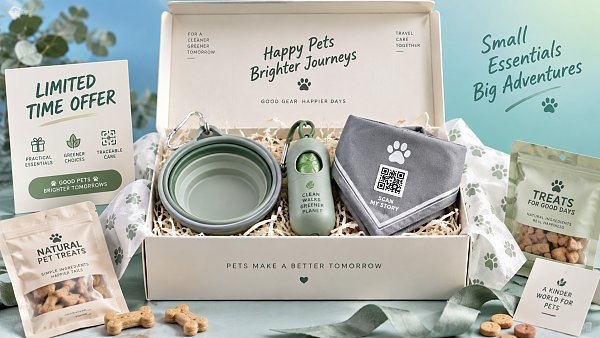
How to Evaluate an International Sourcing Platform for Travel Gear Suppliers

How to Evaluate an International Sourcing Platform for Travel Gear Suppliers
Choosing the right international sourcing platform can determine whether travel gear suppliers deliver quality, compliance, and long-term value. For business evaluators in the travel services sector, the challenge is not just finding suppliers, but identifying platforms that offer verified data, certification transparency, and reliable market insight. This guide outlines the key criteria to help you assess sourcing platforms with confidence and make smarter, lower-risk procurement decisions.
If you are reviewing an international sourcing platform for luggage, organizers, travel accessories, outdoor-ready carry items, or adjacent gear, the real question is simple: does this platform help you make a sound supplier decision, or does it just give you a prettier list of factories?
That distinction matters. Travel gear sits in an awkward middle ground. It is style-sensitive, margin-sensitive, and often compliance-sensitive at the same time. A backpack with USB features, a travel bottle set, a child travel accessory, or a product sold into the EU and US can trigger very different documentation needs. So when business evaluators compare platforms, the best checklist is not about interface polish. It is about decision quality.
Start with supplier verification depth, not supplier count
Large directories are easy to build. Reliable verification is harder.
When an international sourcing platform promotes a high number of suppliers, check what “verified” actually means. In practice, evaluators should look for evidence that the platform distinguishes between a trading company, an OEM factory, an ODM partner, and a multi-site manufacturing group. That sounds basic, but it is where many sourcing mistakes start. A platform that lumps these together forces your team to do the sorting work later, usually after sample delays and inconsistent quotes.
- Does the platform show legal entity details or just a storefront profile?
- Can you tell whether the supplier owns production lines or subcontracts key processes?
- Are audit dates shown, and are they recent enough to matter?
- Does it separate manufacturing capability from trading capability?
If the platform cannot answer those points clearly, treat every shortlist as provisional.
For travel gear, this is especially important when products involve molded parts, zippers, wheels, telescopic handles, coated fabrics, or battery-related features. The factory that cuts and sews may not be the one producing the parts that cause returns.

Check how the platform handles compliance visibility
This is where serious platforms separate themselves from lead-generation marketplaces.
Travel gear buyers often need to screen for product safety, labeling, chemical restrictions, or market-entry documentation before they ever request a sample. The platform should help you see that early. Not solve it completely, because no platform can replace final legal review, but surface the right signals.
Useful indicators include declared test capability, certification records, materials traceability, and clear references to standards relevant to the product category. Depending on the item, that may involve CE for certain applicable products, FDA relevance for specific material-contact products, or CPC for children’s products sold into the US where required. Those requirements are product-specific, so any platform that implies one certificate covers all travel gear should be treated cautiously.
A better platform will also make it easier to ask the next question: is this certificate tied to the exact product, material, or production batch you plan to buy, or is it just a general file uploaded to a profile?
Look at data freshness before trusting trend or pricing insight
A sourcing platform is not just a contact database. It is also a decision environment. If it shows cost movement, category trends, material shifts, export activity, or supplier performance signals, ask how current that information is.
In travel gear, timing affects almost everything. Demand swings with holiday travel, outdoor seasonality, gifting cycles, and airline baggage behavior. A platform using stale market inputs can push buyers toward the wrong suppliers: too capacity-heavy, too fashion-led, or unable to support repeat orders after a launch window.
Ask bluntly: when was this supplier profile last updated, when was this category analysis published, and where did the benchmark data come from? If the answers stay vague, discount the insights.
See whether the platform supports category-specific filtering
Travel gear is too broad for generic filters like “bags” or “accessories.” Evaluators need to narrow by actual sourcing variables: hard-shell versus soft goods, recycled fabric capability, zipper grade, luggage wheel sourcing, insulated travel products, foldable construction, child-use considerations, and packaging format for e-commerce fulfillment.
If the platform only lets you search by headline product names, your team will spend too much time manually screening suppliers who are technically in the category but commercially wrong for the brief.
This is one area where a specialist intelligence platform can outperform a giant marketplace. A narrower database with better category logic is often more useful than a larger one with shallow tags.
Pressure-test communication quality early
The platform itself may look efficient, but the supplier communication layer is what you will actually live with.
Before you commit to any international sourcing platform, run a controlled inquiry with a realistic travel gear brief. Include target market, expected order size, material preference, compliance documents needed, and packaging requirements. Then score response quality, not just response speed.
- Did the supplier answer the actual spec questions?
- Did they request missing technical details in a sensible way?
- Did they overpromise on MOQ, lead time, or certification?
- Could the platform preserve the communication record for internal evaluation?
Travel products with customization needs can fall apart fast when quoting is handled by sales teams with little factory access. A weak reply at this stage usually becomes a bigger problem later.
Do not ignore MOQ, tooling, and repeat-order realities
Many evaluators focus on the first order and underweight the second and third. That is a mistake, especially in travel-related categories where sellers often test seasonal bundles, promotional kits, or influencer-led launches before scaling.
The platform should help you identify whether suppliers are set up for pilot runs, private-label adjustments, packaging revisions, and repeat production consistency. If a supplier only looks attractive at high volume, but your commercial model needs smaller replenishment cycles, the platform should make that mismatch visible.
Watch for hidden cost zones: mold changes, logo application methods, fabric color development, carton customization, barcode labeling, and drop-test requirements for luggage-related items. Not every platform will show that detail upfront, but a good one makes it easier to surface during evaluation.
Check geographic fit, not just global reach
“International” is not automatically helpful.
Some platforms cover many countries but offer little context on regional strengths. For travel gear, country mix matters because material ecosystems, hardware supply chains, labor specialization, and export experience differ by region. A platform that understands those differences can guide a better shortlist. One that does not will leave your team comparing suppliers that were never truly comparable.
You do not need a geopolitical essay. You need practical visibility: where the supplier ships most often, whether they support your destination market documentation, and whether their production setup aligns with your freight, duty, and lead-time model. Anything beyond that is secondary.
Assess whether the platform adds judgment, not just access
This is where platforms like Global Consumer Sourcing are trying to move the market forward. The useful shift is away from passive listings and toward editorially filtered intelligence: category analysis, compliance-aware sourcing signals, and expert-curated context that helps buyers avoid obvious missteps before they enter formal supplier review.
For business evaluators, that matters because time lost in bad shortlisting is expensive. A platform built around verified analysis, expert review, and sector-specific sourcing knowledge is usually more valuable than one built around supplier advertising volume.
Still, keep your standards high. Editorial authority is useful only if it stays tied to source transparency, recent market evidence, and a clear distinction between insight and promotion.
A practical shortlist test
If you need a fast internal method, use this: ask each platform to help you identify three travel gear suppliers for the same brief. Then compare how much decision-ready information you get without chasing basic facts manually.
- Can you see who is factory-direct?
- Can you see which claims still need document review?
- Can you separate trend-fit suppliers from commodity suppliers?
- Can you explain to procurement, compliance, and commercial teams why these three made the cut?
That last point is the one people forget. A good international sourcing platform should not just help one buyer feel informed. It should help your organization defend the decision.
In the end, the strongest platforms do three things well: they reduce noise, expose risk early, and make supplier comparison more honest. If a platform cannot do that for travel gear suppliers, it is a discovery tool at best, not a decision tool. For evaluators responsible for cost, compliance, and continuity, that is the line worth drawing.
Related Intelligence
 STEM & Educational ToysOct 22, 2026Blokees Showcases Over 900 Products at the 2026 China International Toy FairBlokees showcases over 900 products at the 2026 China International Toy Fair. Explore Model Kits, BLOKEES WHEELS and key sourcing checks to guide your next purchase.
 Cosmetics & PkgOct 21, 2026BASF Plans Beauty Innovation Showcase at in-cosmetics Asia 2026Explore BASF’s planned beauty innovations at in-cosmetics Asia 2026 in Bangkok, with a focus on skin protection, repair and sustainable solutions for personal care formulators.
 Cosmetics & PkgOct 20, 2026Beauty Tops Amazon’s 2026 Prime Big Deal Days Shopping CategoriesBeauty tops Amazon’s 2026 Prime Big Deal Days at 32% of shoppers, according to Market Defense. Explore what the findings could mean for product selection, inventory and promotional planning.
 Infant Feeding & CareOct 14, 2026What Documents Are Required to Import Baby Formula?What import documents are needed for baby formula? Explore shipment paperwork, health certificates, and market-specific requirements to avoid costly delays and prepare for compliant imports.
 Infant Feeding & CareOct 14, 2026Which Baby Formula Packaging Formats Reduce Shipping Damage?Which baby formula packaging formats reduce shipping damage? Compare metal cans, rigid tubs, and supported pouches to choose better protection and reduce costly transit losses.
 Baby Gear & StrollersOct 14, 2026How Long Does Custom Diaper Bag Production Usually Take?How long does custom diaper bag production usually take? Plan for 30–60 days after sample approval. Discover key lead-time factors and practical tips to avoid delays and launch on schedule.
 Baby Gear & StrollersOct 14, 2026Which Diaper Bag Features Justify a Higher Wholesale Price?What diaper bag features justify a higher wholesale price? Discover durability, comfort, and easy-clean upgrades worth paying for—and source smarter with practical buyer tips.
 Infant Feeding & CareOct 14, 2026How Can Retailers Prevent Baby Clothing Color Bleeding Claims?How can retailers avoid color bleeding claims on baby clothing? Discover testing, supplier controls, and care-label strategies to reduce returns and protect customer trust.
 Infant Feeding & CareOct 14, 2026Which Baby Clothing Materials Are Easier to Source Compliantly?What materials make baby clothing easier to source compliantly? Compare cotton, blends, and certified options, with practical supplier checks to reduce risk and make smarter sourcing decisions.
 Baby Gear & StrollersOct 14, 2026Are Baby Carrier Buckle Failures a Common Reason for Returns?Are baby carrier buckle failures a common return issue? Explore defects, usability complaints, and safety checks to make informed sourcing decisions before your next order.
 Baby Gear & StrollersOct 14, 2026How Do You Compare Baby Carrier Suppliers on Safety and Cost?How do I compare baby carrier suppliers on safety and cost? Learn to verify safety evidence, assess factory controls, and compare total landed costs to make a confident sourcing decision.
 STEM & Educational ToysSep 20, 2026How Do I Verify Age Grading for Educational Toys?How do I verify educational toy age grading? Learn how to assess safety risks, test reports, packaging, and market compliance before buying or selling.
 Corporate & Seasonal GiftsSep 20, 2026Are Promotional Items Worth Ordering for Short Campaigns?Are promotional items worth ordering for short campaigns? Learn how pet brands can choose useful, compliant giveaways that drive measurable engagement, sales, and loyalty.