Are Promotional Items Worth Ordering for Short Campaigns?
Are promotional items worth ordering for short campaigns? For pet brands, retailers, and sourcing teams, they can be worthwhile when relevance, timing, and measurement are planned before purchasing.
A short campaign does not need a large giveaway budget to create impact. It needs a product that pet owners will use, remember, and connect with a timely offer.
For B2B decision-makers, the central question is not whether promotional merchandise is inexpensive. It is whether the item produces measurable engagement without causing inventory, compliance, or logistics problems.
Start With the Campaign Outcome, Not the Product
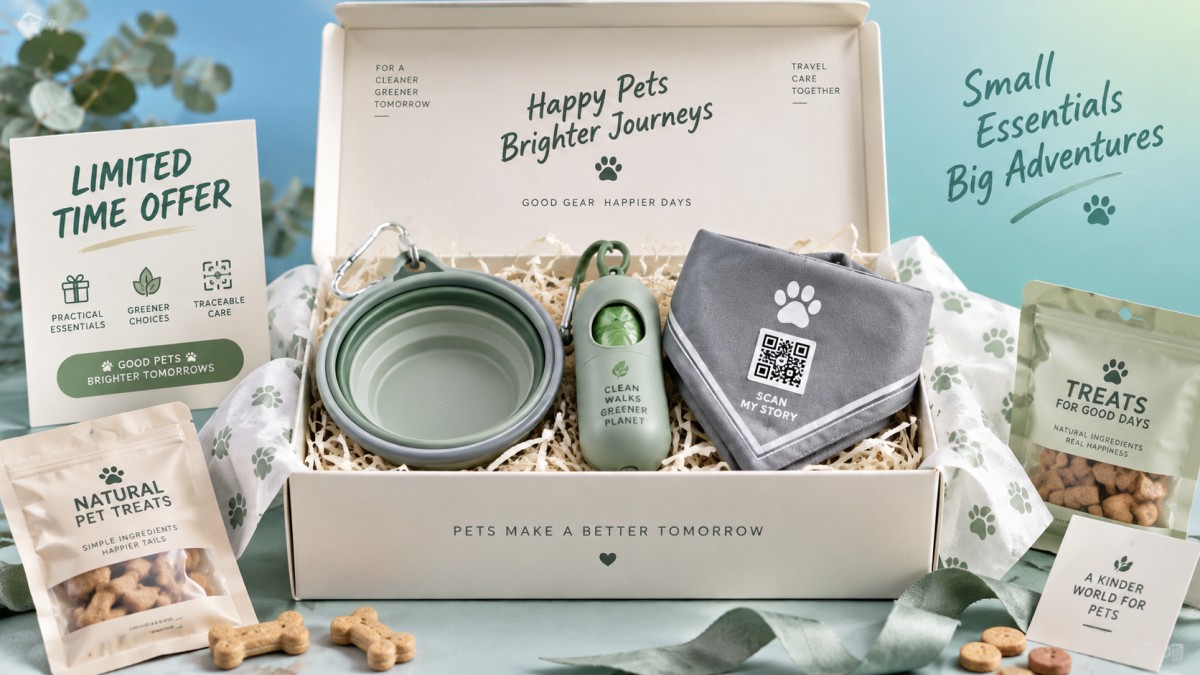
Short campaigns succeed when promotional items support a specific commercial outcome, such as trial purchases, event traffic, customer retention, social sharing, or retailer relationship development.
Before selecting a pet promotional product, define one primary goal. A campaign trying to generate sales, collect leads, reward loyalty, and build awareness simultaneously becomes difficult to evaluate.
For a new pet food launch, a useful item may encourage sampling or repeat purchase. For a store opening, it may attract local visitors and create immediate brand recognition.
For trade exhibitions, promotional products should help sales teams begin conversations with qualified buyers. Generic giveaways may increase booth traffic, but they rarely identify purchasing intent.
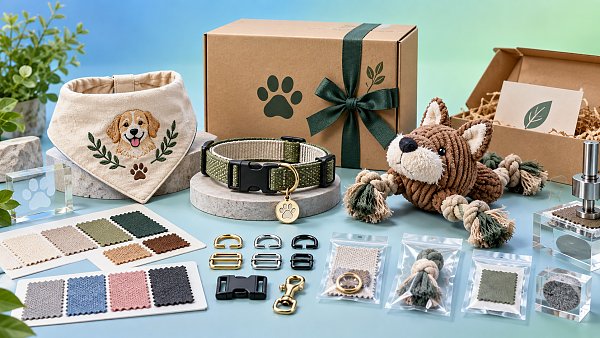
Brands running seasonal promotions can use practical products to reinforce urgency. Cooling bandanas suit summer campaigns, while reflective accessories can support autumn and winter safety messaging.
The strongest promotional items connect directly to the campaign theme. A pet waste-bag dispenser complements a dog-walking campaign more naturally than an unrelated novelty item.
Buyers should also define the target recipient precisely. A practical gift for dog owners may not appeal to cat households, groomers, veterinary practices, or independent pet retailers.
Once the objective, audience, and desired action are clear, sourcing teams can assess whether ordering promotional merchandise is justified for the campaign timeline and budget.
When Short-Term Pet Promotional Items Deliver Real Value
Promotional items work best for short campaigns when the recipient has a reason to keep or use them. Repeated use creates more value than a single moment of exposure.
Pet products have an advantage because many daily routines create natural opportunities for brand visibility. Walks, feeding, travel, grooming, and training all involve useful accessories.
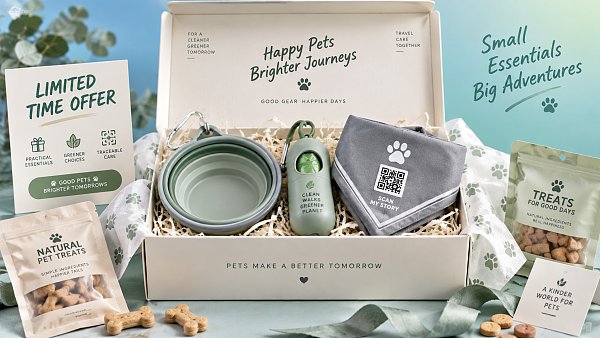
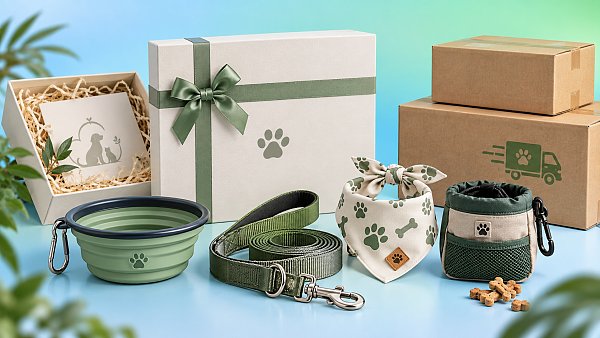
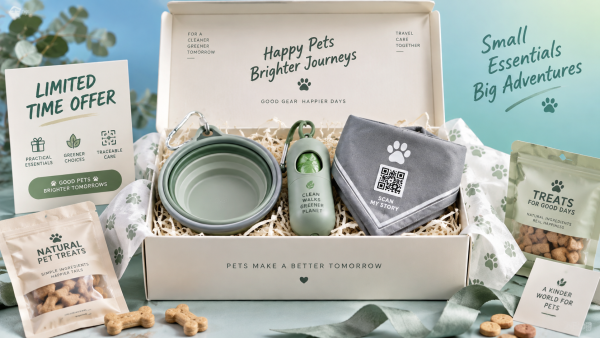
Low-cost, functional items often outperform elaborate gifts in short campaigns. Collapsible bowls, treat pouches, reusable lint rollers, and waste-bag holders can remain visible after the promotion ends.
For retailers, small branded accessories can help increase basket value when attached to a spending threshold. This approach protects margin better than applying a broad discount.
For D2C pet brands, a free item can make a first order feel more complete. It may also reduce hesitation when a customer is trying an unfamiliar product category.
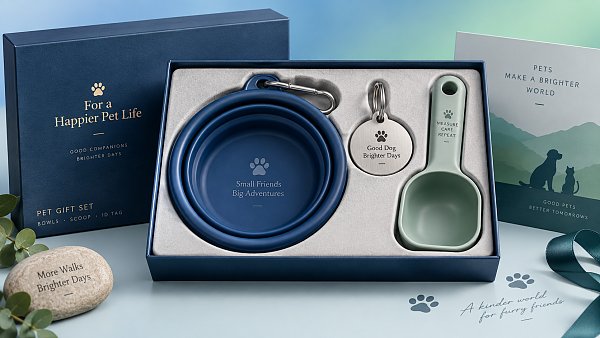
For wholesale suppliers, promotional packs can support account acquisition. Retail buyers may respond more positively when a launch kit includes display-ready gifts, sampling materials, and promotional guidance.
Short campaigns can also benefit from perceived scarcity. A limited-edition pet toy or seasonal bandana may create urgency, provided the design remains aligned with the brand’s positioning.
However, promotional merchandise is less valuable when it lacks a clear distribution channel. Ordering products before confirming event attendance, order volume, or retail participation creates avoidable risk.
Calculate Cost Per Meaningful Action, Not Cost Per Unit
A low unit price can be misleading. The true campaign cost includes product development, decoration, sampling, packaging, freight, customs, storage, fulfillment, and waste from unsold stock.
Decision-makers should compare those costs against the action they want to influence. For example, calculate cost per redeemed offer, qualified lead, repeat order, or new retailer conversation.
A $1.20 giveaway may appear efficient until shipping and handling add another $0.80. A $2.50 item with stronger retention may ultimately generate better value.
Promotional items are especially useful when they support a higher-margin product line. A practical accessory can be justified when it helps convert customers into repeat purchasers.
Estimate the campaign’s break-even point before placing an order. Divide the total promotional investment by the gross profit from each incremental sale required to recover the expense.
For example, a $6,000 campaign investment requires 600 incremental purchases if each converted customer contributes $10 in gross profit. This makes performance expectations concrete.
Do not assume every recipient creates a sale. Build a conservative response-rate model using expected distribution volume, redemption rate, conversion rate, and projected repeat purchase behavior.
A pilot order can reduce uncertainty. Testing several hundred units through one retailer, event, or digital campaign often provides more useful data than committing to a large speculative quantity.
Lead Times Can Make or Break a Short Campaign
For short campaigns, timing is often more important than product variety. An ideal item arriving after a seasonal event, product launch, or retailer activation has limited commercial value.
Lead times vary widely based on item complexity, customization method, material availability, order quantity, packaging, quality inspection, and shipping route. Buyers should request realistic production schedules early.
Stock items with simple printing can sometimes move quickly, but availability changes daily. Custom molded products, specialty fabrics, or complex gift sets usually require longer planning windows.
Ask suppliers to separate artwork approval, sample production, bulk manufacturing, inspection, and transit time. A single total estimate can hide delays that affect campaign readiness.
Short campaigns need contingency planning. Consider whether an alternate color, simpler print method, local warehouse option, or faster shipping service can protect the launch date.
Air freight may solve a timing problem, but it can destroy the campaign economics. Compare expedited logistics costs against the expected revenue from maintaining the original activation schedule.
Regional fulfillment can be valuable for global pet brands. Holding a small quantity closer to key markets may reduce delivery risk for retailer events and influencer campaigns.
Procurement teams should set a final “go or no-go” date. If approved samples, production confirmation, or shipping milestones are missed, switch to a simpler backup product.
Choose Products That Fit Pet Owners and Brand Positioning
Product relevance is the main reason pet promotional items are remembered. The best choice solves a small, recognizable problem in a pet owner’s everyday routine.
Dog-focused campaigns may use travel bowls, treat containers, paw-cleaning towels, reflective tags, portable water bottles, or waste-bag dispensers. Utility should guide selection before novelty.
Cat-related campaigns can use feeding mats, grooming mitts, toy wands, storage pouches, or reusable hair-removal tools. These products should feel appropriate for indoor pet care habits.
For premium brands, avoid products that feel disposable or poorly finished. A modest but durable accessory usually supports a stronger perception than a larger item with weak materials.
Sustainability claims also need scrutiny. Recycled materials, reusable formats, and reduced packaging may be relevant, but suppliers should provide credible documentation rather than vague environmental language.
Branding should support usability. A large logo may make an accessory feel less desirable, while subtle placement can preserve the item’s practical appeal and still create recurring exposure.
Consider the recipient’s lifestyle and local market. Large water bowls may suit outdoor events, while compact accessories are easier to distribute through e-commerce parcels or busy retail locations.
Do not overlook packaging. Clear instructions, a campaign code, and appropriate language localization can turn a simple item into a more effective conversion tool.
Compliance and Safety Matter Even for Giveaways
Promotional pet products may appear low risk, but they can create serious problems if materials, labeling, or claims are unsuitable for the markets where they are distributed.
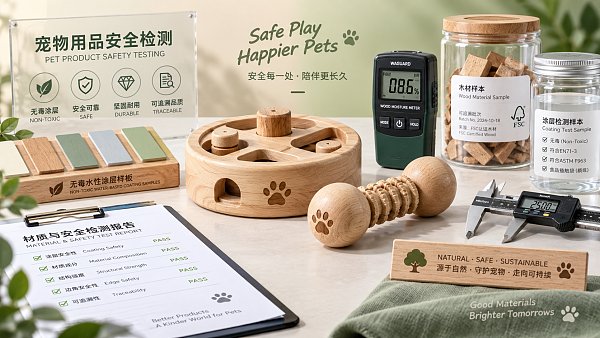
Items intended for pet contact should be assessed for material safety, durability, sharp edges, small detachable components, chemical restrictions, and foreseeable misuse by animals or children.
Different markets may apply different requirements for consumer products, packaging, product labeling, and chemical compliance. Buyers should verify applicable rules before finalizing a design or shipment.
A pet toy is not automatically exempt from scrutiny because it is free. If it can be chewed, swallowed, or handled by children, quality and safety controls matter greatly.
Request supplier documentation relevant to the item and destination market. Depending on the product, this may include material declarations, test reports, factory audits, and traceability records.
Claims require equal attention. Do not label an item “non-toxic,” “eco-friendly,” “antibacterial,” or “safe for all pets” unless the evidence supports that specific statement.
For branded food-contact items such as bowls or portable water containers, confirm that relevant food-contact requirements are addressed. Material suitability should not be assumed from a supplier photograph.
Compliance planning is not bureaucracy for its own sake. It protects customers, retailers, and brand reputation, particularly when a campaign reaches multiple markets quickly.
Distribution Determines Whether Inventory Becomes an Asset or Waste
Promotional products should be ordered only after the distribution plan is credible. The campaign needs a defined route from warehouse to the intended pet owner, buyer, or retail partner.
At retail, staff should understand who receives the item and under what conditions. Clear thresholds prevent random giveaways that consume inventory without supporting campaign goals.
For e-commerce, promotional products can be triggered by first orders, subscriptions, specific product bundles, or minimum cart values. Rules should be visible before checkout to avoid confusion.
Event distribution needs volume estimates based on realistic attendance and audience qualification. Ordering for every expected visitor may be unnecessary when only a subset matches the brand’s target customer.
Influencer seeding can work well for visually appealing, useful products. However, the item should be paired with a clear brief, campaign timing, and disclosure requirements where applicable.
Retailers may prefer compact promotional materials that do not require extra fixtures or staff training. Packaging dimensions and display convenience can influence whether a partner participates actively.
Track allocation by channel, region, retailer, and campaign date. This information helps teams identify where products generated engagement and where distribution failed to reach the intended audience.
At the campaign’s close, count remaining units immediately. A post-campaign plan for reuse, future events, retailer incentives, or responsible donation reduces unnecessary write-offs.
How to Measure Results From a Short Promotional Campaign
Promotional items should have a measurement mechanism whenever possible. A unique code, QR destination, landing page, bundle offer, or retailer identifier can connect distribution with outcomes.
For brand awareness campaigns, measure signals such as scan rates, email signups, social mentions, product page visits, and post-event survey responses rather than relying on anecdotal feedback.
For conversion campaigns, compare redemption and repeat-order behavior between recipients and similar customers who did not receive the promotional item. This creates a more useful performance view.
Retail activations should monitor incremental sales during the campaign, average order value, attachment rate, and retailer feedback. A gift that increases store traffic but lowers profitability needs reconsideration.
For B2B events, track qualified meetings, sample requests, follow-up response rates, quotation requests, and accounts progressing toward a first order. Booth visitors alone are not enough.
Capture qualitative insight as well. Comments about product usefulness, durability, design, packaging, or pet suitability can guide the next sourcing cycle and improve future promotional choices.
Review results quickly while the campaign is still recent. Teams should identify which audience, channel, offer, and product combination produced the strongest commercial response.
A successful short campaign creates reusable learning. Even when the immediate sales lift is modest, reliable data can improve product selection, inventory planning, and customer engagement strategy.
When You Should Skip Promotional Merchandise
Promotional items are not automatically the best answer for a short campaign. They should be avoided when deadlines are uncertain, distribution is vague, or campaign economics are weak.
Skip a physical giveaway when the product cannot arrive with adequate safety checks. A rushed item with poor quality creates more reputational risk than marketing value.
Digital incentives may be more suitable when the objective is immediate conversion. Free shipping, loyalty points, targeted bundles, or subscription discounts can be easier to deploy and measure.
Brands should also avoid items that do not match their sustainability commitments. Excess packaging and low-durability products can undermine messaging aimed at responsible pet ownership.
For very narrow audiences, personalized outreach may produce better returns than mass merchandise. A retailer-specific launch presentation or tailored sampling plan can be more persuasive than generic gifts.
The decision should remain commercial, not emotional. A promotional product is worthwhile only when its expected contribution exceeds the financial, operational, and reputational cost of ordering it.
Make the Decision With a Short Campaign Checklist
Before approval, confirm the campaign objective, intended audience, product relevance, budget, supplier capability, compliance requirements, delivery schedule, distribution route, and measurement method.
Then ask a practical final question: would the campaign still be valuable if the recipient kept the item but never posted about it or mentioned it publicly?
If the answer is yes because the product supports loyalty, repeat purchase, retailer relationships, or useful everyday brand exposure, promotional merchandise may be a strong investment.
For pet brands and sourcing teams, the best short-campaign items are useful, compliant, timely, measurable, and tightly connected to a defined customer action.
Are promotional items worth ordering for short campaigns? They are worth it when procurement discipline turns a giveaway into a targeted commercial tool rather than leftover inventory.
Related Intelligence
 STEM & Educational ToysSep 20, 2026How Do I Verify Age Grading for Educational Toys?How do I verify educational toy age grading? Learn how to assess safety risks, test reports, packaging, and market compliance before buying or selling.
 Corporate & Seasonal GiftsSep 20, 2026Are Promotional Items Worth Ordering for Short Campaigns?Are promotional items worth ordering for short campaigns? Learn how pet brands can choose useful, compliant giveaways that drive measurable engagement, sales, and loyalty.
 STEM & Educational ToysSep 20, 2026What Safety Checks Should Wooden Toy Suppliers Pass?What safety checks should wooden toy suppliers pass? Explore essential compliance, material traceability, chemical testing, and quality controls to source safer toys with confidence.
 Infant Feeding & CareSep 20, 2026Which Teething Toy Materials Are Easiest to Clean?Which teething toy materials are easiest to clean? Discover why silicone and natural rubber lead for hygienic, easy-care pet chew toys.
 Infant Feeding & CareSep 20, 2026How Can Retailers Prevent Mold Complaints About Bath Toys?How can retailers prevent mold complaints about bath toys? Explore drainable designs, supplier controls, testing, and care guidance to reduce moisture risks.
 Camping & WaterSep 20, 2026Which Folding Chair Fabrics Last Longest Outdoors?Which folding chair fabrics last longest outdoors? Compare acrylic, PVC-coated polyester, UV-stabilized polyester, and mesh for durable, pet-friendly outdoor seating.
 Camping & WaterSep 20, 2026Are Folding Camping Chairs Tested for Weight Capacity?Are folding camping chairs tested for weight capacity? Learn what credible load testing, safety margins, and supplier documentation mean for confident outdoor product sourcing.
 Corporate & Seasonal GiftsSep 20, 2026How Can Corporate Gift Buyers Avoid Missing Event Deadlines?How do corporate gift buyers avoid missed event deadlines? Discover proven sourcing, customization, compliance, and shipping strategies for pet-themed corporate gifts.
 Corporate & Seasonal GiftsSep 20, 2026What Should Be Approved Before Placing a Custom Gift Order?What should be approved before placing a custom gift order? Explore the essential checks for safe, compliant, retail-ready custom pet gifts.
 Corporate & Seasonal GiftsSep 20, 2026Which Custom Gift Materials Have the Lowest Defect Rates?Which custom gift materials have the lowest defect rate? Explore why silicone, stainless steel, polypropylene, and polyester help pet gift brands reduce rejects and improve quality.
 Skincare OEMAug 16, 2026Amazon Enforces AI Human Metadata Rule for Beauty and Personal Care SellersAmazon now enforces AI human metadata rules for beauty sellers. Learn how to protect listings, traffic, and compliance in skincare, cosmetics, and beauty devices.
 Beauty DevicesAug 15, 2026China to Roll Out Nationwide Cross-Border Cash Pooling for MultinationalsChina to roll out nationwide cross-border cash pooling for multinationals from Sept. 14. Discover how this policy could improve treasury efficiency, liquidity management, and China-linked supply chains.
 Beauty DevicesAug 14, 2026China Imposes Temporary Export Ban on Helium, Affecting Cooling Supply ChainsChina's temporary helium export ban may disrupt cooling supply chains for beauty RF devices and laser systems. Learn what ODMs, buyers, and procurement teams should check now.