China's First Mandatory National Toothpaste Safety Standard Expected Soon

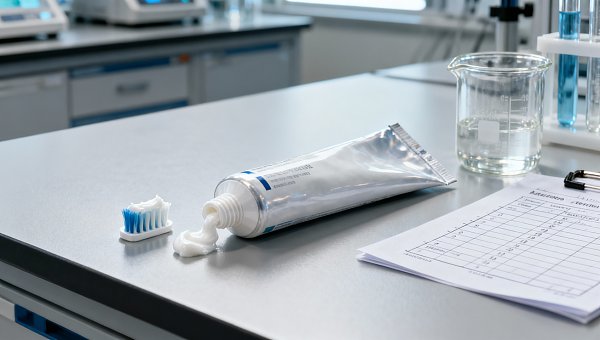
China's first mandatory national standard for toothpaste is expected to be issued soon, according to a November 23 report by CCTV News. Drafted under the organization of the National Medical Products Administration, the standard, titled General Technical Requirements for Toothpaste Safety, is intended to provide a more comprehensive and consistent technical basis for toothpaste production, business operations and regulatory enforcement.
A newly released toothpaste classification catalogue also divides products into eight categories by claimed function, including basic cleaning and cavity prevention. By defining the boundaries of efficacy claims, the catalogue adds a further point of reference for businesses making and marketing oral care products.

Two related questions: safety and claims
The expected safety standard and the classification catalogue address related but distinct aspects of toothpaste compliance. The standard concerns the technical basis for toothpaste safety, while the catalogue organizes products according to their functions and clarifies the boundaries of what can be claimed.
For a toothpaste business, that distinction matters because a product's safety and the way its benefits are presented are separate questions. A company may need to consider both the applicable safety requirements and whether a particular claim fits the product's classification. The reported information does not set out the detailed provisions of the forthcoming standard or the full boundaries of each category.
The catalogue's eight categories indicate that toothpaste functions are being organized beyond a single general description. Basic cleaning and cavity prevention are among the named categories, but the other categories and their individual requirements are not described in the report. The publication of the catalogue therefore provides a basis for closer attention to claims without, on its own, establishing how every product should be classified.
Where the impact may be felt first
Product classification and marketing language are likely to be among the first areas businesses examine. A manufacturer or seller making a functional claim may need to assess how that claim relates to the catalogue's categories and boundaries. The practical work could involve reviewing product descriptions and the relationship between the function presented to buyers and the relevant classification.
The expected safety standard may also become an important reference for production and regulatory enforcement once issued. A more consistent technical basis can help establish which requirements businesses and regulators use when assessing toothpaste safety. Its practical effect, however, will depend on the published provisions, including the specific requirements and any implementation arrangements they contain.
The two measures could also affect different products in different ways. For products presented primarily around basic cleaning, the immediate question may be how that function is described under the catalogue. For products making a cavity-prevention claim, the relevant question may be how that claim fits the applicable category and its boundaries. Neither example establishes a new requirement beyond those described in the report.
The most useful next development to watch is the official release of the safety standard and its detailed text. The provisions will determine what technical requirements apply and how businesses and regulators are expected to use them. The catalogue's detailed category descriptions will likewise matter for understanding where particular efficacy claims belong.
Related Intelligence
 Cosmetics & PkgNov 23, 2026China's First Mandatory National Toothpaste Safety Standard Expected SoonChina's toothpaste safety standard is expected soon. Discover what the proposed rules and new classification catalogue could mean for product claims.
 Electronic & RC ToysNov 22, 2026Chenghai Toy Precision Reaches APEC Stage as Exports Near Half of Shantou TotalChenghai toy manufacturing gains APEC attention as other APEC economies account for nearly half of Shantou’s toy exports. Explore what this means for buyers and suppliers.
 Cosmetics & PkgNov 21, 2026Korean Cosmetics Stocks Surge on China Trade Talks and Easing HopesKorean cosmetics stocks surged as China-South Korea trade talks raised hopes for growth. Discover what the agreement and potential easing could mean for beauty brands.
 Cosmetics & PkgNov 20, 2026South Korean Cosmetics Exports Reach $12.4 Billion in First 10 Months of 2026South Korean cosmetics exports reached $12.4 billion in the first 10 months of 2026. Explore K-beauty’s global expansion and investment trends.
 STEM & Educational ToysNov 19, 2026Ministry Briefs Industry on Revised Mandatory Toy Safety StandardsRevised GB 6675 toy safety standards introduce hazardous substance limits and stronger provisions for AI toys. Explore potential supply chain impacts and next steps.
 STEM & Educational ToysNov 18, 2026AliExpress Issues Four Market Bans Targeting Toys and Baby Sleep BagsAliExpress market bans target toys and baby sleep bags across four markets. Discover what sellers and buyers should verify before listing or shipping.
 Cosmetics & PkgNov 17, 2026interpack China 2026 Packaging Exhibition Opens in ShanghaiExplore interpack China 2026 in Shanghai, November 16–18. Discover packaging machinery, materials and sourcing opportunities across key industries.
 STEM & Educational ToysNov 16, 2026Australian Toy Sales Rise 11%, Led by Building Sets and CollectiblesAustralian toy sales rose 11%, led by building sets, Pokémon cards and collectibles. Explore the trends shaping demand ahead of Christmas.
 Electronic & RC ToysNov 13, 2026Hong Kong Exports of Toys, Clothing and Other Traditional Goods Rise 14% in Q3Hong Kong exports of toys, clothing and other traditional goods rose 14% in Q3. Explore what the reported growth could mean for sourcing and delivery plans.
 Cosmetics & PkgNov 12, 2026Inner Mongolia Sheep Fat Completes Cosmetic Ingredient FilingInner Mongolia sheep fat has completed cosmetic ingredient filing. Explore the milestone, filing details, and key regulatory updates to watch.
 Cosmetics & PkgNov 11, 2026Cosmoprof Asia 2026 Focuses on Beauty Supply Chains and InnovationExplore Cosmoprof Asia 2026 in Hong Kong and discover beauty supply chain innovation, sustainable packaging, OEM and ODM services, and new sourcing opportunities.
 Cosmetics & PkgNov 10, 2026China Introduces Three-Tier Management for Special Cosmetics ChangesChina’s special cosmetics changes face a new three-tier management system from November 20, 2026. Discover what it means for applications and compliance.
 Cosmetics & PkgNov 09, 2026China Extends Suspension of 24% Additional Tariff on US Goods for Two MonthsChina extends its 24% additional tariff suspension on US goods for two months. See what the temporary relief means for trade and supply chain planning.