Hong Kong Exports of Toys, Clothing and Other Traditional Goods Rise 14% in Q3

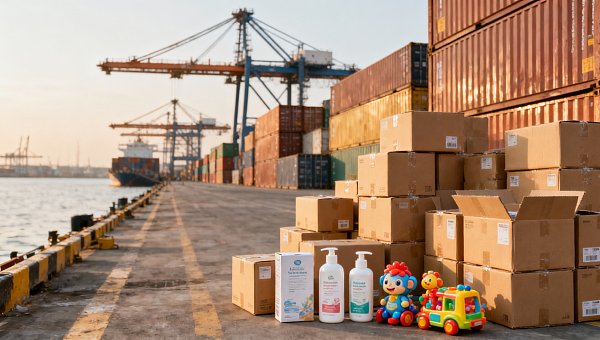
Hong Kong’s third-quarter exports of traditional goods, including toys and clothing, rose 14%, the Financial Secretary said on November 13, 2026. The statement points to a recovery in global consumer demand, but the information provided does not identify a new trade rule, certification requirement or policy measure. For exporters, manufacturers and buyers, the development is therefore best treated as a market signal that may affect purchasing and delivery decisions while existing transaction requirements continue to warrant review.
Traditional Goods Stand Out in the Third Quarter
Speaking at the Sing Tao Global Economic Forum on November 13, 2026, the Financial Secretary of the Hong Kong Special Administrative Region Government said that exports rose across most major goods categories in the third quarter. Toys, clothing and other traditional goods recorded a 14% increase. The event summary describes the result as reflecting a recovery in global demand for the consumer products concerned.
The information provided does not specify the comparison period for the 14% figure, a breakdown by product or destination, or any associated policy announcement. It also does not identify changes to tariffs, product standards, customs procedures or certification rules.

What Stronger Export Figures Could Mean Along the Supply Chain
Exporters and Buyers Face a Planning Signal
From an industry perspective, the reported increase may lead exporters and buyers to reassess demand assumptions for toys, clothing and related goods. The figure is useful as a prompt for discussion, but it does not show whether every product line or destination shared in the increase. A buyer considering larger orders would still need product-specific evidence, while an exporter would need to assess whether its own inquiries and confirmed orders support a change in capacity.
Commercial teams may also want to distinguish a change in shipment volumes from a change in export value when reviewing any further official detail. The supplied summary does not define the measure behind the percentage, so the figure alone cannot establish how many more items were shipped or how prices contributed to the result.
Manufacturers May Need to Revisit Capacity and Inputs
If individual orders increase, manufacturers could face pressure to coordinate materials, production schedules and delivery dates more closely. Toy makers and clothing suppliers may have different production cycles and documentation needs, so an aggregate result should not be translated into a single purchasing plan. A manufacturer could use confirmed orders, rather than the headline figure alone, to decide whether additional materials or production slots are justified.
Changes to materials, components or suppliers can also have implications for product specifications and supporting records. Whether fresh testing or updated documentation is needed depends on the product, the transaction and applicable requirements; no such new requirement is identified in the event information.
Logistics and Compliance Services May See Different Demands
For freight and supply-chain service providers, the reported growth may be a reason to discuss potential shipment timing and capacity with customers. It does not establish that transport availability has tightened or that delivery times have changed. Providers can assess actual bookings and contract terms before assuming a sustained increase in workload.
Testing and certification providers may likewise receive more questions if customers prepare additional product lines or change suppliers. That is a possible commercial consequence, not evidence of a new certification regime. The scope of any assessment should be checked against the goods and markets involved in each transaction.
Checks That Can Support Orders and Deliveries
Confirm What the Export Figure Measures
Before using the 14% result in forecasts, companies should seek the underlying statistical release or other authoritative detail when available. Useful questions include the comparison period, whether the figure refers to value or volume, and which goods are included in the traditional-goods grouping. Those distinctions could affect how closely the reported increase relates to a particular toy or clothing order.
Businesses may also compare the aggregate figure with their own order books, returns and customer forecasts. A mismatch would not invalidate the reported result; it would indicate that an individual product or customer base should not be assumed to follow the aggregate pattern.
Check Product and Market Requirements for Each Order
The announcement described in the input does not establish a change in compliance obligations. As a practical precaution, exporters and buyers can confirm the requirements applicable to each product and destination before accepting revised specifications or delivery commitments. Depending on the transaction, the review may include product descriptions, labelling, test reports, certification documents and contractual quality requirements.
Where an order involves a new design, material or supplier, the parties can check whether existing evidence still corresponds to the goods being supplied. They should verify any required action against applicable rules and customer specifications; the export-growth figure itself does not create a testing or certification obligation.
Align Purchasing and Documentation with Confirmed Demand
A possible increase in orders makes the connection between purchasing decisions and shipment records especially relevant. Buyers and suppliers can review whether purchase orders, product specifications, quantities and delivery dates are consistent across their commercial documents. If the parties revise an order, recording the agreed change may help avoid misunderstandings at production or shipment.
Companies can also review supplier capacity and the availability of supporting product records before committing to an accelerated schedule. The appropriate lead time will depend on the goods and the suppliers involved. The supplied information provides no evidence of a general shortage, a new documentation rule or a change in customs processing.
Monitor Subsequent Trade and Policy Information
The reported result may prompt further discussion of trade conditions, but it should not be treated as an advance notice of policy action. Businesses can monitor subsequent official statements and any relevant changes to trade procedures, product requirements or certification guidance. If a change is announced, they can assess its scope, effective date and implications for existing orders using the actual text and applicable guidance.
Feedback from buyers, suppliers and service providers may help companies judge whether the aggregate growth is visible in their own transactions. Such feedback would be a commercial observation; it would not by itself establish a change in law or a lasting market trend.
A Demand Signal with No Announced Rule Change
At this stage, the most appropriate interpretation is that the statement provides an export-performance signal, not evidence that a new rule has taken effect. The supplied information reports growth across traditional goods and connects it to recovering consumer demand. It does not say that a regulator has altered entry requirements, introduced a trade measure or changed how products are assessed.
Analysis suggests that the practical significance will vary by product, customer and transaction. Further information about the statistical comparison, product composition and subsequent market performance could sharpen the assessment. Any later policy or regulatory statement would need to be examined separately, including whether it actually applies to the goods and activities in question.
The distinction matters for planning. An exporter may reasonably review capacity in response to stronger inquiries, while a buyer may reassess sourcing schedules. Neither action requires assuming that the reported increase will continue or that compliance requirements have changed. Similarly, a later rule announcement would require its own assessment rather than being inferred from an export statistic.
Using the Figure in Trade Decisions
The 14% increase gives participants in the toy and clothing supply chains a reason to examine current demand and operational readiness. For now, the figure is best used alongside confirmed orders and product-specific information, with routine checks of applicable requirements and transaction documents. Its longer-term implications remain open until further evidence clarifies the composition and durability of the reported growth.
Basis for This Report and Further Verification
This article is based on the supplied news title, event date and event summary. No specific official source link was provided in the input, and the statement and underlying figures require continued verification. Relevant material to review, if available, may include official announcements, trade statistics and authoritative reporting. Subsequent policy details, certification guidance, trade execution and industry feedback should also be monitored before drawing conclusions about any change in requirements or sustained market response.
Related Intelligence
 Electronic & RC ToysNov 13, 2026Hong Kong Exports of Toys, Clothing and Other Traditional Goods Rise 14% in Q3Hong Kong exports of toys, clothing and other traditional goods rose 14% in Q3. Explore what the reported growth could mean for sourcing and delivery plans.
 Cosmetics & PkgNov 12, 2026Inner Mongolia Sheep Fat Completes Cosmetic Ingredient FilingInner Mongolia sheep fat has completed cosmetic ingredient filing. Explore the milestone, filing details, and key regulatory updates to watch.
 Cosmetics & PkgNov 11, 2026Cosmoprof Asia 2026 Focuses on Beauty Supply Chains and InnovationExplore Cosmoprof Asia 2026 in Hong Kong and discover beauty supply chain innovation, sustainable packaging, OEM and ODM services, and new sourcing opportunities.
 Cosmetics & PkgNov 10, 2026China Introduces Three-Tier Management for Special Cosmetics ChangesChina’s special cosmetics changes face a new three-tier management system from November 20, 2026. Discover what it means for applications and compliance.
 Cosmetics & PkgNov 09, 2026China Extends Suspension of 24% Additional Tariff on US Goods for Two MonthsChina extends its 24% additional tariff suspension on US goods for two months. See what the temporary relief means for trade and supply chain planning.
 Cosmetics & PkgNov 08, 2026EU Sets 25 ppb PFHxA Limit for Cosmetics, Challenging Supply ChainsEU PFHxA limits could reshape cosmetics supply chains. Explore the stated 25 ppb threshold, trace contamination risks and steps to prepare.
 Cosmetics & PkgNov 07, 20262026 Import Expo Hosts Global Beauty Innovation Forum in ShanghaiExplore how the 2026 Import Expo’s Global Beauty Innovation Forum in Shanghai could connect beauty businesses with cross-border sourcing and market opportunities.
 Skincare OEMNov 06, 2026China Consults on Cosmetic Ingredient Data and Safety AssessmentChina's cosmetic ingredient data and safety assessment consultation could affect formulation and compliance. Explore the draft guidance and its potential impact.
 STEM & Educational ToysNov 05, 2026Taiwan Squishy Toy Checks Find Safety Compliance but Labeling ViolationsTaiwan squishy toy checks found all 20 samples met safety requirements, but uncovered inspection mark and labeling violations. Discover what sellers need to know.
 Smart Pet DevicesNov 04, 2026Smart Pet Products Drive Export Growth as 140th Canton Fair Draws BuyersSmart pet products drew global buyers at the 140th Canton Fair. Explore export growth, lightweight cat litter and key sourcing considerations.
 Cosmetics & PkgNov 03, 2026Patchwork of US EPR Policies Drives Packaging RedesignUS EPR policies are reshaping packaging design. Explore how fragmented state rules could affect compliance, materials and supply chain decisions.
 Cosmetics & PkgNov 02, 2026Amazon US Insurance Rule Takes Effect Nov. 2, Mandating Coverage for 11 High-Risk CategoriesAmazon US insurance rule takes effect November 2, 2026. Discover coverage requirements for 11 high-risk categories and steps sellers can take to prepare.
 STEM & Educational ToysNov 01, 2026China's New Mandatory Safety Standards for Children's Products and Toys Take Effect November 1China's new children's product and toy safety standards take effect November 1, 2026. Discover the chemical testing changes and what businesses need to review.