Chenghai Toy Precision Reaches APEC Stage as Exports Near Half of Shantou Total

During the first three quarters of 2026 and the APEC leaders’ meeting week, Chenghai’s toy industry drew attention for improvements in manufacturing precision, according to a report dated November 21, 2026. Nearly half of Shantou’s toy exports in the first three quarters went to other APEC economies. For manufacturers, exporters and buyers, the development raises questions about how product specifications, market requirements and delivery arrangements may shape trade across the region. The information provided does not identify a new policy, standard or regulatory requirement, so its significance is best assessed as a market signal rather than a confirmed change in rules.
Precision and the APEC export share
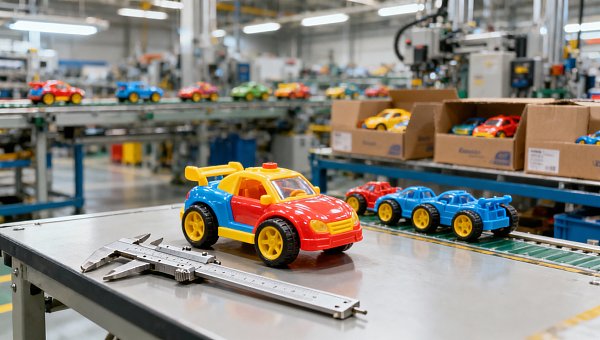
The November 21 report stated that Chenghai’s toy industry had reached the APEC stage through improvements in manufacturing precision. It also reported that exports to other APEC economies accounted for nearly half of Shantou’s toy exports in the first three quarters of 2026. The Asia-Pacific market was described as an important area of growth, reflecting a shift by Chinese toy industry clusters toward higher value-added production and a more optimized export market structure.
These are the facts supplied for this article. The information does not identify a particular product, company, destination economy, certification, policy measure or change to a trade rule. Nor does it provide an export value, a comparison with an earlier period or details of the precision improvements.
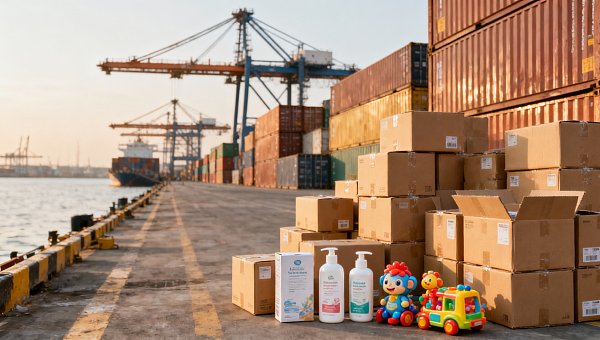
Where a larger regional focus may affect orders
Manufacturing precision and product specifications
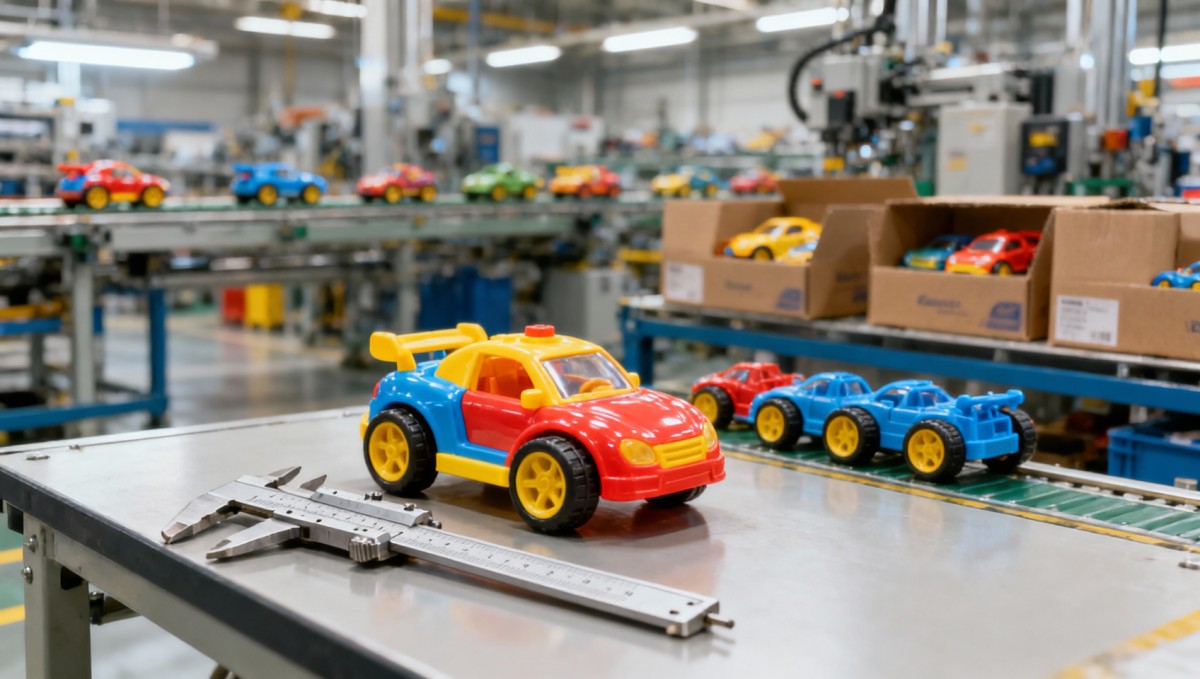
From an industry perspective, greater attention to manufacturing precision may make the connection between a buyer’s specification and the finished toy more important in commercial discussions. A manufacturer could be asked to explain how it defines acceptable variation, checks production consistency or handles a change to a component. The supplied report does not establish that buyers have introduced such conditions; these are practical areas to examine when negotiating an order.
For production teams, the distinction between a sample and repeatable production may deserve particular attention. A precise sample can support a buyer’s assessment, but the parties may also need to agree on how the same specification will be applied across an order. Analysis suggests that documenting agreed product characteristics and the process for resolving deviations could help both sides evaluate whether a proposed delivery matches the purchase agreement.
Exporters balancing different market requirements
The reported export share indicates that other APEC economies collectively represented a substantial part of Shantou’s toy export business during the stated period. It does not show that those economies use the same rules or that any requirement has changed. For exporters, a possible consequence of serving a significant regional customer base is the need to check destination-specific obligations carefully instead of treating the regional share as evidence of a single compliance framework.
Depending on the product and destination, a buyer and seller may need to establish which documentation, testing or product information applies to a particular transaction. The input does not identify any applicable certificate or test, so no named approval can be inferred from it. Exporters may find it useful to confirm the relevant requirements for each order before committing to a specification or delivery date.
Buyers, suppliers and delivery commitments
For buyers, the reported emphasis on precision may be relevant when comparing suppliers and defining the characteristics they expect a toy to meet. Analysis suggests that a purchasing team could seek clarity on the proposed materials, production tolerances, inspection arrangements and process for approving changes. Those discussions would be commercial checks, not new obligations established by the report.
Suppliers of materials and components may also be affected if a finished-product specification calls for tighter coordination across the chain. A proposed substitution, for example, could require the buyer and manufacturer to assess whether the finished product still meets their agreed specifications and any applicable destination requirements. Whether additional checks are needed would depend on the product and transaction; the report provides no evidence of a specific substitution or delay.
What to verify before the next shipment
Connect the order to its destination
Companies could start by identifying the intended destination, product configuration and customer for each order, then checking the requirements that apply to that combination. This matters because the reported regional export share is an aggregate figure and does not explain the conditions attached to individual shipments. A requirement relevant to one transaction should not be assumed to apply to every other order.
Where testing, certification or other evidence is relevant, the parties can verify its scope, validity and relationship to the actual product being shipped. They can also check whether a proposed change in materials, design or manufacturing process calls for a fresh assessment. These are suggested checks; the information provided neither establishes a new certification requirement nor confirms a change in enforcement.
Make precision measurable in purchasing documents
A useful commercial response may be to translate a claim of improved precision into product characteristics that the buyer and manufacturer can both understand. Depending on the order, the purchase specification could describe the features to be checked, the agreed inspection method and how a discrepancy will be handled. The appropriate level of detail would vary by product and contract.
Manufacturers and buyers may also consider retaining records that connect the agreed specification to the production batch and the delivered goods. Such records could make it easier to investigate a quality concern or discuss a requested change. The report does not state that a new traceability system has been introduced, and this suggestion should not be read as a newly imposed regulatory requirement.
Allow time for verification and change control
Delivery planning may benefit from identifying checks that must be completed before a shipment can proceed. If a buyer requests additional evidence, or if a product change needs review, the parties could assess the effect on the schedule before confirming a delivery commitment. The supplied information does not report any disruption; the point is to make potential dependencies visible while an order is being planned.
Exporters and suppliers could also agree on who is responsible for providing product information and resolving a discrepancy. Clear allocation of those tasks may be especially useful when a transaction involves several suppliers. Any proposed alternative component or material should be evaluated against the agreed product specification and applicable requirements before it is incorporated into a shipment.
Follow evidence of changes in trade practice
The report supports attention to the region’s commercial importance, but it does not provide the detail needed to determine whether procurement practices or official requirements have changed. Companies may therefore wish to monitor official notices, relevant trade information and buyer documents for developments that apply to their own products and destinations.
If a later announcement identifies a policy, standard or certification change, the practical questions would include its scope, effective timing and treatment of existing orders. Until those details are available from an appropriate source, businesses can prepare to review them without assuming that a new rule is already in force.
A market signal still awaiting rule-specific evidence
Editorial analysis suggests that this development is best understood as a signal about manufacturing capability and export-market structure. The reported precision gains and regional export share may encourage closer scrutiny of product specifications and supply-chain coordination, but the supplied account does not establish a regulatory rollout, an enforcement campaign or a formal change in trade rules.
The distinction matters when interpreting the near-half figure. It describes the share of Shantou’s toy exports going to other APEC economies in the first three quarters of 2026; it does not establish how that share changed from an earlier period or how it was distributed among destinations. Likewise, the reference to higher value-added production describes the direction presented in the report, but does not quantify the value added by a particular product or manufacturer.
Further information could change the business assessment. Relevant evidence would include product-level specifications, destination-specific requirements, buyer feedback and any official clarification affecting trade or conformity assessment. Industry participants may also watch whether customers translate their interest in precision into different purchasing terms, inspection procedures or delivery expectations. Those outcomes remain questions for observation, not confirmed developments in the supplied account.
Keeping precision and market access in view
Chenghai’s appearance on the APEC stage and the reported export share put manufacturing precision and regional demand in the same commercial context. For businesses, the immediate value of the information lies in reviewing how product claims, order documents and destination requirements fit together. It does not provide a basis for announcing a new compliance obligation.
A measured response is to verify the requirements for each transaction, agree on specifications and supporting evidence with trading partners, and watch for further details. The eventual effect on procurement and delivery will depend on information that the supplied report does not yet provide.
Basis for this report and further verification
This article is based on the user-provided news title, event timing and summary, including the report dated November 21, 2026. No specific official source link was provided in the input; continued verification is needed. Relevant source types for follow-up may include official announcements, customs or trade authority information, industry association material, standards documents and authoritative media reports.
Further checks should focus on any policy details, certification interpretations, changes in purchasing documents, trade execution and feedback from companies or other market participants. This article’s discussion of possible business responses is analysis and does not establish that any such change has occurred.
Related Intelligence
 Electronic & RC ToysNov 22, 2026Chenghai Toy Precision Reaches APEC Stage as Exports Near Half of Shantou TotalChenghai toy manufacturing gains APEC attention as other APEC economies account for nearly half of Shantou’s toy exports. Explore what this means for buyers and suppliers.
 Cosmetics & PkgNov 21, 2026Korean Cosmetics Stocks Surge on China Trade Talks and Easing HopesKorean cosmetics stocks surged as China-South Korea trade talks raised hopes for growth. Discover what the agreement and potential easing could mean for beauty brands.
 Cosmetics & PkgNov 20, 2026South Korean Cosmetics Exports Reach $12.4 Billion in First 10 Months of 2026South Korean cosmetics exports reached $12.4 billion in the first 10 months of 2026. Explore K-beauty’s global expansion and investment trends.
 STEM & Educational ToysNov 19, 2026Ministry Briefs Industry on Revised Mandatory Toy Safety StandardsRevised GB 6675 toy safety standards introduce hazardous substance limits and stronger provisions for AI toys. Explore potential supply chain impacts and next steps.
 STEM & Educational ToysNov 18, 2026AliExpress Issues Four Market Bans Targeting Toys and Baby Sleep BagsAliExpress market bans target toys and baby sleep bags across four markets. Discover what sellers and buyers should verify before listing or shipping.
 Cosmetics & PkgNov 17, 2026interpack China 2026 Packaging Exhibition Opens in ShanghaiExplore interpack China 2026 in Shanghai, November 16–18. Discover packaging machinery, materials and sourcing opportunities across key industries.
 STEM & Educational ToysNov 16, 2026Australian Toy Sales Rise 11%, Led by Building Sets and CollectiblesAustralian toy sales rose 11%, led by building sets, Pokémon cards and collectibles. Explore the trends shaping demand ahead of Christmas.
 Electronic & RC ToysNov 13, 2026Hong Kong Exports of Toys, Clothing and Other Traditional Goods Rise 14% in Q3Hong Kong exports of toys, clothing and other traditional goods rose 14% in Q3. Explore what the reported growth could mean for sourcing and delivery plans.
 Cosmetics & PkgNov 12, 2026Inner Mongolia Sheep Fat Completes Cosmetic Ingredient FilingInner Mongolia sheep fat has completed cosmetic ingredient filing. Explore the milestone, filing details, and key regulatory updates to watch.
 Cosmetics & PkgNov 11, 2026Cosmoprof Asia 2026 Focuses on Beauty Supply Chains and InnovationExplore Cosmoprof Asia 2026 in Hong Kong and discover beauty supply chain innovation, sustainable packaging, OEM and ODM services, and new sourcing opportunities.
 Cosmetics & PkgNov 10, 2026China Introduces Three-Tier Management for Special Cosmetics ChangesChina’s special cosmetics changes face a new three-tier management system from November 20, 2026. Discover what it means for applications and compliance.
 Cosmetics & PkgNov 09, 2026China Extends Suspension of 24% Additional Tariff on US Goods for Two MonthsChina extends its 24% additional tariff suspension on US goods for two months. See what the temporary relief means for trade and supply chain planning.
 Cosmetics & PkgNov 08, 2026EU Sets 25 ppb PFHxA Limit for Cosmetics, Challenging Supply ChainsEU PFHxA limits could reshape cosmetics supply chains. Explore the stated 25 ppb threshold, trace contamination risks and steps to prepare.