What Documents Are Required to Import Baby Formula?
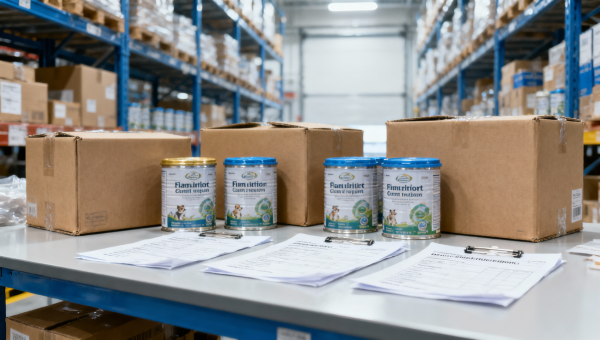
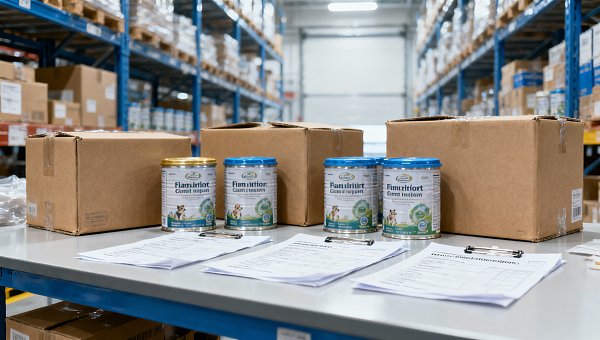
Importing baby formula requires a commercial invoice, packing list, transport document, and the information needed for a customs declaration. Additional requirements depend on the destination, ingredients, manufacturing site, and product category: these can include official health certificates, establishment registration, product notifications or registrations, laboratory reports, and compliant labeling. A complete shipping file does not establish that the formula is authorized for sale. Customs clearance and food-market access involve different documents, and both must be resolved before dispatch.
The first distinction is between documents prepared for each shipment and records established before orders begin. An invoice follows the consignment; a manufacturing-site registration or formula dossier relates to the underlying business or product. Confusing these layers creates avoidable delays, especially when an official certificate cannot be issued until the exporting establishment has the necessary eligibility.
The shipment documents and what each proves
The following documents serve different purposes. Several contain overlapping details, but one rarely substitutes for another.
The customs declaration draws on these records and adds classification, valuation, origin, and procedure information. A broker can prepare the declaration, but an ambiguous product description still needs resolution. “Milk powder” can obscure whether the goods are infant formula, follow-on formula, or another nutritional product, affecting classification and food-control routing.
Product classification determines the additional paperwork
“Baby formula” is a commercial description rather than a universal regulatory category. Infant formula, follow-on formula, toddler drinks, and foods for special medical purposes can follow different routes. Intended age, nutritional purpose, presentation, and claims help determine the category. A product sold for older children should not inherit the documentation assumptions used for infant formula.
Composition creates a second boundary. Dairy-based powder can trigger animal-origin controls, including establishment eligibility and official certification. Plant-based formula still faces applicable infant-nutrition requirements; removing dairy does not remove product-specific obligations. For mixed formulations, obtain an ingredient statement that identifies animal-derived components sufficiently for the destination’s classification rules.
Processing matters as well. Powder and ready-to-feed liquid differ in manufacturing controls, packaging, and microbiological considerations. Hydrolyzed ingredients or a medical nutritional purpose can require additional supporting information. The correct route should be established from the complete specification and intended use, rather than inferred from a product name or front-label photograph.
Comparing documentation routes across major markets
There is no universal “baby formula import certificate.” The examples below show how the emphasis changes between destinations. The exact document set must be matched to the formula category, exporting country, establishment, and current entry procedure.
United States: food-entry filings and infant-formula compliance
A United States shipment involves customs entry information and applicable food-import requirements, including FDA prior notice and food-facility registration where required. Infant formula also carries specific requirements concerning manufacturing controls, nutrient specifications, records, and submissions for new infant formulas. Determine whether the product and responsible firm have completed the applicable process before arranging a shipment.
An FDA facility registration number does not establish approval of an individual formula. Likewise, successful prior-notice submission does not establish compliance with infant-formula requirements. Where the Foreign Supplier Verification Program applies, its records form a separate compliance layer; the applicable pathway and any relevant exceptions require confirmation.
The document package should connect the actual manufacturer, product identity, facility details, entry filings, and label. A generic certificate described as “FDA approved” does not replace those records.
European Union: animal-origin entry controls and product rules
For entry into the European Union, dairy ingredients can make animal-origin controls central to the documentation route. Establish whether the goods fall under requirements for eligible countries and establishments, a prescribed official certificate, and entry through an appropriate border control post. Where required, advance notification and the relevant Common Health Entry Document support the border-control process.
Product compliance remains a separate question. Infant formula and follow-on formula have composition and labeling requirements, and applicable notification obligations must be addressed in the relevant member state. Language requirements also affect the final label. A certificate accepted for border entry does not resolve an incorrect preparation instruction or an unsupported nutrition claim.
For products containing several ingredient types, classification under animal-origin or composite-product rules should be resolved before selecting a certificate. An official certificate used for a previous dairy shipment is not automatically suitable for a different formula.
China: overseas establishment and formula registration
China’s documentation route can involve overseas food-manufacturer registration and, for infant formula milk powder within the applicable scope, formula registration. These are distinct records: one concerns the establishment, while the other concerns the registered formula. Their product scope and identifying details need to match the goods presented for import.
Customs documents, required official certificates, and Chinese labeling form additional parts of the file. Trading through a different exporter does not transfer the manufacturing establishment’s eligibility or another product’s formula registration. Ready-to-feed products and other nutritional categories should be assessed under their own applicable route rather than assigned the requirements for infant formula milk powder by analogy.
Health certificates, analysis reports, and sale certificates are different
An official health certificate is issued or endorsed by the competent authority under the destination’s applicable requirements. Its value comes from the specified attestations and issuing authority. A factory declaration on company letterhead cannot substitute for an official certificate when government certification is required.
A certificate of analysis describes testing. For powdered infant formula, the testing program can include relevant microbiological hazards such as Cronobacter and Salmonella, alongside nutrients and contaminants covered by the applicable specification. The required tests, sampling approach, methods, and acceptance limits must come from the destination requirements and product-control program. A generic panel selected for ordinary milk powder can leave formula-specific questions unanswered.
A certificate of free sale, where requested, supports a statement about the product’s sale status in the issuing jurisdiction. Its meaning depends on the issuing scheme. It does not independently establish compliance with the importing country’s formulation, labeling, or establishment requirements.
These documents should be evaluated by purpose before counting them as a complete file. Ten certificates can still leave a shipment without the one official attestation required at its destination.
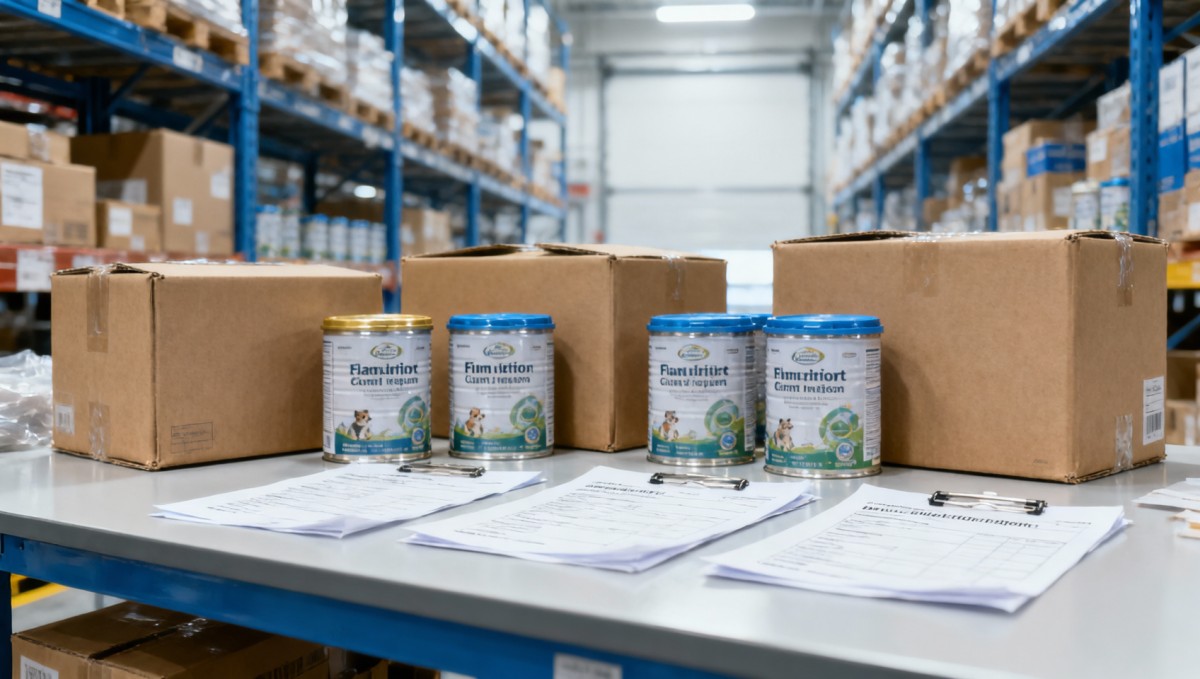
Labels and technical records must describe the same formula
The technical dossier supports product classification and compliance assessment. Its contents depend on the market, but relevant records include the full composition, ingredient specifications, nutrient data, manufacturing-process information, shelf-life evidence, and final label artwork. Some records are submitted during registration or notification; others remain available for inspection or verification.
Label review needs to use the artwork intended for the destination. An export label, domestic-market label, and translated draft can differ materially. Product name, age indication, ingredient declaration, allergen information, preparation instructions, storage conditions, and required warnings need review under the destination’s rules.
Preparation instructions deserve particular attention because they connect the product specification to its use. Scoop quantity, water volume, and the stated nutritional basis must agree. Comparing nutrient values expressed per unit of powder with values expressed per prepared feed requires conversion using the correct dilution.
Private-label packaging creates another identity issue. The invoice can name the branded product while the analysis report identifies a factory code. Maintain a documented link between the commercial name, formula identifier, manufacturing site, and batch code. Otherwise, a valid report can appear unrelated to the imported goods.
Build the file around what can block dispatch
Document preparation works best when ordered by dependency. An official health certificate might require an eligible establishment and an approved certificate route. A formula registration can require technical evidence that cannot be assembled after loading. Transport details, by contrast, become final closer to dispatch.
- Resolve the regulatory identity. Record the destination, intended age range, product category, composition, physical form, manufacturing country, and establishment. Use those facts to establish the applicable market-access route.
- Confirm that required registrations, notifications, or permissions cover the actual site and formula. Include any validity limits or conditions that affect shipment eligibility.
- Agree the evidence before production release: destination label, testing specification, required certificate format, and the relationship between product codes and commercial names.
- Assemble shipment records once quantities and transport details are final. Reconcile them against the released lots and official certificates before dispatch.
Separate document availability from document acceptance. A scanned copy can support advance review, while the entry procedure requires an original, an endorsed document, or an official electronic record. Establish the accepted format and submission timing for each required certificate. A document that exists but cannot be accepted at entry leaves the same operational gap as a missing document.
The inconsistencies that cause avoidable rework
Names and identifiers deserve a deliberate reconciliation. The seller, exporter, manufacturer, and importer can legitimately be different entities. Their roles must remain clear across the invoice, transport record, certificate, and regulatory filing. Where an establishment number is required, compare the number itself as well as the site name.
For a shipment containing several production lots, map each lot to its quantity, analysis report, manufacturing date, and expiry or best-before date. An aggregate packing list without lot detail makes it harder to determine which cartons an inspection result or certificate covers. Remaining shelf life should also satisfy any applicable entry rule and agreed acceptance requirement.
Finally, treat changes after document approval as potential amendments. Replacing a lot, changing a consignee, modifying label artwork, or moving production to another site can affect different parts of the file. Before loading, reconcile the documents against the goods actually being shipped, with every required market-access record tied to the correct formula and establishment.
Related Intelligence
 STEM & Educational ToysOct 22, 2026Blokees Showcases Over 900 Products at the 2026 China International Toy FairBlokees showcases over 900 products at the 2026 China International Toy Fair. Explore Model Kits, BLOKEES WHEELS and key sourcing checks to guide your next purchase.
 Cosmetics & PkgOct 21, 2026BASF Plans Beauty Innovation Showcase at in-cosmetics Asia 2026Explore BASF’s planned beauty innovations at in-cosmetics Asia 2026 in Bangkok, with a focus on skin protection, repair and sustainable solutions for personal care formulators.
 Cosmetics & PkgOct 20, 2026Beauty Tops Amazon’s 2026 Prime Big Deal Days Shopping CategoriesBeauty tops Amazon’s 2026 Prime Big Deal Days at 32% of shoppers, according to Market Defense. Explore what the findings could mean for product selection, inventory and promotional planning.
 Infant Feeding & CareOct 14, 2026What Documents Are Required to Import Baby Formula?What import documents are needed for baby formula? Explore shipment paperwork, health certificates, and market-specific requirements to avoid costly delays and prepare for compliant imports.
 Infant Feeding & CareOct 14, 2026Which Baby Formula Packaging Formats Reduce Shipping Damage?Which baby formula packaging formats reduce shipping damage? Compare metal cans, rigid tubs, and supported pouches to choose better protection and reduce costly transit losses.
 Baby Gear & StrollersOct 14, 2026How Long Does Custom Diaper Bag Production Usually Take?How long does custom diaper bag production usually take? Plan for 30–60 days after sample approval. Discover key lead-time factors and practical tips to avoid delays and launch on schedule.
 Baby Gear & StrollersOct 14, 2026Which Diaper Bag Features Justify a Higher Wholesale Price?What diaper bag features justify a higher wholesale price? Discover durability, comfort, and easy-clean upgrades worth paying for—and source smarter with practical buyer tips.
 Infant Feeding & CareOct 14, 2026How Can Retailers Prevent Baby Clothing Color Bleeding Claims?How can retailers avoid color bleeding claims on baby clothing? Discover testing, supplier controls, and care-label strategies to reduce returns and protect customer trust.
 Infant Feeding & CareOct 14, 2026Which Baby Clothing Materials Are Easier to Source Compliantly?What materials make baby clothing easier to source compliantly? Compare cotton, blends, and certified options, with practical supplier checks to reduce risk and make smarter sourcing decisions.
 Baby Gear & StrollersOct 14, 2026Are Baby Carrier Buckle Failures a Common Reason for Returns?Are baby carrier buckle failures a common return issue? Explore defects, usability complaints, and safety checks to make informed sourcing decisions before your next order.
 Baby Gear & StrollersOct 14, 2026How Do You Compare Baby Carrier Suppliers on Safety and Cost?How do I compare baby carrier suppliers on safety and cost? Learn to verify safety evidence, assess factory controls, and compare total landed costs to make a confident sourcing decision.
 STEM & Educational ToysSep 20, 2026How Do I Verify Age Grading for Educational Toys?How do I verify educational toy age grading? Learn how to assess safety risks, test reports, packaging, and market compliance before buying or selling.
 Corporate & Seasonal GiftsSep 20, 2026Are Promotional Items Worth Ordering for Short Campaigns?Are promotional items worth ordering for short campaigns? Learn how pet brands can choose useful, compliant giveaways that drive measurable engagement, sales, and loyalty.