
Sensory Bath Toys: Safe Materials Guide
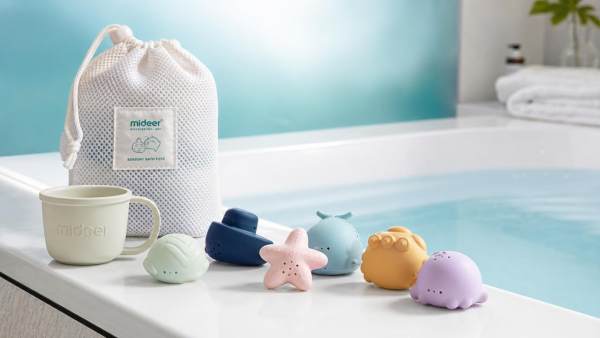
Choosing sensory bath toys should be fun, not stressful—especially when safety, comfort, and developmental value matter during daily routines or family travel.
From squishy textures to floating shapes, sensory bath toys can turn hotel bathrooms, resort stays, and home baths into calmer moments.
This guide explains materials, certifications, mold risks, and travel-friendly choices for safer, longer-lasting sensory bath toys.
Sensory Bath Toys: What Makes Them Different?
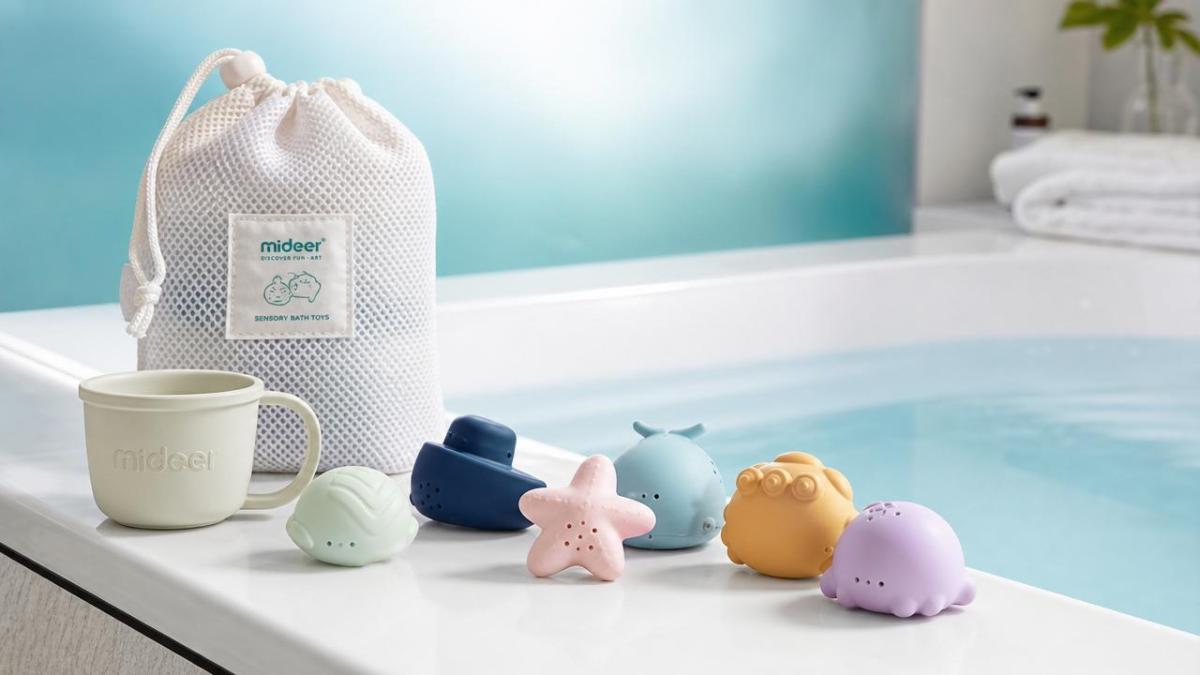
Sensory bath toys are designed to stimulate touch, sight, sound, and movement while children play in water.
They may include soft textures, floating forms, gentle rattles, suction features, or color-changing surfaces.
Unlike basic bath toys, sensory bath toys often focus on calming feedback and developmental exploration.
For family travel, these toys can support routine when children face unfamiliar hotel rooms or vacation schedules.
A familiar floating toy may help reduce bath-time resistance after flights, road trips, or busy sightseeing days.
In travel services, small comfort items influence guest satisfaction, especially in family-focused hotels and serviced apartments.
Safe sensory bath toys also matter for resorts, cruise cabins, kids’ clubs, and baby-friendly travel packages.
Which Materials Are Safest for Sensory Bath Toys?
Material choice is the foundation of safe sensory bath toys because water, heat, and chewing increase exposure risks.
The best options are usually food-grade silicone, high-quality EVA foam, ABS plastic, and carefully tested polypropylene.
Food-grade silicone is soft, flexible, and resistant to cracking. It suits teething babies and squishy bath play.
Silicone sensory bath toys should be BPA-free, phthalate-free, PVC-free, and independently tested for heavy metals.
EVA foam feels light and gentle. It floats well, dries quickly, and works for puzzle-style bath play.
However, foam sensory bath toys should not flake, peel, or carry strong chemical odors.
ABS plastic is harder and more durable. It is common in water wheels, stacking cups, and floating boats.
Polypropylene is often used for buckets, scoopers, and simple floating shapes. It is lightweight and widely accepted.
PVC requires more caution. Unless clearly tested and plasticizer-safe, it may not be ideal for infant bath play.
Quick Material Comparison
How Can Certifications Help Judge Safety?
Certifications help verify whether sensory bath toys meet chemical, mechanical, and age-related safety requirements.
For the U.S. market, CPC documentation is important for children’s products covered by CPSC rules.
ASTM F963 is also widely referenced for toy safety, including mechanical hazards and certain chemical limits.
For European markets, CE marking and EN71 testing are key indicators for toy compliance.
REACH compliance matters when checking restricted chemicals, especially pigments, coatings, and plastic additives.
For bath toys used in travel hospitality, clear documentation supports safer purchasing and easier guest communication.
Labels should match the product, age range, materials, batch code, and responsible company information.
Be cautious when sensory bath toys claim “non-toxic” without naming standards or test reports.
A credible product usually provides specific testing, not vague marketing language.
- Check CPC, ASTM F963, CE, EN71, or REACH where applicable.
- Confirm the age grading fits the child’s stage.
- Look for batch traceability and manufacturer details.
- Avoid products with unclear materials or missing warnings.
Are Mold-Free Sensory Bath Toys Really Possible?
Mold risk is one of the biggest concerns with sensory bath toys, especially squeezable designs.
Water can enter small holes, remain trapped, and create a warm environment for mold growth.
Truly mold-resistant sensory bath toys usually have sealed construction or easy-open designs for drying.
Sealed silicone shapes are easier to rinse because there is no hidden chamber inside.
Open cups, boats, and stacking toys also dry faster than squeeze toys with pinholes.
For travel, fast drying matters because toys may be packed soon after bath time.
A mesh pouch can improve airflow in luggage, hotel bathrooms, or stroller storage.
Avoid storing wet sensory bath toys in sealed plastic bags for long periods.
Cleaning Routine for Everyday and Travel Use
- Rinse toys with clean water after each bath.
- Shake out water from cups or open shapes.
- Air-dry fully before storage or packing.
- Inspect seams, holes, and discoloration weekly.
- Replace sensory bath toys if mold appears inside.
What Features Suit Babies, Toddlers, and Travel Settings?
The right sensory bath toys depend on age, motor skills, chewing behavior, and bath environment.
Babies need soft, simple, oversized toys without detachable parts or hard corners.
Soft silicone animals, floating rings, and textured shapes can support grasping and tactile discovery.
Toddlers may enjoy stacking cups, color sorting, pouring toys, and wall-mounted suction activities.
These sensory bath toys encourage hand-eye coordination, sequencing, and early problem-solving.
For hotel bathrooms, compact sets are easier to clean, pack, and manage in limited space.
For cruises or resorts, lightweight bath toys reduce luggage weight and dry quickly between activities.
Avoid toys with loud electronic features in shared accommodation, unless sound can be controlled.
Battery-operated sensory bath toys require extra caution because water exposure increases failure risk.
Travel-Friendly Selection Checklist
- Choose sealed or open designs that dry quickly.
- Prefer compact sensory bath toys under a few pieces.
- Pack a breathable pouch instead of a sealed bag.
- Select neutral shapes that work across different ages.
- Check destination rules if toys include batteries or liquids.
What Red Flags Should Be Avoided?
Some sensory bath toys look appealing but fail basic safety or durability checks.
A strong chemical smell is a major warning sign, especially for soft plastic toys.
Peeling paint, sticky surfaces, and uneven seams also suggest poor material control.
Small detachable parts can create choking hazards, particularly for babies and younger toddlers.
Sharp edges or brittle plastic may become dangerous after drops on bathroom floors.
Unverified color-changing sensory bath toys deserve careful review because coatings and dyes touch warm water.
If labeling lacks age guidance, material details, or safety marks, choose another option.
Low prices can be attractive, but safety documentation and durability often matter more.
Common Mistakes to Avoid
How Should Sensory Bath Toys Be Chosen for Hospitality and Travel Retail?
In travel environments, sensory bath toys must balance safety, hygiene, durability, and simple maintenance.
Family suites, vacation rentals, and resort welcome kits often benefit from minimal, easy-clean designs.
Single-material products are easier to evaluate than mixed-material toys with paint, glue, or electronics.
Neutral colors and universal shapes also work across different cultures, ages, and guest expectations.
For gifting, sensory bath toys should include clear care instructions and transparent safety claims.
For destination shops, compact packaging supports shelf efficiency and easier packing for travelers.
A strong product file should include material declarations, test reports, packaging details, and cleaning guidance.
Global Consumer Sourcing tracks these details across baby, toy, gift, and travel-adjacent consumer categories.
That level of sourcing intelligence helps identify sensory bath toys that meet compliance and real-use expectations.
FAQ: Fast Answers About Sensory Bath Toys
Final Takeaway: Choose Safer Play, Easier Care, and Better Travel Comfort
The best sensory bath toys combine safe materials, clear certifications, mold-conscious design, and age-appropriate play value.
For home use, focus on non-toxic materials, sealed construction, and simple cleaning routines.
For travel, prioritize compact, lightweight, fast-drying sensory bath toys that fit unpredictable schedules.
Before choosing, check labels, test claims, odors, edges, and maintenance needs.
A thoughtful selection can make bath time safer, calmer, and more enjoyable wherever the journey leads.
Use this guide as a practical checklist when comparing sensory bath toys for families, hospitality settings, or travel retail programs.
Related Intelligence
 Skincare OEMAug 16, 2026Amazon Enforces AI Human Metadata Rule for Beauty and Personal Care SellersAmazon now enforces AI human metadata rules for beauty sellers. Learn how to protect listings, traffic, and compliance in skincare, cosmetics, and beauty devices.
 Beauty DevicesAug 15, 2026China to Roll Out Nationwide Cross-Border Cash Pooling for MultinationalsChina to roll out nationwide cross-border cash pooling for multinationals from Sept. 14. Discover how this policy could improve treasury efficiency, liquidity management, and China-linked supply chains.
 Beauty DevicesAug 14, 2026China Imposes Temporary Export Ban on Helium, Affecting Cooling Supply ChainsChina's temporary helium export ban may disrupt cooling supply chains for beauty RF devices and laser systems. Learn what ODMs, buyers, and procurement teams should check now.
![]() Cosmetics & PkgAug 13, 2026PPWR becomes mandatory: Beauty and personal care packaging materials usher in new EPR and PFAS compliance requirementsPPWR takes effect for cosmetics packaging in the EU, bringing EPR registration and PFAS limits. Learn what brands, importers, and suppliers must do now.
Cosmetics & PkgAug 13, 2026PPWR becomes mandatory: Beauty and personal care packaging materials usher in new EPR and PFAS compliance requirementsPPWR takes effect for cosmetics packaging in the EU, bringing EPR registration and PFAS limits. Learn what brands, importers, and suppliers must do now. Cosmetics & PkgAug 12, 2026EU PPWR Now Enforced for Beauty Packaging ComplianceEU PPWR now enforced for beauty packaging compliance: learn how EPR, ERN, heavy metals and PFAS rules affect EU exports, customs clearance and platform sales.
 Cosmetics & PkgAug 11, 2026EU PPWR Rules Take Effect on Aug. 12 for Beauty PackagingEU PPWR rules for beauty packaging take effect on Aug. 12, 2026. Learn key compliance steps, EPR, labeling, PFAS limits, and how to avoid customs delays and fines.
 Smart Pet DevicesAug 10, 2026EU EPR Rules to Cover Smart Pet Devices on Aug. 15EU EPR Rules will cover smart pet devices from Aug. 15, 2026. Learn how smart collars, feeders, and monitoring devices can avoid delisting, customs delays, and compliance risks in the EU.
 Infant Feeding & CareAug 09, 2026CPSC Recalls Baby Sleep Sacks Over Undeclared TDCPPCPSC Recalls Baby Sleep Sacks Over Undeclared TDCPP: learn how this 2026 recall impacts CPC documents, third-party testing, and U.S. baby product compliance for exporters.
 Infant Feeding & CareAug 08, 2026ECHA Adds 5 SVHCs, Importer Notices Due From Oct 2026ECHA adds 5 SVHCs to the Candidate List, with importer notices due from October 2026. Learn how REACH affects exporters, supply chains, and documentation readiness.
 Baby Gear & StrollersAug 07, 2026CPSC Revises Crib Rail Standard for November 2026CPSC revises crib rail standard for November 2026, adding dynamic impact tests and mandatory third-party lab testing. Learn how the new rule affects U.S. market access, compliance, and shipments.
 Electronic & RC ToysAug 06, 2026EU to Require EN IEC 62115:2025 for Electronic ToysEU to Require EN IEC 62115:2025 for Electronic Toys from Oct 1, 2026. Learn scope, battery and AI safety updates, CE compliance risks, and how exporters can avoid customs delays.
 Baby Gear & StrollersAug 05, 2026US Stroller Stability Rule Takes Effect Aug. 15US Stroller Stability Rule Takes Effect Aug. 15: learn how new U.S. stroller compliance, ASTM F833-26a, and CPSC testing rules may affect imports, certification, and shipment readiness.
 Infant Feeding & CareAug 04, 2026ECHA Adds 5 SVHCs, Triggering Baby Care Export ReviewECHA adds 5 SVHCs, prompting an urgent baby care export review for EU-bound products. Learn the 0.1% threshold risks, compliance steps, and how to avoid customs delays and fines.












