Toy Packaging Custom Design: How to Balance Shelf Appeal and Compliance
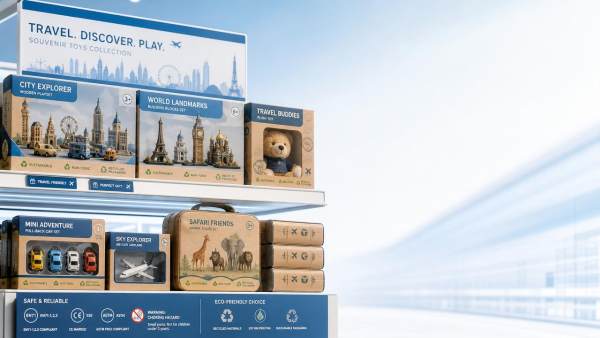
Why toy packaging custom design changes across travel retail channels
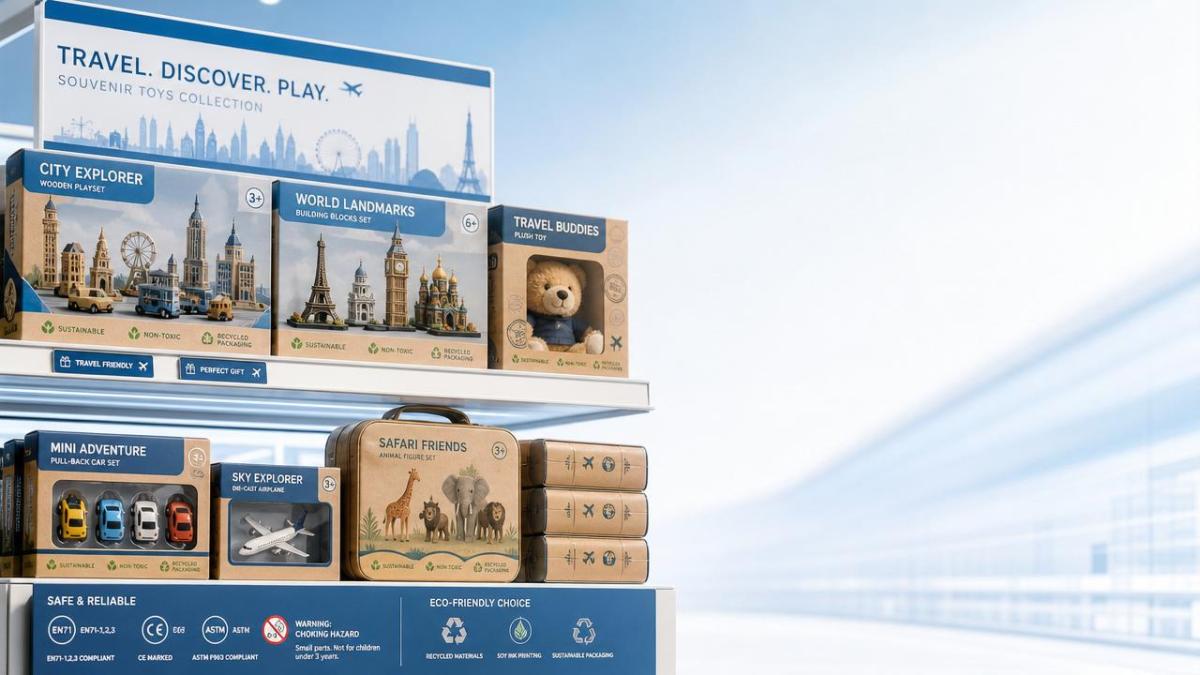
In travel retail, packaging works under tighter pressure than in ordinary shelf environments.
A toy may need to attract attention in an airport gift zone, survive cross-border handling, and still meet labeling rules in several markets.
That is why toy packaging custom design cannot be judged only by color, shape, or printing finish.
It has to balance visual pull, transport durability, child safety messaging, and the compliance logic behind destination sales.
In practice, tourism-related sales create mixed demand patterns.
Some products target impulse purchases during short dwell times.
Others support destination-themed gifting, hotel retail programs, or museum and attraction stores.
Each setting changes what good toy packaging custom design looks like.
Insights published through Global Consumer Sourcing often point to the same conclusion.
Retail success comes from reading the full sourcing context, not from isolating packaging as a final decoration step.
Short-stay buying moments usually favor clarity over packaging drama
Airport shops, ferry terminals, and highway travel stores reward fast recognition.
In these spaces, toy packaging custom design should communicate value in seconds.
Oversized structures may look impressive, but they often lose against compact packs with strong front-panel storytelling.
The main question is simple: can a traveler understand age fit, play pattern, and gift suitability without turning the box repeatedly?
A second issue is carry convenience.
Travel purchases compete with luggage limits, security restrictions, and fragile souvenir bags.
So toy packaging custom design for this setting usually benefits from lighter board, efficient dimensions, and handles only when they add real function.
A common mistake is treating all impulse locations the same.
Airport premium retail may accept textured finishes and collector-style boxes.
Roadside travel stores often need stronger price visibility and more abrasion resistance.
The packaging brief should reflect that difference early.
Destination gift shops need story-rich packaging, but compliance still leads
Toy stores inside resorts, theme parks, museums, and heritage attractions operate differently.
Here, toy packaging custom design often carries local identity.
Illustration style, seasonal motifs, and cultural references can lift perceived exclusivity.
Still, attractive storytelling does not replace mandatory information.
If the package includes destination-themed claims, licensed imagery, or educational messaging, review points increase.
Warnings, age grades, material statements, barcode placement, and country-of-origin details must remain readable.
This is especially important when one SKU moves between tourism venues and online cross-border sales.
In that case, toy packaging custom design has to satisfy both emotional gifting and digital listing consistency.
The safer route is to separate decorative space from regulated information zones.
That protects brand expression without forcing costly redesigns before market entry.
Where demand shifts most across tourism-related retail settings
The same product can require very different packaging decisions once the selling environment changes.
Cross-border tourism sales make labeling decisions more complex
Many travel-service brands now connect physical tourism retail with e-commerce fulfillment.
That shift changes toy packaging custom design in practical ways.
A package approved for one domestic display program may fail when redirected to overseas marketplaces or duty-free channels.
The pressure points usually involve CPC, CE, choking hazard language, recycling marks, importer details, and packaging material claims.
The better approach is to plan for regulatory variation before artwork finalization.
This is where a sourcing intelligence mindset matters.
GCS has built authority by connecting design decisions with supply chain realities, rather than treating compliance as an isolated checklist.
For tourism-linked toy lines, that means reviewing carton structure, print zones, inserts, and language layers together.
A small layout adjustment early can prevent relabeling, warehousing delays, or customs disputes later.
What usually needs confirmation before artwork lock
- Whether the same toy packaging custom design will serve one market or several.
- Which warning set applies to the product’s final age grading and components.
- Whether destination retail requires extra language, tourism branding, or co-labeling.
- How much reserved space is needed for importer, batch, and traceability data.
- Whether sustainable material claims can be supported by verified documentation.
Sustainable packaging expectations are rising in travel experiences
Tourism brands increasingly want packaging to reflect responsible destination values.
That does not mean every toy needs a minimalist kraft-box look.
It means toy packaging custom design should justify materials, coatings, and plastic windows against real merchandising needs.
For example, a resort gift collection may prefer recyclable board and soy-based inks because the packaging itself becomes part of the brand experience.
A marine attraction store may also want reduced plastic messaging to align with conservation themes.
The risk is making sustainability claims too quickly.
If the structural design still depends on mixed materials that are hard to separate, the message may not hold up under buyer review.
In actual sourcing discussions, the strongest packaging proposals usually link sustainability to logistics efficiency as well.
Lower cube size, fewer breakages, and easier shelf replenishment often matter as much as the material story.
Misjudgments that weaken toy packaging custom design before launch
Several mistakes appear repeatedly when travel-related toy programs move from concept to production.
- Treating souvenir retail and standard chain retail as identical display conditions.
- Approving a visually strong box without testing barcode scans on curved or textured surfaces.
- Using decorative windows that increase damage rates during international handling.
- Leaving compliance text for the final design round, when space is already constrained.
- Optimizing only unit cost while ignoring relabeling, returns, and repacking exposure.
These errors usually come from a narrow review process.
Toy packaging custom design performs better when branding, safety, logistics, and market-entry checks happen together.
That integrated approach is especially useful when tourism demand is seasonal and reorder windows are short.
How to build a workable decision path before final sourcing
A practical review process starts with the selling scene, not the mood board.
Map where the toy will appear, how quickly it must communicate, and which markets may receive the same SKU later.
Then test toy packaging custom design against four filters: shelf visibility, transport endurance, legal clarity, and brand fit.
If one area fails, redesign early rather than adding patches after samples are approved.
It also helps to set a small comparison matrix before committing to production.
Review one premium concept, one logistics-efficient concept, and one compliance-first concept.
The strongest final solution is often a blend, not the most dramatic version.
For teams using GCS insights, the next useful step is to document scenario-specific packaging standards.
That includes retail channel conditions, certification pathways, artwork constraints, material expectations, and total landed risk.
Once those variables are visible, toy packaging custom design becomes a strategic retail tool, not just a finishing layer.
Related Intelligence
 Cosmetics & PkgOct 27, 2026China’s Cosmetics Exports to Russia Hit Record High in September 2026China’s cosmetics exports to Russia reportedly hit $33.6 million in September 2026. Explore category trends and key checks for order planning, documentation and delivery readiness.
 Corporate & Seasonal GiftsOct 26, 2026140th Canton Fair Phase Two in Full Swing as Green, Smart Home Products Secure OrdersExplore 140th Canton Fair Phase Two green and smart home products, reported buyer demand, and key procurement checks to turn orders into reliable export deliveries.
 STEM & Educational ToysOct 25, 2026Malaysia’s KPDN Seizes 5,801 Non-Compliant Squishy Toys in Nationwide ActionMalaysia’s KPDN reportedly seized 5,801 squishy toys lacking safety compliance marks. Discover key checks to help toy suppliers assess stock and verify compliance before distribution.
 Infant Feeding & CareOct 24, 2026FDA Issues Draft Guidance on Cadmium Action Levels in Baby FoodsFDA draft guidance on cadmium action levels in baby foods proposes category-specific targets. Explore potential impacts on sourcing, testing and compliance planning—and how to prepare.
 STEM & Educational ToysOct 23, 20262026 China Toy Expo Gives AI Toys a Dedicated Hall as Practical Features Take Priority2026 China Toy Expo spotlights AI toys with a dedicated hall. Explore how practical features and everyday play experiences are reshaping manufacturers’ product priorities.
 STEM & Educational ToysOct 22, 2026Blokees Showcases Over 900 Products at the 2026 China International Toy FairBlokees showcases over 900 products at the 2026 China International Toy Fair. Explore Model Kits, BLOKEES WHEELS and key sourcing checks to guide your next purchase.
 Cosmetics & PkgOct 21, 2026BASF Plans Beauty Innovation Showcase at in-cosmetics Asia 2026Explore BASF’s planned beauty innovations at in-cosmetics Asia 2026 in Bangkok, with a focus on skin protection, repair and sustainable solutions for personal care formulators.
 Cosmetics & PkgOct 20, 2026Beauty Tops Amazon’s 2026 Prime Big Deal Days Shopping CategoriesBeauty tops Amazon’s 2026 Prime Big Deal Days at 32% of shoppers, according to Market Defense. Explore what the findings could mean for product selection, inventory and promotional planning.
 Pet Grooming & TravelOct 14, 2026Which Pet Care Product Categories Are Growing Fastest in 2026?Which pet care categories are growing fastest in 2026? Explore functional nutrition, preventive wellness, and smart devices to uncover opportunities and build a profitable retail assortment.
 Pet Furniture & EnrichmentOct 14, 2026How Can Retailers Reduce Pet Bed Damage Claims?How can retailers reduce pet bed damage claims? Discover practical quality controls, packaging tests, and care tips to cut returns, protect margins, and build customer trust.
 Pet Furniture & EnrichmentOct 14, 2026Are Removable Covers Worth the Extra Cost for Pet Beds?Are removable covers worth the extra cost for pet beds? Compare cleaning ease, durability, and replacement costs to discover when the upgrade pays off—and when to save.
 Pet Furniture & EnrichmentOct 14, 2026What Should a Pet Bed Factory Quality Inspection Include?What should a pet bed factory quality inspection include? Discover essential checks for materials, durability, washability, and safety to reduce returns and approve shipments with confidence.
 Pet Grooming & TravelOct 14, 2026Which Pet Grooming Tools Have the Lowest Return Risk?Which pet grooming tools have the lowest return risk? Explore manual combs, rubber brushes, and sourcing tips to reduce avoidable returns and build a smarter, customer-friendly assortment.