Ningbo Port Pilots Green Clearance Code for Infant Products
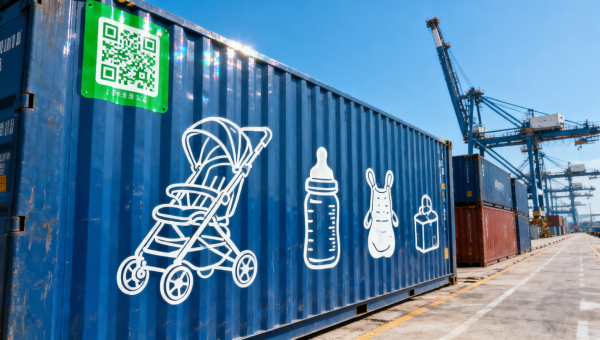
Ningbo Port launched a pilot program for a ‘Green Clearance Code’ for infant and toddler products on May 11, 2026 — the first such mechanism in China tied explicitly to GB 31701-2026 compliance. Exporters of baby gear and strollers serving international markets — particularly those targeting RCEP member countries ahead of peak seasonal demand — should monitor this development closely, as it signals a structural shift in customs efficiency for regulated children’s products.
Event Overview
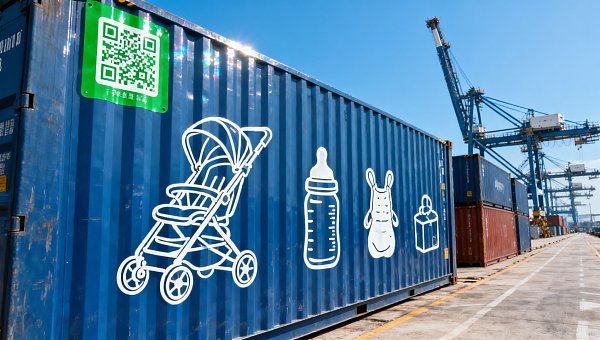
On May 11, 2026, Ningbo Customs and the Ningbo Municipal Administration for Market Regulation jointly initiated the pilot implementation of the ‘Infant Product Green Clearance Code’. Under this mechanism, exporters presenting a valid, full-scope GB 31701-2026 test report — covering all 21 required items including phthalates, heavy metals, and flammability performance — may scan a digital code at Ningbo Port to receive immediate (‘second-level’) customs release. The pilot is confirmed to reduce average export clearance time by 40%. A rollout across all seaports in the Yangtze River Delta is scheduled for June 2026.
Industries Affected
Direct Export Trading Enterprises
These companies — especially SMEs exporting baby carriers, strollers, feeding accessories, and sleep products — face direct operational impact. The clearance speed-up lowers demurrage costs and improves order fulfillment predictability for overseas buyers. However, eligibility is strictly conditional on holding an in-date, full-scope GB 31701-2026 report; partial or legacy GB 31701-2015 reports do not qualify.
Manufacturing Enterprises (OEM/ODM)
Factories producing infant products for export brands must now align internal quality control with the 21-item GB 31701-2026 scope. Unlike prior versions, the 2026 standard introduces updated thresholds for flame retardancy and expanded migration testing for certain plasticizers. Manufacturers without recent full-scope certification may experience shipment delays or rejection at the port gate — even if their goods meet older standards.
Third-Party Testing & Certification Providers
Laboratories accredited for GB 31701-2026 testing are seeing increased demand for full-panel reports. As the pilot expands regionally, capacity constraints may emerge — particularly for tests requiring extended conditioning (e.g., flammability) or specialized equipment (e.g., multi-element heavy metal analysis). Turnaround time for full reports may become a bottleneck for time-sensitive shipments.
Supply Chain & Logistics Service Providers
Cargo agents, freight forwarders, and customs brokers handling infant product consignments must update documentation workflows to verify GB 31701-2026 report validity *before* cargo arrival at Ningbo Port. Digital scanning relies on QR-coded reports linked to official verification platforms; paper-only or non-integrated reports will not trigger green clearance.
What Relevant Enterprises or Practitioners Should Monitor and Do Now
Track official rollout timelines and scope definitions
While the June 2026 expansion to Yangtze River Delta ports is announced, the exact list of covered ports, accepted report formats (e.g., CNAS-accredited only), and whether third-country test reports (e.g., ASTM F963-based) will be cross-recognized remain unconfirmed. Enterprises should subscribe to official notices from General Administration of Customs of China and provincial market supervision bureaus.
Verify current test reports against GB 31701-2026’s 21-item scope
GB 31701-2026 includes new requirements not present in earlier editions — notably revised limits for antimony and arsenic, mandatory testing for six additional phthalates, and updated fabric burn rate methodology. Exporters should request itemized test summaries from labs, not just pass/fail statements, to confirm full compliance.
Distinguish between policy signal and operational readiness
The pilot reflects a regulatory intent to accelerate compliant trade — but does not relax safety requirements. A ‘green code’ is not a substitute for product conformity; non-compliant goods cleared via the code remain subject to post-clearance supervision, recall, or penalties under China’s Product Quality Law. Companies should treat the code as a logistics enabler, not a compliance shortcut.
Prepare documentation and lab coordination in advance
Since report validity windows matter (e.g., some physical tests have 6-month expiry clauses), enterprises should schedule retesting cycles aligned with anticipated shipment windows — especially for high-volume SKUs. Forwarders should also pre-validate QR-code generation procedures with their testing partners to avoid port-side verification failures.
Editorial Perspective / Industry Observation
Observably, this initiative functions less as a standalone policy change and more as an infrastructure layer enabling faster enforcement of existing safety rules. It does not alter GB 31701-2026’s technical content, but significantly raises the operational cost of non-compliance — by making clearance delays predictable and preventable *only* through upfront, full-scope validation. Analysis shows that its real significance lies in signaling how Chinese regulators may increasingly link digital traceability with regulatory outcomes across other high-risk consumer categories (e.g., cosmetics, toys, children’s furniture). For now, it remains a pilot — meaning its scalability, interoperability with non-Ningbo systems, and integration with RCEP’s mutual recognition frameworks are still pending observation.
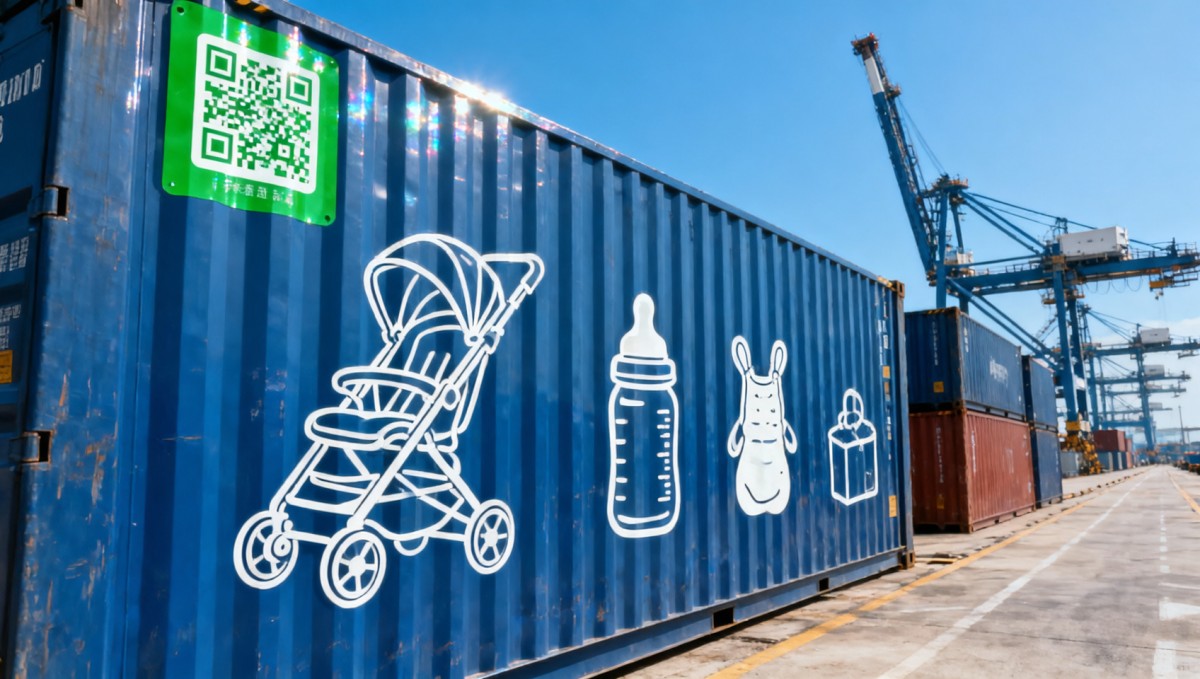
Conclusion: The Ningbo Green Clearance Code is not a relaxation of standards, but a precision tool for enforcing them — rewarding preparedness and penalizing procedural gaps. Its value emerges not from novelty, but from execution discipline: it converts compliance documentation into a verifiable, actionable asset at the border. For stakeholders, it is best understood not as a ‘fast lane’, but as a calibrated checkpoint — where speed is earned through consistency, not granted by exception.
Source: Official joint announcement by Ningbo Customs and Ningbo Municipal Administration for Market Regulation, issued May 11, 2026. Note: Expansion timeline to Yangtze River Delta ports and final technical implementation details (e.g., QR verification backend, report validity rules) remain under active notice and require ongoing monitoring.
Related Intelligence
 Camping & WaterMay 13, 2026US CPSC Tightens Aluminum Migration Limit for Camping CookwareUS CPSC tightens aluminum migration limit for camping cookware to 0.5 mg/kg—urgent compliance, testing & documentation updates required for exporters.
 Nursery Furniture & MonitorsMay 13, 2026Ho Chi Minh Port Launches Green Lane for Smart Baby MonitorsSmart baby monitors now enjoy zero-wait clearance at Ho Chi Minh Port under the new Green Lane — IEC 62368-1:2026 + GDPR compliance required.
 Baby Gear & StrollersMay 13, 2026Ningbo Port Pilots Green Clearance Code for Infant ProductsGreen Clearance Code for infant products launched at Ningbo Port — fast-track customs under GB 31701-2026. Boost export speed, cut delays, and stay RCEP-ready.
 Cosmetics & PkgMay 13, 2026EU EN 14683:2026 Enforced for Medical Masks & Barrier PackagingEU EN 14683:2026 now mandates particulate filtration testing for medical masks AND barrier packaging—key for cosmetic pouches, spray liners & EU exports. Act now.
 Activewear OEMMay 13, 2026Malaysia Enforces UPF Retesting for Children's ActivewearUPF retesting is now mandatory for children's activewear imported into Malaysia under MS ISO 18287:2026 — avoid delays, rejections & cost overruns. Act now!
 Smart Pet DevicesMay 13, 2026RCEP ASEAN Secretariat Exempts Cambodia, Laos from VAT on Smart Pet DevicesRCEP ASEAN Secretariat exempts Cambodia & Laos from VAT on smart pet devices — boost margins, accelerate market entry for exporters and OEMs now.
 Infant Feeding & CareMay 13, 2026Vietnam MFDS Enforces New Microbial Standards for Infant Feeding ProductsVietnam MFDS enforces strict new microbial standards for infant feeding products — learn how QCVN 17:2026/BYT impacts exporters, manufacturers & supply chains.
 STEM & Educational ToysMay 13, 2026EU CE Update: STEM Toys with Voice AI Must Pass Child Induction Resistance TestingSTEM toys with voice AI must now pass EU CE child induction resistance testing — learn how EN 63282:2026 impacts compliance, supply chains & market access.
 Beauty DevicesMay 13, 2026FDA Releases Final Draft AI Cosmetic Device GuidanceFDA's new AI cosmetic device guidance mandates clinical validation & algorithmic equity—key for global manufacturers. Act now to meet May 15 pre-submission deadline.
 Beauty DevicesMay 13, 2026SASO Updates Beauty Device Registration: Firmware Hash & OTA Logs Mandatory from May 12, 2026SASO beauty device registration now requires firmware hash & OTA logs from May 12, 2026 — avoid customs delays. Essential for AI beauty devices, ODMs & exporters to Saudi Arabia.
 Infant Feeding & CareMay 13, 2026What Brand Success Looks Like in Private Label Baby CareBrand success in private label baby care for travel service depends on safety, compliance, portability, and agile supply. Discover what helps family-focused products scale and earn trust.
 Nursery Furniture & MonitorsMay 13, 2026Baby Bedding Compliance: Fabrics, Labels, and Safety Red FlagsBaby bedding compliance guide for travel service teams: review fabrics, labels, laundering durability, and hidden safety red flags to reduce risk and protect family guest trust.
 Nursery Furniture & MonitorsMay 13, 2026Nursery Decor Ideas That Balance Safety, Style, and Easy SetupNursery decor for hotels, resorts, apartments, and cruises: discover safe, stylish, easy-install ideas that enhance family-friendly stays, streamline operations, and boost booking appeal.