
South Korea Extends Fuel Tax Cut to July 31, 2026
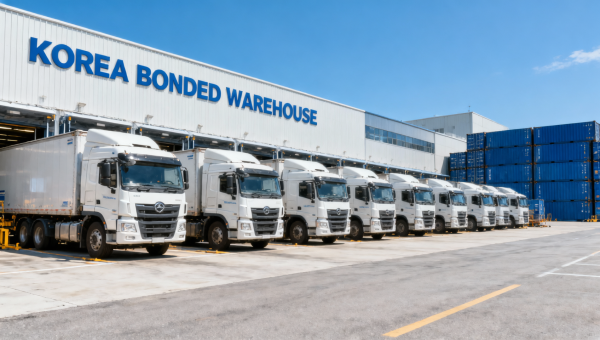
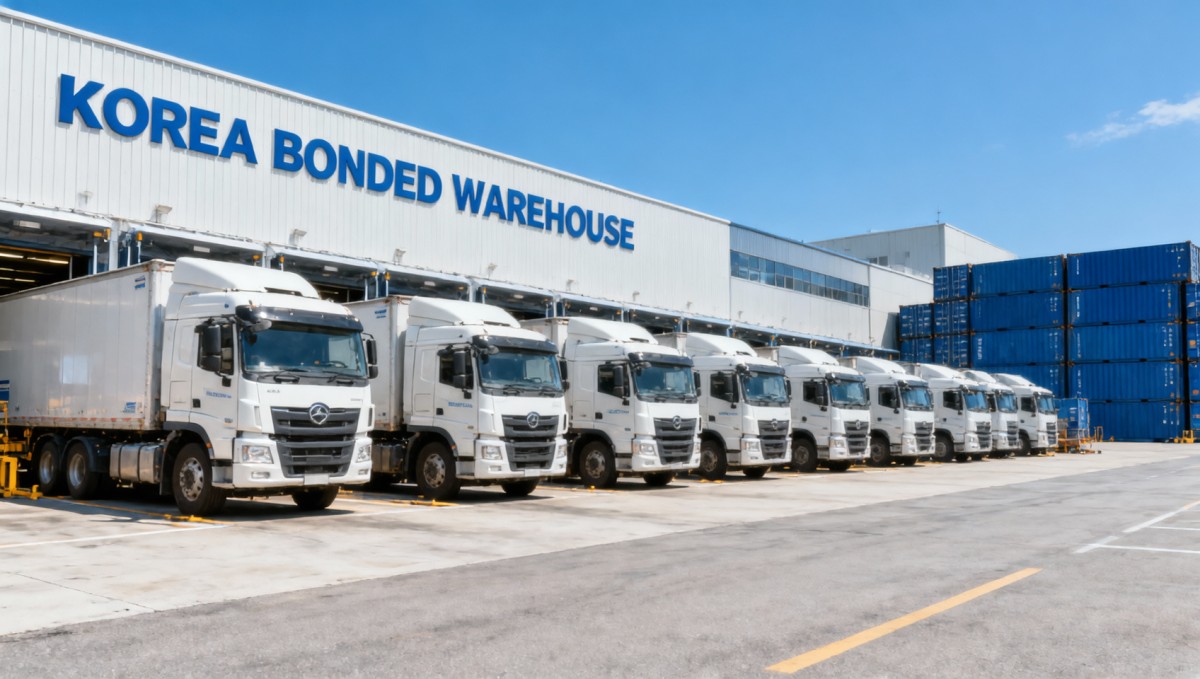
South Korea has extended its fuel tax reduction policy by two months — now valid through July 31, 2026 — effective as of May 21, 2026. The move aims to ease transportation and warehousing cost pressures across domestic logistics networks, with measurable implications for exporters in infant gear, smart pet devices, and outdoor recreation categories relying on Korean bonded warehouses and last-mile distribution within the region.
Event Overview
On May 21, 2026, the South Korean government announced the extension of the temporary fuel tax exemption for road transport fuels until July 31, 2026. The policy applies to diesel and gasoline used in commercial freight vehicles, inland haulage, and warehouse-based distribution operations. No changes were made to import duties, VAT, or customs valuation rules; the measure is strictly a domestic excise relief targeting logistics cost inflation.
Industries Affected
Direct Exporting Enterprises: Companies exporting baby strollers, smart pet collars and feeders, and camping/water sports equipment (e.g., inflatable kayaks, portable water purifiers) benefit from lower landed costs in Korea. Since many use Korean bonded logistics hubs for regional fulfillment — especially for cross-border e-commerce into Japan, Southeast Asia, and Oceania — reduced fuel levies translate directly into faster inland transit times and more predictable delivery windows. Price stability for buyers improves, though export invoice values remain unchanged.
Raw Material Sourcing Firms: Suppliers of polymer components (e.g., PP/PE for stroller frames), lithium batteries (for pet trackers), or coated fabrics (for tents and dry bags) face no direct tax impact. However, observably, their Korean-based procurement partners report tighter scheduling windows and margin pressure to absorb rising inland freight bids — meaning sourcing firms may see accelerated PO cycles and slightly higher demand for just-in-time delivery capability.
Contract Manufacturing & Assembly Facilities: Factories operating in Incheon or Busan Free Economic Zones — particularly those handling final assembly, kitting, or light customization for regional SKUs — experience modest but tangible reductions in inbound material transport costs and outbound dispatch expenses. Analysis shows this may support marginal improvements in unit-level landed cost calculations for clients using hybrid ‘sea freight + Korean staging’ models, though labor and utility costs remain unaffected.
Logistics & Supply Chain Service Providers: Third-party logistics (3PL) operators, customs brokers with Korean warehousing capacity, and cross-border fulfillment platforms gain operational leverage. Lower fuel surcharges improve margin resilience during peak season (Q3–Q4), and some providers are already adjusting service-level agreements (SLAs) to highlight ‘faster Korean hub turnaround’ — not as a new capability, but as a reinforced advantage under current fiscal conditions.
Key Considerations and Recommended Actions
Verify eligibility and scope of fuel tax relief in your Korean logistics contracts
Not all carriers or warehousing partners pass through fuel tax savings automatically. Exporters should review existing service agreements — especially clauses referencing ‘fuel adjustment factor’ (FAF) or ‘diesel surcharge’ — and request updated rate sheets reflecting the extended exemption period.
Reassess regional inventory positioning strategies
The extended window offers a low-risk opportunity to test increased stockholding at Korean bonded facilities. For brands targeting ASEAN or ANZ markets, even modest buffer inventory in Korea can reduce reliance on transshipment via China or Singapore — cutting average delivery time by 2–4 days without capitalizing on tariff preferences.
Update buyer communications on regional fulfillment reliability
Overseas buyers — especially mid-sized e-commerce retailers — increasingly prioritize consistent lead times over absolute lowest landed cost. Exporters can proactively reference the fuel tax extension in commercial proposals to reinforce confidence in Korean-hub-based order execution, particularly ahead of Q3 promotional cycles.
Editorial Insight / Industry Observation
This extension is better understood as a tactical liquidity measure than a structural reform. Observably, it reflects Seoul’s growing sensitivity to logistics cost volatility amid tightening global shipping capacity and rising insurance premiums for Asian coastal routes. From an industry perspective, the policy does not alter long-term trade competitiveness — but it does widen the short-term operational margin for exporters who have already invested in Korean infrastructure integration. Current focus remains on execution fidelity: how quickly and transparently the relief flows through multi-tiered logistics contracts.
Conclusion
The fuel tax extension provides a narrow but actionable tailwind for specific export segments — not as a market-entry catalyst, but as a reinforcement tool for companies already active in Korea’s regional fulfillment ecosystem. Its real-world value hinges less on headline rates and more on consistency: sustained predictability in inland movement costs supports planning discipline across procurement, production, and customer service functions.
Source Attribution
Official announcement issued by the Ministry of Economy and Finance (South Korea), May 21, 2026; confirmed via the Korea Customs Service Notice #KCS-2026-047. Further updates on implementation guidelines — including verification mechanisms for eligible carriers and reporting requirements for bonded warehouse operators — remain pending and will be monitored closely.
Related Intelligence
 Skincare OEMAug 16, 2026Amazon Enforces AI Human Metadata Rule for Beauty and Personal Care SellersAmazon now enforces AI human metadata rules for beauty sellers. Learn how to protect listings, traffic, and compliance in skincare, cosmetics, and beauty devices.
 Beauty DevicesAug 15, 2026China to Roll Out Nationwide Cross-Border Cash Pooling for MultinationalsChina to roll out nationwide cross-border cash pooling for multinationals from Sept. 14. Discover how this policy could improve treasury efficiency, liquidity management, and China-linked supply chains.
 Beauty DevicesAug 14, 2026China Imposes Temporary Export Ban on Helium, Affecting Cooling Supply ChainsChina's temporary helium export ban may disrupt cooling supply chains for beauty RF devices and laser systems. Learn what ODMs, buyers, and procurement teams should check now.
![]() Cosmetics & PkgAug 13, 2026PPWR becomes mandatory: Beauty and personal care packaging materials usher in new EPR and PFAS compliance requirementsPPWR takes effect for cosmetics packaging in the EU, bringing EPR registration and PFAS limits. Learn what brands, importers, and suppliers must do now.
Cosmetics & PkgAug 13, 2026PPWR becomes mandatory: Beauty and personal care packaging materials usher in new EPR and PFAS compliance requirementsPPWR takes effect for cosmetics packaging in the EU, bringing EPR registration and PFAS limits. Learn what brands, importers, and suppliers must do now. Cosmetics & PkgAug 12, 2026EU PPWR Now Enforced for Beauty Packaging ComplianceEU PPWR now enforced for beauty packaging compliance: learn how EPR, ERN, heavy metals and PFAS rules affect EU exports, customs clearance and platform sales.
 Cosmetics & PkgAug 11, 2026EU PPWR Rules Take Effect on Aug. 12 for Beauty PackagingEU PPWR rules for beauty packaging take effect on Aug. 12, 2026. Learn key compliance steps, EPR, labeling, PFAS limits, and how to avoid customs delays and fines.
 Smart Pet DevicesAug 10, 2026EU EPR Rules to Cover Smart Pet Devices on Aug. 15EU EPR Rules will cover smart pet devices from Aug. 15, 2026. Learn how smart collars, feeders, and monitoring devices can avoid delisting, customs delays, and compliance risks in the EU.
 Infant Feeding & CareAug 09, 2026CPSC Recalls Baby Sleep Sacks Over Undeclared TDCPPCPSC Recalls Baby Sleep Sacks Over Undeclared TDCPP: learn how this 2026 recall impacts CPC documents, third-party testing, and U.S. baby product compliance for exporters.
 Infant Feeding & CareAug 08, 2026ECHA Adds 5 SVHCs, Importer Notices Due From Oct 2026ECHA adds 5 SVHCs to the Candidate List, with importer notices due from October 2026. Learn how REACH affects exporters, supply chains, and documentation readiness.
 Baby Gear & StrollersAug 07, 2026CPSC Revises Crib Rail Standard for November 2026CPSC revises crib rail standard for November 2026, adding dynamic impact tests and mandatory third-party lab testing. Learn how the new rule affects U.S. market access, compliance, and shipments.
 Electronic & RC ToysAug 06, 2026EU to Require EN IEC 62115:2025 for Electronic ToysEU to Require EN IEC 62115:2025 for Electronic Toys from Oct 1, 2026. Learn scope, battery and AI safety updates, CE compliance risks, and how exporters can avoid customs delays.
 Baby Gear & StrollersAug 05, 2026US Stroller Stability Rule Takes Effect Aug. 15US Stroller Stability Rule Takes Effect Aug. 15: learn how new U.S. stroller compliance, ASTM F833-26a, and CPSC testing rules may affect imports, certification, and shipment readiness.
 Infant Feeding & CareAug 04, 2026ECHA Adds 5 SVHCs, Triggering Baby Care Export ReviewECHA adds 5 SVHCs, prompting an urgent baby care export review for EU-bound products. Learn the 0.1% threshold risks, compliance steps, and how to avoid customs delays and fines.












