
How to Evaluate Performance Sportswear Tops for Breathability and Fit
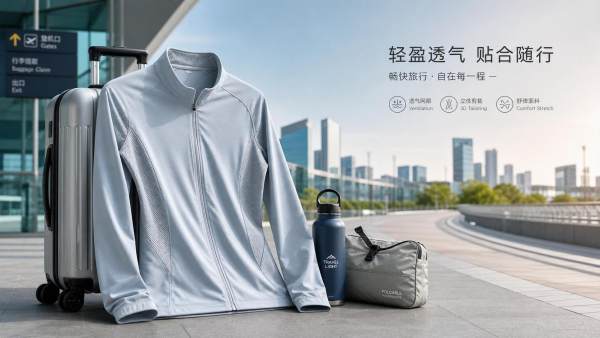
How to Evaluate Performance Sportswear Tops for Breathability and Fit
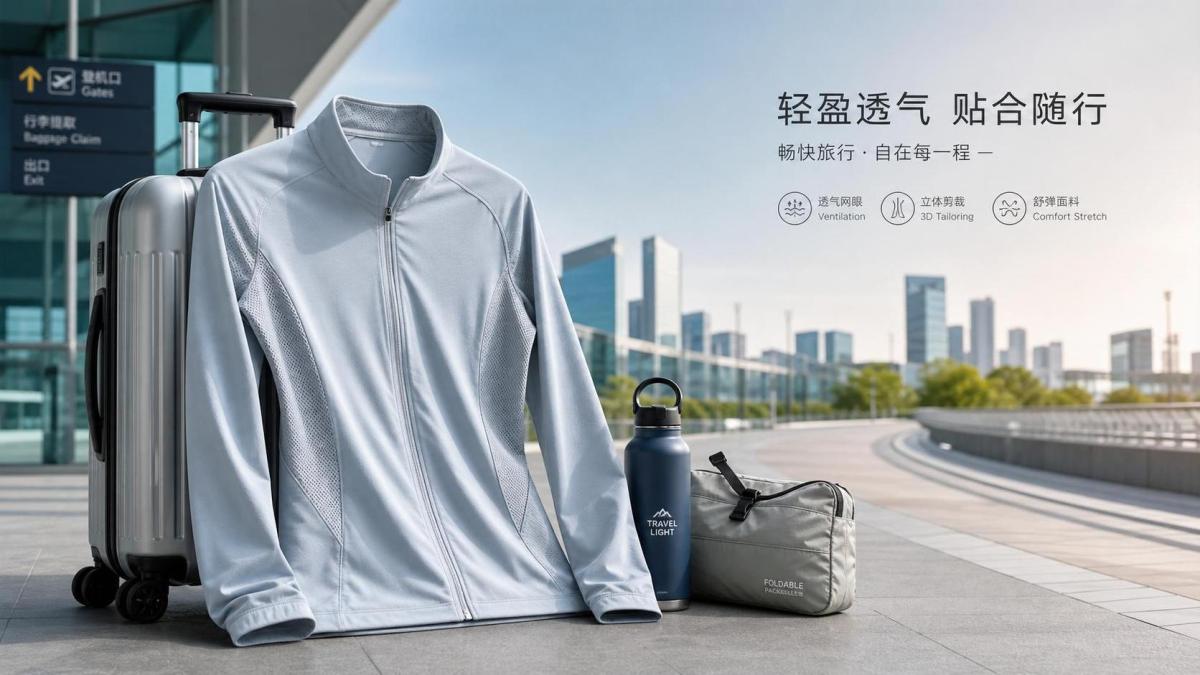
Choosing performance sportswear tops is not only about style.
It affects comfort, movement, moisture control, and repeat purchase satisfaction.
That matters even more in travel-related retail.
Travel shoppers want versatile items that perform across airports, city walks, hotel gyms, and outdoor activities.
So, when evaluating performance sportswear tops, breathability and fit should lead the decision.
A top can look technical on the hanger and still fail in real use.
The better approach is to assess materials, construction, body mapping, and wear behavior together.
This guide breaks down what to check before comparing suppliers or selecting final products.
Why Breathability Matters in Performance Sportswear Tops
Breathability is the ability of fabric to release heat and moisture vapor.
In practice, it helps wearers stay drier and feel less sticky during movement.
For travel retail, that benefit is easy to understand and easy to sell.
People often wear one top for long hours between different climates and activity levels.
Poor breathability leads to overheating, odor build-up, and visible sweat patches.
That usually means lower satisfaction and more complaints.
Strong performance sportswear tops manage both airflow and moisture transfer.
One without the other is often not enough.
A fabric may wick sweat but still trap heat.
Another may feel airy at rest but collapse once damp.
Key Signs of Good Breathability
- Lightweight fabric with consistent air passage
- Moisture-wicking yarn or finish
- Mesh panels in high-heat zones
- Quick drying after light sweat or washing
- No heavy cling when damp
These indicators help filter products quickly before deeper testing starts.
How Fit Changes the Real Value of Performance Sportswear Tops
Fit shapes the actual wearing experience more than many buyers expect.
Even highly breathable performance sportswear tops can underperform if the cut is wrong.
A top that is too tight can restrict airflow and movement.
A top that is too loose may shift, bunch, or feel sloppy during activity.
The right fit depends on the intended use.
Running tops, studio tops, hiking tops, and travel activewear often need different balances.
From a selection standpoint, fit should be judged in motion, not just in static measurements.
What to Check in Fit Assessment
- Shoulder alignment should sit cleanly without pulling.
- Chest and upper back should allow arm reach.
- Sleeves should not cut into the underarm area.
- Hem length should stay stable during bending or stretching.
- Neck opening should feel secure without pressure.
This is where wear trials become more useful than flat spec sheets.
Fabric and Construction Points Worth Comparing
When comparing performance sportswear tops, fabric content is only the starting point.
The knit structure, yarn type, and panel layout often matter just as much.
Polyester blends usually dry faster and support stronger moisture management.
Nylon blends often feel smoother and more durable.
Elastane adds stretch, but too much can reduce the airy feel.
That tradeoff should be checked carefully.
High-Value Construction Details
- Flatlock seams to reduce rubbing
- Laser-cut or ventilated zones for heat release
- Raglan sleeves for easier shoulder movement
- Side panels that improve shaping and airflow
- Anti-odor treatments for long travel wear
More noticeably, construction quality often separates premium tops from average ones.
A good fabric can still disappoint if seam placement creates friction.
That is common around the underarm, shoulder, and side waist.
A Practical Evaluation Method for Breathability and Fit
A reliable selection process should combine lab data, supplier information, and simple wear checks.
That gives a fuller picture of how performance sportswear tops behave outside the showroom.
Step 1: Review Technical Claims
Start with fabric weight, composition, stretch rate, and moisture management claims.
Ask whether test results are based on recognized methods.
If claims sound vague, the risk is usually higher.
Step 2: Run a Hand Feel and Recovery Check
Touch the fabric dry and slightly damp.
Check whether it feels cool, sticky, rough, or heavy.
Then stretch key areas lightly and see how fast they recover.
Step 3: Test Movement
Raise arms, twist the torso, bend forward, and simulate walking pace.
Good performance sportswear tops stay stable without pressure points.
They should also avoid riding up or folding sharply at the waist.
Step 4: Check Drying and Sweat Response
Lightly mist or spot-wet the inside and outside.
Compare how quickly moisture spreads and disappears.
Uneven drying often points to weaker real-world comfort.
Step 5: Evaluate After Washing
Wash and dry samples at least once before final judgment.
Some performance sportswear tops lose shape, softness, or odor control quickly.
That is a hidden cost in long-term product quality.
Common Mistakes When Selecting Performance Sportswear Tops
Several mistakes keep showing up in activewear sourcing and retail selection.
Most of them come from relying on appearance over performance.
In actual buying decisions, context matters as much as fabric technology.
How to Match Performance Sportswear Tops to Travel Retail Needs
Travel shoppers usually want fewer items that do more.
That makes multi-use performance sportswear tops especially valuable.
The strongest options work across transit, exercise, sightseeing, and casual downtime.
A balanced fit usually performs better here than an extreme compression cut.
Breathability should stay effective in humid, layered, and long-wear conditions.
Low wrinkle appearance also supports perceived value.
For this reason, top selection should connect use scenario, climate profile, and customer expectation.
A Simple Decision Filter
- Choose lighter tops for hot climates and packable travel assortments.
- Choose slightly structured tops for mixed indoor and outdoor use.
- Prioritize odor control for long transit and repeat wear situations.
- Prefer versatile silhouettes that look active but not overly technical.
This approach supports better sell-through and fewer mismatched products.
Final Decision Checklist for Performance Sportswear Tops
Before confirming an order, use a short checklist.
- Does the fabric release heat and dry quickly?
- Does the fit stay comfortable during movement?
- Are seams and panel placements comfortable in high-friction areas?
- Does the top still perform after washing?
- Does it match the travel use case it is meant to serve?
The best performance sportswear tops are not defined by one feature alone.
They combine breathable fabric, stable fit, thoughtful construction, and clear end-use alignment.
When those factors are evaluated together, selection becomes more accurate and more commercially useful.
That is the most practical way to identify performance sportswear tops that hold up in real wear and real retail decisions.
Related Intelligence
 Skincare OEMAug 16, 2026Amazon Enforces AI Human Metadata Rule for Beauty and Personal Care SellersAmazon now enforces AI human metadata rules for beauty sellers. Learn how to protect listings, traffic, and compliance in skincare, cosmetics, and beauty devices.
 Beauty DevicesAug 15, 2026China to Roll Out Nationwide Cross-Border Cash Pooling for MultinationalsChina to roll out nationwide cross-border cash pooling for multinationals from Sept. 14. Discover how this policy could improve treasury efficiency, liquidity management, and China-linked supply chains.
 Beauty DevicesAug 14, 2026China Imposes Temporary Export Ban on Helium, Affecting Cooling Supply ChainsChina's temporary helium export ban may disrupt cooling supply chains for beauty RF devices and laser systems. Learn what ODMs, buyers, and procurement teams should check now.
![]() Cosmetics & PkgAug 13, 2026PPWR becomes mandatory: Beauty and personal care packaging materials usher in new EPR and PFAS compliance requirementsPPWR takes effect for cosmetics packaging in the EU, bringing EPR registration and PFAS limits. Learn what brands, importers, and suppliers must do now.
Cosmetics & PkgAug 13, 2026PPWR becomes mandatory: Beauty and personal care packaging materials usher in new EPR and PFAS compliance requirementsPPWR takes effect for cosmetics packaging in the EU, bringing EPR registration and PFAS limits. Learn what brands, importers, and suppliers must do now. Cosmetics & PkgAug 12, 2026EU PPWR Now Enforced for Beauty Packaging ComplianceEU PPWR now enforced for beauty packaging compliance: learn how EPR, ERN, heavy metals and PFAS rules affect EU exports, customs clearance and platform sales.
 Cosmetics & PkgAug 11, 2026EU PPWR Rules Take Effect on Aug. 12 for Beauty PackagingEU PPWR rules for beauty packaging take effect on Aug. 12, 2026. Learn key compliance steps, EPR, labeling, PFAS limits, and how to avoid customs delays and fines.
 Smart Pet DevicesAug 10, 2026EU EPR Rules to Cover Smart Pet Devices on Aug. 15EU EPR Rules will cover smart pet devices from Aug. 15, 2026. Learn how smart collars, feeders, and monitoring devices can avoid delisting, customs delays, and compliance risks in the EU.
 Infant Feeding & CareAug 09, 2026CPSC Recalls Baby Sleep Sacks Over Undeclared TDCPPCPSC Recalls Baby Sleep Sacks Over Undeclared TDCPP: learn how this 2026 recall impacts CPC documents, third-party testing, and U.S. baby product compliance for exporters.
 Infant Feeding & CareAug 08, 2026ECHA Adds 5 SVHCs, Importer Notices Due From Oct 2026ECHA adds 5 SVHCs to the Candidate List, with importer notices due from October 2026. Learn how REACH affects exporters, supply chains, and documentation readiness.
 Baby Gear & StrollersAug 07, 2026CPSC Revises Crib Rail Standard for November 2026CPSC revises crib rail standard for November 2026, adding dynamic impact tests and mandatory third-party lab testing. Learn how the new rule affects U.S. market access, compliance, and shipments.
 Electronic & RC ToysAug 06, 2026EU to Require EN IEC 62115:2025 for Electronic ToysEU to Require EN IEC 62115:2025 for Electronic Toys from Oct 1, 2026. Learn scope, battery and AI safety updates, CE compliance risks, and how exporters can avoid customs delays.
 Baby Gear & StrollersAug 05, 2026US Stroller Stability Rule Takes Effect Aug. 15US Stroller Stability Rule Takes Effect Aug. 15: learn how new U.S. stroller compliance, ASTM F833-26a, and CPSC testing rules may affect imports, certification, and shipment readiness.
 Infant Feeding & CareAug 04, 2026ECHA Adds 5 SVHCs, Triggering Baby Care Export ReviewECHA adds 5 SVHCs, prompting an urgent baby care export review for EU-bound products. Learn the 0.1% threshold risks, compliance steps, and how to avoid customs delays and fines.












