
Sports and Outdoor Wholesale Price: How to Compare Quotes Without Hidden Costs
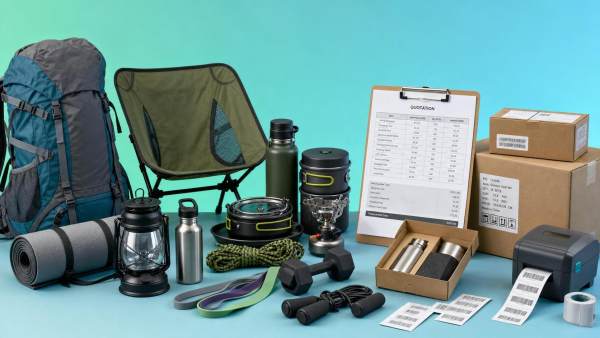
Sports and Outdoor Wholesale Price: How to Compare Quotes Without Hidden Costs
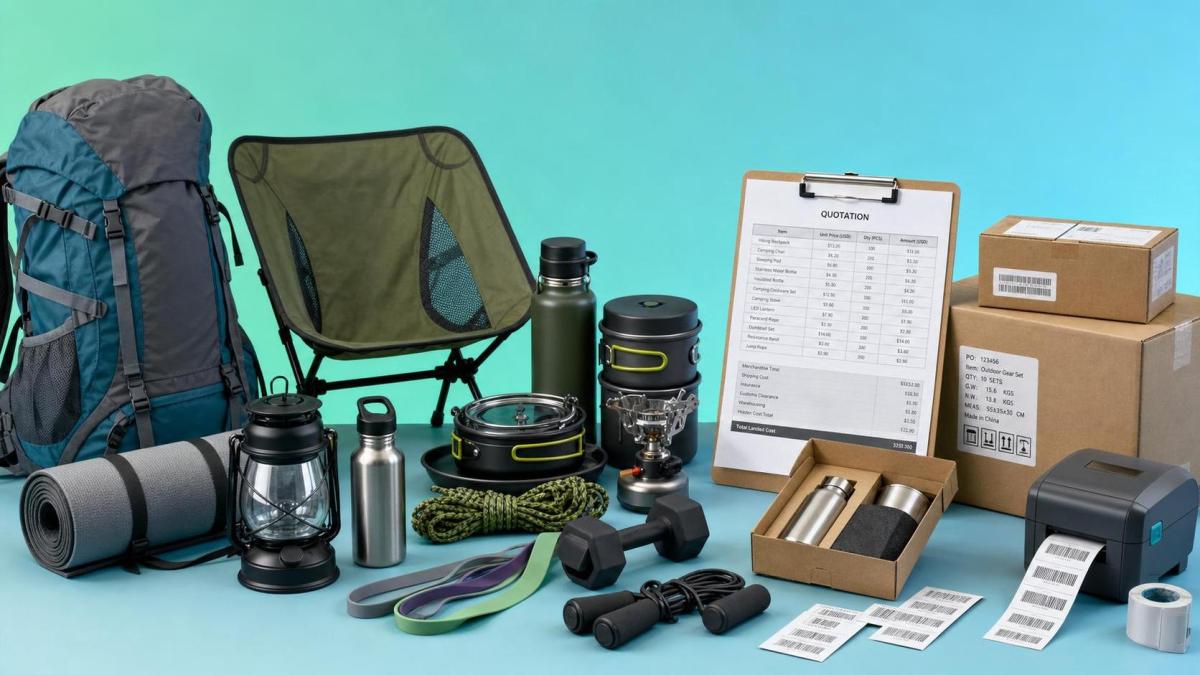
Comparing a sports and outdoor wholesale price should never stop at the lowest unit cost.
In sourcing, the cheapest quote often becomes the most expensive order after add-ons appear.
That is especially true in travel service retail channels tied to seasonal outdoor demand.
Camping kits, hydration gear, fitness accessories, and travel-ready sports products carry layered costs.
Tooling, testing, packaging, labeling, and freight terms can distort a sports and outdoor wholesale price very quickly.
A clean comparison method helps protect margin, forecast cash flow, and reduce supplier risk.
This guide explains how to read supplier quotes like a cost analyst, not just a buyer.
Why the Unit Price Alone Misleads
A unit price is only one line in the full landed cost equation.
Suppliers may quote aggressively to win attention, then recover margin through supporting charges.
In actual sourcing, this happens most often with custom colors, logos, inserts, and export packaging.
A sports and outdoor wholesale price may look competitive under EXW terms but lose value under real delivery conditions.
More importantly, low quotes can hide quality shortcuts that create returns, delays, or compliance exposure.
For travel service product lines, late delivery can also miss peak booking seasons and retail windows.
Common hidden cost areas
- Mold, tooling, or sampling charges
- Private label artwork adjustment fees
- Retail packaging and barcode setup
- Compliance testing for CE, CPC, or material safety
- Carton upgrades for long-haul shipping
- Port surcharges, duties, and destination handling
- Defect allowances and after-sales replacement costs
Build a Like-for-Like Quote Comparison Sheet
The fastest way to compare a sports and outdoor wholesale price is to standardize every quote input.
Do not compare supplier PDFs line by line in their original formats.
Instead, rebuild each offer in one sheet using the same assumptions.
This is where hidden differences become visible.
Fields that must be normalized
- Product specification, materials, dimensions, and weight
- MOQ and price breaks
- Incoterm, usually EXW, FOB, or DDP
- Packaging format and carton count
- Compliance scope and certification ownership
- Lead time for sample and mass production
- Payment terms and deposit ratio
- Warranty, defect rate policy, and claim handling
Once these fields match, the sports and outdoor wholesale price becomes much easier to evaluate fairly.
Without that step, buyers often compare different products, service levels, or delivery obligations.
Check Incoterms Before You Trust Any Sports and Outdoor Wholesale Price
Incoterms change the real meaning of a quote more than many teams expect.
An EXW price excludes almost everything after factory pickup.
A FOB price covers export handling up to the port of loading.
A DDP quote may include duties and local delivery, but only if the scope is clearly defined.
This matters a lot for bulky outdoor items and mixed-SKU travel assortments.
Always restate every sports and outdoor wholesale price under one chosen trade term before making a final comparison.
Audit Packaging, Compliance, and Customization Costs
These three areas create the widest gap between quoted price and payable cost.
Packaging is a common blind spot in sports and outdoor sourcing.
A plain polybag and a retail-ready gift box can change the final quote significantly.
The same goes for color sleeves, hangtags, inserts, and multilingual instructions.
Compliance adds another layer.
Products used in outdoor activity, hydration, or children-adjacent travel settings may need more testing than expected.
Ask whether certificates already exist or must be generated for your exact SKU.
Questions that expose cost leakage
- Is packaging included in the quoted sports and outdoor wholesale price?
- Does logo printing require a separate setup fee?
- Who pays for lab testing if regulations change?
- Are spare parts or replacement units built into the agreement?
- Is carton drop testing included for export shipments?
In practice, clear answers here often matter more than a small unit price difference.
Measure Supplier Reliability Alongside Price
A realistic sports and outdoor wholesale price includes operational risk, not just invoice value.
A supplier with stable processes may save more than a cheaper factory with weak execution.
This becomes more obvious when launch dates are tight or replenishment cycles are short.
Travel service demand can shift fast with weather, events, and seasonal booking trends.
A delayed container can wipe out the savings from a lower quote.
Supplier checks worth scoring
- On-time delivery history
- Factory audit status and production capacity
- Response speed during quotation changes
- Quality consistency across repeat orders
- Transparency on raw material sourcing
- Experience with destination market compliance
Scoring these factors gives context to every sports and outdoor wholesale price under review.
Use Total Landed Cost, Not Just Quoted Cost
The best procurement decisions come from landed cost analysis.
That means adding all pre-shipment, in-transit, and post-arrival expenses to the supplier quote.
Once that model is built, a sports and outdoor wholesale price becomes easier to benchmark across regions and vendors.
Typical landed cost components
- Quoted product cost
- Sample, tooling, and setup charges
- Packaging and labeling
- Inspection and lab testing
- Freight, insurance, and customs
- Warehousing and last-mile distribution
- Expected defect, return, or replacement expense
This approach also supports cleaner margin planning for private label and travel retail programs.
It replaces guesswork with a sourcing model that can actually scale.
A Practical Decision Framework for Final Quote Selection
When several suppliers look close, use a weighted comparison instead of debating price in isolation.
A practical framework keeps the process objective.
Suggested weighting model
- 35% total landed sports and outdoor wholesale price
- 20% compliance and documentation readiness
- 20% delivery reliability
- 15% quality and defect history
- 10% communication speed and flexibility
This prevents one low quote from overpowering every other sourcing signal.
It also helps teams explain award decisions internally with fewer disputes.
Final Takeaway
A strong sourcing decision starts with a better reading of the quote.
The real value of a sports and outdoor wholesale price appears only after terms, packaging, compliance, logistics, and supplier reliability are aligned.
In a market shaped by fast trend shifts and margin pressure, disciplined quote comparison is a competitive advantage.
Use a like-for-like template, calculate landed cost, and challenge every unclear charge before confirming the order.
That is how procurement teams turn quote review into smarter, more profitable sourcing.
Related Intelligence
 Skincare OEMAug 16, 2026Amazon Enforces AI Human Metadata Rule for Beauty and Personal Care SellersAmazon now enforces AI human metadata rules for beauty sellers. Learn how to protect listings, traffic, and compliance in skincare, cosmetics, and beauty devices.
 Beauty DevicesAug 15, 2026China to Roll Out Nationwide Cross-Border Cash Pooling for MultinationalsChina to roll out nationwide cross-border cash pooling for multinationals from Sept. 14. Discover how this policy could improve treasury efficiency, liquidity management, and China-linked supply chains.
 Beauty DevicesAug 14, 2026China Imposes Temporary Export Ban on Helium, Affecting Cooling Supply ChainsChina's temporary helium export ban may disrupt cooling supply chains for beauty RF devices and laser systems. Learn what ODMs, buyers, and procurement teams should check now.
![]() Cosmetics & PkgAug 13, 2026PPWR becomes mandatory: Beauty and personal care packaging materials usher in new EPR and PFAS compliance requirementsPPWR takes effect for cosmetics packaging in the EU, bringing EPR registration and PFAS limits. Learn what brands, importers, and suppliers must do now.
Cosmetics & PkgAug 13, 2026PPWR becomes mandatory: Beauty and personal care packaging materials usher in new EPR and PFAS compliance requirementsPPWR takes effect for cosmetics packaging in the EU, bringing EPR registration and PFAS limits. Learn what brands, importers, and suppliers must do now. Cosmetics & PkgAug 12, 2026EU PPWR Now Enforced for Beauty Packaging ComplianceEU PPWR now enforced for beauty packaging compliance: learn how EPR, ERN, heavy metals and PFAS rules affect EU exports, customs clearance and platform sales.
 Cosmetics & PkgAug 11, 2026EU PPWR Rules Take Effect on Aug. 12 for Beauty PackagingEU PPWR rules for beauty packaging take effect on Aug. 12, 2026. Learn key compliance steps, EPR, labeling, PFAS limits, and how to avoid customs delays and fines.
 Smart Pet DevicesAug 10, 2026EU EPR Rules to Cover Smart Pet Devices on Aug. 15EU EPR Rules will cover smart pet devices from Aug. 15, 2026. Learn how smart collars, feeders, and monitoring devices can avoid delisting, customs delays, and compliance risks in the EU.
 Infant Feeding & CareAug 09, 2026CPSC Recalls Baby Sleep Sacks Over Undeclared TDCPPCPSC Recalls Baby Sleep Sacks Over Undeclared TDCPP: learn how this 2026 recall impacts CPC documents, third-party testing, and U.S. baby product compliance for exporters.
 Infant Feeding & CareAug 08, 2026ECHA Adds 5 SVHCs, Importer Notices Due From Oct 2026ECHA adds 5 SVHCs to the Candidate List, with importer notices due from October 2026. Learn how REACH affects exporters, supply chains, and documentation readiness.
 Baby Gear & StrollersAug 07, 2026CPSC Revises Crib Rail Standard for November 2026CPSC revises crib rail standard for November 2026, adding dynamic impact tests and mandatory third-party lab testing. Learn how the new rule affects U.S. market access, compliance, and shipments.
 Electronic & RC ToysAug 06, 2026EU to Require EN IEC 62115:2025 for Electronic ToysEU to Require EN IEC 62115:2025 for Electronic Toys from Oct 1, 2026. Learn scope, battery and AI safety updates, CE compliance risks, and how exporters can avoid customs delays.
 Baby Gear & StrollersAug 05, 2026US Stroller Stability Rule Takes Effect Aug. 15US Stroller Stability Rule Takes Effect Aug. 15: learn how new U.S. stroller compliance, ASTM F833-26a, and CPSC testing rules may affect imports, certification, and shipment readiness.
 Infant Feeding & CareAug 04, 2026ECHA Adds 5 SVHCs, Triggering Baby Care Export ReviewECHA adds 5 SVHCs, prompting an urgent baby care export review for EU-bound products. Learn the 0.1% threshold risks, compliance steps, and how to avoid customs delays and fines.












