
Fitness Equipment Motor Power: How Much Is Enough?
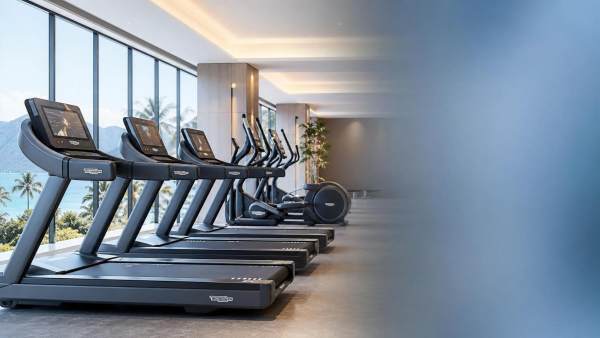
When cardio equipment is selected for hotels, resorts, cruise wellness rooms, or destination fitness clubs, motor power becomes a practical sourcing issue, not a marketing number.
Fitness equipment motor power affects ride feel, temperature rise, service intervals, acoustic comfort, and perceived product quality. In travel service settings, those factors shape guest satisfaction and operating stability.
The real question is rarely how to buy the strongest motor. It is how to match output to user traffic, machine type, duty cycle, and the commercial promise behind the property.
Why Motor Power Matters in Travel-Oriented Fitness Spaces
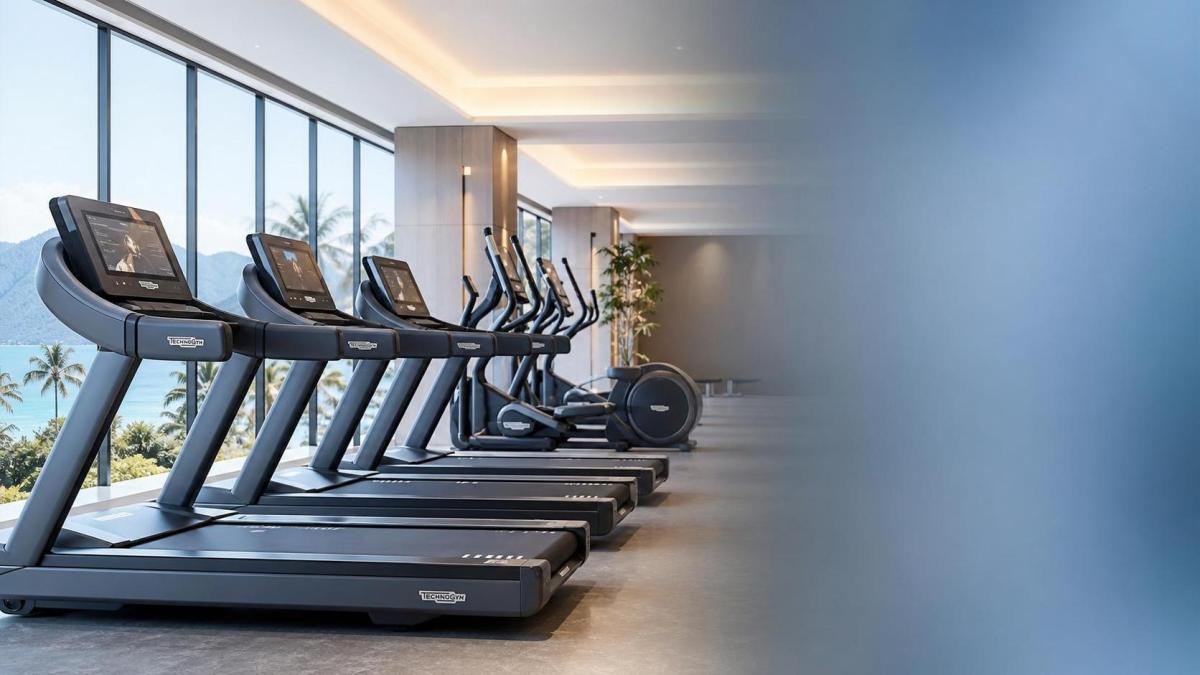
A treadmill in a private home faces limited daily use. A treadmill in a business hotel may run early morning, late evening, and between conference sessions.
That difference changes the meaning of fitness equipment motor power. Higher traffic raises thermal stress, bearing wear, belt loading, and noise sensitivity.
Travel service operators also care about space experience. Guests notice vibration, sudden speed lag, and inconsistent incline response much faster than they notice a specification sheet.
In premium properties, a weak or poorly matched motor can quietly damage the brand. Equipment that feels strained suggests low build quality, even if the frame looks impressive.
This is one reason sourcing platforms such as Global Consumer Sourcing place value on verified technical intelligence. In cross-border procurement, headline power figures alone do not reveal commercial suitability.
What Fitness Equipment Motor Power Actually Means
Motor power is commonly expressed in horsepower or watts. For cardio equipment, the number signals how much work the motor can sustain under load.
Yet not all power claims describe the same condition. Some suppliers emphasize peak output. Others state continuous duty performance, which is usually more useful for technical evaluation.
For treadmills, continuous horsepower is often the more reliable benchmark. It better reflects stable speed delivery during extended operation.
For bikes, rowers, and ellipticals, the issue is slightly different. Resistance systems, flywheel design, controller quality, and drive architecture may matter as much as nominal power.
Simple comparisons can mislead. A larger number is not automatically better if cooling design, controller calibration, or component tolerances are weak.
Continuous output versus peak claims
Peak ratings describe short bursts. Continuous ratings describe what the machine can handle over normal operating periods without overstress.
In hospitality and tourism environments, continuous performance usually matters more because equipment runs in repeated guest sessions throughout the day.
How Much Power Is Usually Enough
The answer depends on machine category, expected user profile, and how the venue positions its wellness offer.
A compact hotel gym serving moderate traffic does not need the same fitness equipment motor power as a destination resort with a full training studio.
These ranges are starting points, not universal rules. They need to be tested against user weight limits, daily throughput, ambient temperature, and maintenance capability.
The Industry Concern Is No Longer Power Alone
Buyers now look at total motor system performance. That includes inverter behavior, heat management, controller software, energy efficiency, and certification readiness.
This shift is especially visible in global sourcing. Retail and hospitality projects need equipment that fits brand standards, safety expectations, and long-term service models.
GCS has built relevance here because supply decisions increasingly depend on verified, cross-functional evidence. Technical data, compliance history, and manufacturing consistency now sit in the same conversation.
For fitness equipment motor power, that means asking deeper questions. Is the claimed rating validated? Is it tied to a specific test condition? Does performance hold after repeated high-load cycles?
Signals worth checking
- Whether power data distinguishes peak and continuous output
- Thermal protection behavior during extended operation
- Noise and vibration levels at mid and high speed
- Spare parts continuity across production batches
- Relevant CE or other market-entry documentation
Typical Use Cases and Power Expectations
Different travel service formats create different loading patterns. A practical specification starts with the site, not the catalog.
Urban business hotels
Usage tends to cluster before breakfast and after work. Machines must start quickly, stay quiet, and perform well in compact rooms near guest floors.
Here, fitness equipment motor power should support dependable operation without excessive acoustic output. Oversized motors with poor control can still create unpleasant noise.
Resorts and wellness destinations
Guests may train longer and use equipment across wider hours. The fitness zone also contributes to the overall premium experience.
In this setting, stronger continuous performance and better cooling are usually justified. The machine must feel smooth even during back-to-back sessions.
Cruise ships and mobile hospitality environments
Space limits, power management, and vibration control become more complex. Fitness equipment motor power has to be balanced with electrical efficiency and installation constraints.
That makes system integration more important than raw headline numbers.
How to Evaluate Beyond the Spec Sheet
A sound review process combines numeric data with operational context. Motor power is one part of a broader reliability picture.
- Request continuous duty data, not only promotional horsepower figures.
- Check user weight range against speed and incline settings.
- Review temperature behavior after repeated sessions, not just initial startup.
- Ask about controller brand, drive system, and cooling layout.
- Compare warranty terms for the motor, control board, and wear parts separately.
- Confirm compliance records and production traceability before final approval.
This approach aligns with how GCS frames sourcing intelligence. Durable decisions come from connecting engineering data, supplier capability, and end-use reality.
Common Misjudgments
One common mistake is treating higher power as a guarantee of higher quality. It can hide weak controls, poor airflow, or unstable assembly quality.
Another is underestimating environment. A motor that performs well in a cool showroom may behave differently in a humid resort or enclosed hotel gym.
A third is separating motor review from guest experience. If a machine jerks, overheats, or sounds harsh, the specification was not sufficient, even if the label looked competitive.
A Better Next Step for Specification Decisions
The best answer to how much fitness equipment motor power is enough begins with intended use. Start by mapping traffic level, session length, user weight range, and acoustic expectations.
Then compare suppliers on continuous performance, certification readiness, thermal stability, and service support. That usually reveals more than a simple horsepower ranking.
For travel service projects, the right motor is the one that keeps the guest experience smooth while protecting lifecycle cost and sourcing confidence. That is the standard worth building into the next review.
Related Intelligence
 Skincare OEMAug 16, 2026Amazon Enforces AI Human Metadata Rule for Beauty and Personal Care SellersAmazon now enforces AI human metadata rules for beauty sellers. Learn how to protect listings, traffic, and compliance in skincare, cosmetics, and beauty devices.
 Beauty DevicesAug 15, 2026China to Roll Out Nationwide Cross-Border Cash Pooling for MultinationalsChina to roll out nationwide cross-border cash pooling for multinationals from Sept. 14. Discover how this policy could improve treasury efficiency, liquidity management, and China-linked supply chains.
 Beauty DevicesAug 14, 2026China Imposes Temporary Export Ban on Helium, Affecting Cooling Supply ChainsChina's temporary helium export ban may disrupt cooling supply chains for beauty RF devices and laser systems. Learn what ODMs, buyers, and procurement teams should check now.
![]() Cosmetics & PkgAug 13, 2026PPWR becomes mandatory: Beauty and personal care packaging materials usher in new EPR and PFAS compliance requirementsPPWR takes effect for cosmetics packaging in the EU, bringing EPR registration and PFAS limits. Learn what brands, importers, and suppliers must do now.
Cosmetics & PkgAug 13, 2026PPWR becomes mandatory: Beauty and personal care packaging materials usher in new EPR and PFAS compliance requirementsPPWR takes effect for cosmetics packaging in the EU, bringing EPR registration and PFAS limits. Learn what brands, importers, and suppliers must do now. Cosmetics & PkgAug 12, 2026EU PPWR Now Enforced for Beauty Packaging ComplianceEU PPWR now enforced for beauty packaging compliance: learn how EPR, ERN, heavy metals and PFAS rules affect EU exports, customs clearance and platform sales.
 Cosmetics & PkgAug 11, 2026EU PPWR Rules Take Effect on Aug. 12 for Beauty PackagingEU PPWR rules for beauty packaging take effect on Aug. 12, 2026. Learn key compliance steps, EPR, labeling, PFAS limits, and how to avoid customs delays and fines.
 Smart Pet DevicesAug 10, 2026EU EPR Rules to Cover Smart Pet Devices on Aug. 15EU EPR Rules will cover smart pet devices from Aug. 15, 2026. Learn how smart collars, feeders, and monitoring devices can avoid delisting, customs delays, and compliance risks in the EU.
 Infant Feeding & CareAug 09, 2026CPSC Recalls Baby Sleep Sacks Over Undeclared TDCPPCPSC Recalls Baby Sleep Sacks Over Undeclared TDCPP: learn how this 2026 recall impacts CPC documents, third-party testing, and U.S. baby product compliance for exporters.
 Infant Feeding & CareAug 08, 2026ECHA Adds 5 SVHCs, Importer Notices Due From Oct 2026ECHA adds 5 SVHCs to the Candidate List, with importer notices due from October 2026. Learn how REACH affects exporters, supply chains, and documentation readiness.
 Baby Gear & StrollersAug 07, 2026CPSC Revises Crib Rail Standard for November 2026CPSC revises crib rail standard for November 2026, adding dynamic impact tests and mandatory third-party lab testing. Learn how the new rule affects U.S. market access, compliance, and shipments.
 Electronic & RC ToysAug 06, 2026EU to Require EN IEC 62115:2025 for Electronic ToysEU to Require EN IEC 62115:2025 for Electronic Toys from Oct 1, 2026. Learn scope, battery and AI safety updates, CE compliance risks, and how exporters can avoid customs delays.
 Baby Gear & StrollersAug 05, 2026US Stroller Stability Rule Takes Effect Aug. 15US Stroller Stability Rule Takes Effect Aug. 15: learn how new U.S. stroller compliance, ASTM F833-26a, and CPSC testing rules may affect imports, certification, and shipment readiness.
 Infant Feeding & CareAug 04, 2026ECHA Adds 5 SVHCs, Triggering Baby Care Export ReviewECHA adds 5 SVHCs, prompting an urgent baby care export review for EU-bound products. Learn the 0.1% threshold risks, compliance steps, and how to avoid customs delays and fines.












