SAMR Penalizes 7 Platforms for 'Ghost Kitchen' Packaging Violations
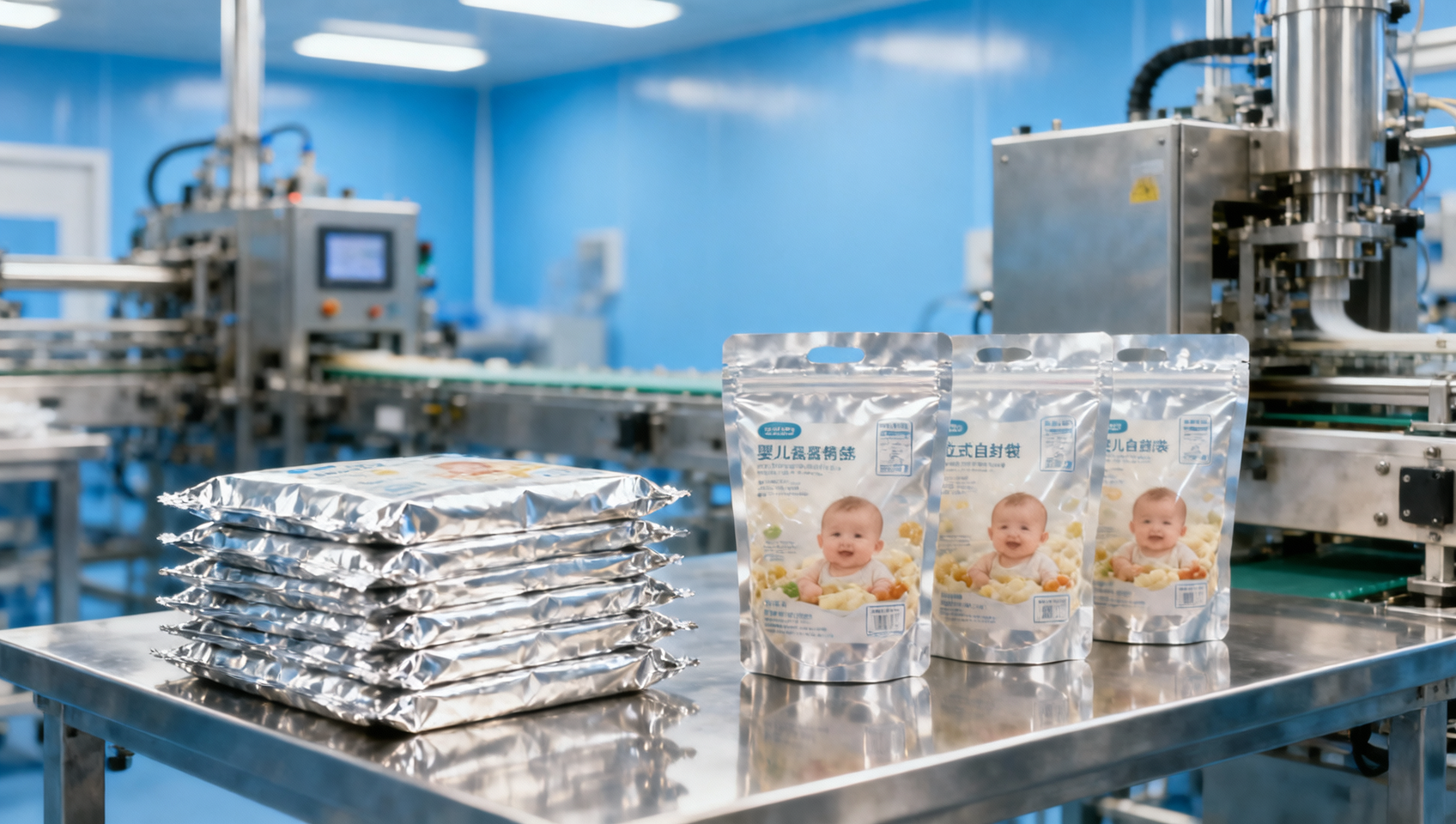
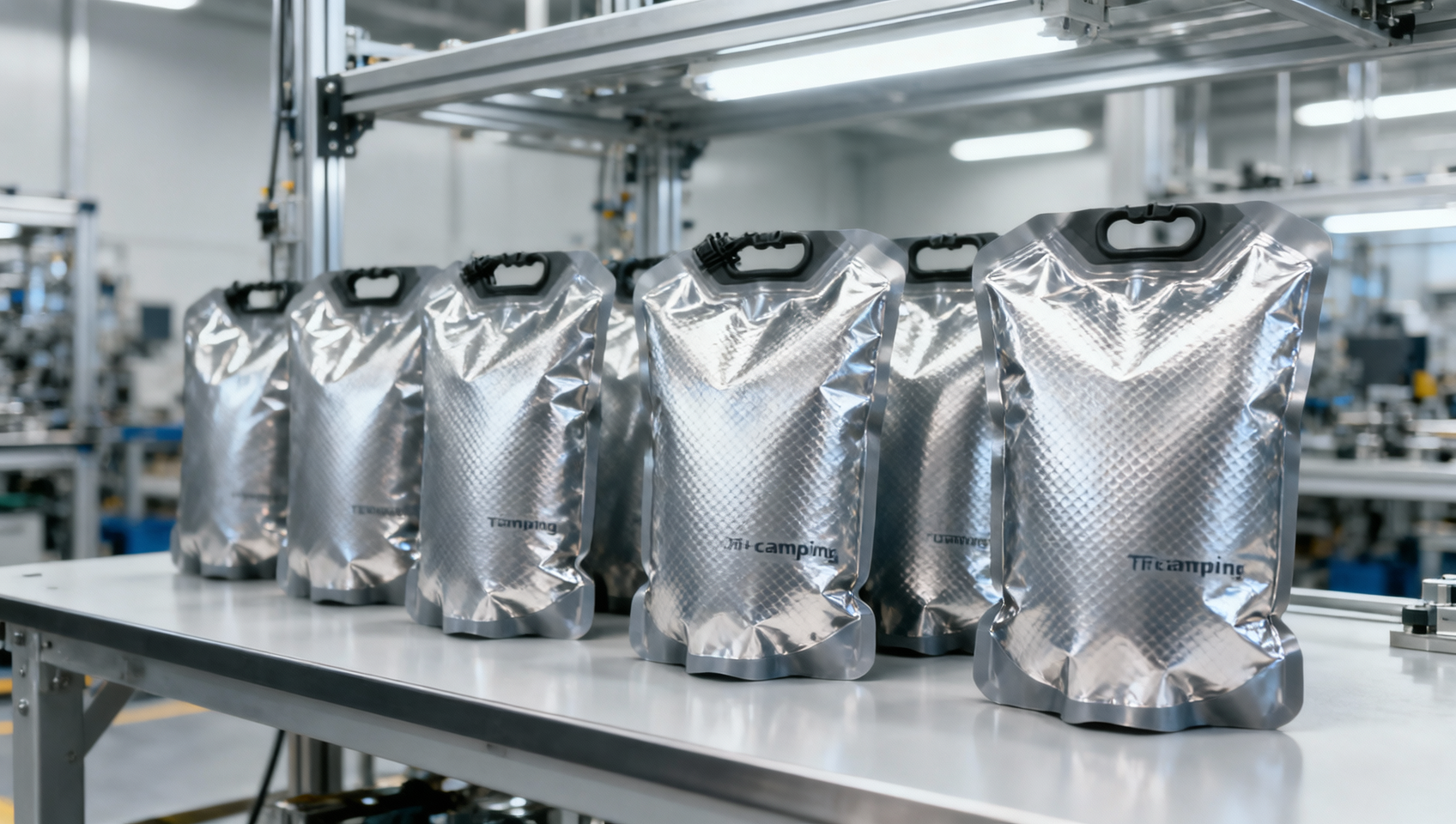
On April 16, 2026, China’s State Administration for Market Regulation (SAMR) announced enforcement outcomes targeting illegal circulation of unlicensed food-contact packaging materials—such as infant puree pouches and meal-replacement foil bags—on seven major food delivery platforms including Meituan and Ele.me. This action signals heightened regulatory scrutiny over upstream packaging supply chains, with implications for exporters, domestic manufacturers, and logistics service providers handling food-grade flexible packaging.
Event Overview
On April 16, 2026, SAMR issued a public notice on the results of its special campaign against ‘ghost kitchens’ across seven food delivery platforms. The enforcement focused specifically on the unlawful distribution of food-contact packaging materials lacking a valid Food-Related Product Production License. Confirmed targets included infant food pouches and powdered meal replacement foil bags. No further details on penalties, case counts, or platform-specific remediation timelines were disclosed in the initial announcement.
Industries Affected by Segment
Export-Oriented Food Packaging Manufacturers
These enterprises face direct compliance pressure: SAMR’s action explicitly links domestic licensing requirements to export traceability and source control. Without a valid production license, products may no longer qualify for export documentation supporting food safety certifications required by key markets (e.g., EU, US, Japan).
Domestic Flexible Packaging Converters
Converters producing laminated pouches, stand-up pouches, or aluminum foil bags for ready-to-eat or infant food brands must now verify license status of their raw material suppliers (e.g., film producers, adhesive formulators). Unlicensed substrates or adhesives could render finished packaging non-compliant—even if the converter itself holds a license.
Food Brand Owners & Contract Fillers
Brands sourcing co-packed meals or baby foods via third-party kitchens are now exposed to supply chain liability. If their packaging lacks verifiable production licensing, they risk product recalls, platform delisting, or SAMR administrative penalties under the Food Safety Law and Regulations on Supervision of Food-Related Products.
Distribution & E-Commerce Logistics Providers
Firms managing warehousing, labeling, or last-mile fulfillment for food delivery platforms must reassess documentation protocols. SAMR’s notice indicates increased platform-level verification of packaging compliance—meaning logistics partners may be asked to provide licensing evidence for packaged goods prior to dispatch.
Key Focus Areas and Recommended Actions
Monitor official SAMR guidance updates
Follow SAMR’s website and provincial market regulation bureaus for upcoming implementation rules, transitional deadlines, and clarified definitions of ‘food-contact packaging’ under the licensing regime—especially regarding composite materials and multi-layer structures.
Verify licensing status for high-risk packaging categories
Prioritize verification for infant food pouches, retortable foil-laminated bags, and vacuum-sealed meal kits—categories explicitly cited in the April 16 notice. Cross-check supplier licenses against SAMR’s publicly accessible National Food-Related Product License Database.
Distinguish policy signal from operational enforcement
This notice is an enforcement outcome—not a new regulation. However, it confirms that SAMR treats unlicensed packaging as a primary compliance failure point in food delivery ecosystems. Platforms are now incentivized to audit packaging documentation pre-onboarding; brands should treat this as a de facto requirement, not a future possibility.
Update procurement contracts and quality agreements
Revise supplier agreements to include mandatory license validity clauses, indemnification for non-compliance, and right-to-audit provisions. For converters, ensure master batch records include license numbers of all incoming substrate and adhesive suppliers.
Editorial Perspective / Industry Observation
From an industry perspective, this enforcement action is best understood not as an isolated penalty—but as a calibration of regulatory priority toward packaging as a critical food safety node. Analysis来看, SAMR is shifting emphasis from endpoint food inspection to upstream input control, particularly where digital platforms amplify scale and opacity. Observation来看, the focus on infant and meal-replacement packaging suggests risk-based targeting: categories with high consumer vulnerability and growing e-commerce penetration. Current更值得关注的是 how provincial bureaus interpret and enforce the license requirement—especially for imported raw materials used in domestically manufactured packaging. It is更适合理解为 a tightening of accountability architecture rather than a one-off crackdown.
Conclusion
This SAMR action underscores that food-contact packaging is no longer a secondary compliance concern—it is a licensable, auditable, and traceable element of the food supply chain. For affected enterprises, the immediate implication is procedural: documentation verification, supplier qualification, and contract alignment must now extend to packaging inputs. The broader significance lies in the formalization of packaging as a regulated food-related product—not merely a container, but a functional component subject to production oversight.
Source Attribution
Main source: Official notice published by China’s State Administration for Market Regulation (SAMR), April 16, 2026.
Points requiring ongoing observation: Provincial enforcement interpretations, timeline for full platform-level compliance verification, and potential expansion to other packaging formats (e.g., reusable containers, biodegradable films).
Related Intelligence
 Cosmetics & PkgApr 21, 2026SAMR Penalizes 7 Platforms for 'Ghost Kitchen' Packaging ViolationsSAMR penalizes 7 platforms for 'ghost kitchen' packaging violations—key alert for food packaging exporters, converters & brands on licensing compliance.
 Cosmetics & PkgApr 21, 2026EU EPR Dual-Country Registration Effective for Beauty PackagingEU EPR Dual-Country Registration is now live for beauty packaging in France & Germany — act now to avoid shipment delays, fees, and customs holds.
 Cosmetics & PkgApr 21, 2026FDA MoCRA Rule: Cosmetic Packaging Must File Separate VCRPFDA MoCRA Rule requires cosmetic packaging—vacuum bottles, pumps, tubes—to file separate VCRP registration by April 17, 2026. Stay compliant & avoid shipment delays!
 Beauty DevicesApr 21, 2026Global Li-ion Recycling Rate Hits 62%; Beauty Device Battery Costs Down 9%Li-ion recycling rate hits 62%—driving 9% lower battery costs for beauty devices. Discover how ODMs, suppliers & logistics teams gain cost, speed & compliance advantages.
 Nursery Furniture & MonitorsApr 21, 2026Canton Fair Phase III: Infant Monitor Inquiries Surge, EN60601-1-12 Gains Traction in Middle EastEN60601-1-12:2023 compliance surges at Canton Fair Phase III — Middle East buyers demand certified infant monitors for clinical-grade home use.
 Smart Pet DevicesApr 21, 2026Vietnam Mandates ISO 13485 & Vietnamese Instructions for Smart Pet CollarsVietnam mandates ISO 13485 & Vietnamese instructions for smart pet collars—key compliance update for exporters, importers, and tech documentation providers.
 Infant Feeding & CareApr 21, 2026JETRO Spring 2026: Blockchain Batch Code Mandatory for Infant Silicone Feeding ProductsBlockchain batch code mandatory for infant silicone feeding products in Japan from Apr 18, 2026—ensure JP-Trace compliance now to avoid port detention & shipment delays.
 STEM & Educational ToysApr 21, 2026SASO Launches 24-Hour AI Module Certification for STEM Toys in Saudi ArabiaSASO FastTrack AI certification for STEM toys: Get SASO AI module certification in just 24 hours—exclusively for CNAS-tested, IEC-compliant smart educational toys.
 Corporate & Seasonal GiftsApr 21, 2026TÜV Germany Enforces LCA Carbon Heatmaps for Gift PackagingLCA carbon heatmaps now mandatory for gift packaging in Germany—TÜV Germany enforces ISO-compliant lifecycle assessments from April 2026. Act now to avoid delisting.
 Camping & WaterApr 21, 2026RCEP Cuts Tariff on Camping Water Bags to Indonesia by 0.8%RCEP cuts tariff on camping water bags to Indonesia by 0.8%—but new LPSE tender demands TPU+aluminum composite & EN13593 certification. Act now to align sourcing, testing, and origin compliance.
 Corporate & Seasonal GiftsApr 20, 2026Crystal Paperweights Wholesale Looks Simple Until Shipping BeginsCrystal paperweights wholesale looks easy until shipping starts. Explore travel retail sourcing risks, packaging, customs, and smarter supplier planning to protect margins and delivery timelines.
 Corporate & Seasonal GiftsApr 20, 2026Sublimation Blank Gifts That Sell Better Than Generic Promo ItemsSublimation blank gifts outperform generic travel promos with higher personalization, better margins, and easier sourcing—plus insights on crystal paperweights wholesale and led fairy lights wholesale.
 STEM & Educational ToysApr 20, 2026Why CPC Toys Get Flagged Even When the Product Looks FineCPC toys can be flagged even when they look fine. Learn hidden toy compliance risks affecting playpen manufacturers, stroller OEM, pet private label, and tourism retail launches.