Professional Hair Dryer OEM: How to Judge Performance from Real Specs
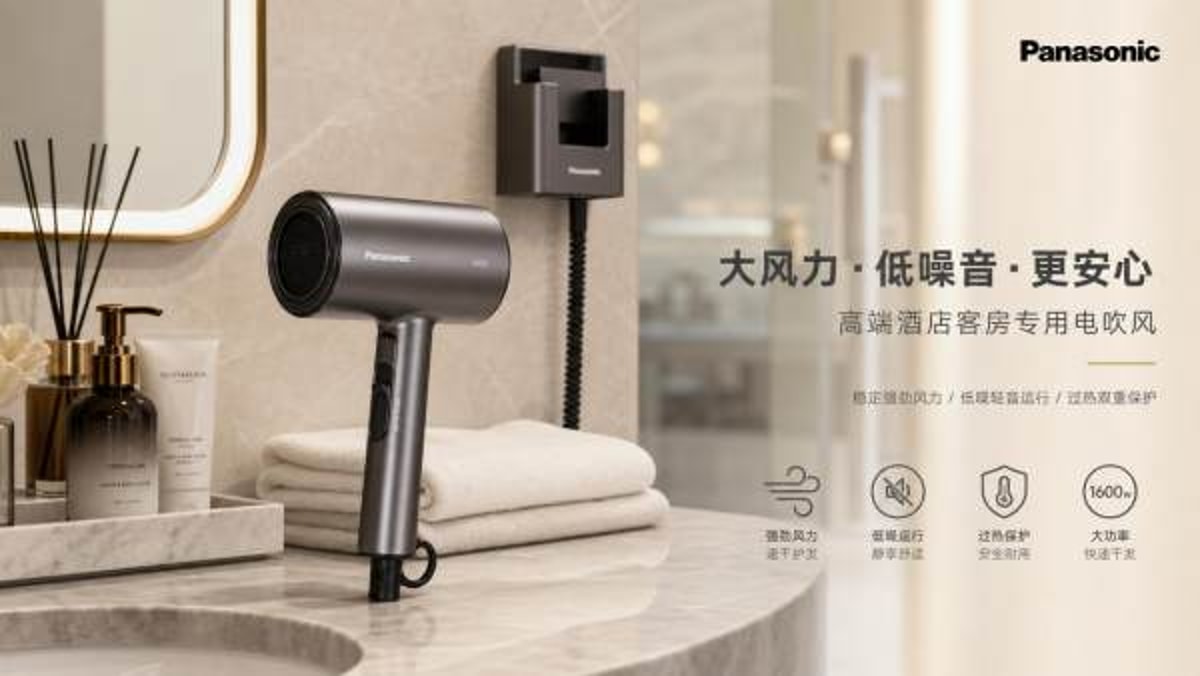
Choosing a professional hair dryer OEM should never rely on marketing claims alone. For operators and sourcing teams, real performance is revealed by measurable specs such as airflow, wattage, motor type, heat balance, noise level, and safety compliance. This guide shows how to read those numbers correctly, compare suppliers with confidence, and identify models that deliver stable salon-grade results in real-world use.
Why does a professional hair dryer OEM matter more than the brand story?
For many buyers, especially those serving travel service channels such as hotels, resorts, cruise operators, airport lounges, serviced apartments, and premium wellness destinations, product selection is not just about appearance. A professional hair dryer OEM determines whether the unit can survive repeated daily use, maintain guest satisfaction, comply with local regulations, and fit a broader sourcing strategy. In hospitality environments, operators care about uptime, consistent drying speed, manageable noise, and safety under heavy turnover conditions.
A reliable professional hair dryer OEM also affects replacement costs, warranty claims, and online reviews. In travel service settings, guests often compare in-room tools with salon-grade expectations. If a dryer overheats, loses airflow, or becomes too noisy, it can damage the perceived quality of the stay. That is why measurable performance matters more than glossy brochures. Real specifications allow operators to compare products across factories, understand likely field performance, and prevent expensive procurement mistakes.
This is especially relevant for sourcing teams working with private label programs. A factory may offer multiple shells that look similar, yet the internal motor, heating element, fan design, and safety architecture may vary widely. The professional hair dryer OEM with the best visual presentation is not always the one with the most stable output.
Which specifications actually show real drying performance?
The most useful way to evaluate a professional hair dryer OEM is to separate performance specs into four groups: air movement, heat generation, motor architecture, and operational stability. Looking at wattage alone is one of the most common buying errors.
First, airflow matters because water removal depends heavily on how much air reaches the hair surface. Suppliers may describe this as meters per second, cubic meters per hour, or liters per second. If the OEM cannot explain the testing method, the figure is less useful. Strong airflow with balanced heat usually dries faster than high heat with weak air. In hotels and travel accommodation, faster drying improves user satisfaction and reduces the temptation for guests to misuse the product for longer periods.
Second, wattage shows power consumption, not total performance by itself. A 2000W unit may underperform a well-designed 1800W unit if airflow is weak or heat control is poor. For travel service operators, this distinction matters because energy efficiency and circuit compatibility are practical concerns. A lower but better-engineered wattage can offer safer long-duration use in guest rooms without sacrificing drying speed.
Third, motor type strongly influences lifespan, airflow pressure, and acoustic behavior. DC motors are common for entry and mid-range products, while AC motors and modern high-speed brushless motors are more associated with professional output and longer service life. If a professional hair dryer OEM claims salon-grade performance, ask for motor speed, expected lifetime hours, and load testing data rather than accepting the term “professional” at face value.
Fourth, temperature consistency is critical. A dryer that spikes too hot may feel powerful during a short demonstration but perform poorly in actual use by increasing frizz, scalp discomfort, and thermal stress on hair. Stable temperature bands across speed settings are far more valuable than a single impressive peak reading.
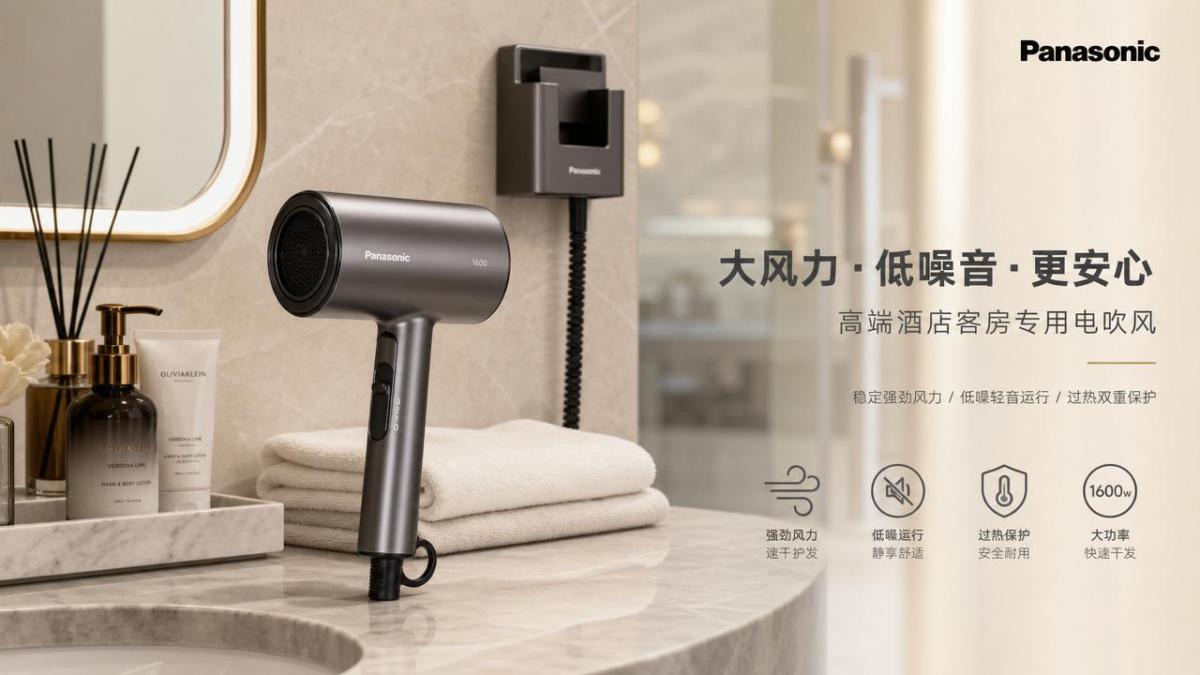
How should operators read airflow, wattage, and motor data without being misled?
A practical comparison starts by asking each professional hair dryer OEM for test conditions. Was airflow measured with or without a concentrator nozzle? At what distance? Was wattage recorded under nominal voltage or peak load? Was noise measured in a controlled lab or in normal operating conditions? Without context, numbers can be selectively presented.
For hotel procurement, the best approach is to compare complete operating profiles instead of isolated values. A balanced profile may include medium-to-high airflow, moderate but stable heat, acceptable sound levels, and a motor rated for long cycles. This profile is often better for guest comfort and product longevity than a high-heat model designed only to impress during first use.
Another useful method is to ask for performance under repeated use. A professional hair dryer OEM should be able to explain what happens after ten, twenty, or fifty consecutive cycles. Does airflow drop as internal temperature rises? Does the thermal cut-off activate too quickly? In travel service operations where units may be used heavily during peak check-in and check-out hours, durability under repeated use is a real purchasing criterion.
What hidden factors separate a good professional hair dryer OEM from an average one?
Several hidden factors rarely appear in a basic quotation sheet. One is internal thermal design. Two dryers can share similar wattage and motor type, yet one may have better airflow channeling, more reliable insulation, and more accurate temperature control. These factors support stable use over time. In hospitality settings, that means fewer failures and more predictable user experience.
Another hidden factor is component sourcing consistency. A serious professional hair dryer OEM should be able to explain whether key parts such as motors, switches, heating wire, thermostats, and cords are sourced from stable suppliers and controlled under incoming inspection procedures. Batch inconsistency is a major risk in large orders for hotel groups and travel operators, because a product that performs well in sampling may not match later production lots.
Cord strength, filter design, and surface material also deserve attention. In rooms, salons within resorts, and spa changing areas, users handle the dryer quickly and often carelessly. A weak cable joint or poor rear filter design can drive premature returns. Likewise, housing material should resist heat deformation and cosmetic wear, especially when a travel service brand is trying to maintain a premium image.
Finally, ask how the OEM manages quality records. Can they provide drop test data, salt spray testing for metal parts if relevant, switch cycle testing, and thermal protection validation? A trustworthy professional hair dryer OEM supports sales claims with documentation, not just presentation slides.
Which mistakes do buyers make when comparing professional hair dryer OEM suppliers?
The first mistake is buying on wattage alone. High wattage is easy to advertise, but it does not guarantee fast, comfortable drying. For travel service properties, wattage must be balanced with voltage requirements, room electrical constraints, and guest safety expectations.
The second mistake is ignoring noise. In a retail shelf environment, noise may seem secondary. In hospitality, it can directly influence guest perception. A dryer used early in the morning or late at night in a hotel room should not sound harsh or unstable. If a professional hair dryer OEM cannot provide credible noise data, that is a warning sign.
The third mistake is treating certifications as a formality. Depending on the destination market, compliance may include CE, GS, UKCA, ETL, CB, or other relevant safety marks. Travel service operators working across regions should confirm that the OEM understands market-specific documentation and plug configurations. Missing or weak compliance preparation can delay projects and create liability risk.
The fourth mistake is failing to test ergonomics. Even when the end user is a guest, property staff still manage installation, cleaning, replacement, and maintenance. Handle balance, wall-mount compatibility, button feel, cord length, and filter access should all be checked before committing to volume.
How can a travel service buyer match the right OEM model to the right usage scenario?
Different travel environments require different product profiles. A boutique hotel may prioritize design, lower noise, and premium feel. A large business hotel may emphasize durability, safety lock features, and easy replacement planning. A resort spa may want stronger airflow and refined heat settings closer to salon expectations. A cruise or compact accommodation setting may need lighter weight and stricter power management.
That is why a professional hair dryer OEM should not be evaluated only by catalog range but by customization discipline. Can the factory adapt cord type, voltage, branding, packaging, wall holder format, and safety shutoff logic to the actual deployment scenario? Can they support both standard room models and premium suite upgrades within one sourcing framework? Good OEM partners understand application-specific trade-offs rather than pushing one universal model.
Operators should also estimate lifecycle cost, not just unit price. A slightly more expensive dryer with better motor reliability, lower return rate, and stronger compliance support may produce better long-term value. In travel service procurement, hidden operating cost often exceeds the initial factory price difference.
What should you confirm before requesting samples, quotes, or mass production?
Before moving forward with any professional hair dryer OEM, prepare a structured evaluation list. Start with the intended use environment: guest room, spa, gym, salon corner, or premium suite. Then define voltage market, target noise level, desired drying speed, mounting preference, branding needs, and required certification pathway. This helps suppliers quote the right architecture instead of offering generic stock units.
Next, request evidence instead of claims. Ask for specification sheets, compliance files, test summaries, sample lead time, production lead time, minimum order quantity, and warranty terms. If the OEM offers multiple motor options, compare them under the same operating conditions. If they use terms like ionic, ceramic, or tourmaline, ask what measurable benefit appears in testing and whether that feature affects durability or maintenance.
It is also wise to run a pilot in real conditions. For travel service users, that means placing samples in selected rooms or facilities, collecting staff feedback, and checking guest response where possible. Laboratory data is important, but actual use reveals issues such as perceived weight, wall-storage convenience, switch clarity, and acoustic comfort.
Quick FAQ: what are the most practical final questions to ask?
When narrowing down a professional hair dryer OEM, the final round of questions should focus on decision risk. The goal is not to ask more questions, but to ask better ones that expose whether the supplier can perform consistently after the first sample stage.
- What is the exact airflow test method, and can you provide repeatable data?
- What motor is used, what is its rated life, and what failure patterns are most common?
- How stable is outlet temperature after repeated cycles?
- Which certifications are already completed, and which still require project-based testing?
- How do you manage quality consistency across bulk production lots?
- What spare parts, warranty process, or after-sales support can be offered for hotel or resort programs?
A strong professional hair dryer OEM will welcome these questions because they show serious sourcing intent. Weak suppliers often redirect the conversation back to appearance, discount, or generic marketing terms.
Final takeaway: how should operators move from specs to confident sourcing?
The best sourcing decisions come from reading specifications as evidence, not as advertising. For a travel service buyer, the right professional hair dryer OEM should deliver verified airflow, balanced heat, credible motor life, acceptable noise, and market-ready safety compliance. It should also understand the usage realities of hotels, resorts, spas, and guest-facing environments where performance consistency matters as much as design.
If you need to confirm a specific solution, parameter set, development timeline, quotation logic, or cooperation model, start by discussing usage scenario, certification destination, target performance benchmarks, expected order volume, and after-sales requirements. Those five topics will quickly reveal whether a professional hair dryer OEM is simply offering a product, or is truly prepared to support a dependable procurement partnership.
Related Intelligence
 Cosmetics & PkgMay 02, 2026OEM Cosmetics Manufacturer: 7 Questions to Ask Before Product Development StartsOEM cosmetics manufacturer selection starts with the right questions. Learn 7 smart checks to reduce compliance, cost, and launch risks before product development begins.
 Beauty DevicesMay 02, 2026How to Evaluate a Gua Sha Tools Manufacturer for Consistent QualityGua sha tools manufacturer selection starts with quality control. Learn how to assess materials, certifications, production consistency, and supply reliability with confidence.
 Beauty DevicesMay 02, 2026Body Contouring Machine: When the Higher Price Is Actually JustifiedBody contouring machine buyers in travel services: learn when a higher price is justified through ROI, compliance, uptime, and premium package revenue potential.
 Fitness EquipmentMay 02, 2026Power Rack Manufacturer: Safety Details That Matter More Than FinishPower rack manufacturer selection starts with safety, not surface finish. Discover a practical checklist for QC teams to assess welds, load testing, stability, and compliance before sourcing.
 Fitness EquipmentMay 02, 2026Olympic Barbell Manufacturer Checklist for Strength Equipment SourcingOlympic barbell manufacturer checklist for travel service buyers: compare quality, compliance, OEM capability, and delivery reliability to source safer, longer-lasting strength equipment.
 Skincare OEMMay 02, 2026Whitening Toothpaste Private Label: What Customers Notice FirstWhitening toothpaste private label buyers in travel retail notice packaging, whitening claims, and daily-use safety first. See what drives trust, faster conversions, and smarter sourcing.
 Skincare OEMMay 02, 2026Wholesale Body Scrub: Texture, Fragrance, and Packaging Choices That SellWholesale body scrub buying guide for travel retail: compare textures, fragrances, and packaging choices that boost shelf appeal, compliance readiness, and faster sales.
 Beauty DevicesMay 02, 2026Jade Roller Wholesale: How to Spot Quality Issues Before They Reach CustomersJade roller wholesale quality issues can lead to costly returns. Learn how to spot material flaws, weak assembly, and compliance risks before products reach customers.
 Beauty DevicesMay 02, 2026What Makes a Water Flosser Manufacturer Reliable for Ongoing OrdersWater flosser manufacturer selection matters for travel retail success. Learn how to assess quality, compliance, lead times, and OEM support for reliable ongoing orders.
 Fitness EquipmentMay 02, 2026Commercial Treadmills Wholesale: Cost Drivers You Need to Understand FirstCommercial treadmills wholesale cost drivers explained for hotels, resorts, and travel brands. Compare pricing, compliance, shipping, and service risks before you buy.
 Fitness EquipmentMay 02, 2026Resistance Bands OEM: Small Design Choices That Improve Daily UseResistance bands OEM tips for travel service brands: discover small design choices that improve comfort, safety, storage, and durability for better guest use and operator efficiency.
 Fitness EquipmentMay 02, 2026Wholesale Yoga Mats: How to Build a Better Product Mix for RetailWholesale yoga mats buying guide for travel retail: learn how to build a profitable product mix for resorts, hotels, airports, and retreat channels with smarter sourcing and lower inventory risk.
 Cosmetics & PkgMay 02, 2026Wholesale Cosmetic Sponges: Material Differences That Change User ExperienceWholesale cosmetic sponges explained: discover how latex-free, hydrophilic, and microfiber materials affect blending, hygiene, and travel convenience for a smarter beauty buy.