SASO AI Beauty Device Regulation Effective May 2026
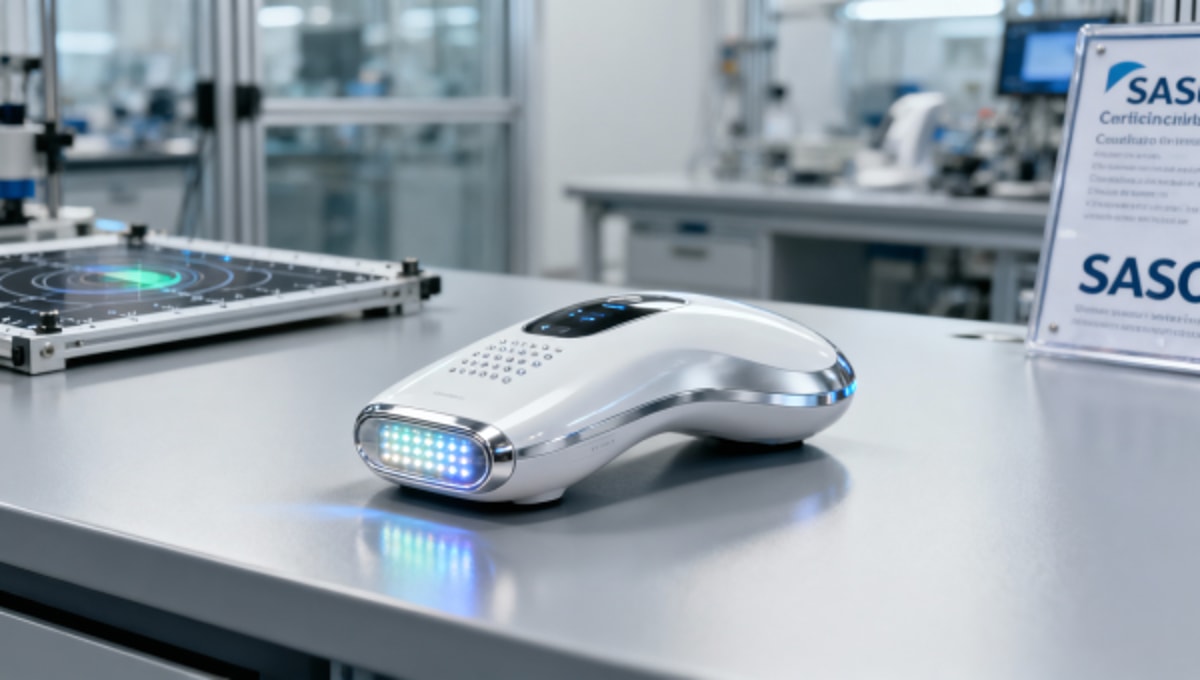
Saudi Arabia’s Standards, Metrology and Quality Organization (SASO) issued Technical Regulation TR-2026-BEAUTY-AI on May 5, 2026, mandating new AI algorithm documentation and verification requirements for smart beauty devices exported to the Kingdom. This update directly affects manufacturers and exporters of AI-powered facial devices—including RF masks and LED photorejuvenation units—particularly those based in Shenzhen and Zhongshan, where supply chain adjustments are already underway.
Event Overview
On May 5, 2026, SASO published Technical Regulation TR-2026-BEAUTY-AI, requiring all beauty devices incorporating AI-based skin image recognition functionality to submit, at the time of SASO registration: (1) a description of the algorithm’s training dataset; (2) a localized skin-type adaptation validation report; and (3) source code audit results conducted by an authorized GCC certification body. The regulation enters into mandatory force on May 20, 2026. Its implementation has already disrupted shipment timelines for multiple ODM manufacturers in Shenzhen and Zhongshan.
Industries Affected
ODM/OEM Manufacturing Firms
These firms are directly impacted because their products fall under the scope of TR-2026-BEAUTY-AI. The requirement for source code audits and localized skin validation introduces new technical compliance steps not previously mandated in SASO’s cosmetic device framework. Impact manifests as extended product registration cycles, increased third-party audit costs, and potential delays in customs clearance for shipments post-May 20.
Export Trading Companies Handling Beauty Devices
Trading companies acting as SASO registrants or responsible parties must now verify algorithm-related documentation before submission. Failure to include validated skin-type reports or audited source code may result in registration rejection or suspension—directly affecting order fulfillment and contractual obligations with Middle Eastern importers.
Supply Chain & Certification Service Providers
Certification bodies accredited for GCC conformity assessment now need capacity to perform AI algorithm source code reviews—a capability not traditionally required for beauty devices. Similarly, logistics and compliance support providers face increased demand for documentation coordination across R&D, QA, and regulatory departments, especially for clients lacking in-house AI compliance expertise.
What Enterprises Should Monitor and Do Now
Track official SASO guidance on audit scope and dataset documentation format
While TR-2026-BEAUTY-AI confirms the requirement for training dataset descriptions, SASO has not yet published standardized templates or minimum data coverage thresholds (e.g., minimum skin tone diversity, geographic origin of images). Enterprises should monitor SASO’s official portal and GCC-accredited bodies for clarifications ahead of May 20.
Verify whether current product models include AI skin recognition—and classify accordingly
Not all ‘smart’ beauty devices trigger this regulation. Only those using AI-driven image analysis for skin condition classification (e.g., detecting pigmentation, pore size, or hydration level via camera input) are in scope. Firms should internally audit firmware capabilities and avoid over-compliance for non-AI-enabled variants.
Engage GCC-certified auditors early—not after registration submission
Source code audits require access to build environments, version control logs, and model inference pipelines. Starting the audit process only after SASO application submission risks missing the May 20 enforcement date. Pre-submission scoping discussions with auditors are recommended to align on evidence expectations.
Review contracts with overseas buyers for liability clauses related to regulatory changes
Several Shenzhen-based ODMs have reported renegotiation requests from Gulf importers seeking cost-sharing on AI compliance. Contract language regarding responsibility for new certification costs, delivery delays, or rework liabilities should be reviewed and updated where necessary.
Editorial Perspective / Industry Observation
Observably, TR-2026-BEAUTY-AI signals SASO’s shift toward functional safety and transparency requirements for embedded AI—not just electrical or EMC compliance. Analysis shows this is less a one-off revision and more an early indicator of broader GCC-level alignment with global AI governance trends, particularly those emerging from EU AI Act implementation frameworks. From an industry perspective, it reflects growing regulatory attention on algorithmic bias in health-adjacent consumer devices. Current enforcement appears focused on documentation and verification—not real-time performance monitoring—meaning firms that prioritize traceability and localization evidence are better positioned than those relying solely on generic CE or FDA claims. It is not yet a market-access barrier, but rather a procedural inflection point requiring cross-departmental coordination between engineering, regulatory affairs, and quality assurance teams.
Conclusion
This regulation marks a definable step in the formalization of AI accountability for consumer beauty hardware in GCC markets. It does not ban existing products nor impose real-time AI monitoring—but it does raise the bar for pre-market evidence of algorithmic robustness and regional relevance. For stakeholders, it is best understood not as a sudden restriction, but as a structured escalation in regulatory maturity—one that rewards proactive documentation discipline over reactive compliance.
Information Sources
Main source: SASO Technical Regulation TR-2026-BEAUTY-AI, published May 5, 2026.
Note: SASO’s official guidance on audit methodology, dataset reporting format, and transitional arrangements remains pending and requires ongoing observation.
Related Intelligence
 Corporate & Seasonal GiftsMay 07, 2026Branded USB Flash Drives: When Classic Promo Items Still Make SenseBranded USB flash drives still make sense for travel service brands—discover how they boost partner engagement, showcase premium content, and support higher-conversion B2B campaigns.
![]() Corporate & Seasonal GiftsMay 07, 2026Reborn Baby Dolls Wholesale: Key Quality Signs to Check Before Orderingreborn baby dolls wholesale buyers: learn the key quality signs to check before ordering, from materials and realism to compliance and factory consistency.
Corporate & Seasonal GiftsMay 07, 2026Reborn Baby Dolls Wholesale: Key Quality Signs to Check Before Orderingreborn baby dolls wholesale buyers: learn the key quality signs to check before ordering, from materials and realism to compliance and factory consistency. STEM & Educational ToysMay 07, 2026Montessori Toys Wholesale: What Sells Better Than Trend-Driven Toy PicksMontessori toys wholesale offers travel retailers and distributors a smarter alternative to fad toys—safer, educational, durable, and built for steady demand, repeat orders, and long-term trust.
 Corporate & Seasonal GiftsMay 07, 2026Custom Printed Mugs Bulk: Which Sizes and Coatings Make Better Gift ItemsCustom printed mugs bulk: discover the best sizes and coatings for travel gifts, hotel branding, and souvenir retail to boost appeal, durability, and buyer confidence.
 STEM & Educational ToysMay 07, 2026Sensory Toys for Autism OEM: Features That Matter More Than Bright PackagingSensory toys for autism OEM selection for travel services should prioritize safety, compliance, durability, and calming design over flashy packaging. Discover what truly improves guest experience.
 STEM & Educational ToysMay 07, 2026Custom Board Games Printing: How to Avoid Expensive Reprint MistakesCustom board games printing guide for travel service teams: avoid costly reprints, fix supplier risks, choose the right materials, and keep projects on time and on budget.
 Corporate & Seasonal GiftsMay 07, 2026Custom Power Banks OEM: What to Review Before Approving Battery SpecsCustom power banks OEM guide for travel service buyers: review battery chemistry, real output, safety, cycle life, and compliance before approval to reduce risk and boost buyer confidence.
 STEM & Educational ToysMay 07, 2026DIY Craft Kits for Kids: Which Projects Work Best for Short Attention SpansDIY craft kits for kids that keep short attention spans engaged on trips. Discover mess-free, travel-friendly projects for flights, road trips, and hotel downtime.
 STEM & Educational ToysMay 07, 2026Magnetic Building Blocks Manufacturer: Safety Points You Should Never SkipMagnetic building blocks manufacturer safety guide: learn the must-check tests, compliance documents, and audit points to avoid recalls, protect your brand, and source with confidence.
 Corporate & Seasonal GiftsMay 07, 2026Corporate Gift Sets Wholesale: How to Match Product Mix With BudgetCorporate gift sets wholesale for travel services: learn how to match product mix with budget, control landed costs, manage compliance, and choose higher-ROI gift sets.
 Corporate & Seasonal GiftsMay 07, 2026Action Figures Manufacturer: What to Compare Before Locking in a SupplierAction figures manufacturer comparison guide for travel buyers: evaluate compliance, customization, packaging, lead times, and supplier stability before choosing a sourcing partner.
 Corporate & Seasonal GiftsMay 07, 2026Birthday Party Decorations: How to Build a Theme Without OverbuyingBirthday party decorations made simple: learn how to build a stylish theme with fewer items, smart venue-friendly choices, and budget-saving tips that still create a memorable celebration.
 Corporate & Seasonal GiftsMay 07, 2026Fidget Spinners Bulk: When Low Unit Cost Becomes a Hidden Quality RiskFidget spinners bulk may look cost-effective, but hidden quality, compliance, and return risks can hurt travel retail margins. Learn how to source smarter before you buy.