Custom Enamel Pins Maker: What Separates a Good Sample From a Risky One
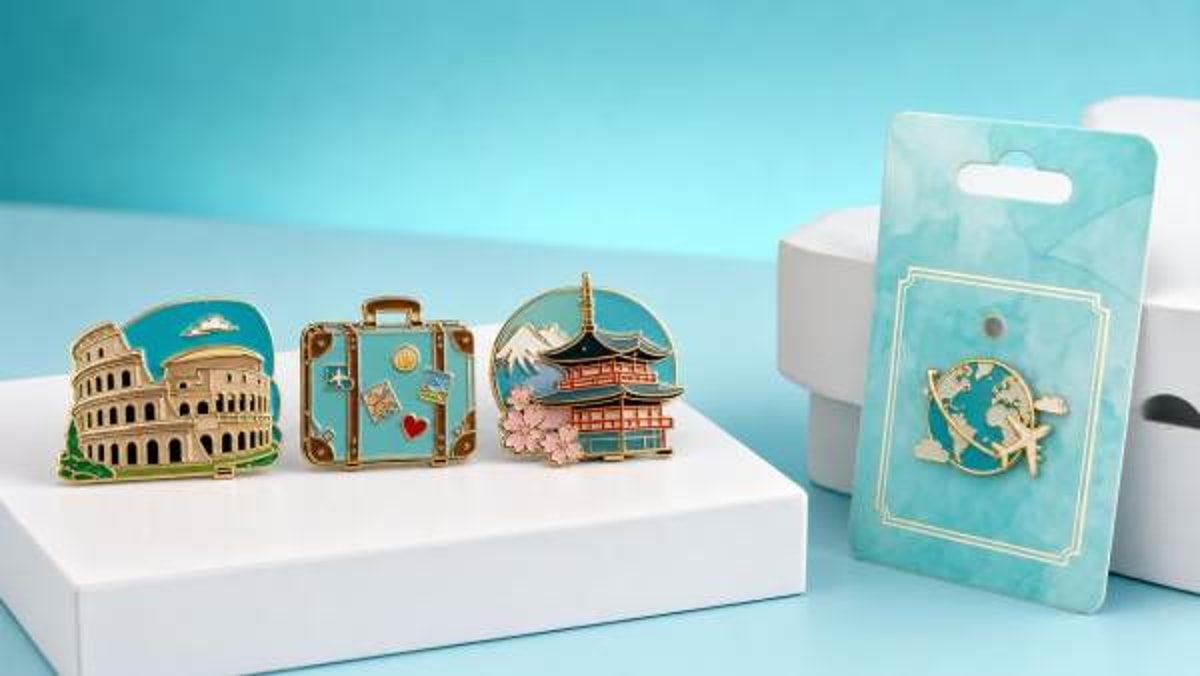
Choosing a custom enamel pins maker starts long before mass production—it starts with the sample. For technical evaluators, a strong sample reveals process control, color accuracy, plating consistency, and compliance readiness, while a weak one signals hidden risks in quality, lead time, and supplier reliability. This guide explains how to tell the difference before it affects your sourcing decision.
For sourcing teams in travel services, souvenir retail, destination branding, museum shops, theme attractions, and event merchandise programs, sample review is the fastest way to separate a dependable supplier from a risky one. A polished sales pitch can hide unstable production, but a sample cannot. That is why a checklist approach matters: it helps technical evaluators compare suppliers using visible evidence, measurable standards, and realistic production expectations instead of promises alone.
Why a checklist is the smartest way to evaluate a custom enamel pins maker
In tourism-related merchandising, enamel pins are often tied to place identity, seasonal launches, guided tour promotions, hotel gift shops, airport retail, and collector campaigns. A poor sample can lead to color mismatch with destination branding, plating defects that look cheap in souvenir displays, or packaging failures during international distribution. A good checklist prevents these issues before purchase orders scale up.
When reviewing a custom enamel pins maker, technical evaluators should prioritize five questions first: Does the sample match the drawing? Does it show stable workmanship? Can the supplier repeat the result at volume? Are materials and coatings suitable for the intended environment? Is the factory prepared for compliance, documentation, and timeline control? If these are answered clearly, the sourcing decision becomes much safer.
The core sample checklist: what to inspect first
Use the following checklist to assess any custom enamel pins maker before approving development or bulk production. The goal is not just to find a visually attractive sample, but to identify process reliability.
- Design fidelity: Compare the sample against the approved artwork. Check outline sharpness, logo proportions, text legibility, icon spacing, and small-detail retention. Travel souvenirs often use landmarks, route symbols, or local motifs that lose value if simplified too aggressively.
- Color accuracy: Verify Pantone alignment, fill consistency, and contrast between adjacent colors. Samples with muddy tones or color bleed may indicate weak control in filling and curing.
- Metal line definition: Inspect whether raised lines are clean, even, and closed. Broken borders or uneven channels can cause enamel overflow and poor visual precision.
- Surface quality: Look for pits, dust, scratches, dents, bubbles, underfilled enamel, overpolishing, or soft edges. A sample should not rely on favorable lighting to appear acceptable.
- Plating consistency: Gold, nickel, black nickel, antique finishes, and dyed metal effects must appear uniform across front edges, recessed details, and pin backs.
- Attachment security: Test butterfly clutch, rubber clutch, safety pin, magnet, or custom backing. Pull gently and twist slightly to evaluate joint strength.
- Edge finishing: Feel the outer perimeter. Rough edges, burrs, or over-sharp corners are unacceptable for products intended for family travel, children’s attractions, or gift retail.
- Back stamp and traceability: Confirm whether mold number, brand mark, or maker identification appears consistently when required.
- Packaging readiness: If the pin is sold in tourist shops or hotel boutiques, ask for the sample with card, bag, barcode, and display format included.
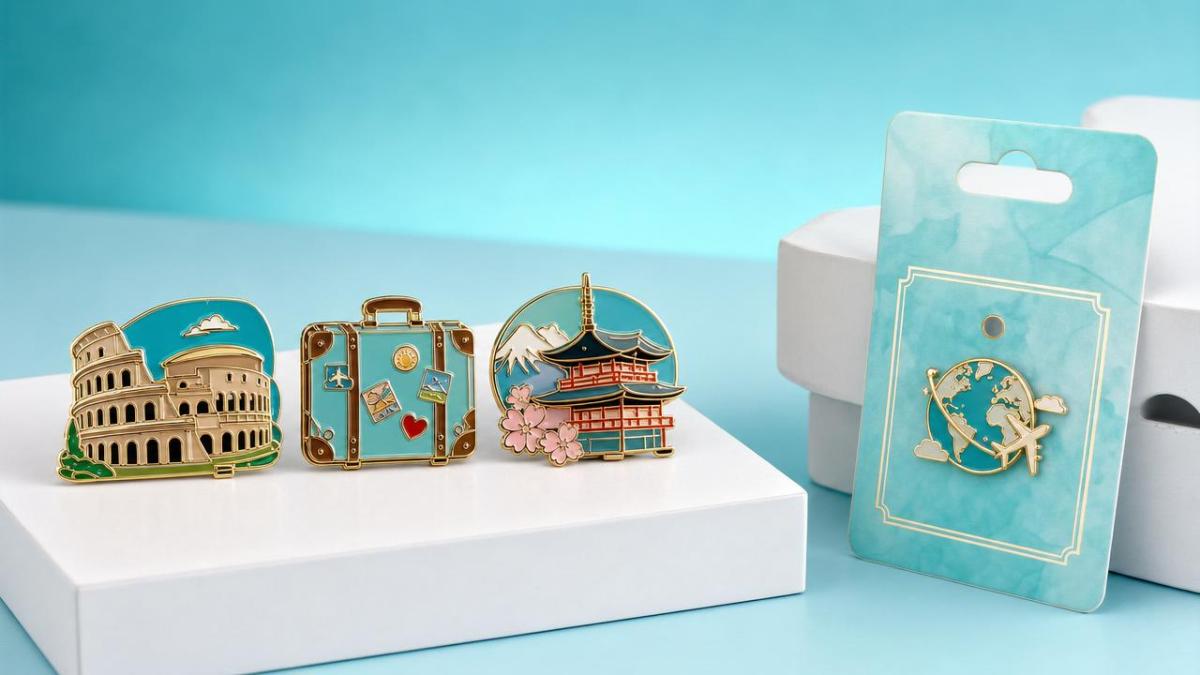
How to tell a good sample from a risky one
A good sample from a custom enamel pins maker does more than look attractive at first glance. It demonstrates that the supplier understands tolerances, sequence control, and final-use requirements. A risky sample often appears acceptable in photos, but reveals inconsistency during hands-on review. The table below helps translate visual cues into sourcing implications.
Technical checks that evaluators should not skip
Many teams focus heavily on front-side appearance and forget the process indicators that matter most in bulk production. When assessing a custom enamel pins maker, the following technical checks often reveal whether the supplier can scale.
1. Tolerance control
Measure thickness, diameter, and attachment position. If dimensions vary too much on the sample set, packaging fit and retail presentation may become inconsistent. This matters for destination gift sets, collector boards, or travel campaign bundles where alignment is visible.
2. Finish suitability for use environment
Tourism merchandise may face heat, moisture, frequent handling, and luggage abrasion. Ask whether the selected plating and enamel type are suitable for outdoor attractions, cruise shops, theme park kiosks, or airport retail environments.
3. Material and coating disclosure
A reliable custom enamel pins maker should clearly state base metal, plating process, coating type, and any protective finish. Technical evaluators should request restricted substance awareness and test capability where children’s products, gift compliance, or market-specific rules apply.
4. Sample-to-mass-production correlation
Ask whether the sample was handmade, pre-production molded, or taken from the actual production tooling route. A beautiful handmade sample may not predict real factory output. The closer the sample process is to mass production, the lower the scale-up risk.
Scenario-based checks for travel service buyers
Not every travel-related application needs the same evaluation priority. A technical review becomes more accurate when tied to the intended sales channel and user profile.
- Destination souvenir shops: Prioritize visual appeal, finish durability, and packaging fit for peg display or countertop trays. Fast reordering capability matters during peak travel seasons.
- Theme parks and attractions: Focus on safety edges, strong attachment, color vibrancy, and repeatability across large seasonal runs. Family-friendly use raises the importance of material disclosure.
- Hotels and resorts: Evaluate brand alignment, premium plating quality, and custom back cards for gifting, staff recognition, or concierge retail.
- Tour operators and event programs: Check timeline reliability, low-MOQ flexibility, and design approval speed for campaign-based distribution.
- Airport or museum retail: Emphasize refined detail, collector-grade consistency, barcode-ready packaging, and multi-language compliance labeling if needed.
Common red flags that make a sample risky
Even if the sample seems passable, several warning signs should trigger deeper review before you commit to a custom enamel pins maker.
- The supplier avoids sharing production tolerances or process notes.
- The sample differs noticeably from the approved rendering without documented design adjustment.
- Only one perfect piece is provided, with no evidence of repeatability across multiple units.
- Attachment methods are changed without confirmation.
- Plating or enamel specifications remain vague, especially for export markets.
- Lead time commitments are fast but unsupported by workflow details, QA checkpoints, or packaging plans.
- The supplier has no structured response to defects, remakes, or color correction requests.
Practical execution steps before approving the supplier
If a sample looks promising, technical evaluators should still move through a disciplined approval path. This is especially important when the custom enamel pins maker will support recurring tourism collections, licensed location merchandise, or private-label gift programs.
Create a scored evaluation sheet
Rate each sample on color match, plating consistency, edge safety, attachment strength, dimensional tolerance, packaging quality, and overall readiness. Numerical scoring makes cross-supplier comparison more objective.
Request more than one sample unit
Three to five units reveal variation better than one hero piece. If the custom enamel pins maker cannot provide stable small-batch consistency, large-batch confidence should remain low.
Confirm documentation early
Ask for specification sheets, Pantone references, material declarations, packaging dimensions, and defect-handling policy before purchase order release. Early documentation reduces misunderstanding later.
Test the communication workflow
A capable custom enamel pins maker should respond clearly to revision requests, identify manufacturing constraints in advance, and confirm schedule impacts honestly. Strong communication is a production control signal, not just a service benefit.
FAQ for technical evaluators reviewing a custom enamel pins maker
Should I approve based on photos alone?
No. Photos can hide surface texture, plating inconsistency, and attachment weakness. Physical review is strongly preferred, especially for premium travel souvenirs and retail display products.
What matters more: appearance or repeatability?
Repeatability. A beautiful one-off sample has limited value if the custom enamel pins maker cannot reproduce it across the full order. Evaluate appearance and process stability together.
When is a sample “good enough” to proceed?
Proceed only when the sample meets visual requirements, technical tolerances, attachment strength, packaging expectations, and documentation standards for the target market. Minor cosmetic compromise may be acceptable, but uncontrolled variation is not.
Final decision guide and next-step questions
The best custom enamel pins maker is not simply the one with the lowest quote or the brightest sample. It is the supplier whose sample proves manufacturability, consistency, compliance awareness, and fit for your travel-service sales context. For technical evaluators, the safest decision comes from structured review, not intuition.
Before moving forward, prioritize these questions in supplier discussions: What exact process will be used in mass production? What tolerances can be guaranteed? How will color and plating be controlled lot to lot? What packaging options support retail display and international transit? What testing or documentation can be provided for the target market? How are delays, remakes, and defects handled? Clear answers to these points will tell you whether the custom enamel pins maker is ready for a reliable long-term sourcing relationship.
Related Intelligence
 Corporate & Seasonal GiftsMay 07, 2026Branded USB Flash Drives: When Classic Promo Items Still Make SenseBranded USB flash drives still make sense for travel service brands—discover how they boost partner engagement, showcase premium content, and support higher-conversion B2B campaigns.
![]() Corporate & Seasonal GiftsMay 07, 2026Reborn Baby Dolls Wholesale: Key Quality Signs to Check Before Orderingreborn baby dolls wholesale buyers: learn the key quality signs to check before ordering, from materials and realism to compliance and factory consistency.
Corporate & Seasonal GiftsMay 07, 2026Reborn Baby Dolls Wholesale: Key Quality Signs to Check Before Orderingreborn baby dolls wholesale buyers: learn the key quality signs to check before ordering, from materials and realism to compliance and factory consistency. STEM & Educational ToysMay 07, 2026Montessori Toys Wholesale: What Sells Better Than Trend-Driven Toy PicksMontessori toys wholesale offers travel retailers and distributors a smarter alternative to fad toys—safer, educational, durable, and built for steady demand, repeat orders, and long-term trust.
 Corporate & Seasonal GiftsMay 07, 2026Custom Printed Mugs Bulk: Which Sizes and Coatings Make Better Gift ItemsCustom printed mugs bulk: discover the best sizes and coatings for travel gifts, hotel branding, and souvenir retail to boost appeal, durability, and buyer confidence.
 STEM & Educational ToysMay 07, 2026Sensory Toys for Autism OEM: Features That Matter More Than Bright PackagingSensory toys for autism OEM selection for travel services should prioritize safety, compliance, durability, and calming design over flashy packaging. Discover what truly improves guest experience.
 STEM & Educational ToysMay 07, 2026Custom Board Games Printing: How to Avoid Expensive Reprint MistakesCustom board games printing guide for travel service teams: avoid costly reprints, fix supplier risks, choose the right materials, and keep projects on time and on budget.
 Corporate & Seasonal GiftsMay 07, 2026Custom Power Banks OEM: What to Review Before Approving Battery SpecsCustom power banks OEM guide for travel service buyers: review battery chemistry, real output, safety, cycle life, and compliance before approval to reduce risk and boost buyer confidence.
 STEM & Educational ToysMay 07, 2026DIY Craft Kits for Kids: Which Projects Work Best for Short Attention SpansDIY craft kits for kids that keep short attention spans engaged on trips. Discover mess-free, travel-friendly projects for flights, road trips, and hotel downtime.
 STEM & Educational ToysMay 07, 2026Magnetic Building Blocks Manufacturer: Safety Points You Should Never SkipMagnetic building blocks manufacturer safety guide: learn the must-check tests, compliance documents, and audit points to avoid recalls, protect your brand, and source with confidence.
 Corporate & Seasonal GiftsMay 07, 2026Corporate Gift Sets Wholesale: How to Match Product Mix With BudgetCorporate gift sets wholesale for travel services: learn how to match product mix with budget, control landed costs, manage compliance, and choose higher-ROI gift sets.
 Corporate & Seasonal GiftsMay 07, 2026Action Figures Manufacturer: What to Compare Before Locking in a SupplierAction figures manufacturer comparison guide for travel buyers: evaluate compliance, customization, packaging, lead times, and supplier stability before choosing a sourcing partner.
 Corporate & Seasonal GiftsMay 07, 2026Birthday Party Decorations: How to Build a Theme Without OverbuyingBirthday party decorations made simple: learn how to build a stylish theme with fewer items, smart venue-friendly choices, and budget-saving tips that still create a memorable celebration.
 Corporate & Seasonal GiftsMay 07, 2026Fidget Spinners Bulk: When Low Unit Cost Becomes a Hidden Quality RiskFidget spinners bulk may look cost-effective, but hidden quality, compliance, and return risks can hurt travel retail margins. Learn how to source smarter before you buy.