Wholesale Silicone Wristbands: A Practical Cost Guide for Large Campaigns
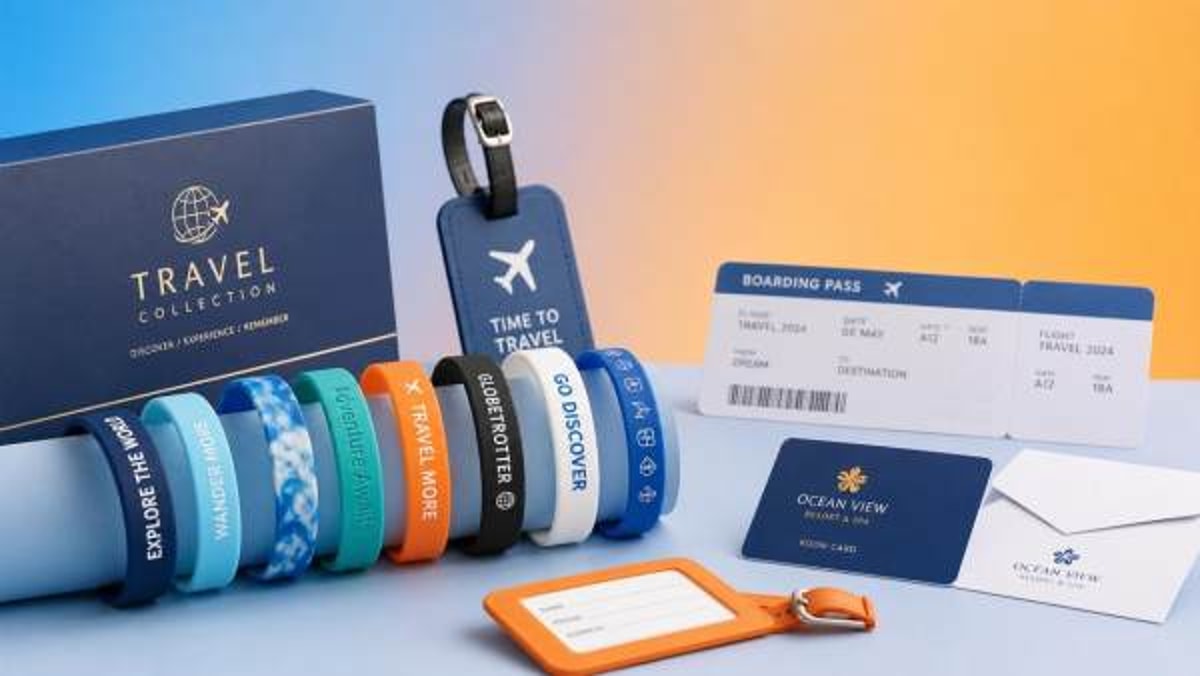
For finance approvers planning large travel promotions, wholesale silicone wristbands offer a practical balance of visibility, durability, and budget control. This guide breaks down the real cost factors behind bulk orders—from material grade and customization to shipping and compliance—so you can evaluate campaign ROI with greater confidence and make sourcing decisions that support both brand impact and financial discipline.
Why are wholesale silicone wristbands widely used in travel campaigns?
In travel services, promotional items have to survive movement, weather, and repeated handling. That is why wholesale silicone wristbands are often selected for tour groups, destination promotions, resort events, cruise programs, airport activations, and festival partnerships. Compared with printed flyers or disposable paper tags, silicone bands last longer, stay visible on the wrist, and continue working as a low-cost brand reminder after the trip ends.
For finance approvers, the appeal is not just unit price. It is cost efficiency over the full campaign cycle. A wristband can function as a branded souvenir, an entry identifier, a group management tool, and a social-sharing prop at the same time. That multi-use value matters when budgets are under pressure and every line item must justify its contribution to customer experience, operational convenience, and brand reach.
Wholesale silicone wristbands also fit the travel sector because they are lightweight, easy to pack in bulk, and simple to distribute at check-in desks, event booths, or guided tour assembly points. They can support loyalty campaigns, seasonal promotions, family packages, charity tourism events, or destination branding programs without adding significant logistics complexity.
What really determines the cost of wholesale silicone wristbands?
The first mistake many buyers make is assuming that price depends only on quantity. Order volume matters, but several hidden variables shape the final quote. Finance teams should review cost in layers rather than relying on a single headline unit price.
The most important drivers usually include material grade, band size, thickness, color complexity, logo method, packaging, lead time, compliance requirements, and shipping destination. Standard debossed bands in one color are normally the lowest-cost option. Prices increase when the campaign requires custom PMS color matching, segmented colors, glow effects, printed graphics, or individual barcoding for access control.
Material quality deserves special attention. Lower-grade silicone may reduce the ex-factory price, but it can create odor issues, inconsistent finish, or shorter wear life. For travel brands positioned as premium, those compromises can undermine customer perception. Medical-grade or food-contact-safe material may be unnecessary for many campaigns, but basic product safety consistency is still important when items are handed to families, children, or international travelers.
Lead time is another major cost factor. Rush production often means overtime charges, limited process options, or more expensive freight. If a destination campaign has a fixed launch date tied to a holiday season or trade event, the cheapest quote may not be the most economical decision once delay risk is included.
How should finance approvers compare quotes without missing hidden costs?
When comparing suppliers of wholesale silicone wristbands, the safest approach is to convert every quotation into landed cost per usable unit. That means including tooling charges, setup fees, packaging, freight, customs, taxes, and expected wastage. A lower per-piece price is misleading if the supplier adds mold fees, color surcharges, or expensive express shipping later.
It is also wise to check minimum order quantity against realistic campaign demand. In travel marketing, over-ordering can look efficient on paper because unit cost drops, but excess inventory may become obsolete when a route, partner, or destination theme changes. Under-ordering, however, may force a second production run at a much higher cost. Finance teams should ask for tiered pricing at several quantity levels and compare total spend against expected distribution volume.
A practical quote review should confirm at least five points: whether the silicone grade is specified, whether artwork revisions are included, whether freight terms are clear, whether pre-production samples are chargeable, and whether replacement terms exist for defects. These details matter more than aggressive opening prices.
Which customization options add value, and which ones mainly add cost?
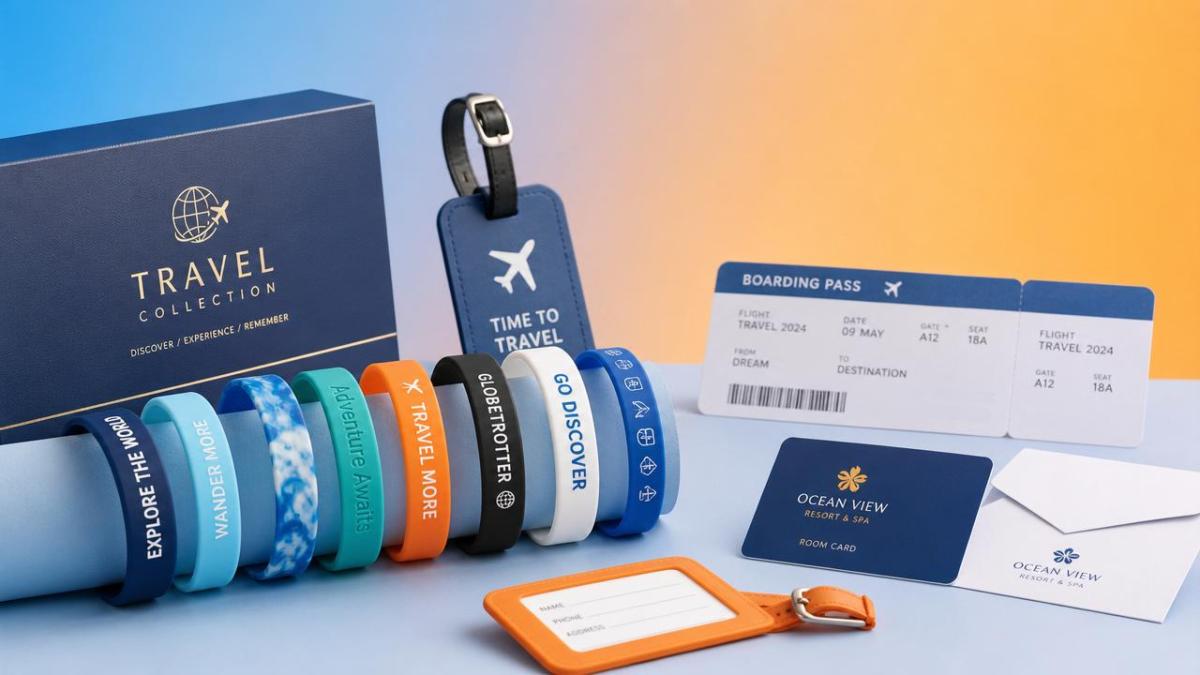
Not every premium feature improves campaign outcomes. For travel services, the most efficient customization often depends on use case. If the wristband is mainly for mass giveaway at tourism expos or hotel promotions, a simple debossed logo in a strong brand color may be enough. If it doubles as event access or VIP identification, color coding and serial marking can justify the extra cost.
Embossed or debossed wholesale silicone wristbands are generally more durable than surface printing because the design is physically integrated into the band. Printed logos may look sharper at first, but they can wear faster in high-contact environments such as beach resorts, water attractions, or outdoor tours. Color-filled debossing offers a middle ground: better visibility than plain debossing, but still more durable than standard print in many cases.
Special effects such as glow-in-the-dark, marbled color, glitter, or segmented designs can be effective for nightlife tourism, theme events, or youth travel campaigns. However, finance approvers should ask whether these enhancements support conversion or only aesthetics. If the campaign objective is cost-controlled visibility, simple and consistent branding often delivers better ROI than highly decorative finishes.
Individual polybags, header cards, or retail-style packaging also deserve scrutiny. For internal event distribution, bulk packing is usually more economical. If the wristbands will be sold at attractions, bundled into welcome kits, or displayed in partner retail channels, upgraded packaging may be justified because presentation directly affects perceived value.
What risks should buyers watch for when sourcing wholesale silicone wristbands internationally?
International sourcing can improve unit economics, but travel brands should not ignore operational and compliance risk. The most common problem is sample-to-bulk inconsistency. A pre-production sample may look excellent, while the final shipment varies in color accuracy, softness, or logo placement. To reduce this risk, buyers should request production tolerances in writing and confirm approval based on actual material and process, not only digital mockups.
Another issue is logistics timing. Travel promotions are often tied to departure windows, public holidays, school breaks, or destination launches. A two-week delay can destroy campaign value, even if the wristbands themselves are inexpensive. Finance approvers should therefore assess supplier reliability, not just price. A slightly higher quote from a vendor with better planning discipline may protect far more value than a cheaper but unstable source.
Compliance can also become a hidden risk. Depending on the market, client, or traveler profile, you may need documentation related to chemical safety, CPSIA-style child safety expectations, REACH-related concerns, or general material declarations. Travel companies serving family tourism, school groups, or public events should verify whether any destination-specific rules apply before placing a large order.
Finally, there is the reputational risk of poor sustainability claims. If a supplier markets wholesale silicone wristbands as eco-friendly, the claim should be specific and verifiable. Broad, unsupported green language can create credibility issues, especially for brands promoting responsible tourism or sustainable travel experiences.
How can finance teams estimate ROI for a large wristband campaign?
ROI for wholesale silicone wristbands should not be measured only by direct resale margin. In travel services, the return often comes from a mix of brand recall, smoother event operations, social exposure, and incremental customer engagement. A useful approach is to identify the primary function of the wristband before approval. Is it meant to drive repeat bookings, simplify access management, encourage group cohesion, or create visual branding during a destination activation?
For example, if wristbands help staff quickly identify package tiers or excursion groups, they can reduce check-in delays and support better on-site coordination. That operational efficiency has real financial value, even if it does not appear as immediate revenue. If the bands are attractive enough to be worn beyond the event, they may generate additional impressions at almost no extra cost.
Finance approvers should model three scenarios: baseline promotional use, operational support use, and extended brand exposure use. This prevents underestimating total return. It also helps justify why a slightly better material or clearer customization may be worth the investment when customer-facing perception matters.
Quick ROI checkpoint for decision makers
What are the most common mistakes when budgeting wholesale silicone wristbands?
One common mistake is approving based on factory price instead of delivered cost. Freight volatility, especially for urgent shipments, can quickly erase expected savings. Another is choosing the cheapest specification without thinking about campaign environment. In beach tourism, adventure travel, or water-based attractions, appearance retention matters more than it would for a single indoor conference.
Some buyers also underestimate artwork complexity. Tiny text, multiple colors, and intricate logos may not reproduce well on a small curved silicone surface. Paying for complex design that does not read clearly is wasted budget. Simpler branding is often more effective in motion-heavy travel settings.
A final mistake is treating all suppliers as interchangeable. In reality, communication speed, proofing accuracy, production controls, and export experience can significantly affect total project cost. For large campaigns, sourcing reliability is a financial issue, not only a purchasing issue.
What should be confirmed before moving forward with a supplier?
Before approving a bulk order of wholesale silicone wristbands, finance and procurement teams should align on a short checklist. Confirm the target quantity by campaign phase, the exact customization process, the acceptable color tolerance, the packaging format, the delivery deadline, and the required compliance documents. Ask for a pre-production sample if brand presentation is important or if the wristband will be distributed to premium travelers or strategic partners.
It is also useful to ask suppliers how they manage defects, rework, and late shipments. The answer reveals more about partnership quality than a sales brochure ever will. For travel service campaigns, where timing and guest-facing execution are tightly linked, that clarity is essential.
If you need to confirm a specific sourcing plan, parameters, timeline, quotation, or cooperation model, prioritize these questions: What is the full landed cost at each volume tier? Which customization method best matches the campaign environment? What compliance evidence is available for the destination market? What is the realistic production and shipping schedule? And what contingency options exist if demand changes or delivery slips? Those answers will help finance approvers choose wholesale silicone wristbands with stronger confidence, better budget discipline, and clearer promotional value.
Related Intelligence
 Corporate & Seasonal GiftsMay 07, 2026Branded USB Flash Drives: When Classic Promo Items Still Make SenseBranded USB flash drives still make sense for travel service brands—discover how they boost partner engagement, showcase premium content, and support higher-conversion B2B campaigns.
![]() Corporate & Seasonal GiftsMay 07, 2026Reborn Baby Dolls Wholesale: Key Quality Signs to Check Before Orderingreborn baby dolls wholesale buyers: learn the key quality signs to check before ordering, from materials and realism to compliance and factory consistency.
Corporate & Seasonal GiftsMay 07, 2026Reborn Baby Dolls Wholesale: Key Quality Signs to Check Before Orderingreborn baby dolls wholesale buyers: learn the key quality signs to check before ordering, from materials and realism to compliance and factory consistency. STEM & Educational ToysMay 07, 2026Montessori Toys Wholesale: What Sells Better Than Trend-Driven Toy PicksMontessori toys wholesale offers travel retailers and distributors a smarter alternative to fad toys—safer, educational, durable, and built for steady demand, repeat orders, and long-term trust.
 Corporate & Seasonal GiftsMay 07, 2026Custom Printed Mugs Bulk: Which Sizes and Coatings Make Better Gift ItemsCustom printed mugs bulk: discover the best sizes and coatings for travel gifts, hotel branding, and souvenir retail to boost appeal, durability, and buyer confidence.
 STEM & Educational ToysMay 07, 2026Sensory Toys for Autism OEM: Features That Matter More Than Bright PackagingSensory toys for autism OEM selection for travel services should prioritize safety, compliance, durability, and calming design over flashy packaging. Discover what truly improves guest experience.
 STEM & Educational ToysMay 07, 2026Custom Board Games Printing: How to Avoid Expensive Reprint MistakesCustom board games printing guide for travel service teams: avoid costly reprints, fix supplier risks, choose the right materials, and keep projects on time and on budget.
 Corporate & Seasonal GiftsMay 07, 2026Custom Power Banks OEM: What to Review Before Approving Battery SpecsCustom power banks OEM guide for travel service buyers: review battery chemistry, real output, safety, cycle life, and compliance before approval to reduce risk and boost buyer confidence.
 STEM & Educational ToysMay 07, 2026DIY Craft Kits for Kids: Which Projects Work Best for Short Attention SpansDIY craft kits for kids that keep short attention spans engaged on trips. Discover mess-free, travel-friendly projects for flights, road trips, and hotel downtime.
 STEM & Educational ToysMay 07, 2026Magnetic Building Blocks Manufacturer: Safety Points You Should Never SkipMagnetic building blocks manufacturer safety guide: learn the must-check tests, compliance documents, and audit points to avoid recalls, protect your brand, and source with confidence.
 Corporate & Seasonal GiftsMay 07, 2026Corporate Gift Sets Wholesale: How to Match Product Mix With BudgetCorporate gift sets wholesale for travel services: learn how to match product mix with budget, control landed costs, manage compliance, and choose higher-ROI gift sets.
 Corporate & Seasonal GiftsMay 07, 2026Action Figures Manufacturer: What to Compare Before Locking in a SupplierAction figures manufacturer comparison guide for travel buyers: evaluate compliance, customization, packaging, lead times, and supplier stability before choosing a sourcing partner.
 Corporate & Seasonal GiftsMay 07, 2026Birthday Party Decorations: How to Build a Theme Without OverbuyingBirthday party decorations made simple: learn how to build a stylish theme with fewer items, smart venue-friendly choices, and budget-saving tips that still create a memorable celebration.
 Corporate & Seasonal GiftsMay 07, 2026Fidget Spinners Bulk: When Low Unit Cost Becomes a Hidden Quality RiskFidget spinners bulk may look cost-effective, but hidden quality, compliance, and return risks can hurt travel retail margins. Learn how to source smarter before you buy.