Private Label Toys Without Rework: What Often Gets Missed
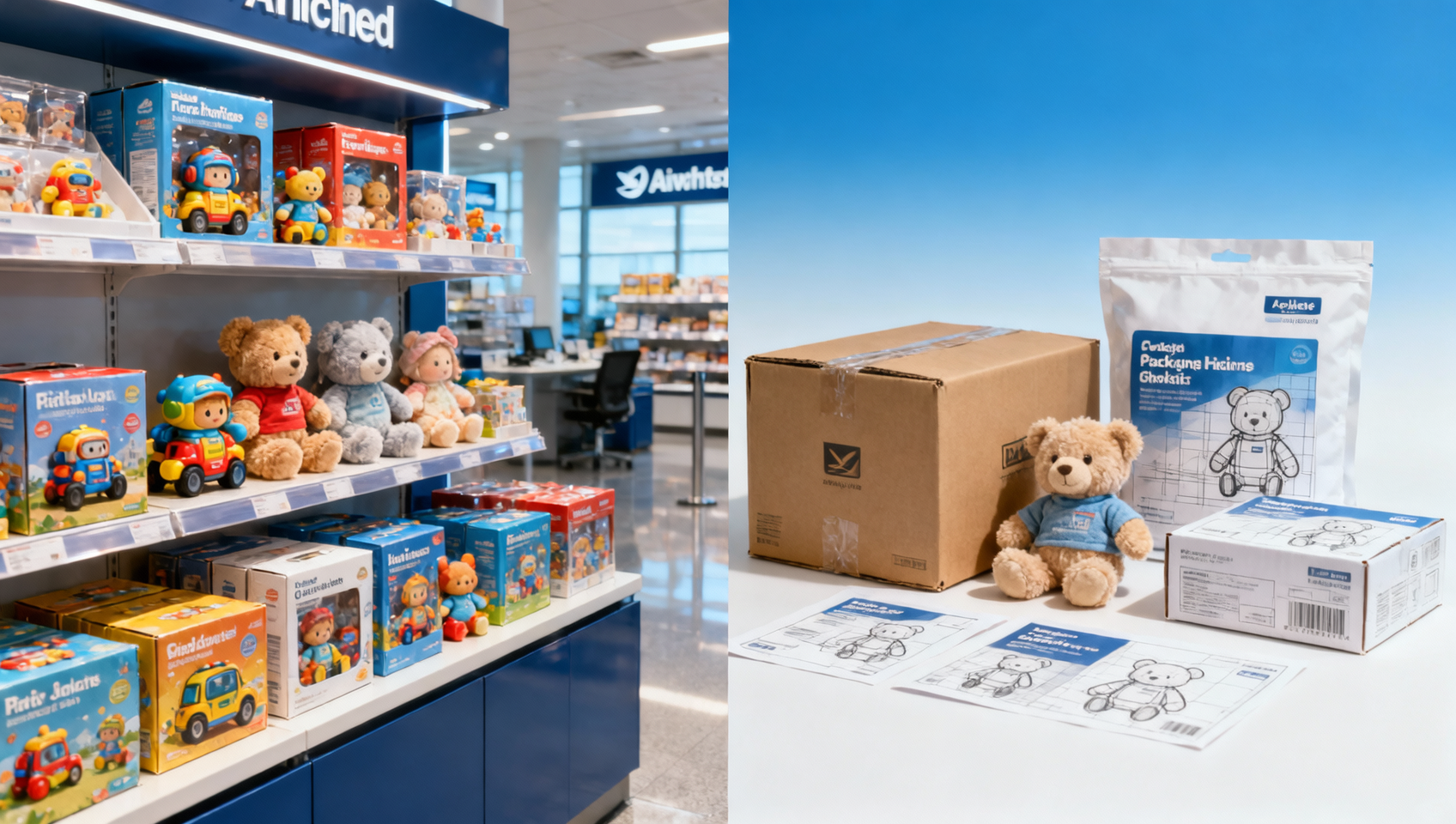
Launching private label toys without costly rework requires more than creative concepts and fast production. Many buyers overlook early alignment on safety, packaging, compliance, and supplier capability, especially when working with toy suppliers on OEM toys or ODM toys. This guide highlights what often gets missed so brands can reduce delays, protect margins, and bring safer baby products and related lines to market with confidence.
For travel retail operators, airport stores, resort gift shops, museum stores, cruise boutiques, and destination distributors, the challenge is even sharper. Toy programs linked to tourism must balance compact packaging, multilingual labeling, fast replenishment, seasonal demand, and safety compliance across multiple markets. A toy that performs well in a standard retail channel may still fail in travel service environments if packaging dimensions, transit durability, or age-grading details are not aligned early.
This is where sourcing discipline matters. Buyers, quality teams, finance approvers, and commercial evaluators need a practical framework that reduces rework before tooling, artwork, and bulk production begin. The sections below focus on what commonly gets missed in private label toy sourcing for travel service businesses and how to build a cleaner path from concept to shelf.
Why Travel Service Toy Programs Face More Rework Risk
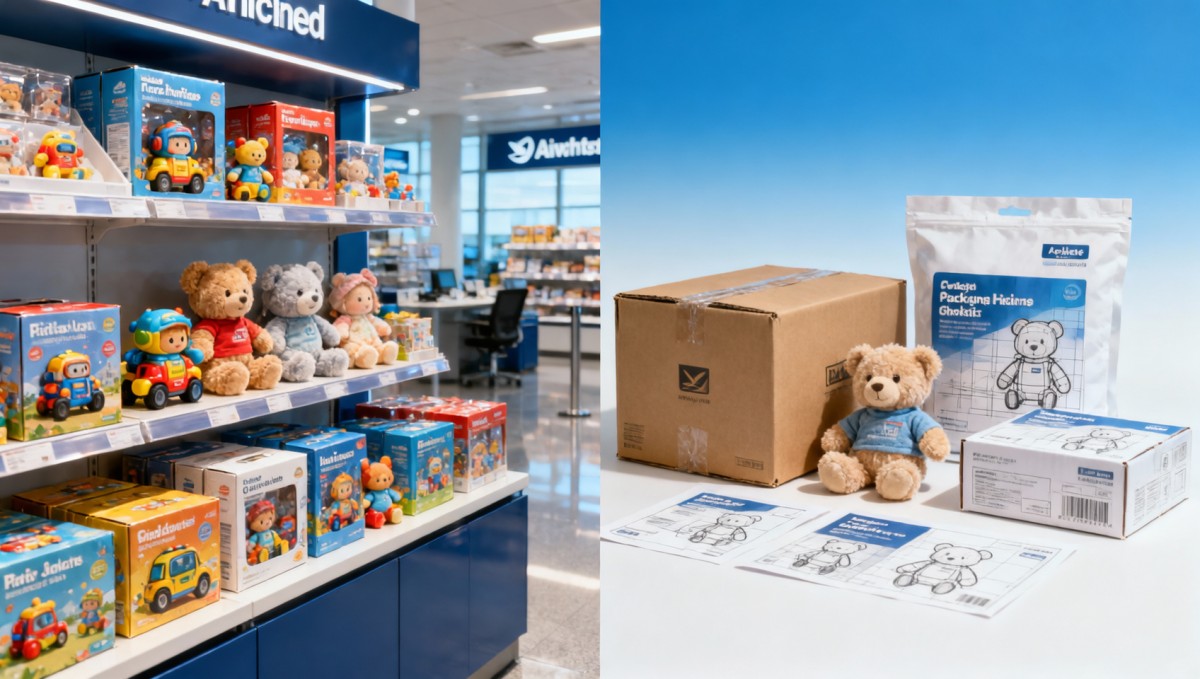
Private label toys sold through travel service channels often operate under tighter constraints than mainstream retail. Airport and cruise operators usually need compact assortments, faster launch windows, and packaging that survives long-distance distribution. A delay of just 2–4 weeks can mean missing a holiday traffic peak, a school break cycle, or a destination event that drives gift purchases.
Another issue is that travel buyers often source for mixed audiences in one location. A single store may serve toddlers, family travelers, and impulse gift buyers at the same time. That creates pressure on age grading, safety warnings, shelf visibility, and price architecture. If these decisions are left until after sampling, rework typically appears in artwork files, carton specs, insert materials, and barcode placement.
For tourism-linked toy lines, the product is rarely just a toy. It may also function as a destination souvenir, a seasonal promotion item, or a branded baby product sold in hotel retail corners. That means OEM toys and ODM toys must match both consumer expectations and the operating realities of travel service merchandising, where shelf depth may be limited to 20–35 cm and restocking windows may happen only once every 7–14 days.
Many teams focus on factory quotation first, but cost alone does not reveal hidden rework exposure. A low unit cost can quickly lose value if the packaging has to be resized for airport shelving, if label languages must be expanded from 2 to 5 markets, or if test samples fail after final material substitution. In practice, rework often starts with misalignment, not manufacturing defects.
Typical pressure points in tourism retail
- Short selling windows, often 6–12 weeks around holiday, resort, or destination traffic peaks.
- Higher packaging damage risk due to cross-border handling, checked baggage compression, and multi-node logistics.
- More complex labeling because products may move through duty-free, hotel retail, attractions, and local distribution partners.
- SKU rationalization requirements, since travel retailers usually prefer focused assortments of 10–30 high-velocity items.
Where teams often underestimate cost
Tool changes, package resizing, repeated lab tests, and manual relabeling all add expense, but the larger cost is time. In travel service, a missed launch can reduce sell-through opportunities across an entire route network or seasonal destination program. Finance reviewers should therefore assess rework not only as a production issue, but as a margin and timing issue that affects inventory turns and cash recovery.
The Early Alignment Checklist Before Sampling Starts
The most effective way to avoid rework is to front-load decisions before the first engineering sample or artwork proof. In travel service sourcing, this means aligning product concept, route-to-market, shelf environment, safety requirement, and packaging logic in the first 7–10 working days. When this step is skipped, teams often discover conflicts only after they have already paid for molds, print plates, or courier rounds.
A useful practice is to define a one-page sourcing brief that operations, procurement, QA, and merchandising all sign off on. For private label toys in tourism channels, the brief should cover age group, target retail format, pack size limits, destination theme, compliance market, and replenishment plan. This prevents the common situation where design approves one version, while logistics or compliance later rejects it.
The table below shows a practical pre-sampling checklist for travel service buyers. It is especially relevant for gift-and-toy lines sold in resorts, airports, travel hubs, or baby-focused tourism retail spaces.
The key takeaway is simple: sampling should not begin until operational constraints are known. If your team can lock pack size, target market, and compliance scope first, you can eliminate a large share of avoidable revisions later in the process.
Four decisions that should be frozen early
- Primary retail scene: airport, hotel, resort, attraction shop, cruise, or local tourism distributor.
- Pack architecture: hanging card, window box, PDQ, or compact travel-friendly carton.
- Compliance route: single-market launch or multi-market distribution in 2–3 phases.
- Price ladder: impulse, mid-ticket gift, or premium destination souvenir tier.
A practical sourcing note for operators
Operations teams should also confirm replenishment frequency before approving case pack. A carton optimized for factory efficiency may be too large for daily or weekly restock in hotels and attractions. Smaller case packs can improve handling even if unit freight cost rises slightly.
Safety, Compliance, and Packaging Details That Commonly Get Missed
In travel service toy programs, safety and packaging are often treated as separate workstreams, but in reality they are connected. A baby toy or souvenir plush with compliant materials can still trigger rework if the warning panel is incomplete, the age mark is inconsistent across pack faces, or the retail package fails in transport. These are frequent causes of delay for OEM toys and ODM toys entering multiple consumer markets.
Packaging also has a direct operational role in tourism retail. Products may be picked up quickly, squeezed into luggage, displayed in high-traffic zones, or exposed to humidity in coastal destinations. A box that works in standard domestic retail may not hold up through 3 handling stages, 2 warehouse transfers, and a final display in a warm, high-footfall store. That is why packaging validation should include both visual and handling criteria.
For private label baby products and toys, teams should confirm material declarations, warning placement, and destination-market documentation before print approval. Last-minute changes to label text or barcode regions often lead to discard costs on preprinted materials. In short-run travel programs, even 500–1,000 unusable units can materially reduce margin.
The matrix below helps quality managers and procurement teams review the most frequent compliance and packaging gaps before mass production starts.
The main lesson is that compliance is not only a lab step. It is a full-chain discipline involving design, labeling, packaging, logistics, and documentation. Teams that treat these as one approval workflow usually see fewer revisions and faster go-live.
Common warning signs before bulk production
- Artwork files are approved while destination markets are still “to be confirmed.”
- Sample packaging uses substitute board, insert, or closure type.
- Compliance documents are requested after production booking instead of before.
- No one has checked whether products fit the retailer’s actual fixture or travel display unit.
How to Evaluate Toy Suppliers for Travel Retail and Tourism Distribution
Supplier capability should be reviewed against the channel, not just the toy category. A factory that can manufacture plush, educational toys, or baby products at scale may still struggle with the travel service model if it cannot support smaller mixed runs, fast artwork cycles, or frequent packaging adjustments. For buyers launching private label toys into airports or destination stores, responsiveness can matter as much as unit price.
Procurement teams should test three capabilities early: sampling speed, documentation quality, and packaging discipline. A strong supplier should be able to return revised sample feedback within 5–7 working days for standard projects, maintain a clear bill of materials, and explain how it controls material change requests. If communication is vague at the sampling stage, rework risk is likely to be higher during production.
Travel retail also benefits from suppliers that understand assortment planning. Tourism channels often need 12–24 complementary SKUs rather than hundreds of unrelated items. The right OEM toy supplier or ODM toy partner should help align size, visual consistency, carton efficiency, and price tiers across the range, making store presentation easier for distributors and operators.
The table below can be used by sourcing managers, commercial evaluators, and finance stakeholders to compare suppliers more objectively.
A lower quote is not always the lower-risk option. When the supplier can manage documentation, channel-specific packaging, and phased launches, the total landed result is often stronger, even if ex-factory cost is modestly higher.
Supplier questions worth asking before PO confirmation
Operational questions
- What is the normal lead time for sample revision, packaging proof, and bulk production?
- How are artwork changes logged and approved to avoid old-version printing?
- Can the supplier support phased destination launches over 2 or 3 shipment waves?
Quality questions
Quality teams should ask how production samples are matched to golden samples, how incoming materials are checked, and when pre-shipment inspections take place. For travel service launches, inspection should happen early enough to allow correction without missing vessel or delivery slots.
A Practical Launch Workflow to Reduce Delays and Protect Margin
A disciplined launch workflow helps travel service buyers move from concept to shelf with fewer surprises. The process does not need to be overly complex, but it should have clear gates. For most private label toy programs, a 5-step workflow is more reliable than trying to manage everything through email chains and informal approvals.
Step 1 is concept and channel definition. Confirm the destination use case, traveler profile, price target, and shelf environment. Step 2 is technical alignment, where the supplier reviews product structure, materials, packaging dimensions, and compliance route. Step 3 is sample and artwork validation. Step 4 is pilot control, where final documents, golden samples, and packaging tests are locked. Step 5 is bulk production with pre-shipment verification and launch readiness checks.
In many tourism retail programs, the greatest savings come from putting more discipline into steps 2 and 3. A one-week delay in sample approval is inconvenient, but a mistake discovered after 30% of packaging has been printed is far more expensive. That is why commercial teams, QA, and logistics should share one approval calendar with visible deadlines.
A workable planning range for standard toy programs is 1–2 weeks for briefing and alignment, 2–4 weeks for sample and artwork cycles, and 4–8 weeks for bulk production depending on complexity. Seasonal travel launches usually require additional time buffers for destination distribution and customs clearance.
Recommended control points
- Freeze age grading, compliance market, and packaging footprint before engineering sample approval.
- Approve final artwork only after warning text, barcode, and destination language review are complete.
- Use a signed golden sample and final bill of materials before deposit release.
- Schedule pre-shipment inspection early enough to allow corrective action, usually 5–7 days before cargo booking.
- Check first-arrival sell-in readiness, including fixture fit, replenishment plan, and staff handling instructions.
FAQ for buyers and decision-makers
How long does a travel retail private label toy launch usually take?
For a relatively straightforward program, 8–14 weeks is a common planning range from briefing to shipment readiness. More complex ODM toys, multi-language packaging, or multi-market compliance can extend the timeline to 14–20 weeks.
What is the most common mistake in tourism toy sourcing?
The most common mistake is approving product concept before confirming the operational setting. When shelf size, route market, labeling needs, and packaging durability are not fixed first, rework often appears later in sampling or printing.
What should finance approvers focus on?
Finance teams should assess total landed risk, not only ex-factory price. Reprint costs, delayed launches, excess carton volume, and missed seasonal windows can outweigh a 3%–5% unit cost saving from a weaker supplier setup.
Private label toys succeed in travel service channels when sourcing decisions reflect the real operating environment from the start. Early alignment on safety, packaging, compliance scope, and supplier capability reduces avoidable rework, shortens launch cycles, and protects margins across airports, resorts, cruise retail, attractions, and destination distribution. For buyers, QA teams, operators, and decision-makers, the goal is not just faster production, but a cleaner, more reliable path to market. If you are planning OEM toys, ODM toys, or travel-ready baby products and gift assortments, now is the time to refine your sourcing workflow. Contact GCS to discuss a tailored strategy, compare supplier pathways, and explore solutions that fit your travel retail or tourism distribution program.
Related Intelligence
 Camping & WaterApr 18, 2026CPSC Launches New TPU Camping Bladder ChecksCPSC launches TPU camping bladder checks: Critical −20°C performance enforcement for exporters, suppliers & OEMs. Act now to avoid U.S. customs delays.
 Beauty DevicesApr 18, 2026Global Li-ion Battery Recycling Rate Hits 62.3%Li-ion battery recycling rate hits 62.3%—cutting BOM costs for beauty & smart pet device batteries. Discover how LFP cathode savings boost margins and compliance readiness.
 Beauty DevicesApr 18, 2026Canton Fair Phase II Preview: Beauty Device Inquiries +41% YoYBeauty device inquiries surge +41% YoY ahead of Canton Fair Phase II — Middle East buyers prioritize RF safety & energy efficiency certification.
 Smart Pet DevicesApr 18, 2026Vietnam Requires ISO 13485 + Vietnamese Manual for Smart Pet CollarsISO 13485 + Vietnamese manual now mandatory for smart pet collars entering Vietnam from May 2026—avoid customs delays & ensure compliance now.
 Infant Feeding & CareApr 18, 2026JETRO 2026 Spring Guide: Antibacterial Silicone & Traceability Now Dual Requirements for Infant Feeding Products in JapanAntibacterial silicone & traceability are now dual must-haves for Japan’s infant feeding products — per JETRO’s 2026 Spring Guide. Act now to secure certified supply and avoid Q2 delays.
 Corporate & Seasonal GiftsApr 18, 2026TÜV Rheinland Launches Green Gift Packaging CertificationGreen Gift Packaging certification by TÜV Rheinland unlocks EU retail access, 18% price premiums & 'Eco-Preferred' labeling — act now to meet mandatory tender requirements.
 STEM & Educational ToysApr 18, 2026SASO Launches Fast-Track for STEM Toy EMC Pre-ScanSASO Launches Fast-Track for STEM Toy EMC Pre-Scan: AI voice modules must complete EMC pre-scan within 48h — slash certification to 5 days. Act now!
 Camping & WaterApr 18, 2026RCEP Cuts Tariffs on China-Made Camping Water Bags for Vietnam/IndonesiaRCEP cuts tariffs on China-made camping water bags for Vietnam/Indonesia—unlock cost savings & navigate new TPU cold-resistance compliance demands now.
 Cosmetics & PkgApr 18, 2026FDA VCRP Rule for Cosmetic Packaging Effective Apr 16, 2026FDA VCRP Rule for Cosmetic Packaging takes effect Apr 16, 2026 — register PET bottles, tubes & pumps separately. Avoid U.S. customs delays!
 Beauty DevicesApr 18, 2026EU CBAM Carbon Tariff Takes Effect Apr 1, 2026: Impacts on Beauty Devices & Smart Nursery MonitorsEU CBAM carbon tariff starts Apr 1, 2026 — impacts beauty devices & smart nursery monitors using aluminum, lithium-ion batteries. Act now to avoid 3.2–5.8% cost hikes.
 Infant Feeding & CareApr 17, 2026Canton Fair Phase II 2026 Focuses on Health ConsumptionCanton Fair Phase II 2026 highlights surging global demand for Health Consumption—Infant Feeding & Care, Beauty Devices, and Camping & Water lead buyer pre-registrations.
 Smart Pet DevicesApr 17, 2026JIS T 0901:2026 Enforces 3m Drop & Salt Spray for Pet Smart CollarsJIS T 0901:2026 mandates 3m drop & salt spray tests for pet smart collars — critical for Japan market access. Learn compliance steps, impact on exporters, and urgent actions.
 Nursery Furniture & MonitorsApr 17, 2026Vietnam Requires ISO 13485 for Imported Used Baby Beds from July 2026ISO 13485 required for imported used baby beds in Vietnam from July 2026 — critical for exporters, OEMs & retailers. Act now to ensure compliance and market access.