Wholesale baby hooded towels: GSM, softness, and shrinkage
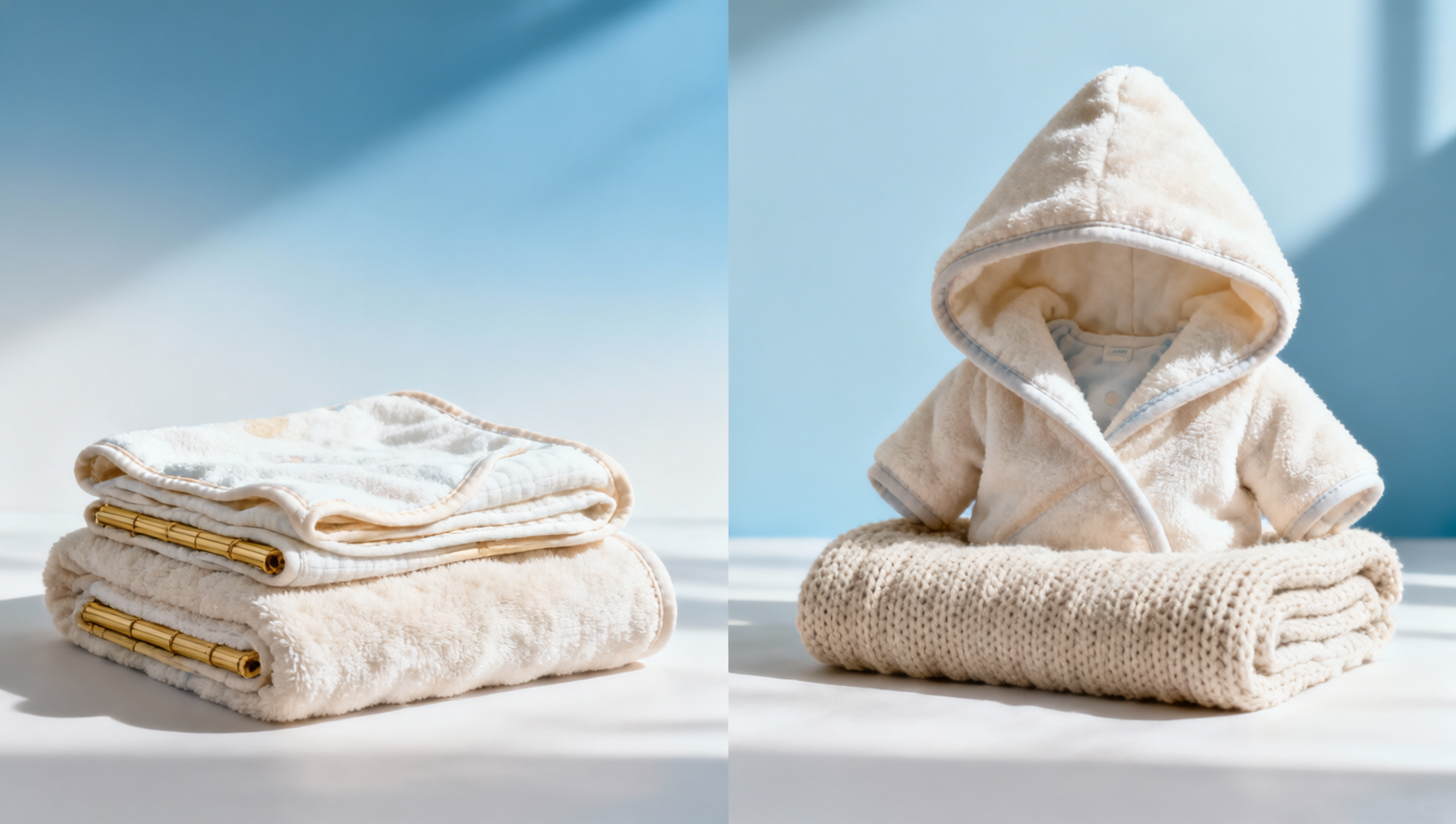
For buyers comparing wholesale baby hooded towels, the real differentiators are GSM, softness, and shrinkage after repeated washing. At Global Consumer Sourcing, we help procurement teams, quality managers, and brand decision-makers evaluate sourcing options alongside related categories such as bamboo baby washcloths, custom knit baby blankets, and diaper changing pad wholesale—so you can balance safety, comfort, compliance, and cost with greater confidence.
What buyers really need to know before choosing wholesale baby hooded towels
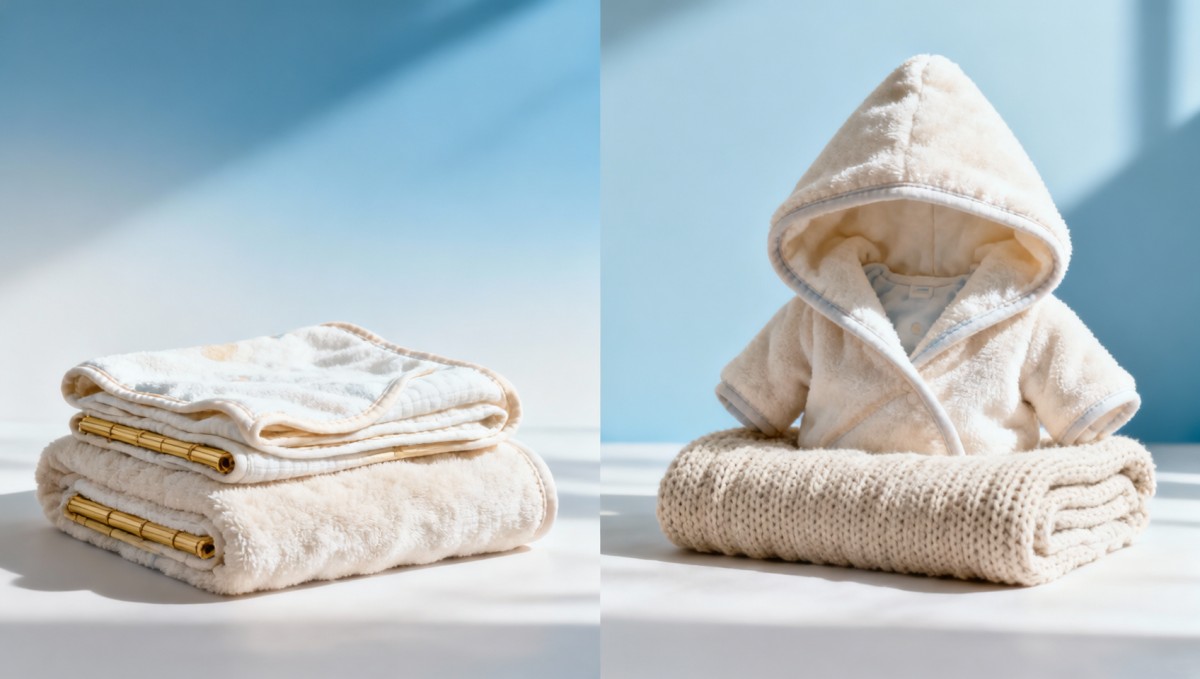
If you are sourcing wholesale baby hooded towels, the fastest way to avoid quality complaints and margin erosion is to evaluate three factors together: GSM, softness, and shrinkage. These are not isolated product specs. They directly affect user satisfaction, wash performance, packaging consistency, return rates, and long-term brand trust.
For most retail and private-label programs, the best option is not simply the thickest or softest towel on first touch. The best option is the towel that delivers a reliable balance of absorbency, hand feel, durability, compliant materials, and predictable post-wash sizing. In practice, buyers should compare supplier claims against lab testing, wash-cycle performance, fiber composition, finishing processes, and MOQ-linked cost structures.
This matters even more in baby and maternity categories, where softness must be achieved without compromising safety, and where shrinkage can quickly create sizing issues, hood deformation, or customer complaints after only a few washes.
How to judge GSM without overpaying for thickness that does not improve performance
GSM, or grams per square meter, is one of the first specs buyers see when reviewing baby towel quotations. It indicates fabric weight, but it should never be treated as a stand-alone measure of quality.
In baby hooded towels, lower GSM fabrics may feel lighter, dry faster, and cost less, but they can also feel less plush and absorb less effectively. Higher GSM towels may feel premium and absorb better, yet they may also dry more slowly, raise freight costs, and become bulkier in retail packaging. The right GSM depends on your market positioning, expected retail price, climate, and consumer preference.
As a practical sourcing guideline:
- 300–400 GSM: lightweight, value-oriented, faster drying, often suitable for entry-level programs
- 400–500 GSM: balanced range for mainstream retail, combining softness, absorbency, and manageable cost
- 500+ GSM: premium positioning, fuller hand feel, but requires closer testing for drying time, bulk, and shrinkage stability
Buyers should also confirm whether the GSM is measured before or after finishing, because brushing, softening, and pile treatment can affect perceived thickness. A towel that appears thick in a showroom sample may perform differently after repeated home laundering.
For procurement and finance teams, the key question is not “What is the highest GSM available?” but “What GSM gives us the best sell-through and the lowest complaint risk at our target price point?”
Why softness is more complex than fabric feel at the sampling stage
Softness is one of the most important buying criteria in baby textile products, but it is also one of the easiest to misread. A towel can feel exceptionally soft in a pre-production sample because of finishing chemicals or surface treatments, then lose that hand feel after several washes.
To assess true softness, buyers should look at the full material and finishing profile:
- Fiber type: cotton, bamboo viscose blends, and cotton-poly blends all create different softness and durability profiles
- Yarn quality: finer, better-spun yarns usually produce a smoother and more consistent surface
- Loop construction: terry density and loop height affect both softness and absorbency
- Finishing treatment: silicone or chemical softeners may improve initial touch but not always wash durability
For baby hooded towels, softness should be evaluated together with absorbency and skin safety. Over-finished towels may feel luxurious but may not be ideal if the finish affects wash performance or raises chemical compliance concerns. Quality managers should ask suppliers for test documentation related to azo dyes, formaldehyde limits, heavy metals, and other applicable baby textile safety standards depending on the destination market.
It is also useful to compare softness retention after 3, 5, and 10 wash cycles rather than relying on unopened samples only. This is where many suppliers begin to separate themselves.
How much shrinkage is acceptable in baby hooded towels?
Shrinkage is often underestimated during sourcing, yet it is one of the biggest drivers of customer dissatisfaction in baby textile categories. A hooded towel that shrinks too much can lose shape, distort embroidery placement, reduce usable coverage, and damage perceived product quality.
In most wholesale programs, buyers should define acceptable shrinkage tolerances before production approval. This is especially important for private-label retailers, e-commerce brands, and distributors managing cross-border returns.
Common evaluation points include:
- Length and width shrinkage after washing
- Hood shape retention
- Edge binding distortion
- Twisting or skewing after laundering
- Shrinkage difference between body fabric and trim components
As a general commercial benchmark, many buyers prefer controlled shrinkage within a low single-digit range after standard wash testing, but the acceptable level depends on fabric composition, market expectations, and labeling claims. The important point is consistency. A towel with slightly higher but stable shrinkage can be easier to manage than one with unpredictable lot-to-lot variation.
Before finalizing a supplier, request wash-test reports and confirm the test method used. Shrinkage results can vary depending on water temperature, tumble drying, and the number of cycles. Without a shared testing protocol, “low shrinkage” claims are difficult to compare.
What procurement, QA, and brand teams should ask suppliers before placing an order
Strong sourcing decisions usually come from asking better technical and commercial questions early. For wholesale baby hooded towels, buyers should go beyond basic price and MOQ discussions.
Useful supplier questions include:
- What is the exact fiber composition, and is it verified by third-party testing?
- What GSM tolerance is allowed in bulk production?
- How is softness achieved: fiber selection, construction, or chemical finishing?
- What are the shrinkage results after repeated washing under a stated test method?
- Are all dyes, finishes, and accessories suitable for baby product compliance requirements in target markets?
- Can the factory provide CPSIA, CPC, REACH, OEKO-TEX, or other relevant documents where applicable?
- How consistent are color, embroidery, edge stitching, and hood alignment across production lots?
- What is the packaging impact of different GSM levels on carton loading and shipping cost?
For project managers and sourcing teams handling broader baby categories, it is also smart to evaluate whether the supplier can support adjacent SKUs such as bamboo baby washcloths or custom knit baby blankets. Consolidating related product lines with a capable factory or sourcing network can simplify quality control, reduce logistics fragmentation, and improve negotiation leverage.
How to balance comfort, compliance, and cost in a wholesale program
The best wholesale baby hooded towel program is rarely the cheapest sample on the table. It is the program that aligns product feel, compliance confidence, wash durability, and landed cost with your brand strategy.
For value retail, a moderate GSM with acceptable softness and controlled shrinkage may generate the best commercial result. For premium gifting or specialty baby boutiques, buyers may prioritize elevated hand feel, upgraded packaging, and stronger material storytelling. For e-commerce sellers, post-wash consistency and lower return risk may matter more than showroom softness.
Cost should be reviewed in full context:
- Unit price based on GSM, material, and workmanship
- Testing and compliance cost for baby category requirements
- Freight and carton efficiency affected by fabric bulk
- Return and complaint exposure linked to shrinkage or quality inconsistency
- Brand impact if softness does not match listing claims or retail positioning
This wider view helps enterprise decision-makers and financial approvers avoid a common sourcing mistake: saving a small amount on ex-factory cost while creating much larger downstream losses in returns, markdowns, or damaged reputation.
Final takeaway for evaluating wholesale baby hooded towels
When comparing wholesale baby hooded towels, GSM, softness, and shrinkage should be treated as a connected decision framework, not three separate checklist items. GSM affects weight, absorbency, and freight. Softness influences user satisfaction and brand perception. Shrinkage determines whether the product continues to perform after real-world washing.
For serious buyers, the most reliable path is to validate supplier claims with repeatable wash testing, compliance documentation, construction review, and cost analysis tied to your actual sales channel. That is how procurement teams, QA managers, distributors, and brand owners reduce risk while choosing a towel program that fits both commercial goals and end-user expectations.
In baby textiles, first-touch appeal matters—but wash durability, safety confidence, and production consistency are what protect long-term value.
Related Intelligence
 Electronic & RC ToysApr 25, 2026CPSC Proposes FCC Part 18B RF Leakage Test for Wireless Charging in Electronic ToysCPSC proposes FCC Part 18B RF leakage testing for wireless charging in electronic toys—critical for Qi2.0/USB-PD3.1 exporters, OEMs & compliance labs.
 Nursery Furniture & MonitorsApr 25, 2026JETRO Spring 2026: Blockchain Batch Code Mandatory for Infant MonitorsJETRO Spring 2026 mandates blockchain batch code for infant monitors — EN60601-1-12 compliance + Hyperledger Fabric registration required. Act now to avoid port rejections!
") Corporate & Seasonal GiftsApr 25, 2026TÜV Rheinland Updates Green Packaging LCA Protocol (2026)TÜV Rheinland Green Packaging LCA Protocol V2.1 (2026) mandates full-life-cycle carbon heatmaps for Corporate & Seasonal Gifts packaging — critical for ALDI/LIDL market access.
Corporate & Seasonal GiftsApr 25, 2026TÜV Rheinland Updates Green Packaging LCA Protocol (2026)TÜV Rheinland Green Packaging LCA Protocol V2.1 (2026) mandates full-life-cycle carbon heatmaps for Corporate & Seasonal Gifts packaging — critical for ALDI/LIDL market access. Beauty DevicesApr 25, 2026Global Li-ion Recycling Rate Hits 62%: Impact on Beauty Device BatteriesLi-ion recycling rate hits 62% — discover how this impacts beauty device battery costs, lead times & compliance for D2C brands and OEMs.
 Infant Feeding & CareApr 25, 2026Canton Fair Phase III: Infant Feeding Inquiries +63% YoYCanton Fair Phase III infant feeding inquiries +63% YoY — urgent CPC & ISO 8124-3 compliance insights for exporters, silicone suppliers & labs.
") Smart Pet DevicesApr 25, 2026Vietnam Enforces New Smart Pet Collar Standards (Apr 2026)Vietnam Enforces New Smart Pet Collar Standards: Bluetooth 5.4 testing & embedded Vietnamese voice prompts now mandatory for market entry.
Smart Pet DevicesApr 25, 2026Vietnam Enforces New Smart Pet Collar Standards (Apr 2026)Vietnam Enforces New Smart Pet Collar Standards: Bluetooth 5.4 testing & embedded Vietnamese voice prompts now mandatory for market entry. Nursery Furniture & MonitorsApr 25, 2026SASO AI Ethics Rule for Smart Baby Monitors in Saudi ArabiaSASO AI Ethics Rule for Smart Baby Monitors in Saudi Arabia: Urgent compliance update for exporters & manufacturers — local AI ethics testing now mandatory at Riyadh lab.
 Camping & WaterApr 25, 2026RCEP Camping Water Bag Tariff Cut: Indonesia Adopts New TPU-Aluminum SpecRCEP Camping Water Bag tariff cut + new TPU-aluminum spec in Indonesia — boost compliance, cut costs, and win LPSE tenders. Act now!
 Cosmetics & PkgApr 25, 2026FDA Updates VCRP Guidance: Nano-TiO₂ Sunscreen Packaging Requires Separate Safety DossierNano-TiO₂ sunscreen packaging now requires a separate FDA VCRP safety dossier—key for Chinese OEMs & U.S. brands. Act before Q2 2026 deadlines.
 Cosmetics & PkgApr 25, 2026EU EPR Mandatory for Beauty Packaging in FR/DE/BE/NL from Apr 25, 2026EU EPR mandatory for beauty packaging in FR/DE/BE/NL from Apr 25, 2026—act now to avoid customs blocks, marketplace delisting & fines up to 4% of turnover.
 Cosmetics & PkgApr 24, 2026SAMR Fines 7 Platforms $230M for 'Ghost Kitchen' Packaging ViolationsSAMR fines 7 platforms $230M for ghost kitchen packaging violations—critical alert for infant feeding, supplement, and export packaging manufacturers.
 Nursery Furniture & MonitorsApr 24, 2026Canton Fair Phase III: Infant Monitors Draw Middle East Demand Amid EN60601-1-12 FocusInfant monitors at Canton Fair Phase III spark Middle East demand — IEC 60601-1-12:2022 compliance is now critical for GCC hospital tenders.
 Smart Pet DevicesApr 24, 2026Vietnam Enforces ISO 13485 + Vietnamese Manual for Smart Pet CollarsISO 13485 + Vietnamese manual now mandatory for smart pet collars entering Vietnam — avoid customs rejection. Act now to comply with MOH/MOIT’s April 2026 regulation.