Canton Fair Phase II 2026 Focuses on Health Consumption
Phase II of the 139th Canton Fair (April 23–27, 2026) shows a clear strategic shift: overseas buyer pre-registrations highlight strong demand in health-linked consumer categories—Infant Feeding & Care (+32% YoY), Beauty Devices (+28%), and Camping & Water (+25%). This signals growing attention from global importers to higher-value, function-driven product solutions, particularly among buyers from Europe and North America. Companies active in infant care, personal wellness tech, and outdoor lifestyle supply chains should treat this as an early indicator of evolving procurement priorities.
Event Overview
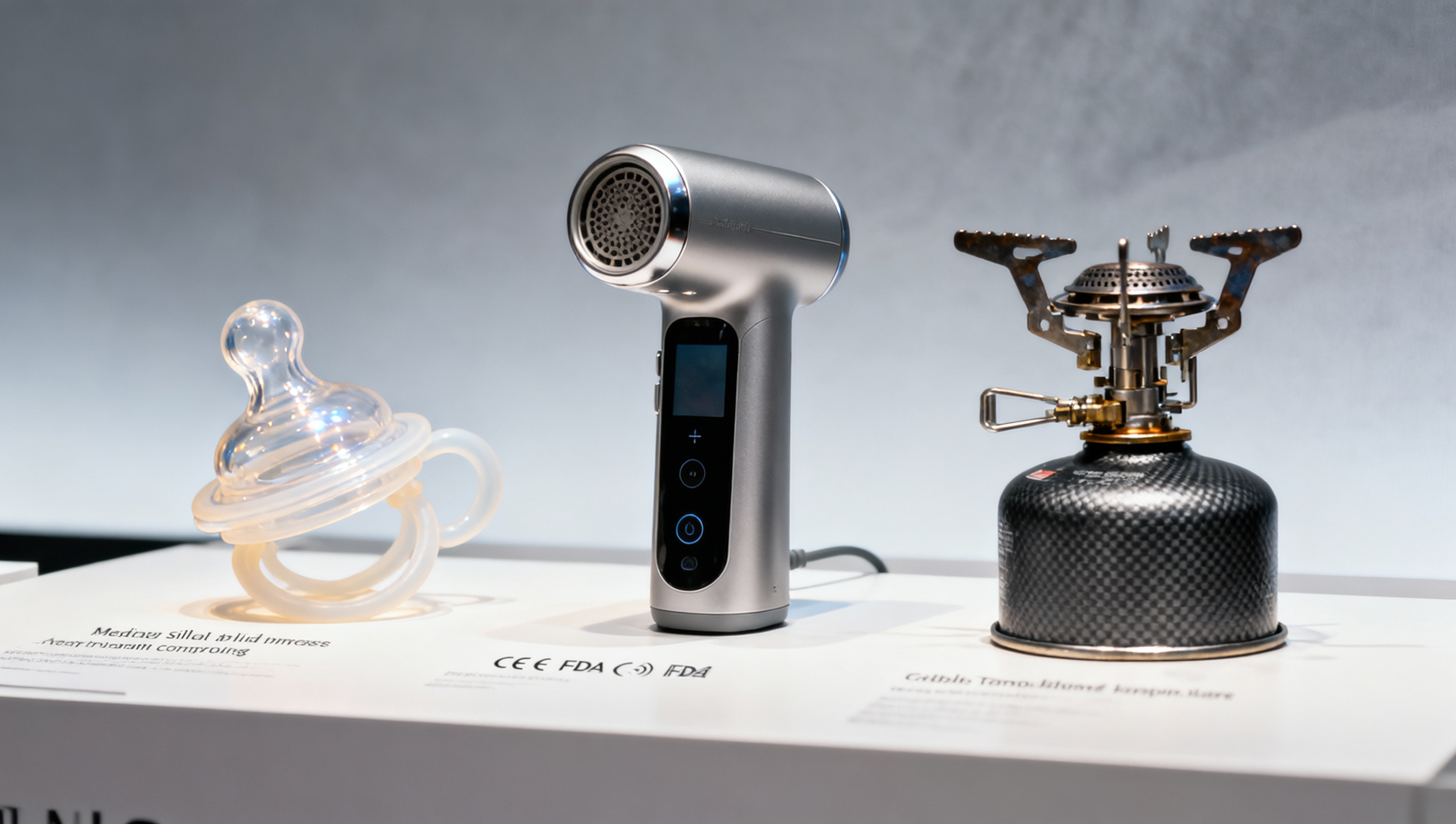
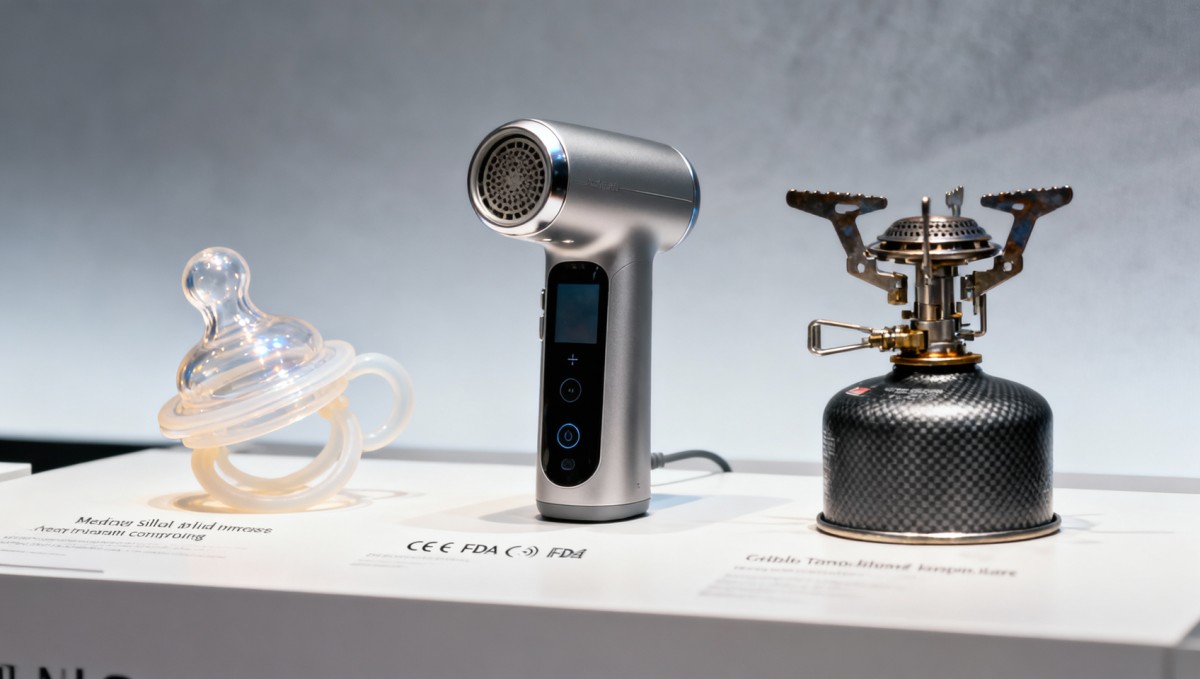
Phase II of the 139th Canton Fair was held from April 23 to 27, 2026. According to official exhibition recruitment data released by the China Foreign Trade Center, overseas buyer pre-registration volumes for three categories—Infant Feeding & Care, Beauty Devices, and Camping & Water—ranked first, second, and third respectively, with year-on-year growth rates of +32%, +28%, and +25%. Notably, buyers from Europe and North America demonstrated focused interest in specific high-qualification items: medical-grade silicone baby nipples, RF beauty devices holding both CE and FDA certifications, and foldable titanium alloy camping stoves.
Industries Affected
Direct Export Trading Firms
These firms face increased demand for technical documentation, compliance verification, and post-sale support—not just unit pricing. The emphasis on dual certifications (e.g., CE+FDA) and material-grade specifications (e.g., medical-grade silicone) means order qualification cycles may lengthen, requiring earlier alignment with testing labs and regulatory consultants.
Raw Material Suppliers
Suppliers of food-grade silicones, biocompatible polymers, and aerospace-grade titanium alloys are seeing indirect but measurable pull-through demand. Growth in certified infant care and premium outdoor gear segments implies tighter traceability requirements and longer lead times for compliant batches—especially where batch-level certification is mandatory.
OEM/ODM Manufacturing Enterprises
Manufacturers serving these categories must now prioritize integration capability over pure volume output. For example, producing a CE+FDA-compliant RF device requires coordinated input from electronics R&D, thermal engineering, clinical validation partners, and packaging design—all before sample submission. Margins may improve, but time-to-market pressure increases.
Distribution & Channel Operators
Importers and regional distributors handling these categories will need to reassess shelf-ready compliance labeling, multilingual user manuals, and after-sales service infrastructure—particularly for regulated beauty tech. Stocking decisions may shift toward fewer SKUs with stronger regulatory readiness, rather than breadth alone.
What Relevant Businesses or Practitioners Should Focus On
Monitor official updates on certification pathways for key export markets
The repeated reference to CE+FDA dual certification suggests tightening convergence—or divergence—in regulatory expectations. Businesses should track upcoming revisions to EU MDR Annex XVI (for aesthetic devices) and FDA’s updated guidance on low-risk RF devices, expected mid-2026.
Prioritize qualification readiness for top-three categories in buyer pre-registration data
Infant Feeding & Care, Beauty Devices, and Camping & Water collectively represent a structural demand signal—not just seasonal spikes. Companies should allocate internal review capacity (e.g., QA/QC, regulatory affairs) proportionally to these categories when planning Q2–Q3 production cycles.
Distinguish between policy signaling and commercial execution
While pre-registration data reflects intent, actual order conversion remains subject to payment terms, logistics reliability, and post-show follow-up. Firms should avoid overextending capacity based solely on inquiry volume; instead, use the data to refine sales targeting and qualify leads more rigorously.
Prepare cross-functional alignment ahead of next season’s sourcing cycle
For manufacturers, aligning R&D, procurement, and compliance teams at least 90 days before major trade fairs improves responsiveness to qualified buyer requests. A shared checklist—including material certs, test reports, and labeling mockups—reduces post-fair delays in quotation turnaround.
Editorial Perspective / Industry Observation
From industry perspective, this data point is best understood not as a market trend confirmation, but as an early-stage procurement signal—one reflecting shifting buyer risk calculus. The consistent emphasis on certified materials and dual-market compliance suggests overseas buyers are increasingly treating regulatory readiness as a proxy for operational maturity and long-term partnership viability. Analysis来看, it is less about sudden category expansion and more about consolidation around suppliers who can demonstrate vertical control across safety, performance, and documentation layers. Current relevance lies in its utility as a forward-looking calibration tool—not yet a confirmed demand inflection point.
Conclusion
This Canton Fair Phase II data does not indicate an immediate surge in orders, but rather a recalibration in how international buyers evaluate supplier capability—prioritizing verifiable compliance, material integrity, and integrated engineering over cost or speed alone. It is better interpreted as a directional cue for capability investment, not a trigger for rapid capacity scaling. Rational response involves measured prioritization, not reactive expansion.
Source Attribution
Main source: Official recruitment data released by the China Foreign Trade Center for the 139th Canton Fair Phase II (April 23–27, 2026). Note: Certification requirements referenced (e.g., CE+FDA dual compliance) reflect buyer inquiry language as reported in official summaries; final regulatory applicability per product remains subject to individual device classification and jurisdictional interpretation. Ongoing monitoring of EU and U.S. regulatory updates is advised.
Related Intelligence
 Infant Feeding & CareApr 17, 2026Canton Fair Phase II 2026 Focuses on Health ConsumptionCanton Fair Phase II 2026 highlights surging global demand for Health Consumption—Infant Feeding & Care, Beauty Devices, and Camping & Water lead buyer pre-registrations.
 Smart Pet DevicesApr 17, 2026JIS T 0901:2026 Enforces 3m Drop & Salt Spray for Pet Smart CollarsJIS T 0901:2026 mandates 3m drop & salt spray tests for pet smart collars — critical for Japan market access. Learn compliance steps, impact on exporters, and urgent actions.
 Nursery Furniture & MonitorsApr 17, 2026Vietnam Requires ISO 13485 for Imported Used Baby Beds from July 2026ISO 13485 required for imported used baby beds in Vietnam from July 2026 — critical for exporters, OEMs & retailers. Act now to ensure compliance and market access.
 Corporate & Seasonal GiftsApr 17, 2026TÜV Rheinland Launches Green Gift Packaging Certification in ShenzhenGreen Gift Packaging certification by TÜV Rheinland in Shenzhen unlocks 18% price premiums & Amazon EU visibility — act now to meet EU retail sustainability demands.
 Camping & WaterApr 17, 2026CPSC Targets Chinese Camping Water Bladders for TPU Cold-Resistance ChecksCPSC targets Chinese camping water bladders for TPU cold-resistance checks — verify ASTM F2332-23 compliance now to avoid recalls, delays & reputational risk.
 Beauty DevicesApr 17, 2026Global Li-ion Battery Recycling Rate Hits 62.3%Li-ion battery recycling rate hits 62.3% — discover how beauty & pet-tech brands cut BOM costs by 9% and shorten lead times to 6 weeks with regenerated cathode materials.
 STEM & Educational ToysApr 17, 2026SASO ISO 8124-1:2026 Enforced for STEM Toys in Saudi ArabiaSASO ISO 8124-1:2026 now mandates IEC 61000-4-3 EMC testing for AI voice–enabled STEM toys entering Saudi Arabia — secure SABER clearance fast with SASO-recognized labs.
 Fitness EquipmentApr 17, 2026RCEP Cuts China Fitness Equipment Tariffs to 2.8% in Vietnam, Thailand, MalaysiaRCEP cuts China fitness equipment tariffs to 2.8% in Vietnam, Thailand & Malaysia—boosting margins and slashing lead times to 8–10 weeks. Act now!
 Skincare OEMApr 17, 2026FDA VCRP Electronic System Mandatory from April 16, 2026FDA VCRP electronic system becomes mandatory April 16, 2026 — register cosmetics & packaging now to ensure U.S. market access, Amazon listing, and FDA compliance.
 Baby Gear & StrollersApr 17, 2026EU Ban on PFAS in Children's Products Takes Effect Apr 17, 2026EU PFAS ban on children's products takes effect Apr 17, 2026 — impact on strollers, pacifiers, feeding gear & infant monitors. Act now to ensure compliance.
 Infant Feeding & CareApr 16, 2026Wholesale baby hooded towels: shrinkage variance between cotton and bamboo blendsWholesale baby hooded towels: Discover critical shrinkage variance between cotton & bamboo blends—key for diaper changing pad wholesale, bamboo baby washcloths, custom knit baby blankets & more.
 Infant Feeding & CareApr 16, 2026Bamboo baby washcloths: formaldehyde residue risk in low-cost suppliersBamboo baby washcloths safety alert! Avoid formaldehyde risks in low-cost suppliers. Source compliant diaper changing pad wholesale, baby safety gates wholesale, custom knit baby blankets & more—trusted by global OEMs.
 Infant Feeding & CareApr 16, 2026Baby grooming kit OEM: nickel content in stainless steel tools — does it matter?Baby grooming kit OEM, diaper changing pad wholesale & baby safety gates wholesale — ensure nickel-safe stainless steel for infant skin. Get compliant, certified suppliers now.