CPSC Targets Chinese Camping Water Bladders for TPU Cold-Resistance Checks
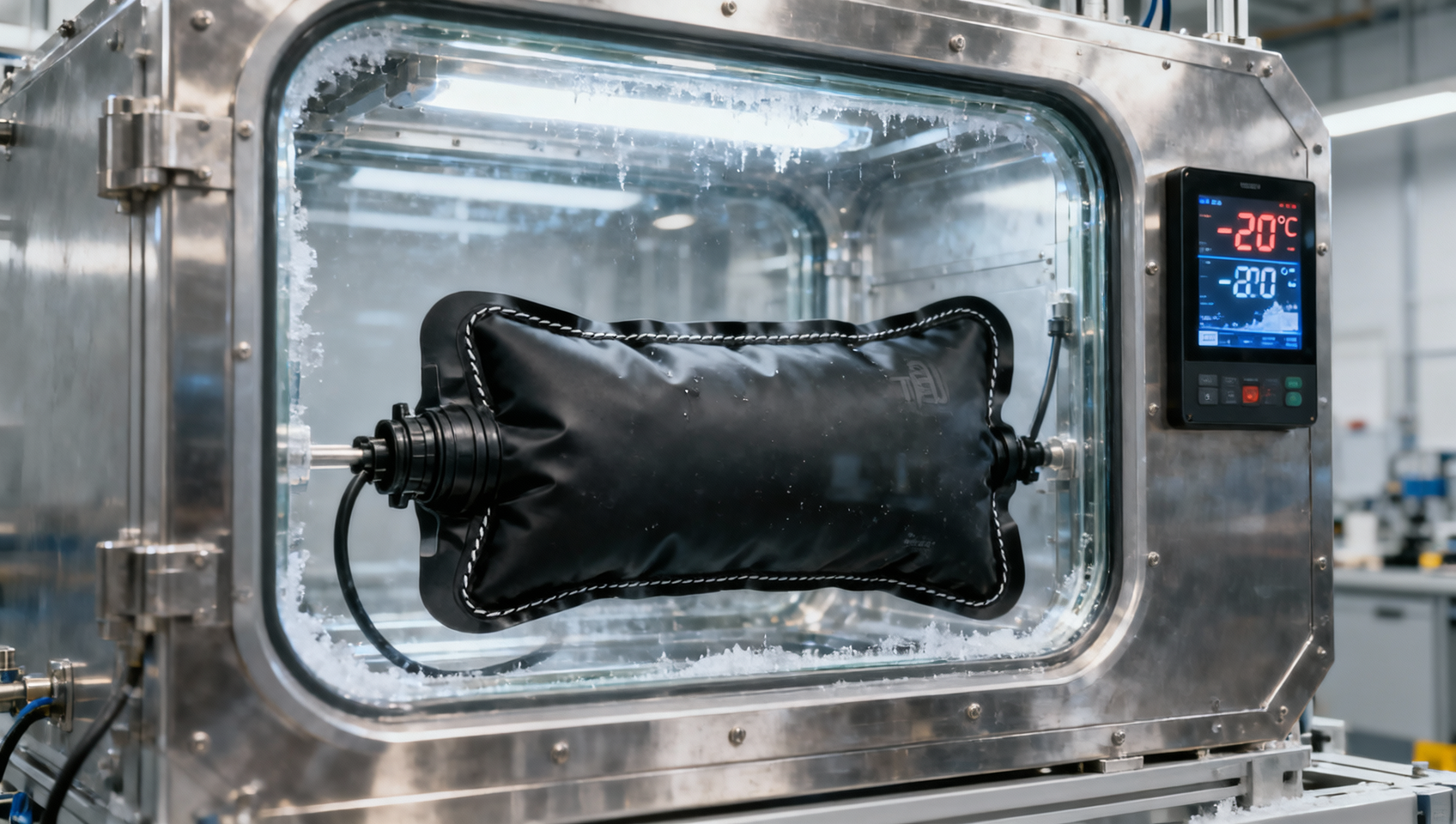
On April 14, 2026, the U.S. Consumer Product Safety Commission (CPSC) launched a targeted inspection initiative on imported camping water bladders — particularly those manufactured in China — with emphasis on low-temperature performance of TPU materials. This action directly affects exporters, material suppliers, and manufacturers engaged in outdoor gear supply chains serving North American markets.
Event Overview
On April 14, 2026, the CPSC issued a notice initiating a special抽查 (spot check) program for imported camping and water-related bladders. The inspection focuses specifically on tensile tear resistance and seal integrity of thermoplastic polyurethane (TPU) materials under −20°C conditions, per ASTM F2332-23. Three Chinese suppliers have already been listed on the CPSC’s public safety alert list due to reported failures — including burst incidents at sub-zero temperatures. Importers and procurement teams are advised to verify whether their suppliers hold CNAS-accredited laboratory capabilities for −30°C low-temperature aging tests.
Industries Affected by Segment
Direct Exporters & Trading Companies
These entities face heightened compliance risk during U.S. customs clearance and post-import verification. A failed test may trigger detention, mandatory recall, or inclusion in CPSC’s public enforcement database — impacting brand reputation and future market access.
Raw Material Suppliers (TPU Film/Sheet Producers)
Suppliers providing TPU substrates to bladder manufacturers must now demonstrate traceable cold-performance data aligned with ASTM F2332-23. Absence of certified low-temp validation may disqualify materials from qualifying for CPSC-compliant end products.
OEM/ODM Manufacturers (Camping Gear Factories)
Factories assembling finished water bladders bear direct responsibility for product-level conformity. Process control — especially lamination, heat-sealing, and edge reinforcement — must be validated under low-temperature stress, not just ambient conditions.
Distribution & Brand Operators (North America-Focused)
Brands sourcing from China and distributing under their own labels may be held legally liable under CPSC’s General Conformity Certificate (GCC) requirements. Documentation gaps — especially missing lab reports for −20°C functional testing — increase exposure during audits or incident investigations.
What Enterprises Should Monitor & Act On Now
Track CPSC’s official updates and enforcement patterns
Monitor CPSC’s weekly enforcement listings and recall notices for emerging trends — e.g., whether inspections expand beyond TPU to include other flexible materials (e.g., TPE, PVC blends) or extend to adjacent categories (e.g., hydration packs, collapsible containers).
Verify supplier testing capability — not just claims
Request documented evidence of −30°C low-temperature aging tests conducted in CNAS-accredited labs, including test reports with specimen IDs, environmental chamber logs, and pass/fail criteria per ASTM F2332-23 Section 7. Avoid reliance on generic ‘cold-resistant’ marketing language without traceable data.
Review technical specifications and GCC documentation
Ensure General Conformity Certificates explicitly reference ASTM F2332-23 and list temperature-conditioned test results. Where prior GCCs omitted cold-performance verification, prepare corrective submissions before next shipment cycle.
Assess inventory and production timelines
For bladders already in transit or warehoused in the U.S., assess exposure risk if no −20°C functional validation exists. Consider voluntary pre-clearance verification with third-party labs to reduce potential delays or detentions upon entry.
Editorial Perspective / Industry Observation
From industry perspective, this CPSC action is less a one-off enforcement sweep and more a signal of tightening technical expectations for flexible outdoor accessories in cold-weather use cases. Analysis来看, it reflects growing regulatory attention on material-level performance — not just structural design — as a determinant of consumer safety. Observation来看, the focus on −20°C (not just standard room-temp testing) suggests CPSC is aligning enforcement with real-world usage scenarios in winter camping and alpine environments. Current more relevant interpretation is that this is an early-stage compliance signal — not yet a full regulation change — but one that will likely inform future ASTM revisions and import screening protocols.
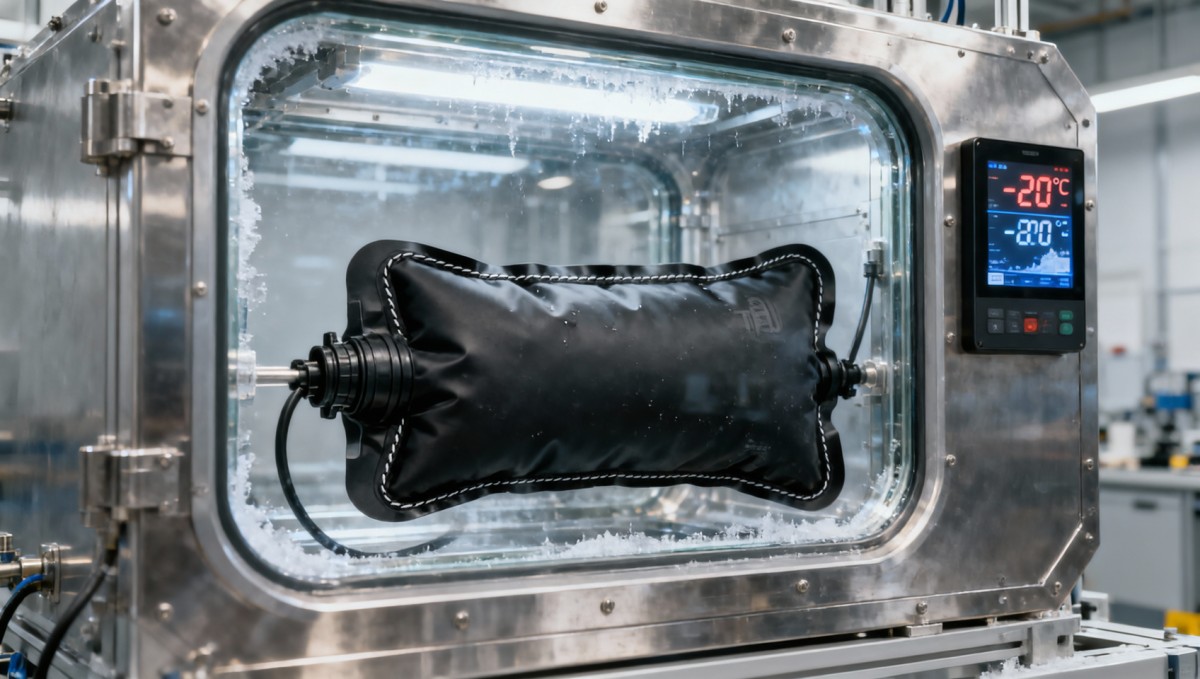
In summary, the CPSC’s April 14, 2026 action underscores a shift toward material-specific, environment-conditioned safety verification for outdoor hydration products. It does not introduce new legislation, but elevates evidentiary expectations for existing standards. For stakeholders, this is best understood as a procedural checkpoint — not a market barrier — provided technical documentation and lab validation are proactively aligned with ASTM F2332-23’s low-temperature provisions.
Source: U.S. Consumer Product Safety Commission (CPSC) official notice, April 14, 2026.
Note: Ongoing monitoring is recommended for CPSC’s subsequent enforcement actions, potential updates to ASTM F2332, and any expansion of scope to related product categories.
Related Intelligence
 Infant Feeding & CareApr 17, 2026Canton Fair Phase II 2026 Focuses on Health ConsumptionCanton Fair Phase II 2026 highlights surging global demand for Health Consumption—Infant Feeding & Care, Beauty Devices, and Camping & Water lead buyer pre-registrations.
 Smart Pet DevicesApr 17, 2026JIS T 0901:2026 Enforces 3m Drop & Salt Spray for Pet Smart CollarsJIS T 0901:2026 mandates 3m drop & salt spray tests for pet smart collars — critical for Japan market access. Learn compliance steps, impact on exporters, and urgent actions.
 Nursery Furniture & MonitorsApr 17, 2026Vietnam Requires ISO 13485 for Imported Used Baby Beds from July 2026ISO 13485 required for imported used baby beds in Vietnam from July 2026 — critical for exporters, OEMs & retailers. Act now to ensure compliance and market access.
 Corporate & Seasonal GiftsApr 17, 2026TÜV Rheinland Launches Green Gift Packaging Certification in ShenzhenGreen Gift Packaging certification by TÜV Rheinland in Shenzhen unlocks 18% price premiums & Amazon EU visibility — act now to meet EU retail sustainability demands.
 Camping & WaterApr 17, 2026CPSC Targets Chinese Camping Water Bladders for TPU Cold-Resistance ChecksCPSC targets Chinese camping water bladders for TPU cold-resistance checks — verify ASTM F2332-23 compliance now to avoid recalls, delays & reputational risk.
 Beauty DevicesApr 17, 2026Global Li-ion Battery Recycling Rate Hits 62.3%Li-ion battery recycling rate hits 62.3% — discover how beauty & pet-tech brands cut BOM costs by 9% and shorten lead times to 6 weeks with regenerated cathode materials.
 STEM & Educational ToysApr 17, 2026SASO ISO 8124-1:2026 Enforced for STEM Toys in Saudi ArabiaSASO ISO 8124-1:2026 now mandates IEC 61000-4-3 EMC testing for AI voice–enabled STEM toys entering Saudi Arabia — secure SABER clearance fast with SASO-recognized labs.
 Fitness EquipmentApr 17, 2026RCEP Cuts China Fitness Equipment Tariffs to 2.8% in Vietnam, Thailand, MalaysiaRCEP cuts China fitness equipment tariffs to 2.8% in Vietnam, Thailand & Malaysia—boosting margins and slashing lead times to 8–10 weeks. Act now!
 Skincare OEMApr 17, 2026FDA VCRP Electronic System Mandatory from April 16, 2026FDA VCRP electronic system becomes mandatory April 16, 2026 — register cosmetics & packaging now to ensure U.S. market access, Amazon listing, and FDA compliance.
 Baby Gear & StrollersApr 17, 2026EU Ban on PFAS in Children's Products Takes Effect Apr 17, 2026EU PFAS ban on children's products takes effect Apr 17, 2026 — impact on strollers, pacifiers, feeding gear & infant monitors. Act now to ensure compliance.
 Infant Feeding & CareApr 16, 2026Potty training seat OEM: why non-slip base patterns differ by regionPotty training seat OEM solutions with region-specific non-slip bases—plus diaper changing pad wholesale, baby safety gates wholesale & more. Get compliant, scalable sourcing now.
 Baby Gear & StrollersApr 16, 2026Baby safety gates wholesale: hinge fatigue after 5,000+ open/close cyclesBaby safety gates wholesale with hinge fatigue tested to 7,500+ cycles—plus cabinet locks, corner protectors, bamboo washcloths & more certified baby proofing essentials.
 Baby Gear & StrollersApr 16, 2026Corner protectors for babies: silicone vs. TPE performance in high-humidity zonesCorner protectors for babies: Compare silicone vs. TPE durability in humid climates—critical for cabinet locks baby proofing, baby safety gates wholesale & more.