How to Choose Wholesale Stainless Steel Tumblers for Travel and Outdoor Use
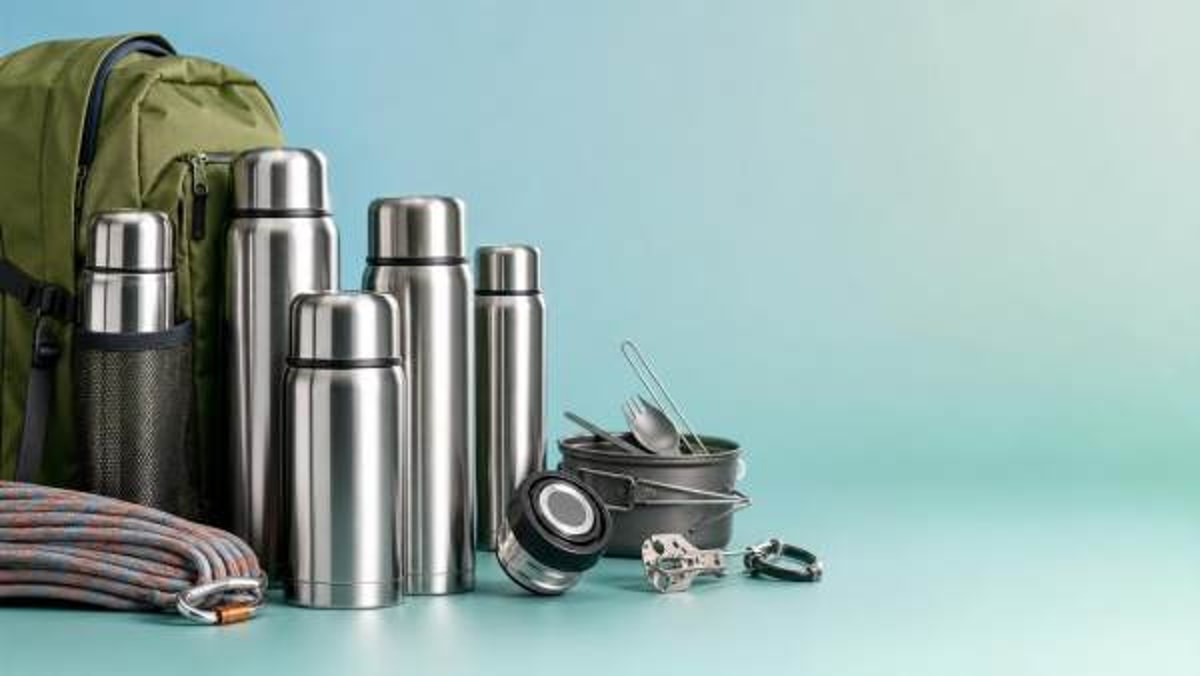
For procurement professionals in travel services, choosing wholesale stainless steel tumblers is about more than price—it requires balancing durability, insulation performance, compliance, and brand appeal. The right supplier can support outdoor and travel demand while strengthening product quality and sourcing efficiency. This guide outlines the key factors buyers should evaluate before making a wholesale decision.
Why a checklist approach works better for travel and outdoor sourcing
In travel services, drinkware is rarely a simple commodity. A tumbler may be sold in gift shops, bundled into tour packages, used in loyalty campaigns, offered by hotels, or developed as branded merchandise for outdoor excursions. That means procurement teams need a fast way to compare options across function, compliance, visual appeal, and supply reliability. A checklist approach helps buyers avoid common mistakes such as overvaluing unit price, overlooking lid performance, or missing packaging requirements for multi-country distribution.
When evaluating wholesale stainless steel tumblers, the goal is to identify the models and suppliers that can perform well in real travel environments: airport transfers, road trips, camping, hiking, guided tours, and daily commuter use. Buyers also need to ensure the product supports brand positioning, whether the focus is premium travel gifting, sustainable retail, or practical outdoor utility.
Start with these priority checks before requesting quotes
Before discussing pricing, procurement teams should confirm a few non-negotiable points. This first filter saves time and improves supplier communication.
- Define the primary use case: travel retail, hotel amenity, outdoor event, promotional gift, or resale through tourism channels.
- Set target capacity ranges such as 12 oz, 20 oz, 30 oz, or mixed-size programs based on customer profile.
- Confirm whether the tumbler must fit cup holders, backpacks, or carry-on travel routines.
- Identify compliance needs for destination markets, including food-contact standards and labeling requirements.
- Decide whether branding requires laser engraving, screen printing, powder coating, or custom color matching.
- Clarify expected order volume, replenishment frequency, and seasonal demand spikes.
This early checklist creates a cleaner RFQ process and helps eliminate unsuitable wholesale stainless steel tumblers before technical review begins.
Core product checklist for wholesale stainless steel tumblers
1. Material grade and construction quality
The most important material check is whether the tumbler uses food-grade stainless steel, commonly 18/8 or 304 stainless steel for the inner wall. This grade supports corrosion resistance, flavor neutrality, and long-term durability. For travel and outdoor applications, avoid vague specifications such as “stainless material” without documented grade details. Buyers should ask whether both inner and outer walls meet the stated material standard and whether any plastic components are BPA-free.
Also review wall thickness, weld quality, rim smoothness, and base stability. Thin or poorly finished products may lower cost but often create complaints related to dents, sharp edges, or poor perceived value.
2. Insulation performance in real travel conditions
Vacuum insulation is standard in better wholesale stainless steel tumblers, but the true question is how long drinks stay hot or cold under realistic use. Procurement teams should request test parameters rather than marketing claims alone. A statement like “keeps cold for 24 hours” is only meaningful if the starting temperature, ambient conditions, fill level, and lid type are disclosed.
For tourism-related use, cold retention is often more important than extreme hot retention, especially for warm-weather destinations, outdoor excursions, and road travel. If the tumbler is intended for hotel coffee service or premium gift packs, hot retention may matter more. Align the specification with the actual end-use pattern.
3. Lid design, leak resistance, and drinking convenience
A strong tumbler body can still fail if the lid design is weak. This is a common oversight in bulk purchasing. Buyers should check whether the lid is splash-resistant, leak-resistant, or fully leakproof, because these terms are not interchangeable. For travel services, especially on buses, flights, and outdoor transport, spill control directly affects customer satisfaction.
Important lid checks include seal quality, slider durability, straw compatibility, ease of cleaning, and replacement-part availability. If the product will be used during motion, choose a more secure closure system. If it is intended for desk use in hotels or lounges, a standard slide lid may be sufficient.
4. Size, weight, and portability
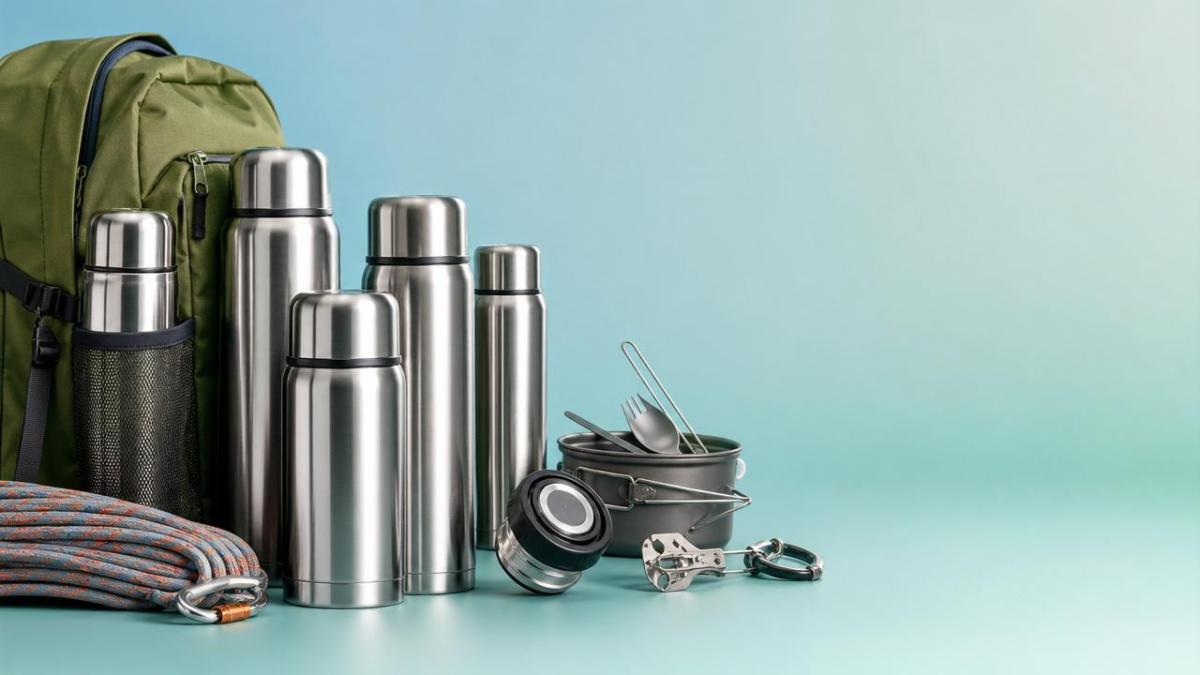
Travel buyers should not evaluate capacity alone. A large tumbler may look attractive in photos but become inconvenient in real use. Check overall height, base diameter, empty weight, and handle design. Tumblers that fit vehicle cup holders and side backpack pockets usually perform better across tourism scenarios. Lightweight models may reduce freight costs and improve guest usability, but they should not compromise insulation or dent resistance.
5. Surface finish and branding compatibility
Brand presentation matters in travel retail. Powder coating, matte textures, glossy finishes, electroplating accents, and engraved logos each create a different market impression. Buyers should test how branding performs after abrasion, dishwashing, and repeated handling. Premium travel brands often prefer understated finishes and laser logos, while family tourism or event merchandising may use brighter colors and larger graphics.
Compliance and documentation buyers should request
For procurement professionals, documentation is a decision tool, not a formality. Reliable suppliers of wholesale stainless steel tumblers should be prepared to provide evidence tied to target markets and food-contact safety expectations.
- Material declarations for stainless steel grade and plastic components.
- Food-contact test reports relevant to destination markets.
- BPA-free statements for lids, straws, and seals where applicable.
- Factory audit summaries or quality management certifications.
- Packaging compliance details, including barcodes, warning labels, and carton markings.
- Social and environmental compliance information if the brand has ESG sourcing standards.
For a platform like Global Consumer Sourcing, which supports buyers with data-backed supplier evaluation, these documents help reduce sourcing risk and speed internal approval. Procurement teams should verify that reports are current, product-specific, and issued by credible third-party laboratories where necessary.
How to compare suppliers beyond unit price
Price matters, but the lowest quote can become the highest total cost if defects, delays, or weak packaging create downstream losses. A practical supplier review should include commercial and operational factors together.
This kind of matrix is especially useful when reviewing multiple wholesale stainless steel tumblers from different OEM or ODM partners.
Scenario-based buying tips for travel services
For hotel and resort retail
Prioritize premium finish, gift-ready packaging, and color consistency. Guests buying on-site often respond to strong visual appeal and destination-themed customization. Mid-sized tumblers are usually easier to merchandise and carry.
For tour operators and event giveaways
Focus on practical durability, controlled cost, and fast replenishment. Easy-logo applications and standard lid designs may deliver better value than highly customized builds. If the tumbler is part of a welcome kit, verify packaging efficiency and carton count optimization.
For outdoor and adventure programs
Leak resistance, grip texture, dent resistance, and cold retention should rank high. Models with handles, narrower bases, or anti-slip bottoms may perform better in hiking, boating, or long-transport settings. Avoid fragile decorative finishes that can scratch quickly in rugged use.
Commonly overlooked risks when buying wholesale stainless steel tumblers
- Assuming all double-wall tumblers have equal insulation performance.
- Approving a sample without testing leakage during movement and tilt.
- Ignoring packaging quality, which can lead to transit scratches and dent claims.
- Failing to confirm spare lids or component continuity for repeat orders.
- Choosing finishes that look good online but wear poorly in tourism environments.
- Overlooking freight impact from oversized models or heavy gift packaging.
A practical execution plan for procurement teams
To move from interest to purchase efficiently, buyers should standardize the evaluation process. First, prepare a short specification sheet with capacity, target use case, desired finish, compliance market, and estimated order volume. Second, request comparable quotations from a limited set of qualified suppliers rather than collecting too many inconsistent offers. Third, ask for physical samples and test them for grip, leakage, insulation, and logo durability. Fourth, validate documents and confirm whether the supplier can support repeat orders with the same materials and color standards.
Finally, align internal stakeholders early. Marketing may care about appearance, operations may care about logistics, and compliance may care about documentation. A better sourcing result comes from balancing all three, not from selecting a tumbler on visuals or price alone.
FAQ for buyers evaluating wholesale stainless steel tumblers
What is the best stainless steel grade for travel tumblers?
For most travel and outdoor applications, food-grade 18/8 or 304 stainless steel is the preferred benchmark because it balances durability, corrosion resistance, and product safety expectations.
Should buyers prioritize leakproof lids or premium appearance?
That depends on the use case. For active travel, transport, and outdoor programs, leak resistance should come first. For hotel retail or display-focused gift sets, appearance may take a larger role, but basic spill control is still essential.
How many samples should be tested before bulk purchase?
At minimum, buyers should compare several samples across different suppliers or configurations, including at least one final pre-production sample with confirmed branding and packaging.
Final buying guidance
The best wholesale stainless steel tumblers for travel and outdoor use are the ones that fit the real customer journey: easy to carry, durable in motion, safe for food contact, visually aligned with the brand, and supported by a dependable supplier. Procurement teams should begin with a clear checklist, compare documentation and operational capability carefully, and test samples under realistic travel conditions.
If your team is moving toward supplier selection, the most useful next discussion points are product specifications, compliance scope, customization method, packaging format, lead time, replenishment capacity, and total landed cost. Clarifying these items early will make it much easier to source wholesale stainless steel tumblers that perform well in the travel market and support long-term retail success.
Related Intelligence
 Corporate & Seasonal GiftsMay 07, 2026Branded USB Flash Drives: When Classic Promo Items Still Make SenseBranded USB flash drives still make sense for travel service brands—discover how they boost partner engagement, showcase premium content, and support higher-conversion B2B campaigns.
![]() Corporate & Seasonal GiftsMay 07, 2026Reborn Baby Dolls Wholesale: Key Quality Signs to Check Before Orderingreborn baby dolls wholesale buyers: learn the key quality signs to check before ordering, from materials and realism to compliance and factory consistency.
Corporate & Seasonal GiftsMay 07, 2026Reborn Baby Dolls Wholesale: Key Quality Signs to Check Before Orderingreborn baby dolls wholesale buyers: learn the key quality signs to check before ordering, from materials and realism to compliance and factory consistency. STEM & Educational ToysMay 07, 2026Montessori Toys Wholesale: What Sells Better Than Trend-Driven Toy PicksMontessori toys wholesale offers travel retailers and distributors a smarter alternative to fad toys—safer, educational, durable, and built for steady demand, repeat orders, and long-term trust.
 Corporate & Seasonal GiftsMay 07, 2026Custom Printed Mugs Bulk: Which Sizes and Coatings Make Better Gift ItemsCustom printed mugs bulk: discover the best sizes and coatings for travel gifts, hotel branding, and souvenir retail to boost appeal, durability, and buyer confidence.
 STEM & Educational ToysMay 07, 2026Sensory Toys for Autism OEM: Features That Matter More Than Bright PackagingSensory toys for autism OEM selection for travel services should prioritize safety, compliance, durability, and calming design over flashy packaging. Discover what truly improves guest experience.
 STEM & Educational ToysMay 07, 2026Custom Board Games Printing: How to Avoid Expensive Reprint MistakesCustom board games printing guide for travel service teams: avoid costly reprints, fix supplier risks, choose the right materials, and keep projects on time and on budget.
 Corporate & Seasonal GiftsMay 07, 2026Custom Power Banks OEM: What to Review Before Approving Battery SpecsCustom power banks OEM guide for travel service buyers: review battery chemistry, real output, safety, cycle life, and compliance before approval to reduce risk and boost buyer confidence.
 STEM & Educational ToysMay 07, 2026DIY Craft Kits for Kids: Which Projects Work Best for Short Attention SpansDIY craft kits for kids that keep short attention spans engaged on trips. Discover mess-free, travel-friendly projects for flights, road trips, and hotel downtime.
 STEM & Educational ToysMay 07, 2026Magnetic Building Blocks Manufacturer: Safety Points You Should Never SkipMagnetic building blocks manufacturer safety guide: learn the must-check tests, compliance documents, and audit points to avoid recalls, protect your brand, and source with confidence.
 Corporate & Seasonal GiftsMay 07, 2026Corporate Gift Sets Wholesale: How to Match Product Mix With BudgetCorporate gift sets wholesale for travel services: learn how to match product mix with budget, control landed costs, manage compliance, and choose higher-ROI gift sets.
 Corporate & Seasonal GiftsMay 07, 2026Action Figures Manufacturer: What to Compare Before Locking in a SupplierAction figures manufacturer comparison guide for travel buyers: evaluate compliance, customization, packaging, lead times, and supplier stability before choosing a sourcing partner.
 Corporate & Seasonal GiftsMay 07, 2026Birthday Party Decorations: How to Build a Theme Without OverbuyingBirthday party decorations made simple: learn how to build a stylish theme with fewer items, smart venue-friendly choices, and budget-saving tips that still create a memorable celebration.
 Corporate & Seasonal GiftsMay 07, 2026Fidget Spinners Bulk: When Low Unit Cost Becomes a Hidden Quality RiskFidget spinners bulk may look cost-effective, but hidden quality, compliance, and return risks can hurt travel retail margins. Learn how to source smarter before you buy.