
EU REACH Adds Mandatory Notification for Nano-TiO₂ in Cosmetics Packaging
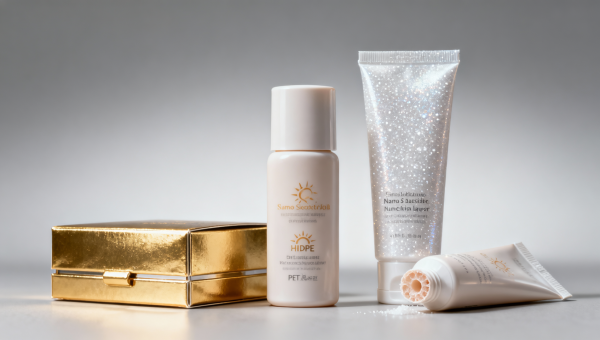
As of 8 May 2026, the European Chemicals Agency (ECHA) has formally added nano-sized titanium dioxide (TiO₂) to Annex XVII of the EU REACH Regulation (Entry 76), triggering mandatory submission of nano-form-specific toxicological dossiers by suppliers of cosmetic packaging materials. This development directly affects manufacturers and exporters in China supplying coated bottles, metallized cosmetic boxes, and barrier layers for biodegradable tubes — particularly those serving EU markets.
Event Overview
On 8 May 2026, ECHA officially listed nano-titanium dioxide (TiO₂) under Annex XVII, Entry 76 of the EU REACH Regulation. From that date, all suppliers placing on the EU market cosmetic packaging components containing nano-TiO₂ — including matte coatings on sunscreen bottles, metallized films for makeup boxes, and UV-cured adhesive or barrier layers in degradable soft tubes — must submit a complete Nano-REACH Dossier to ECHA. Non-compliant products risk detention at EU customs and prohibition from placement on the EU market.
Industries Affected by Segment
Direct Exporters of Cosmetic Packaging
Chinese companies exporting finished cosmetic packaging (e.g., coated PET bottles, aluminum-laminated folding cartons, or laminated soft tubes) are directly subject to the notification obligation. As legal “suppliers” under REACH, they bear responsibility for dossier submission — even if nano-TiO₂ is incorporated by a subcontractor or ink/coating supplier. Impact includes potential shipment delays, customs holds, and loss of market access without timely compliance.
Coating, Ink, and Adhesive Formulators
Suppliers of UV-curable coatings, printing inks, and functional adhesives used in cosmetic packaging must verify whether their formulations contain nano-TiO₂ — especially when marketed for matte finish, opacity, or UV stability enhancement. If so, they become upstream suppliers obligated to provide nano-specific toxicological data to downstream packaging producers or compile dossiers themselves where acting as sole exporter.
Contract Manufacturers & OEM Packaging Producers
Firms producing packaging under brand-owner specifications (e.g., OEM tube assemblers or bottle coaters) may be contractually required to assume REACH obligations — depending on contractual allocation of “supplier” status. Where no clear delegation exists, ECHA guidance treats the entity placing the final packaged product on the EU market as the responsible party, increasing exposure for Chinese OEMs shipping directly to EU importers.
Key Points for Enterprises and Practitioners to Monitor and Act On
Track official ECHA guidance on dossier scope and submission deadlines
The regulation entered into force on 8 May 2026, but ECHA has not yet published detailed technical instructions on dossier format, required test endpoints, or grace periods for existing stock. Enterprises should monitor ECHA’s Nano-REACH microsite and official Q&A updates for clarification — especially regarding grandfathering provisions for products already in EU distribution channels prior to 8 May 2026.
Identify high-exposure product categories and material layers
Nano-TiO₂ use is concentrated in specific functional layers: matte surface coatings (especially on HDPE or PP bottles), metallic effect films (often PET-based with TiO₂-loaded lacquers), and oxygen/moisture barrier layers in compostable laminates. Companies should audit bill-of-materials and supplier declarations for these applications — prioritizing items with direct skin contact or high surface-area-to-volume ratios.
Distinguish regulatory signal from operational requirement
This listing constitutes a binding regulatory requirement, not a proposal or consultation. However, enforcement timing and inspection protocols remain subject to national competent authorities’ implementation capacity. While non-submission carries formal legal risk, initial enforcement may focus on high-volume or high-risk entries — making early documentation and traceability systems more critical than immediate full dossier completion for lower-risk items.
Prepare upstream data collection and supplier engagement
Since Nano-REACH Dossiers require substance-specific physicochemical characterization, ecotoxicity, and mammalian toxicology data, companies should initiate requests for nano-form declarations and supporting test reports from coating, ink, and film suppliers now — particularly those lacking prior REACH registration experience. Internal alignment between R&D, procurement, QA, and export compliance teams is essential to avoid gaps in technical documentation.
Editorial Perspective / Industry Observation
Observably, this amendment signals a tightening of regulatory scrutiny on nanomaterials embedded in indirect food-contact and dermal-exposure articles — extending beyond finished cosmetics (regulated under the EU Cosmetics Regulation) to their packaging interfaces. Analysis shows it reflects ECHA’s broader shift toward lifecycle-based nano-regulation, where functional additives in multi-layer materials face increasing transparency demands. From an industry perspective, this is less a one-off compliance event and more a precedent: it establishes a template for future nano-substance listings in packaging-related REACH entries. Current monitoring should therefore extend beyond TiO₂ to anticipate similar requirements for nano-zinc oxide, nano-silica, or nano-clays in functional packaging layers.
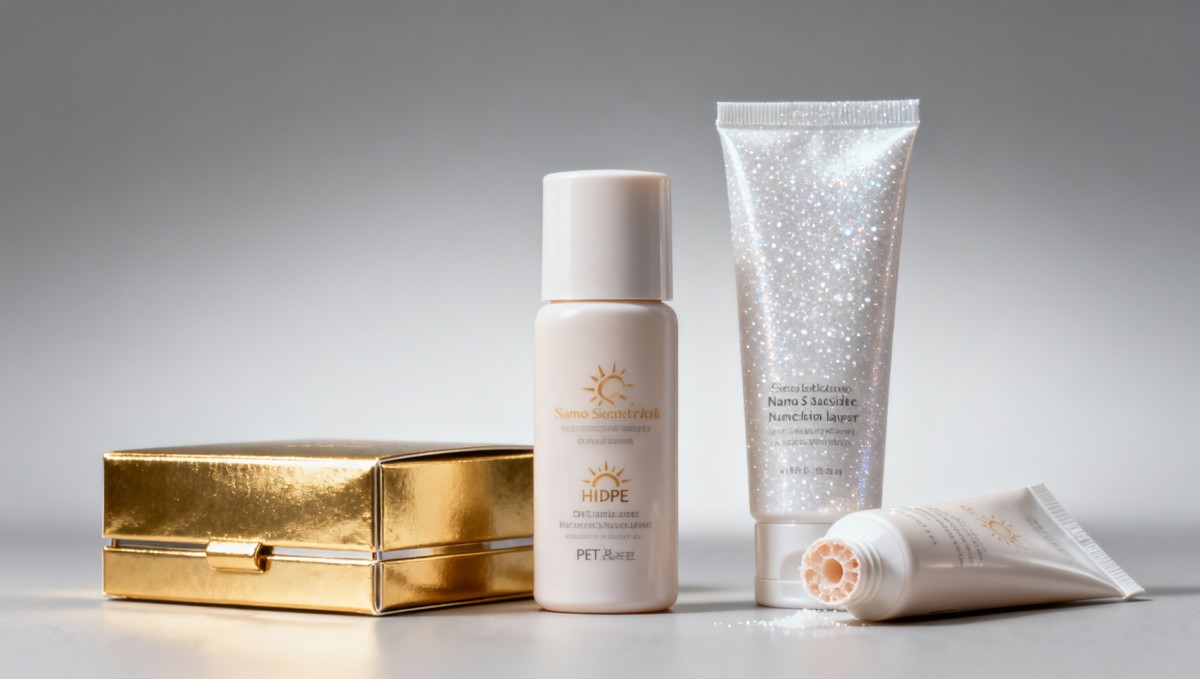
Conclusion: This REACH amendment marks a concrete escalation in regulatory expectations for nanomaterial transparency in cosmetic packaging supply chains serving the EU. It is not merely procedural — it introduces enforceable technical obligations with tangible trade consequences. Enterprises are advised to treat it as an active compliance trigger, not a distant policy signal. The most appropriate current interpretation is that this is a binding requirement in force, requiring immediate internal assessment and stakeholder coordination — while remaining attentive to forthcoming ECHA implementation clarifications.
Source Information:
— European Chemicals Agency (ECHA) – Annex XVII Entry 76 update, effective 8 May 2026
— Official ECHA press notice and legal text published on 8 May 2026 (Ref: ECHA/PR/26/05)
Note: Technical dossier requirements, testing guidelines, and national enforcement timelines remain under observation and are not yet publicly specified by ECHA.
Related Intelligence
 Skincare OEMAug 16, 2026Amazon Enforces AI Human Metadata Rule for Beauty and Personal Care SellersAmazon now enforces AI human metadata rules for beauty sellers. Learn how to protect listings, traffic, and compliance in skincare, cosmetics, and beauty devices.
 Beauty DevicesAug 15, 2026China to Roll Out Nationwide Cross-Border Cash Pooling for MultinationalsChina to roll out nationwide cross-border cash pooling for multinationals from Sept. 14. Discover how this policy could improve treasury efficiency, liquidity management, and China-linked supply chains.
 Beauty DevicesAug 14, 2026China Imposes Temporary Export Ban on Helium, Affecting Cooling Supply ChainsChina's temporary helium export ban may disrupt cooling supply chains for beauty RF devices and laser systems. Learn what ODMs, buyers, and procurement teams should check now.
![]() Cosmetics & PkgAug 13, 2026PPWR becomes mandatory: Beauty and personal care packaging materials usher in new EPR and PFAS compliance requirementsPPWR takes effect for cosmetics packaging in the EU, bringing EPR registration and PFAS limits. Learn what brands, importers, and suppliers must do now.
Cosmetics & PkgAug 13, 2026PPWR becomes mandatory: Beauty and personal care packaging materials usher in new EPR and PFAS compliance requirementsPPWR takes effect for cosmetics packaging in the EU, bringing EPR registration and PFAS limits. Learn what brands, importers, and suppliers must do now. Cosmetics & PkgAug 12, 2026EU PPWR Now Enforced for Beauty Packaging ComplianceEU PPWR now enforced for beauty packaging compliance: learn how EPR, ERN, heavy metals and PFAS rules affect EU exports, customs clearance and platform sales.
 Cosmetics & PkgAug 11, 2026EU PPWR Rules Take Effect on Aug. 12 for Beauty PackagingEU PPWR rules for beauty packaging take effect on Aug. 12, 2026. Learn key compliance steps, EPR, labeling, PFAS limits, and how to avoid customs delays and fines.
 Smart Pet DevicesAug 10, 2026EU EPR Rules to Cover Smart Pet Devices on Aug. 15EU EPR Rules will cover smart pet devices from Aug. 15, 2026. Learn how smart collars, feeders, and monitoring devices can avoid delisting, customs delays, and compliance risks in the EU.
 Infant Feeding & CareAug 09, 2026CPSC Recalls Baby Sleep Sacks Over Undeclared TDCPPCPSC Recalls Baby Sleep Sacks Over Undeclared TDCPP: learn how this 2026 recall impacts CPC documents, third-party testing, and U.S. baby product compliance for exporters.
 Infant Feeding & CareAug 08, 2026ECHA Adds 5 SVHCs, Importer Notices Due From Oct 2026ECHA adds 5 SVHCs to the Candidate List, with importer notices due from October 2026. Learn how REACH affects exporters, supply chains, and documentation readiness.
 Baby Gear & StrollersAug 07, 2026CPSC Revises Crib Rail Standard for November 2026CPSC revises crib rail standard for November 2026, adding dynamic impact tests and mandatory third-party lab testing. Learn how the new rule affects U.S. market access, compliance, and shipments.
 Electronic & RC ToysAug 06, 2026EU to Require EN IEC 62115:2025 for Electronic ToysEU to Require EN IEC 62115:2025 for Electronic Toys from Oct 1, 2026. Learn scope, battery and AI safety updates, CE compliance risks, and how exporters can avoid customs delays.
 Baby Gear & StrollersAug 05, 2026US Stroller Stability Rule Takes Effect Aug. 15US Stroller Stability Rule Takes Effect Aug. 15: learn how new U.S. stroller compliance, ASTM F833-26a, and CPSC testing rules may affect imports, certification, and shipment readiness.
 Infant Feeding & CareAug 04, 2026ECHA Adds 5 SVHCs, Triggering Baby Care Export ReviewECHA adds 5 SVHCs, prompting an urgent baby care export review for EU-bound products. Learn the 0.1% threshold risks, compliance steps, and how to avoid customs delays and fines.












