
Global Chain Intelligence to Reduce Packaging Risk in Cosmetics

In cosmetics sourcing, packaging failure can damage brand trust, delay market entry, and create expensive compliance problems across travel retail channels. Global chain intelligence helps connect supplier data, logistics signals, and regulatory updates into one decision framework.
For tourism service businesses, this matters even more. Airport stores, resort boutiques, cruise retail, and destination gift channels depend on safe, attractive, travel-ready cosmetic packaging. Small failures can quickly affect traveler experience and brand reputation.
Used well, global chain intelligence reduces packaging risk by revealing material volatility, factory consistency, transit exposure, and regional rule changes before products reach travelers. That creates more resilient sourcing and more reliable retail performance.
What does global chain intelligence mean in cosmetic packaging for tourism service channels?
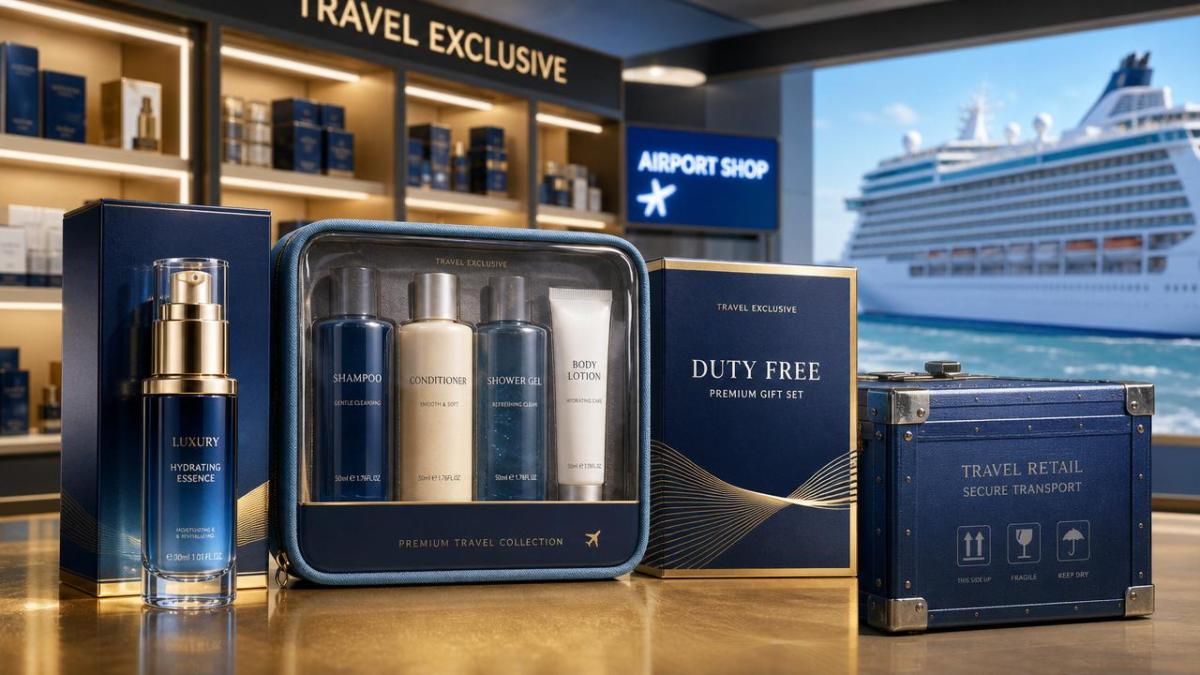
Global chain intelligence is the structured use of sourcing, compliance, logistics, and market data to guide packaging decisions. It goes beyond vendor quotes or sample approval.
In tourism service environments, cosmetic products face unusual pressure points. They move through cross-border logistics, high-touch retail shelves, climate variation, and traveler handling.
That means packaging must protect formula stability, preserve appearance, and comply with destination-specific rules. A beautiful design alone does not lower risk.
Global chain intelligence combines several signal layers:
- supplier capacity and delivery consistency
- material origin and substitution risk
- packaging component quality trends
- regional labeling and safety requirements
- port congestion, customs delay, and route performance
- sustainability claims and documentation reliability
For travel retail, these insights help determine whether a compact serum bottle, mini amenity set, or duty-free gift pack can survive the full journey.
Why is packaging risk higher in travel-related cosmetics distribution?
Tourism service channels create operating conditions that are tougher than standard domestic retail. Cosmetic packaging must tolerate movement, display stress, and traveler expectations at the same time.
First, shipment complexity is higher. Products may pass through consolidation centers, bonded warehouses, ferries, cruise terminals, or international airports before sale.
Second, unit size often changes. Travel-size cosmetics use smaller containers, tighter closures, and lighter secondary packaging, which can raise leakage and breakage risk.
Third, shelf conditions vary widely. Resort shops may face humidity. Airport retail faces heavy customer traffic. Cruise channels may experience vibration and salt exposure.
Fourth, product presentation matters more. Travelers often buy quickly, driven by gifting, convenience, or premium impulse. Damaged packaging can immediately reduce conversion.
Global chain intelligence helps identify where these risks concentrate. It shows which suppliers perform better under volatile routes, seasonal peaks, and strict cross-border documentation checks.
Common packaging failures seen in tourism service settings
- cap loosening during flight-pressure changes
- label peeling in humid resort climates
- carton crushing in mixed-load transport
- pump defects in repeated temperature swings
- mismatched language or disposal markings at destination
How can global chain intelligence improve supplier and material selection?
Many packaging issues begin long before shipping. They start with incomplete supplier evaluation, weak component traceability, or poor understanding of material performance.
Global chain intelligence supports better selection by comparing hard data, not just sample appearance. A glossy sample may hide unstable lead times or inconsistent resin sourcing.
Useful evaluation points include production uptime, historical defect rates, audit records, and the supplier’s ability to meet destination-specific documentation needs.
For tourism service products, material choice should reflect route realities. Lightweight plastics reduce freight cost, but some grades may deform in heat or crack in cold transit.
Glass may elevate premium perception in luxury travel retail, yet breakage risk and weight can offset that benefit on long or multi-stop routes.
Global chain intelligence helps compare those trade-offs through field data, claims verification, and route-specific damage patterns.
Key selection checks before approval
- Confirm material origin and substitution controls.
- Review closure, seal, and pump compatibility with formula.
- Test packaging against route-specific vibration and temperature conditions.
- Check labeling compliance for each travel destination.
- Compare recovery plans for production or shipping disruption.
What is the difference between traditional sourcing review and global chain intelligence?
Traditional sourcing review often focuses on price, sample quality, and stated lead time. That approach can work in stable markets with simple delivery conditions.
Travel-linked cosmetics rarely operate in such simple conditions. Demand peaks around holidays, routes shift, and regulations change by region.
Global chain intelligence adds dynamic monitoring. It treats packaging as part of a living network rather than a one-time purchase item.
This difference matters when packaging decisions must protect both product integrity and traveler-facing retail performance.
Which warning signs suggest packaging risk is rising?
Risk rarely appears without signals. Global chain intelligence works best when teams watch for early shifts instead of waiting for visible product damage.
One warning sign is frequent raw material substitution. If a supplier changes resin, adhesive, or coating sources too often, performance consistency may fall.
Another sign is route instability. Delays at key ports, customs backlogs, or mode switching can expose cosmetics to heat, compression, and handling stress.
Documentation gaps also matter. Missing test reports, vague recycled-content claims, or incomplete destination labeling data can lead to shipment holds.
In tourism service retail, visual inconsistency is another red flag. If carton color, embossing quality, or seal finish shifts across batches, shelf trust can weaken.
Quick warning checklist
- lead times suddenly shorten without explanation
- test data is outdated or market-specific files are missing
- secondary suppliers are undisclosed
- damage rates rise in humid or high-motion routes
- sustainability claims exceed available certification evidence
How should businesses apply global chain intelligence in a practical workflow?
A useful approach starts before design lock. Packaging should be reviewed with route, climate, compliance, and display conditions in mind.
Map the full tourism service journey first. Include airport retail, hotel amenity use, resort point-of-sale, cruise cabin delivery, or destination gift packaging needs.
Then connect global chain intelligence inputs to each stage. This keeps packaging evaluation tied to real-world movement and traveler experience.
When these steps are aligned, global chain intelligence becomes a repeatable operating tool rather than a one-time research exercise.
What mistakes should be avoided when using global chain intelligence?
A common mistake is using global chain intelligence only after a disruption. The real value comes from prevention, comparison, and continuous adjustment.
Another mistake is focusing only on factory-level data. Packaging risk also depends on route design, local storage quality, and traveler-facing use conditions.
Some businesses also over-trust sustainability claims. Recycled, refillable, or lightweight formats still need proof of durability and market compliance.
In tourism service settings, speed can hide risk. Fast launches for peak seasons may skip route testing or labeling review, leading to costly corrections later.
The best practice is simple: link every packaging choice to verified data, destination rules, transport stress, and the traveler purchase moment.
Conclusion: how to take the next step with global chain intelligence
Cosmetic packaging risk is no longer just a technical issue. In tourism service markets, it directly shapes traveler satisfaction, shelf confidence, launch timing, and cross-border reliability.
Global chain intelligence provides a smarter way to evaluate packaging decisions. It connects sourcing reality, logistics performance, compliance readiness, and retail presentation into one clearer view.
Start with a focused packaging risk review. Compare current suppliers, route stress points, destination regulations, and damage patterns across travel retail formats.
Then use global chain intelligence to prioritize upgrades with the highest return. That may include stronger component validation, better route testing, or more reliable regional documentation.
In a market where trust travels with every package, better intelligence leads to better packaging outcomes.
Related Intelligence
 Skincare OEMAug 16, 2026Amazon Enforces AI Human Metadata Rule for Beauty and Personal Care SellersAmazon now enforces AI human metadata rules for beauty sellers. Learn how to protect listings, traffic, and compliance in skincare, cosmetics, and beauty devices.
 Beauty DevicesAug 15, 2026China to Roll Out Nationwide Cross-Border Cash Pooling for MultinationalsChina to roll out nationwide cross-border cash pooling for multinationals from Sept. 14. Discover how this policy could improve treasury efficiency, liquidity management, and China-linked supply chains.
 Beauty DevicesAug 14, 2026China Imposes Temporary Export Ban on Helium, Affecting Cooling Supply ChainsChina's temporary helium export ban may disrupt cooling supply chains for beauty RF devices and laser systems. Learn what ODMs, buyers, and procurement teams should check now.
![]() Cosmetics & PkgAug 13, 2026PPWR becomes mandatory: Beauty and personal care packaging materials usher in new EPR and PFAS compliance requirementsPPWR takes effect for cosmetics packaging in the EU, bringing EPR registration and PFAS limits. Learn what brands, importers, and suppliers must do now.
Cosmetics & PkgAug 13, 2026PPWR becomes mandatory: Beauty and personal care packaging materials usher in new EPR and PFAS compliance requirementsPPWR takes effect for cosmetics packaging in the EU, bringing EPR registration and PFAS limits. Learn what brands, importers, and suppliers must do now. Cosmetics & PkgAug 12, 2026EU PPWR Now Enforced for Beauty Packaging ComplianceEU PPWR now enforced for beauty packaging compliance: learn how EPR, ERN, heavy metals and PFAS rules affect EU exports, customs clearance and platform sales.
 Cosmetics & PkgAug 11, 2026EU PPWR Rules Take Effect on Aug. 12 for Beauty PackagingEU PPWR rules for beauty packaging take effect on Aug. 12, 2026. Learn key compliance steps, EPR, labeling, PFAS limits, and how to avoid customs delays and fines.
 Smart Pet DevicesAug 10, 2026EU EPR Rules to Cover Smart Pet Devices on Aug. 15EU EPR Rules will cover smart pet devices from Aug. 15, 2026. Learn how smart collars, feeders, and monitoring devices can avoid delisting, customs delays, and compliance risks in the EU.
 Infant Feeding & CareAug 09, 2026CPSC Recalls Baby Sleep Sacks Over Undeclared TDCPPCPSC Recalls Baby Sleep Sacks Over Undeclared TDCPP: learn how this 2026 recall impacts CPC documents, third-party testing, and U.S. baby product compliance for exporters.
 Infant Feeding & CareAug 08, 2026ECHA Adds 5 SVHCs, Importer Notices Due From Oct 2026ECHA adds 5 SVHCs to the Candidate List, with importer notices due from October 2026. Learn how REACH affects exporters, supply chains, and documentation readiness.
 Baby Gear & StrollersAug 07, 2026CPSC Revises Crib Rail Standard for November 2026CPSC revises crib rail standard for November 2026, adding dynamic impact tests and mandatory third-party lab testing. Learn how the new rule affects U.S. market access, compliance, and shipments.
 Electronic & RC ToysAug 06, 2026EU to Require EN IEC 62115:2025 for Electronic ToysEU to Require EN IEC 62115:2025 for Electronic Toys from Oct 1, 2026. Learn scope, battery and AI safety updates, CE compliance risks, and how exporters can avoid customs delays.
 Baby Gear & StrollersAug 05, 2026US Stroller Stability Rule Takes Effect Aug. 15US Stroller Stability Rule Takes Effect Aug. 15: learn how new U.S. stroller compliance, ASTM F833-26a, and CPSC testing rules may affect imports, certification, and shipment readiness.
 Infant Feeding & CareAug 04, 2026ECHA Adds 5 SVHCs, Triggering Baby Care Export ReviewECHA adds 5 SVHCs, prompting an urgent baby care export review for EU-bound products. Learn the 0.1% threshold risks, compliance steps, and how to avoid customs delays and fines.












