
Pet Supplies Manufacturing Checklist for Safer Travel Gear
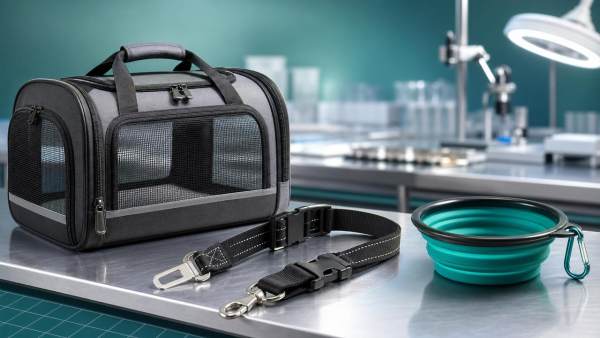
For quality control and safety teams, pet supplies manufacturing for travel gear demands more than durable design—it requires strict testing, compliant materials, and traceable production. This checklist highlights the critical checkpoints that reduce risk, improve consistency, and support safer travel experiences for pets and owners.
In travel services, product reliability directly shapes customer trust. A failed carrier zipper, weak leash clip, or toxic lining can disrupt journeys, trigger complaints, and create safety exposure across airlines, hotels, tours, and cross-border transport.
That is why pet supplies manufacturing must be evaluated by scenario. Road trips, cabin flights, rail travel, and outdoor excursions each create different stress points, compliance needs, and cleaning expectations.
Why travel scenarios change the pet supplies manufacturing checklist
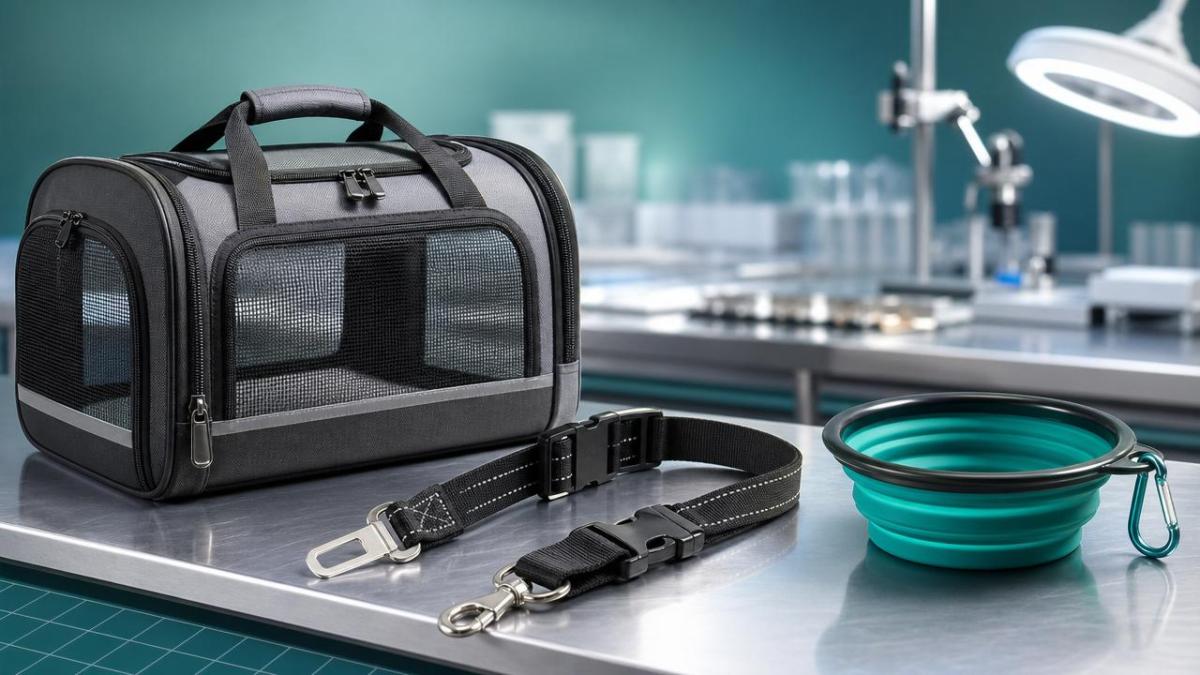
Travel gear is not used in a controlled home environment. It faces vibration, sudden pulling force, temperature swings, crowding, moisture, and repeated packing cycles.
For that reason, pet supplies manufacturing should start with the end-use setting. A soft carrier for airline cabins needs different testing priorities than a car seat protector or collapsible travel bowl.
Scenario-based review helps identify hidden risks early. It also improves sourcing decisions, supports compliance documentation, and lowers return rates caused by performance mismatch.
Core checkpoints that apply across most travel gear
- Material safety for direct and indirect pet contact
- Load-bearing consistency for straps, handles, and seams
- Closure reliability for zippers, buckles, snaps, and locks
- Ventilation performance and breathable panel durability
- Cleaning resistance after repeated washing or wiping
- Traceability from raw material lot to final packed unit
- Label accuracy for weight limit, use instructions, and warnings
Scenario 1: Air travel gear needs compliance-first pet supplies manufacturing
Air travel creates the tightest tolerance for dimension, ventilation, and containment. Soft-sided carriers must fit under seats while keeping pets secure during boarding, waiting, and in-cabin movement.
In pet supplies manufacturing, this means exact dimensional control, reinforced mesh, and closure systems that resist accidental opening under stress. Material odor also matters in enclosed cabin spaces.
Key judgment points for cabin carriers
- Dimensional tolerance after packing and compression
- Mesh tear strength and claw resistance
- Zipper endurance after repeated opening cycles
- Internal tether attachment strength
- Low-VOC fabrics, foam, coatings, and adhesives
- Clear care labels and travel-use instructions
When travel services involve international movement, documentation becomes essential. Test reports, material declarations, and factory records support smoother product review and stronger trust signals in global sourcing channels.
Scenario 2: Road trip products require impact and motion-focused pet supplies manufacturing
Road travel adds vibration, sudden braking, and longer wear cycles. Car boosters, seat covers, harnesses, and barrier systems face repeated friction and force concentration at anchor points.
For pet supplies manufacturing, static strength is not enough. Dynamic movement testing, hardware fatigue review, and anti-slip performance are more relevant in vehicle-based travel use.
Checklist for vehicle travel products
- Test buckle and clip retention under shock loading.
- Verify seam reinforcement at stress concentration zones.
- Check coating migration under heat exposure in parked cars.
- Review anti-slip backing durability after abrasion and cleaning.
- Confirm odor stability after high-temperature storage simulation.
- Assess ease of installation to reduce misuse risk.
Road trip gear often fails through misuse rather than material breakage alone. Clear instructions, intuitive attachment points, and visible weight guidance should be built into pet supplies manufacturing from the first sample stage.
Scenario 3: Outdoor and adventure travel demands weather-ready pet supplies manufacturing
Adventure travel includes hiking, camping, beach trips, and trail transport. Products such as portable beds, travel bowls, backpack carriers, and leashes face moisture, dirt, UV exposure, and rough handling.
Here, pet supplies manufacturing should prioritize weather resistance, easy cleaning, and hardware corrosion control. Lightweight construction matters, but not at the expense of structural safety.
Critical outdoor checks
- UV stability for fabrics, webbing, and printed markings
- Water resistance without harmful surface chemistry
- Rust resistance for rings, clips, and rivets
- Fast drying performance to reduce odor build-up
- Puncture and abrasion resistance on ground-contact panels
- Packability without seam distortion or frame damage
Outdoor travel products also benefit from lifecycle review. Repeated folding, stuffing, and washing can reveal failures that standard one-time inspection misses.
How scenario differences affect pet supplies manufacturing decisions
The same product category can require different specifications depending on travel use. A general checklist becomes more effective when linked to actual operating conditions.
Practical adaptation advice for safer pet supplies manufacturing
A strong checklist should move from material selection to final packaging review. Travel-service applications benefit when every step is connected to an expected use case.
Recommended actions before mass production
- Map each SKU to a defined travel scenario and pet size range.
- Approve raw materials only after chemical and physical screening.
- Use pilot runs to compare sample performance against real travel conditions.
- Freeze specifications for hardware, stitch density, and padding thickness.
- Set AQL standards for seams, closures, printing, and label placement.
- Keep lot-level traceability for faster corrective action.
Recommended actions during production and shipment
- Inspect high-risk operations such as bar tacking and zipper installation.
- Run in-line pull tests instead of relying only on final inspection.
- Monitor odor, contamination, and mixed-material substitution risks.
- Protect packed goods from compression damage during export transport.
Common mistakes that weaken pet supplies manufacturing for travel gear
One common error is testing only for general durability. Travel gear needs scenario-relevant verification, not just broad claims about strength or quality.
Another issue is treating all fabrics as equal. Coatings, adhesives, foam inserts, and mesh components can create very different safety outcomes under heat, moisture, or extended confinement.
Labeling is also often underestimated. In pet supplies manufacturing, unclear weight limits or missing setup instructions increase misuse risk, especially in unfamiliar travel environments.
Finally, incomplete documentation can block market access. Travel-related retail and sourcing channels increasingly expect evidence of testing, consistency control, and compliant manufacturing practices.
Next steps for a more reliable pet supplies manufacturing program
Start by separating travel products into air, road, and outdoor use groups. Then align materials, performance tests, and inspection plans with the real conditions each product will face.
Build a checklist that covers chemical safety, structural integrity, user clarity, and traceability. Review failures by scenario, not only by product category, to improve future sourcing decisions.
For travel services aiming to reduce risk and improve customer confidence, better pet supplies manufacturing is a practical advantage. Safer gear supports smoother journeys, fewer disruptions, and stronger long-term product credibility.
Related Intelligence
 Skincare OEMAug 16, 2026Amazon Enforces AI Human Metadata Rule for Beauty and Personal Care SellersAmazon now enforces AI human metadata rules for beauty sellers. Learn how to protect listings, traffic, and compliance in skincare, cosmetics, and beauty devices.
 Beauty DevicesAug 15, 2026China to Roll Out Nationwide Cross-Border Cash Pooling for MultinationalsChina to roll out nationwide cross-border cash pooling for multinationals from Sept. 14. Discover how this policy could improve treasury efficiency, liquidity management, and China-linked supply chains.
 Beauty DevicesAug 14, 2026China Imposes Temporary Export Ban on Helium, Affecting Cooling Supply ChainsChina's temporary helium export ban may disrupt cooling supply chains for beauty RF devices and laser systems. Learn what ODMs, buyers, and procurement teams should check now.
![]() Cosmetics & PkgAug 13, 2026PPWR becomes mandatory: Beauty and personal care packaging materials usher in new EPR and PFAS compliance requirementsPPWR takes effect for cosmetics packaging in the EU, bringing EPR registration and PFAS limits. Learn what brands, importers, and suppliers must do now.
Cosmetics & PkgAug 13, 2026PPWR becomes mandatory: Beauty and personal care packaging materials usher in new EPR and PFAS compliance requirementsPPWR takes effect for cosmetics packaging in the EU, bringing EPR registration and PFAS limits. Learn what brands, importers, and suppliers must do now. Cosmetics & PkgAug 12, 2026EU PPWR Now Enforced for Beauty Packaging ComplianceEU PPWR now enforced for beauty packaging compliance: learn how EPR, ERN, heavy metals and PFAS rules affect EU exports, customs clearance and platform sales.
 Cosmetics & PkgAug 11, 2026EU PPWR Rules Take Effect on Aug. 12 for Beauty PackagingEU PPWR rules for beauty packaging take effect on Aug. 12, 2026. Learn key compliance steps, EPR, labeling, PFAS limits, and how to avoid customs delays and fines.
 Smart Pet DevicesAug 10, 2026EU EPR Rules to Cover Smart Pet Devices on Aug. 15EU EPR Rules will cover smart pet devices from Aug. 15, 2026. Learn how smart collars, feeders, and monitoring devices can avoid delisting, customs delays, and compliance risks in the EU.
 Infant Feeding & CareAug 09, 2026CPSC Recalls Baby Sleep Sacks Over Undeclared TDCPPCPSC Recalls Baby Sleep Sacks Over Undeclared TDCPP: learn how this 2026 recall impacts CPC documents, third-party testing, and U.S. baby product compliance for exporters.
 Infant Feeding & CareAug 08, 2026ECHA Adds 5 SVHCs, Importer Notices Due From Oct 2026ECHA adds 5 SVHCs to the Candidate List, with importer notices due from October 2026. Learn how REACH affects exporters, supply chains, and documentation readiness.
 Baby Gear & StrollersAug 07, 2026CPSC Revises Crib Rail Standard for November 2026CPSC revises crib rail standard for November 2026, adding dynamic impact tests and mandatory third-party lab testing. Learn how the new rule affects U.S. market access, compliance, and shipments.
 Electronic & RC ToysAug 06, 2026EU to Require EN IEC 62115:2025 for Electronic ToysEU to Require EN IEC 62115:2025 for Electronic Toys from Oct 1, 2026. Learn scope, battery and AI safety updates, CE compliance risks, and how exporters can avoid customs delays.
 Baby Gear & StrollersAug 05, 2026US Stroller Stability Rule Takes Effect Aug. 15US Stroller Stability Rule Takes Effect Aug. 15: learn how new U.S. stroller compliance, ASTM F833-26a, and CPSC testing rules may affect imports, certification, and shipment readiness.
 Infant Feeding & CareAug 04, 2026ECHA Adds 5 SVHCs, Triggering Baby Care Export ReviewECHA adds 5 SVHCs, prompting an urgent baby care export review for EU-bound products. Learn the 0.1% threshold risks, compliance steps, and how to avoid customs delays and fines.












