
Japan's New Cosmetic Labeling Rules: INCI Names and Bilingual Requirements to Impact Chinese Packaging Suppliers from May 2026
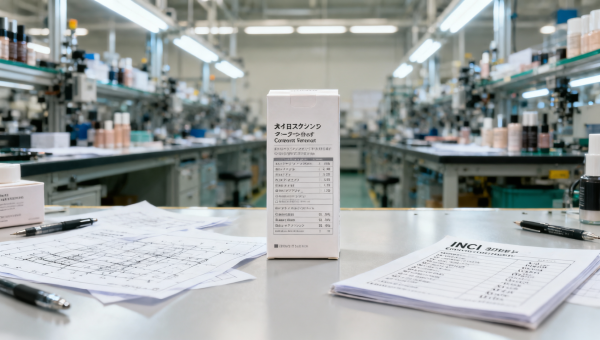
Japan's New Cosmetic Labeling Rules: INCI Names and Bilingual Requirements to Impact Chinese Packaging Suppliers from May 2026
Introduction
Japan's Ministry of Health, Labour and Welfare (MHLW) updated its Cosmetic Labeling Guidelines on March 27, mandating that all imported cosmetics must display full ingredient lists using INCI (International Nomenclature of Cosmetic Ingredients) names in Japanese plus either Chinese or English from May 18, 2026. This regulatory shift will directly affect Chinese packaging manufacturers and cosmetics exporters, requiring material redesigns and extended compliance timelines. Industry stakeholders should prepare for supply chain disruptions, particularly for 2026 summer product launches.
Event Overview
The confirmed facts as of March 27 include:
- Effective Date: May 18, 2026
- Scope: All cosmetics imported into Japan
- New Requirements:
- Full ingredient disclosure using INCI nomenclature
- Bilingual labeling (Japanese + Chinese/English)
- Current Impact: Chinese packaging suppliers report 3–4 week delays for redesign and regulatory re-filing
Affected Industry Segments
1. Cosmetic Packaging Manufacturers
Primary impact falls on Chinese packaging producers serving Japanese brands. Analysis shows:
- Design Overhaul: Existing templates require INCI name integration and bilingual layout adjustments
- Compliance Timeline: Current 3–4 week delay for re-filing may compress production windows
- Order Risks: Suppliers missing May 2026 deadlines risk exclusion from summer product cycles
2. Export-Oriented Cosmetic Brands
Brands relying on Chinese manufacturing for Japan-bound products face:
- Lead Time Extension: Packaging changes necessitate earlier product development cycles
- Regulatory Coordination: Requires closer collaboration with packaging partners on INCI verification
3. Regulatory Compliance Services
Service providers assisting with Japanese market entry will see:
- Increased Demand: For INCI name verification and bilingual label review services
- Documentation Complexity: Dual-language submissions may require additional validation steps
Key Action Points for Businesses
1. Prioritize Packaging Revalidation
From an operational standpoint:
- Initiate packaging redesigns by Q3 2025 to accommodate 3–4 week re-filing periods
- Verify INCI name accuracy with raw material suppliers proactively
2. Reassess 2026 Product Timelines
For product managers:
- Build 8–10 week buffer for Japan-bound summer 2026 launches
- Consider pre-approving packaging designs for multiple SKUs to mitigate bottlenecks
3. Monitor Regulatory Nuances
Current observations suggest:
- Potential variations in enforcement for different product categories (e.g., skincare vs. color cosmetics)
- Possible adjustments to bilingual requirements based on ongoing industry feedback
Industry Perspective
This development appears more consequential than typical labeling updates for three reasons:
- Supply Chain Ripple Effects: The 3–4 week delay estimate suggests material operational impacts beyond simple design tweaks
- Market Access Implications: Non-compliant suppliers may face exclusion from time-sensitive seasonal orders
- Standardization Trend: INCI+bilingual mandates could influence other Asian markets' regulations
However, it's premature to predict full compliance costs until Japanese authorities release implementation details.
Conclusion
The MHLW update represents a tangible operational challenge rather than mere administrative change. While the 2026 deadline allows for adaptation, the compounding effects of packaging redesigns, extended lead times, and summer product cycles create immediate planning imperatives. Industry participants should treat this as a trigger for supply chain reviews rather than waiting for further clarification.
Source Information
- Primary Source: Japan Ministry of Health, Labour and Welfare - Cosmetic Labeling Guidelines (March 27 update)
- Pending Clarifications: Enforcement mechanisms for transitional inventory
Related Intelligence
 Skincare OEMAug 16, 2026Amazon Enforces AI Human Metadata Rule for Beauty and Personal Care SellersAmazon now enforces AI human metadata rules for beauty sellers. Learn how to protect listings, traffic, and compliance in skincare, cosmetics, and beauty devices.
 Beauty DevicesAug 15, 2026China to Roll Out Nationwide Cross-Border Cash Pooling for MultinationalsChina to roll out nationwide cross-border cash pooling for multinationals from Sept. 14. Discover how this policy could improve treasury efficiency, liquidity management, and China-linked supply chains.
 Beauty DevicesAug 14, 2026China Imposes Temporary Export Ban on Helium, Affecting Cooling Supply ChainsChina's temporary helium export ban may disrupt cooling supply chains for beauty RF devices and laser systems. Learn what ODMs, buyers, and procurement teams should check now.
![]() Cosmetics & PkgAug 13, 2026PPWR becomes mandatory: Beauty and personal care packaging materials usher in new EPR and PFAS compliance requirementsPPWR takes effect for cosmetics packaging in the EU, bringing EPR registration and PFAS limits. Learn what brands, importers, and suppliers must do now.
Cosmetics & PkgAug 13, 2026PPWR becomes mandatory: Beauty and personal care packaging materials usher in new EPR and PFAS compliance requirementsPPWR takes effect for cosmetics packaging in the EU, bringing EPR registration and PFAS limits. Learn what brands, importers, and suppliers must do now. Cosmetics & PkgAug 12, 2026EU PPWR Now Enforced for Beauty Packaging ComplianceEU PPWR now enforced for beauty packaging compliance: learn how EPR, ERN, heavy metals and PFAS rules affect EU exports, customs clearance and platform sales.
 Cosmetics & PkgAug 11, 2026EU PPWR Rules Take Effect on Aug. 12 for Beauty PackagingEU PPWR rules for beauty packaging take effect on Aug. 12, 2026. Learn key compliance steps, EPR, labeling, PFAS limits, and how to avoid customs delays and fines.
 Smart Pet DevicesAug 10, 2026EU EPR Rules to Cover Smart Pet Devices on Aug. 15EU EPR Rules will cover smart pet devices from Aug. 15, 2026. Learn how smart collars, feeders, and monitoring devices can avoid delisting, customs delays, and compliance risks in the EU.
 Infant Feeding & CareAug 09, 2026CPSC Recalls Baby Sleep Sacks Over Undeclared TDCPPCPSC Recalls Baby Sleep Sacks Over Undeclared TDCPP: learn how this 2026 recall impacts CPC documents, third-party testing, and U.S. baby product compliance for exporters.
 Infant Feeding & CareAug 08, 2026ECHA Adds 5 SVHCs, Importer Notices Due From Oct 2026ECHA adds 5 SVHCs to the Candidate List, with importer notices due from October 2026. Learn how REACH affects exporters, supply chains, and documentation readiness.
 Baby Gear & StrollersAug 07, 2026CPSC Revises Crib Rail Standard for November 2026CPSC revises crib rail standard for November 2026, adding dynamic impact tests and mandatory third-party lab testing. Learn how the new rule affects U.S. market access, compliance, and shipments.
 Electronic & RC ToysAug 06, 2026EU to Require EN IEC 62115:2025 for Electronic ToysEU to Require EN IEC 62115:2025 for Electronic Toys from Oct 1, 2026. Learn scope, battery and AI safety updates, CE compliance risks, and how exporters can avoid customs delays.
 Baby Gear & StrollersAug 05, 2026US Stroller Stability Rule Takes Effect Aug. 15US Stroller Stability Rule Takes Effect Aug. 15: learn how new U.S. stroller compliance, ASTM F833-26a, and CPSC testing rules may affect imports, certification, and shipment readiness.
 Infant Feeding & CareAug 04, 2026ECHA Adds 5 SVHCs, Triggering Baby Care Export ReviewECHA adds 5 SVHCs, prompting an urgent baby care export review for EU-bound products. Learn the 0.1% threshold risks, compliance steps, and how to avoid customs delays and fines.












