
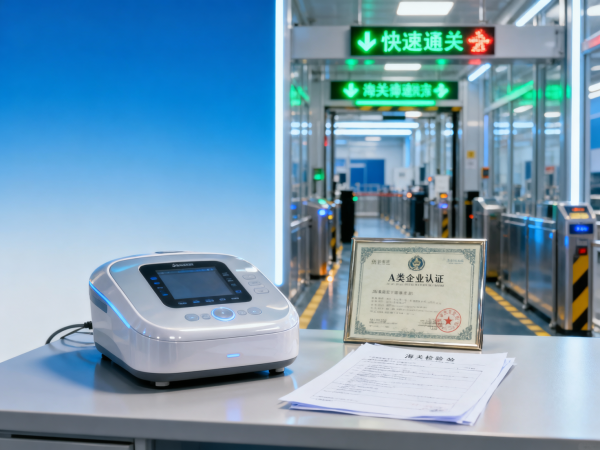
China Customs Implements Tiered Export Inspections for Beauty Devices: A-Class Firms See 3% Check Rate, B-Class at 15%
China Customs Implements Tiered Export Inspections for Beauty Devices: A-Class Firms See 3% Check Rate, B-Class at 15%
Introduction
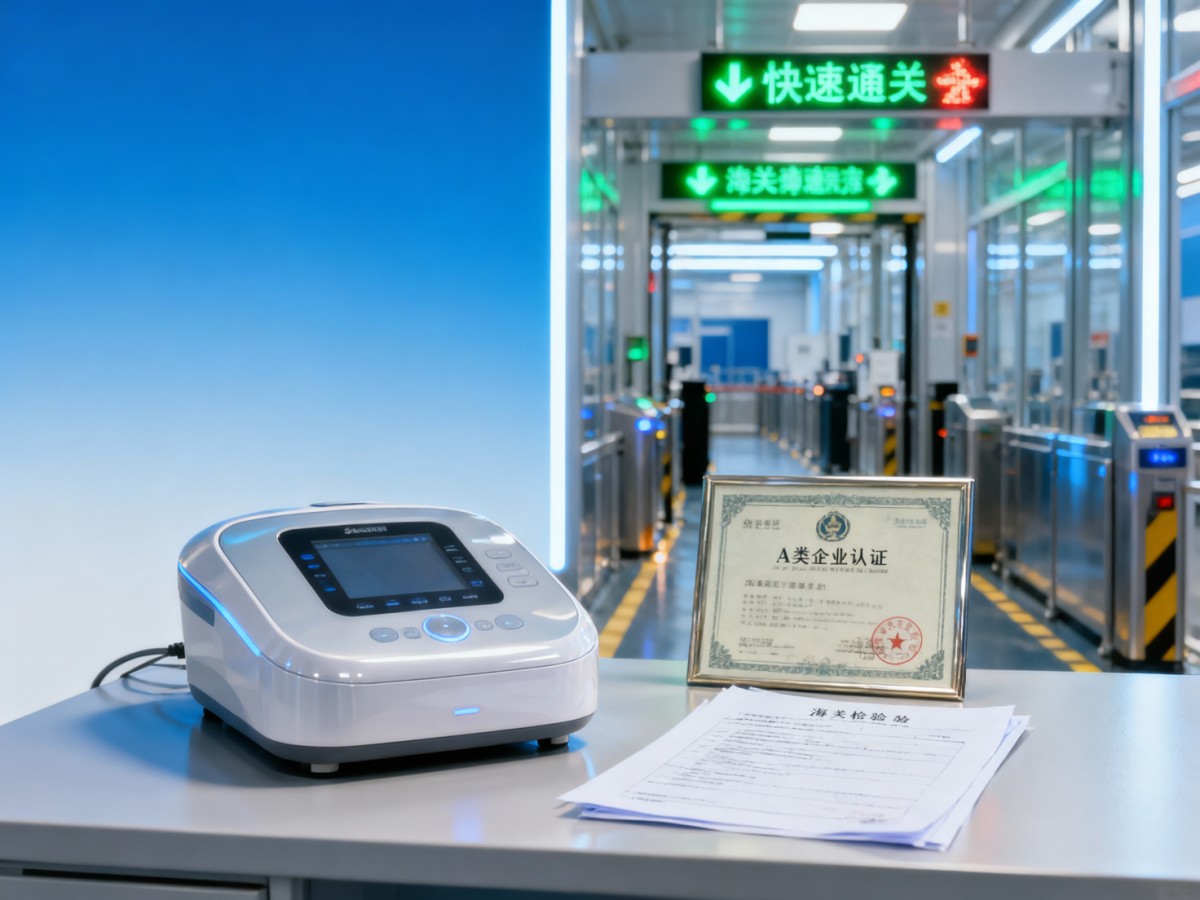
On April 1, 2026, China Customs announced a new tiered inspection policy for beauty device exports under HS code 8543.70. A-Class enterprises (with strong credit and complete certifications) will see inspection rates drop from 10% to 3%, while B-Class firms face an increase to 15%. This change will significantly impact average customs clearance times (5 days for A-Class vs. 12 days for B-Class), affecting Q2 replenishment cycles and inventory strategies for global buyers. The policy directly concerns beauty device manufacturers, export traders, and procurement teams in North America and Europe.
Event Overview
The General Administration of Customs of China (GACC) issued the notice on March 28, 2026, effective April 1. The policy applies to all beauty apparatus exports classified under HS 8543.70. Key confirmed details:
- Inspection rates: A-Class (3%, down from 10%), B-Class (15%, increased from previous undisclosed baseline)
- Documentation requirements remain unchanged for both categories
- No immediate changes to other export procedures
Industries Affected
1. Beauty Device OEMs/ODMs
Manufacturers without A-Class certification will face:
- Longer lead times due to increased customs inspections (12-day average clearance)
- Potential order delays for time-sensitive promotions
2. Global Beauty Brands
Procurement teams must:
- Re-evaluate supplier qualifications (A/B-Class status now impacts delivery reliability)
- Adjust inventory buffers for B-Class sourced products
3. Logistics Providers
Forwarders should:
- Update transit time estimates based on client classifications
- Allocate additional inspection-handling resources for B-Class shipments
Key Action Items
1. Verify Supplier Classifications Immediately
Request official A-Class certification documents from Chinese partners. Cross-check with customs records where possible.
2. Adjust Procurement Timelines
Build in +7 days buffer for orders from B-Class suppliers, especially for Q2 seasonal demand.
3. Audit Compliance Documentation
Ensure all technical files, CE/FDA certifications, and labeling meet GACC standards to avoid secondary inspections.
Industry Observations
From an industry perspective, this move appears to accelerate China's shift toward quality-focused export governance for beauty tech. Three notable implications:
- Consolidation Signal: The widened gap in inspection rates (3% vs 15%) may drive smaller manufacturers toward mergers with A-Class holders
- Certification Premium: Compliance documentation now directly correlates with supply chain velocity
- Phase-In Approach: The single-HS-code focus suggests potential expansion to adjacent categories (e.g., 9019.20 skincare devices)
Conclusion
This policy represents a measurable change in China's export quality control mechanisms for beauty devices. While not a blanket restriction, the inspection rate divergence creates tangible operational impacts. Importers should treat this as an early-phase regulatory shift requiring supplier reevaluation rather than a supply chain crisis. The most pragmatic approach combines verification of existing partners' classifications with contingency planning for extended B-Class lead times.
Sources
- General Administration of Customs of China (GACC) Notice No. [Redacted], March 28, 2026
- HS Code 8543.70 classification guidelines (2026 Edition)
- Note: Customs implementation details may evolve through Q2 2026; monitor GACC updates for inspection rate adjustments.
Related Intelligence
 Skincare OEMAug 16, 2026Amazon Enforces AI Human Metadata Rule for Beauty and Personal Care SellersAmazon now enforces AI human metadata rules for beauty sellers. Learn how to protect listings, traffic, and compliance in skincare, cosmetics, and beauty devices.
 Beauty DevicesAug 15, 2026China to Roll Out Nationwide Cross-Border Cash Pooling for MultinationalsChina to roll out nationwide cross-border cash pooling for multinationals from Sept. 14. Discover how this policy could improve treasury efficiency, liquidity management, and China-linked supply chains.
 Beauty DevicesAug 14, 2026China Imposes Temporary Export Ban on Helium, Affecting Cooling Supply ChainsChina's temporary helium export ban may disrupt cooling supply chains for beauty RF devices and laser systems. Learn what ODMs, buyers, and procurement teams should check now.
![]() Cosmetics & PkgAug 13, 2026PPWR becomes mandatory: Beauty and personal care packaging materials usher in new EPR and PFAS compliance requirementsPPWR takes effect for cosmetics packaging in the EU, bringing EPR registration and PFAS limits. Learn what brands, importers, and suppliers must do now.
Cosmetics & PkgAug 13, 2026PPWR becomes mandatory: Beauty and personal care packaging materials usher in new EPR and PFAS compliance requirementsPPWR takes effect for cosmetics packaging in the EU, bringing EPR registration and PFAS limits. Learn what brands, importers, and suppliers must do now. Cosmetics & PkgAug 12, 2026EU PPWR Now Enforced for Beauty Packaging ComplianceEU PPWR now enforced for beauty packaging compliance: learn how EPR, ERN, heavy metals and PFAS rules affect EU exports, customs clearance and platform sales.
 Cosmetics & PkgAug 11, 2026EU PPWR Rules Take Effect on Aug. 12 for Beauty PackagingEU PPWR rules for beauty packaging take effect on Aug. 12, 2026. Learn key compliance steps, EPR, labeling, PFAS limits, and how to avoid customs delays and fines.
 Smart Pet DevicesAug 10, 2026EU EPR Rules to Cover Smart Pet Devices on Aug. 15EU EPR Rules will cover smart pet devices from Aug. 15, 2026. Learn how smart collars, feeders, and monitoring devices can avoid delisting, customs delays, and compliance risks in the EU.
 Infant Feeding & CareAug 09, 2026CPSC Recalls Baby Sleep Sacks Over Undeclared TDCPPCPSC Recalls Baby Sleep Sacks Over Undeclared TDCPP: learn how this 2026 recall impacts CPC documents, third-party testing, and U.S. baby product compliance for exporters.
 Infant Feeding & CareAug 08, 2026ECHA Adds 5 SVHCs, Importer Notices Due From Oct 2026ECHA adds 5 SVHCs to the Candidate List, with importer notices due from October 2026. Learn how REACH affects exporters, supply chains, and documentation readiness.
 Baby Gear & StrollersAug 07, 2026CPSC Revises Crib Rail Standard for November 2026CPSC revises crib rail standard for November 2026, adding dynamic impact tests and mandatory third-party lab testing. Learn how the new rule affects U.S. market access, compliance, and shipments.
 Electronic & RC ToysAug 06, 2026EU to Require EN IEC 62115:2025 for Electronic ToysEU to Require EN IEC 62115:2025 for Electronic Toys from Oct 1, 2026. Learn scope, battery and AI safety updates, CE compliance risks, and how exporters can avoid customs delays.
 Baby Gear & StrollersAug 05, 2026US Stroller Stability Rule Takes Effect Aug. 15US Stroller Stability Rule Takes Effect Aug. 15: learn how new U.S. stroller compliance, ASTM F833-26a, and CPSC testing rules may affect imports, certification, and shipment readiness.
 Infant Feeding & CareAug 04, 2026ECHA Adds 5 SVHCs, Triggering Baby Care Export ReviewECHA adds 5 SVHCs, prompting an urgent baby care export review for EU-bound products. Learn the 0.1% threshold risks, compliance steps, and how to avoid customs delays and fines.












