
China's RF/LED Dual-Mode Beauty Devices Gain Attention at Cosmoprof Bologna 2026: Compliance Certifications Emerge as Key Procurement Barrier
Introduction
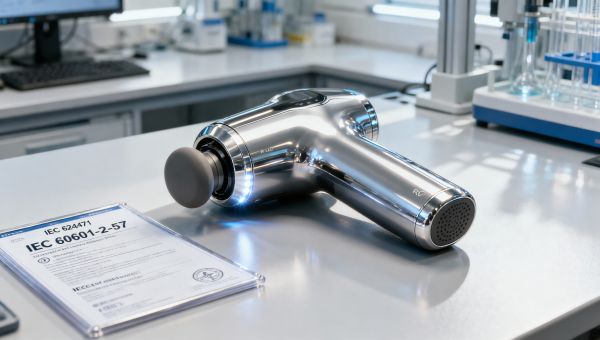
The 57th Cosmoprof Bologna, held from March 26–29, 2026, showcased a significant presence of Chinese beauty device manufacturers, with over 200 companies exhibiting RF/LED dual-mode devices. A key takeaway from the event was the growing emphasis among European and North American professional buyers on compliance certifications, particularly IEC 60601-2-57 (for RF medical devices) and IEC 62471 (for photobiological safety). Some buyers have even made EU MDR transition-period filings a prerequisite for orders. This shift highlights how regulatory adaptation is becoming a critical factor in the global beauty device trade, affecting manufacturers, suppliers, and distributors alike.
Event Overview
At Cosmoprof Bologna 2026, Chinese OEMs presented advanced RF/LED dual-mode beauty devices, which attracted considerable interest from international buyers. However, procurement discussions increasingly revolved around compliance documentation rather than just product performance. Buyers from Europe and North America explicitly required proof of IEC 60601-2-57 and IEC 62471 certifications, with some also demanding evidence of EU MDR transition-period compliance. This trend indicates a market shift toward stricter regulatory adherence in the beauty device industry.
Impact on Key Sub-Sectors
1. Beauty Device Manufacturers (OEMs/ODMs)
Chinese OEMs, traditionally focused on performance and cost efficiency, now face pressure to accelerate compliance processes. The demand for dual certifications (IEC 60601-2-57 and IEC 62471) means manufacturers must allocate more resources to regulatory testing and documentation. Delays in certification could result in lost orders, as buyers prioritize suppliers with pre-verified compliance.
2. Component Suppliers
Suppliers of RF and LED components must ensure their products meet the safety standards required for end-device certifications. Any non-compliant parts could disrupt the entire supply chain, forcing manufacturers to seek alternative sources. This may lead to increased costs or delays for critical components.
3. Distributors and Importers
Distributors in Europe and North America are now more cautious about sourcing non-certified devices, as regulatory scrutiny increases. Those who previously relied on performance-driven sales must now verify compliance before placing orders, adding an extra layer of due diligence to procurement processes.
Key Considerations for Industry Players
1. Prioritize Certification Readiness
Manufacturers should expedite testing for IEC 60601-2-57 and IEC 62471 compliance, as these are now baseline requirements for many buyers. Proactively obtaining EU MDR transition filings can further enhance marketability.
2. Strengthen Supplier Audits
Given the reliance on compliant components, manufacturers must conduct stricter audits of their RF and LED part suppliers to avoid certification bottlenecks.
3. Monitor Regulatory Updates
The EU MDR transition period and potential updates to IEC standards could introduce new requirements. Companies should track these developments to stay ahead of compliance demands.
Editorial Perspective
From an industry standpoint, the emphasis on certifications at Cosmoprof Bologna 2026 signals a maturing market where regulatory compliance is as critical as technological innovation. While Chinese manufacturers have demonstrated strong R&D capabilities in RF/LED dual-mode devices, their ability to meet international safety standards will determine future export success. This trend is likely to persist, making compliance a long-term competitive differentiator rather than a temporary hurdle.
Conclusion
The developments at Cosmoprof Bologna 2026 underscore a pivotal shift in the global beauty device industry, where regulatory compliance is becoming a decisive factor in procurement decisions. For Chinese manufacturers and their supply chain partners, adapting to these requirements will be essential to maintaining competitiveness in key markets like Europe and North America. Moving forward, companies should treat certifications not just as a compliance necessity but as a strategic advantage in international trade.
Source Information
Primary source: Cosmoprof Bologna 2026 event reports and buyer feedback. Ongoing monitoring is recommended for updates on EU MDR transition timelines and IEC standard revisions.
Related Intelligence
 Skincare OEMAug 16, 2026Amazon Enforces AI Human Metadata Rule for Beauty and Personal Care SellersAmazon now enforces AI human metadata rules for beauty sellers. Learn how to protect listings, traffic, and compliance in skincare, cosmetics, and beauty devices.
 Beauty DevicesAug 15, 2026China to Roll Out Nationwide Cross-Border Cash Pooling for MultinationalsChina to roll out nationwide cross-border cash pooling for multinationals from Sept. 14. Discover how this policy could improve treasury efficiency, liquidity management, and China-linked supply chains.
 Beauty DevicesAug 14, 2026China Imposes Temporary Export Ban on Helium, Affecting Cooling Supply ChainsChina's temporary helium export ban may disrupt cooling supply chains for beauty RF devices and laser systems. Learn what ODMs, buyers, and procurement teams should check now.
![]() Cosmetics & PkgAug 13, 2026PPWR becomes mandatory: Beauty and personal care packaging materials usher in new EPR and PFAS compliance requirementsPPWR takes effect for cosmetics packaging in the EU, bringing EPR registration and PFAS limits. Learn what brands, importers, and suppliers must do now.
Cosmetics & PkgAug 13, 2026PPWR becomes mandatory: Beauty and personal care packaging materials usher in new EPR and PFAS compliance requirementsPPWR takes effect for cosmetics packaging in the EU, bringing EPR registration and PFAS limits. Learn what brands, importers, and suppliers must do now. Cosmetics & PkgAug 12, 2026EU PPWR Now Enforced for Beauty Packaging ComplianceEU PPWR now enforced for beauty packaging compliance: learn how EPR, ERN, heavy metals and PFAS rules affect EU exports, customs clearance and platform sales.
 Cosmetics & PkgAug 11, 2026EU PPWR Rules Take Effect on Aug. 12 for Beauty PackagingEU PPWR rules for beauty packaging take effect on Aug. 12, 2026. Learn key compliance steps, EPR, labeling, PFAS limits, and how to avoid customs delays and fines.
 Smart Pet DevicesAug 10, 2026EU EPR Rules to Cover Smart Pet Devices on Aug. 15EU EPR Rules will cover smart pet devices from Aug. 15, 2026. Learn how smart collars, feeders, and monitoring devices can avoid delisting, customs delays, and compliance risks in the EU.
 Infant Feeding & CareAug 09, 2026CPSC Recalls Baby Sleep Sacks Over Undeclared TDCPPCPSC Recalls Baby Sleep Sacks Over Undeclared TDCPP: learn how this 2026 recall impacts CPC documents, third-party testing, and U.S. baby product compliance for exporters.
 Infant Feeding & CareAug 08, 2026ECHA Adds 5 SVHCs, Importer Notices Due From Oct 2026ECHA adds 5 SVHCs to the Candidate List, with importer notices due from October 2026. Learn how REACH affects exporters, supply chains, and documentation readiness.
 Baby Gear & StrollersAug 07, 2026CPSC Revises Crib Rail Standard for November 2026CPSC revises crib rail standard for November 2026, adding dynamic impact tests and mandatory third-party lab testing. Learn how the new rule affects U.S. market access, compliance, and shipments.
 Electronic & RC ToysAug 06, 2026EU to Require EN IEC 62115:2025 for Electronic ToysEU to Require EN IEC 62115:2025 for Electronic Toys from Oct 1, 2026. Learn scope, battery and AI safety updates, CE compliance risks, and how exporters can avoid customs delays.
 Baby Gear & StrollersAug 05, 2026US Stroller Stability Rule Takes Effect Aug. 15US Stroller Stability Rule Takes Effect Aug. 15: learn how new U.S. stroller compliance, ASTM F833-26a, and CPSC testing rules may affect imports, certification, and shipment readiness.
 Infant Feeding & CareAug 04, 2026ECHA Adds 5 SVHCs, Triggering Baby Care Export ReviewECHA adds 5 SVHCs, prompting an urgent baby care export review for EU-bound products. Learn the 0.1% threshold risks, compliance steps, and how to avoid customs delays and fines.












