
Water Flosser Manufacturer: 7 Reliability Tests That Matter
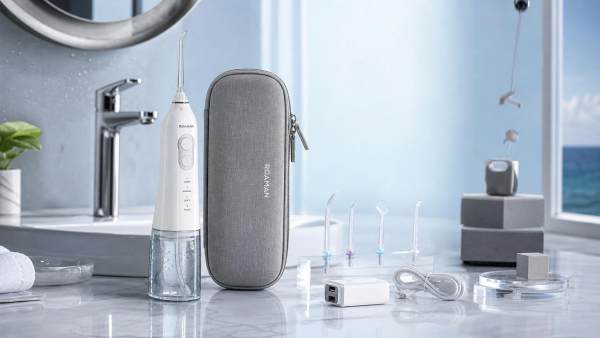
Choosing a reliable water flosser manufacturer is not just a sourcing decision—it is a quality and safety priority. For travel service brands, hotel amenity programs, wellness resorts, airport retail, and cross-border gift sourcing, product reliability affects guest satisfaction, returns, and liability exposure. The seven tests below reveal whether a factory can support durable, compliant, travel-ready oral care devices.
Why a Test-Based Checklist Matters in Travel Service Supply Chains
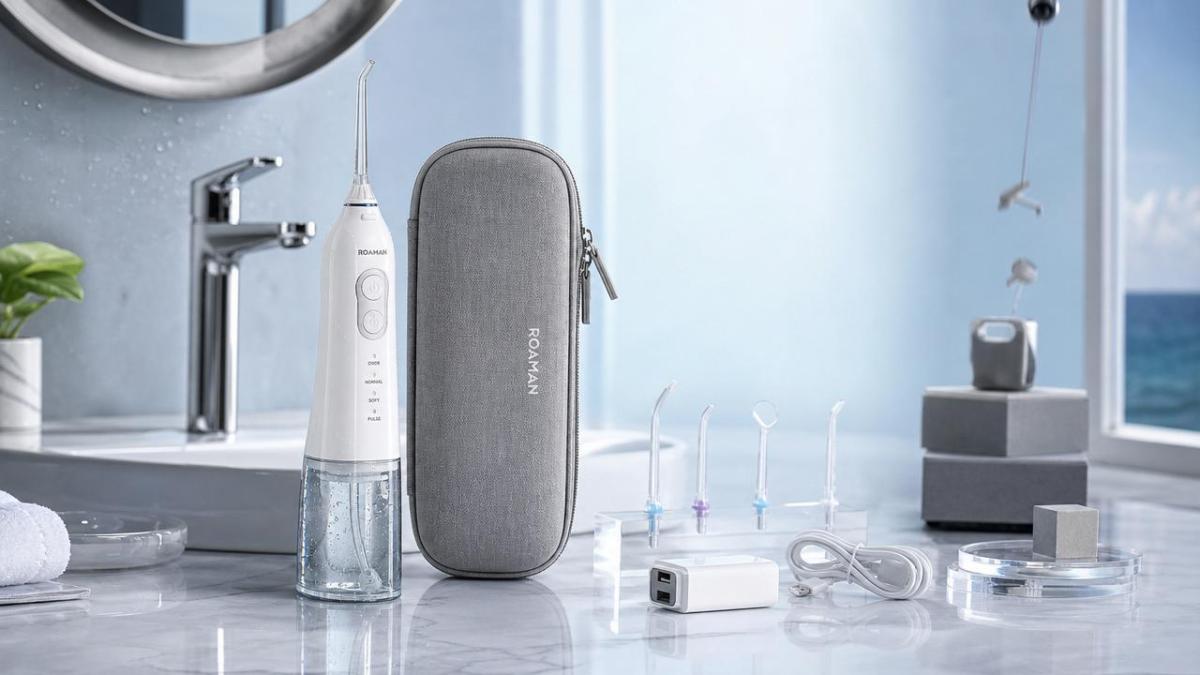
Travel service products face unusual stress. Portable oral care devices move through luggage, humid bathrooms, housekeeping cycles, and international voltage environments. A basic sample inspection rarely shows these risks.
That is why a water flosser manufacturer should be evaluated through reliability testing, not only price, design, or lead time. Test data supports safer sourcing decisions and stronger brand protection.
For businesses tied to tourism and hospitality, reliability also shapes guest reviews. One leaking or overheated unit can quickly damage trust in a premium travel experience.
7 Reliability Tests That Matter
- Verify water tank leak testing. Confirm the reservoir, seals, and joints hold pressure during repeated fill, drain, and transport simulation without seepage or cracking.
- Check pump life cycle testing. Require evidence that the motor and pump maintain stable pressure output after extended use, not just during short showroom demonstrations.
- Request drop and vibration testing. Simulate cabin baggage handling, courier movement, and bathroom counter falls to assess housing integrity and nozzle connection stability.
- Review electrical safety testing. Confirm insulation resistance, leakage current, overcharge protection, and adapter safety for global travel use and hospitality deployment.
- Inspect IP water-resistance testing. Bathroom appliances must tolerate splashes, wet hands, and humid storage without switch failure, battery corrosion, or internal short circuits.
- Examine material aging and chemical stability. Plastics, silicone, and tubing should resist discoloration, odor, brittleness, and deformation after heat, moisture, and cleaning-agent exposure.
- Audit charging port durability. Repeated charging, cable insertion, and cap opening should not loosen contacts, weaken seals, or reduce charging efficiency over time.
1. Water Tank Leak Testing
Leak testing is essential for any water flosser manufacturer. In tourism settings, devices may sit inside toiletry kits, welcome packs, or retail shelves for long periods before first use.
Ask for test records covering static sealing, pressure sealing, and post-transport sealing. A reliable unit should not leak after repeated opening, twisting, or inversion.
2. Pump Life Cycle Testing
Pressure consistency defines user experience. Weakening pulse force, abnormal noise, or intermittent spray often signals poor pump quality or unstable internal assembly.
A qualified water flosser manufacturer should provide cycle benchmarks, failure-rate data, and tolerance ranges for flow, pulse frequency, and pressure retention.
3. Drop and Vibration Testing
Travel products are dropped. They are also shaken during airfreight, road shipping, and baggage transfer. Cosmetic damage matters less than functional failure.
Review whether the water flosser manufacturer tests housing cracks, nozzle ejection, battery displacement, and seal separation after vibration and low-height drops.
4. Electrical Safety Testing
Electrical safety is non-negotiable for devices used in wet environments. It becomes even more important when products enter international retail or hotel guest-room channels.
Check for CE-related testing, battery protection validation, charger matching, and abnormal condition assessment. A serious water flosser manufacturer documents each result clearly.
5. IP Water-Resistance Testing
Portable oral irrigators are used around sinks and showers. Moisture intrusion can cause hidden corrosion that appears weeks after delivery.
Ask whether the water flosser manufacturer validates switch sealing, charging-port covers, and enclosure gaps under splash and humidity exposure conditions.
6. Material Aging and Chemical Stability
Travel service items often sit in warm warehouses, resort stockrooms, or bonded storage. Materials that age poorly can become brittle before end users even open the box.
A dependable water flosser manufacturer should test plastic housings, tanks, seals, and nozzles for heat aging, UV exposure, odor migration, and cleaning-agent compatibility.
7. Charging Port Durability
Charging failure is a common complaint in portable electronics. For travel users, that means a product becomes useless during a trip, creating frustration and refund risk.
Review insertion-cycle data, cap hinge strength, and waterproof retention after repeated use. This is a practical signal of whether a water flosser manufacturer understands field conditions.
How These Tests Apply Across Travel-Related Scenarios
Hotel and Resort Amenity Programs
In upscale hospitality, portable wellness devices support premium positioning. Reliability testing reduces the chance of room-level complaints, housekeeping incidents, and replacement costs.
Leak resistance and electrical safety are especially important here because products are used in wet bathrooms by guests with varying familiarity levels.
Airport Retail and Duty-Free Channels
Airport shoppers often buy compact personal care products for immediate travel use. Packaging may look attractive, but returns can spike if durability was never validated.
A water flosser manufacturer serving this channel should prove drop performance, battery safety, and travel-friendly charging reliability.
Travel Gift Sets and Cross-Border E-Commerce
Giftable personal care bundles depend on low defect rates. Long-distance fulfillment, customs delays, and climate variation can expose weak materials or assembly shortcuts.
In this scenario, material aging, seal integrity, and pump stability matter as much as branding and design finish.
Commonly Overlooked Risks
Sample bias: One polished pre-production sample does not represent mass production. Always compare lab reports with ongoing lot-level consistency records.
Incomplete test scope: Some factories test only the finished device, not the charger, nozzle fit, seal wear, or battery protection under abnormal use.
Certification confusion: Passing one market standard does not automatically cover every destination. Check test alignment with target sales regions and retail channels.
Unverified component changes: A factory may switch pumps, seals, or cells after approval. Require change-control procedures and updated validation after substitutions.
Practical Execution Steps
- Request a reliability matrix listing every test item, method, sample size, pass criteria, and failure history for the current model.
- Match test standards to your sales route, including hospitality placement, airport retail, online fulfillment, and international consumer compliance expectations.
- Inspect whether the water flosser manufacturer runs in-house validation only, or also uses accredited third-party laboratories for confirmation.
- Include ongoing batch audits, not only initial approval, to catch drift in sealing quality, battery sourcing, and assembly consistency.
Conclusion and Next Step
A capable water flosser manufacturer should demonstrate reliability through evidence, not promises. For travel service supply chains, these seven tests help reduce safety risk, protect brand reputation, and improve end-user satisfaction.
Before moving forward, build a short approval checklist around leak resistance, pump endurance, drop survival, electrical safety, IP performance, material stability, and charging durability. If a factory cannot document them, it is not ready for travel-focused distribution.
Related Intelligence
 Skincare OEMAug 16, 2026Amazon Enforces AI Human Metadata Rule for Beauty and Personal Care SellersAmazon now enforces AI human metadata rules for beauty sellers. Learn how to protect listings, traffic, and compliance in skincare, cosmetics, and beauty devices.
 Beauty DevicesAug 15, 2026China to Roll Out Nationwide Cross-Border Cash Pooling for MultinationalsChina to roll out nationwide cross-border cash pooling for multinationals from Sept. 14. Discover how this policy could improve treasury efficiency, liquidity management, and China-linked supply chains.
 Beauty DevicesAug 14, 2026China Imposes Temporary Export Ban on Helium, Affecting Cooling Supply ChainsChina's temporary helium export ban may disrupt cooling supply chains for beauty RF devices and laser systems. Learn what ODMs, buyers, and procurement teams should check now.
![]() Cosmetics & PkgAug 13, 2026PPWR becomes mandatory: Beauty and personal care packaging materials usher in new EPR and PFAS compliance requirementsPPWR takes effect for cosmetics packaging in the EU, bringing EPR registration and PFAS limits. Learn what brands, importers, and suppliers must do now.
Cosmetics & PkgAug 13, 2026PPWR becomes mandatory: Beauty and personal care packaging materials usher in new EPR and PFAS compliance requirementsPPWR takes effect for cosmetics packaging in the EU, bringing EPR registration and PFAS limits. Learn what brands, importers, and suppliers must do now. Cosmetics & PkgAug 12, 2026EU PPWR Now Enforced for Beauty Packaging ComplianceEU PPWR now enforced for beauty packaging compliance: learn how EPR, ERN, heavy metals and PFAS rules affect EU exports, customs clearance and platform sales.
 Cosmetics & PkgAug 11, 2026EU PPWR Rules Take Effect on Aug. 12 for Beauty PackagingEU PPWR rules for beauty packaging take effect on Aug. 12, 2026. Learn key compliance steps, EPR, labeling, PFAS limits, and how to avoid customs delays and fines.
 Smart Pet DevicesAug 10, 2026EU EPR Rules to Cover Smart Pet Devices on Aug. 15EU EPR Rules will cover smart pet devices from Aug. 15, 2026. Learn how smart collars, feeders, and monitoring devices can avoid delisting, customs delays, and compliance risks in the EU.
 Infant Feeding & CareAug 09, 2026CPSC Recalls Baby Sleep Sacks Over Undeclared TDCPPCPSC Recalls Baby Sleep Sacks Over Undeclared TDCPP: learn how this 2026 recall impacts CPC documents, third-party testing, and U.S. baby product compliance for exporters.
 Infant Feeding & CareAug 08, 2026ECHA Adds 5 SVHCs, Importer Notices Due From Oct 2026ECHA adds 5 SVHCs to the Candidate List, with importer notices due from October 2026. Learn how REACH affects exporters, supply chains, and documentation readiness.
 Baby Gear & StrollersAug 07, 2026CPSC Revises Crib Rail Standard for November 2026CPSC revises crib rail standard for November 2026, adding dynamic impact tests and mandatory third-party lab testing. Learn how the new rule affects U.S. market access, compliance, and shipments.
 Electronic & RC ToysAug 06, 2026EU to Require EN IEC 62115:2025 for Electronic ToysEU to Require EN IEC 62115:2025 for Electronic Toys from Oct 1, 2026. Learn scope, battery and AI safety updates, CE compliance risks, and how exporters can avoid customs delays.
 Baby Gear & StrollersAug 05, 2026US Stroller Stability Rule Takes Effect Aug. 15US Stroller Stability Rule Takes Effect Aug. 15: learn how new U.S. stroller compliance, ASTM F833-26a, and CPSC testing rules may affect imports, certification, and shipment readiness.
 Infant Feeding & CareAug 04, 2026ECHA Adds 5 SVHCs, Triggering Baby Care Export ReviewECHA adds 5 SVHCs, prompting an urgent baby care export review for EU-bound products. Learn the 0.1% threshold risks, compliance steps, and how to avoid customs delays and fines.












