2026 Product Trends Shaping Travel Retail Gift Demand
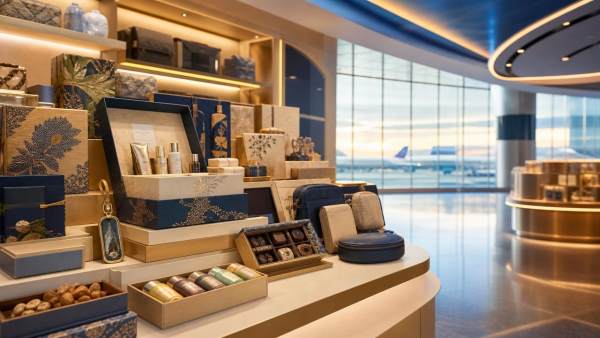
In 2026, travel retail gift demand is being shaped by faster trips, more selective spending, and sharper expectations around relevance. The product trends now influencing airport, cruise, border, and destination retail are not only about novelty. They reflect how travelers evaluate convenience, cultural value, portability, compliance, and sustainability in a compressed buying window.
That shift matters because gift categories often act as impulse purchases with strategic margins. A well-timed assortment can lift basket size, support brand differentiation, and strengthen retail partnerships across global travel channels. Poor assortment logic, by contrast, creates inventory drag and weakens sell-through.
For companies tracking retail supply chains, the real question is not which items look fashionable today. It is which product trends can be sourced reliably, certified correctly, and localized efficiently without losing commercial speed.
Why travel retail gifts are changing faster
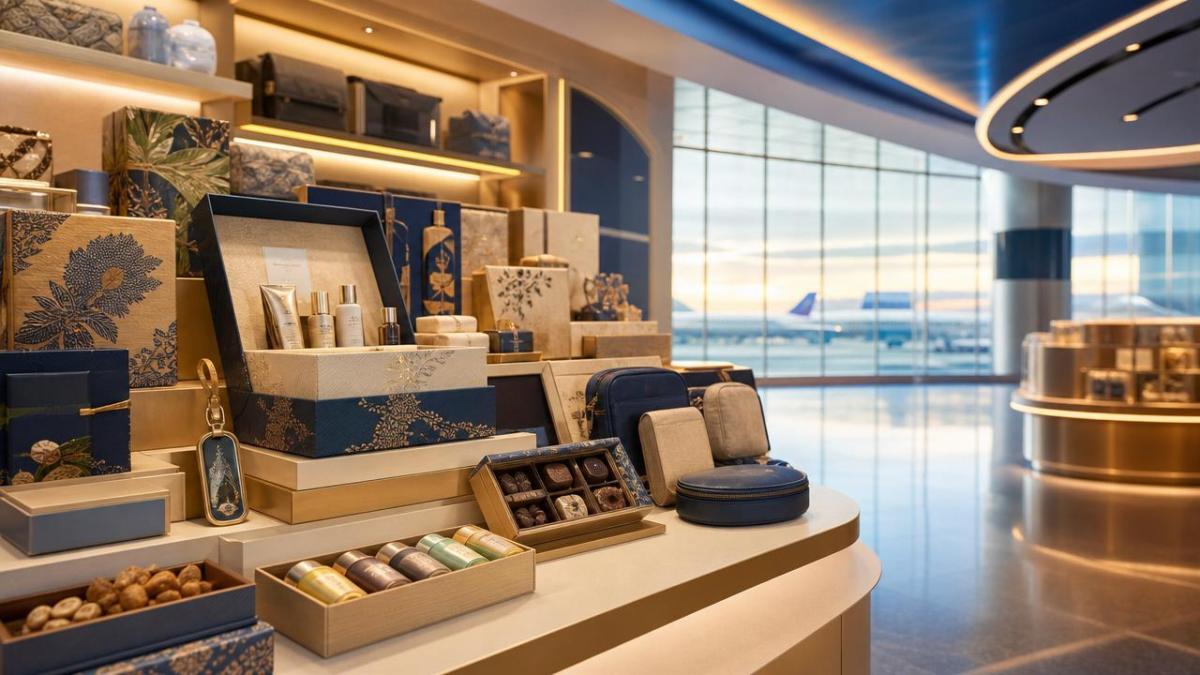
The travel services ecosystem has become more experience-led. Travelers buy gifts less as routine souvenirs and more as compact expressions of identity, discovery, and practicality.
This is why current product trends favor items that are easy to carry, easy to understand, and easy to justify at a premium. Packaging, display speed, and destination relevance now influence demand almost as much as the product itself.
Another factor is channel convergence. What performs in D2C, specialty retail, and social commerce now quickly shapes expectations in airport stores and tourism-linked gifting spaces.
As a result, travel retail is no longer isolated. It is part of a wider retail decision chain where trend velocity, compliance, and supply responsiveness matter at the same time.
The product trends defining 2026 gift demand
Several product trends stand out because they align with both traveler behavior and sourcing realities. The strongest performers are likely to sit at the intersection of emotion, utility, and operational simplicity.
Portable premium
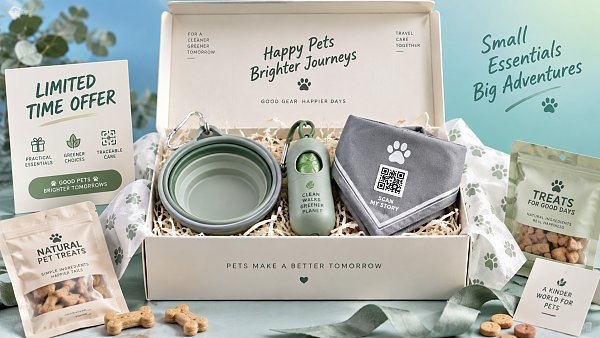
Travelers continue to reward small-format products with elevated finishing. Mini beauty sets, curated wellness kits, compact accessories, and upscale snack gifting all fit this pattern.
The appeal is clear. These items feel giftable without creating baggage friction. In travel retail, that balance is commercially powerful.
Localized storytelling
Destination-linked design is returning, but in a more refined form. Travelers increasingly prefer products that connect to local culture through design cues, ingredients, materials, or limited editions.
This does not mean generic souvenir branding. The stronger product trends use subtle regional storytelling that feels contemporary and collectible.
Sustainable by proof, not promise
Sustainability remains important, but vague claims are losing credibility. Buyers now look for recycled inputs, refill concepts, lower-plastic formats, and traceable manufacturing evidence.
In gift demand, this creates room for products that communicate responsible choices quickly. Clear labeling matters more than abstract brand messaging.
Cross-category gifting
Boundaries between beauty, wellness, toys, lifestyle, and travel accessories are becoming softer. Hybrid gift products often outperform single-use concepts because they serve broader traveler needs.
This is especially relevant to GCS-covered sectors, where gifts and toys increasingly connect with beauty, outdoor utility, baby travel, and even pet-related travel purchases.
What these product trends mean for commercial planning
Trend awareness alone is not enough. Travel retail operates under space constraints, seasonal swings, and strict operating standards. The value of product trends depends on how well they translate into assortment logic.
A useful way to read the market is to test every trend against four questions: Is it visible quickly, easy to carry, operationally compliant, and adaptable across regions?
This is where platforms such as Global Consumer Sourcing become useful. Market signals only create value when they are connected to real manufacturing capability, certification awareness, and supplier responsiveness.
Where demand is likely to concentrate
Not every travel touchpoint responds to the same product trends. Demand patterns vary by trip purpose, traveler mix, dwell time, and price elasticity.
Airports and transit hubs
Here, speed matters. Shoppers respond to gifts that can be understood in seconds and carried without hassle. Compact sets, wellness travel items, and premium local snacks remain strong.
Cruise and resort retail
These environments allow more browsing. Product trends linked to storytelling, leisure, and curated collections often perform better than purely functional items.
Tourism destinations and cultural sites
Authenticity is the key filter. The most effective gifts feel locally grounded but visually modern. That opens opportunities for limited collaborations and region-specific packaging.
Border retail and duty-free corridors
Price-value perception becomes sharper in these spaces. Bundled gifting and private-label exclusives can work well when presentation is clear and quality signals are immediate.
Sourcing priorities behind the visible trend story
The most attractive product trends can still fail if the sourcing model is weak. In 2026, the pressure point is not only creativity. It is execution under compliance and timing constraints.
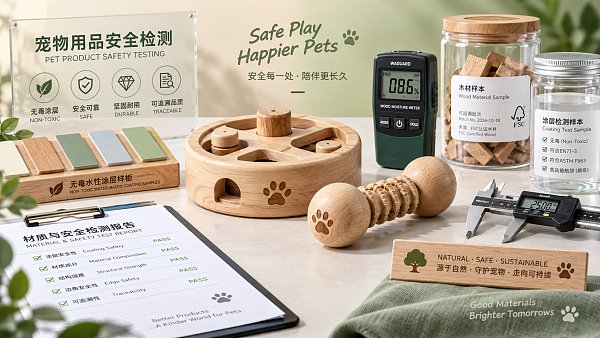
Beauty-adjacent gifts may require ingredient review or packaging controls. Toys and family-oriented products may raise CPC or regional safety considerations. Electronics-linked accessories introduce another layer of testing.
That is why trend-based assortment planning increasingly depends on verified supplier data, certification pathways, and realistic lead-time management. GCS positions this as a supply chain intelligence issue, not just a merchandising issue.
In practice, stronger teams are aligning product trends with three sourcing filters:
- Can the product be localized without disrupting quality control?
- Can compliance documentation scale across target regions?
- Can replenishment stay responsive during peak travel periods?
How to interpret 2026 product trends with more confidence
Not every trend deserves immediate rollout. The more effective approach is to separate signal from noise through structured evaluation.
A useful review process often includes commercial fit, operational feasibility, and trust signals in equal measure. If one of those fails, even promising products can underperform.
- Check whether the trend solves a traveler need or only reflects online attention.
- Compare packaging size, margin profile, and shelf visibility before expanding SKUs.
- Verify that sustainability claims are backed by materials, audits, or certifications.
- Review whether suppliers can handle limited editions without slowing replenishment.
- Use small pilot runs to test destination relevance before broader rollout.
This approach reduces the risk of chasing trends that look attractive in presentations but fail under real retail conditions.
A practical next step for 2026 planning
The most useful response to 2026 product trends is not a wholesale assortment reset. It is a sharper review of where gift demand, travel behavior, and supply capability already overlap.
Start by mapping current gift lines against portability, destination relevance, certification complexity, and sustainability proof. Then identify which categories can absorb faster innovation without creating sourcing fragility.
From there, trend intelligence becomes more actionable. It supports better line planning, stronger supplier conversations, and clearer investment priorities across travel retail channels.
In a market where product trends move quickly but trust builds slowly, the advantage will belong to businesses that connect demand signals with disciplined execution.
Related Intelligence
 Cosmetics & PkgOct 20, 2026Beauty Tops Amazon’s 2026 Prime Big Deal Days Shopping CategoriesBeauty tops Amazon’s 2026 Prime Big Deal Days at 32% of shoppers, according to Market Defense. Explore what the findings could mean for product selection, inventory and promotional planning.
 Baby Gear & StrollersOct 14, 2026Are Baby Carrier Buckle Failures a Common Reason for Returns?Are baby carrier buckle failures a common return issue? Explore defects, usability complaints, and safety checks to make informed sourcing decisions before your next order.
 Baby Gear & StrollersOct 14, 2026How Do You Compare Baby Carrier Suppliers on Safety and Cost?How do I compare baby carrier suppliers on safety and cost? Learn to verify safety evidence, assess factory controls, and compare total landed costs to make a confident sourcing decision.
 STEM & Educational ToysSep 20, 2026How Do I Verify Age Grading for Educational Toys?How do I verify educational toy age grading? Learn how to assess safety risks, test reports, packaging, and market compliance before buying or selling.
 Corporate & Seasonal GiftsSep 20, 2026Are Promotional Items Worth Ordering for Short Campaigns?Are promotional items worth ordering for short campaigns? Learn how pet brands can choose useful, compliant giveaways that drive measurable engagement, sales, and loyalty.
 STEM & Educational ToysSep 20, 2026What Safety Checks Should Wooden Toy Suppliers Pass?What safety checks should wooden toy suppliers pass? Explore essential compliance, material traceability, chemical testing, and quality controls to source safer toys with confidence.
 Infant Feeding & CareSep 20, 2026Which Teething Toy Materials Are Easiest to Clean?Which teething toy materials are easiest to clean? Discover why silicone and natural rubber lead for hygienic, easy-care pet chew toys.
 Infant Feeding & CareSep 20, 2026How Can Retailers Prevent Mold Complaints About Bath Toys?How can retailers prevent mold complaints about bath toys? Explore drainable designs, supplier controls, testing, and care guidance to reduce moisture risks.
 Camping & WaterSep 20, 2026Which Folding Chair Fabrics Last Longest Outdoors?Which folding chair fabrics last longest outdoors? Compare acrylic, PVC-coated polyester, UV-stabilized polyester, and mesh for durable, pet-friendly outdoor seating.
 Camping & WaterSep 20, 2026Are Folding Camping Chairs Tested for Weight Capacity?Are folding camping chairs tested for weight capacity? Learn what credible load testing, safety margins, and supplier documentation mean for confident outdoor product sourcing.
 Corporate & Seasonal GiftsSep 20, 2026How Can Corporate Gift Buyers Avoid Missing Event Deadlines?How do corporate gift buyers avoid missed event deadlines? Discover proven sourcing, customization, compliance, and shipping strategies for pet-themed corporate gifts.
 Corporate & Seasonal GiftsSep 20, 2026What Should Be Approved Before Placing a Custom Gift Order?What should be approved before placing a custom gift order? Explore the essential checks for safe, compliant, retail-ready custom pet gifts.
 Corporate & Seasonal GiftsSep 20, 2026Which Custom Gift Materials Have the Lowest Defect Rates?Which custom gift materials have the lowest defect rate? Explore why silicone, stainless steel, polypropylene, and polyester help pet gift brands reduce rejects and improve quality.