Gift OEM Trends for 2026: Low-Risk Custom Ideas That Still Scale
Gift OEM planning for 2026 is becoming more selective
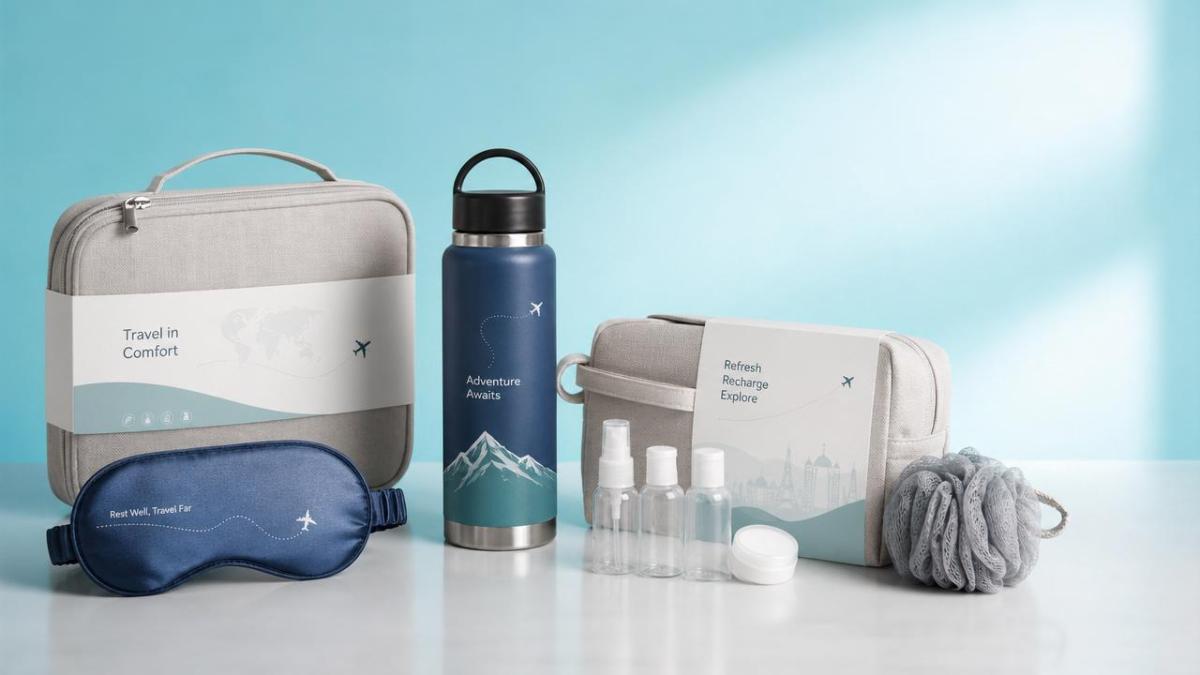
Travel services are rethinking merchandise programs for 2026 with a sharper eye on risk, timing, and commercial fit.
The big shift is not away from customization. It is away from fragile customization that slows launches or complicates compliance.
That change matters because gift OEM demand now sits between branding pressure and tighter operating discipline.
Airlines, resorts, cruise operators, tour brands, and destination retailers still need distinct souvenirs, welcome kits, and loyalty gifts.
What they want now are low-risk custom ideas that can scale across regions, seasons, and channel formats.
From recent sourcing signals, the strongest gift OEM opportunities are products with simple decoration, proven materials, and easy packaging adaptation.
This is where travel services connect naturally with the GCS view of supply chains.
Global Consumer Sourcing tracks how retail demand, compliance expectations, and private-label development move together rather than separately.
That perspective is useful when gift OEM decisions need to support brand perception without creating hidden sourcing instability.
Why this shift is getting harder to ignore
Several forces are pushing gift OEM programs toward safer customization models.
The first is lead-time volatility. Demand windows around holidays, route launches, and tourism peaks are less forgiving than before.
The second is compliance visibility. Products used by families, international travelers, or airport retail channels face closer scrutiny.
The third is margin discipline. Many branded gifts still need premium appearance, but not premium production uncertainty.
In practice, this means gift OEM strategies are favoring modularity over novelty for novelty’s sake.
This pattern explains why the most scalable gift OEM ideas often look understated rather than experimental.
The custom gift formats gaining traction
The strongest categories for 2026 are not the most disruptive ones. They are the ones that travel well across use cases.
Soft customization is leading the way in gift OEM because it protects both speed and repeatability.
Low-risk formats with room to scale
- Branded travel pouches with color, zipper pull, or lining variations instead of full structural redesigns.
- Insulated drinkware using standard molds with destination graphics, logo wraps, or event-based sleeves.
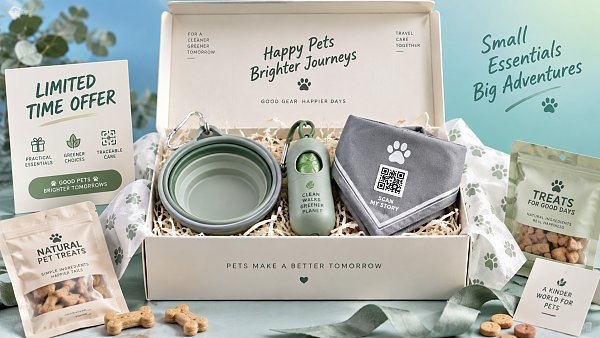
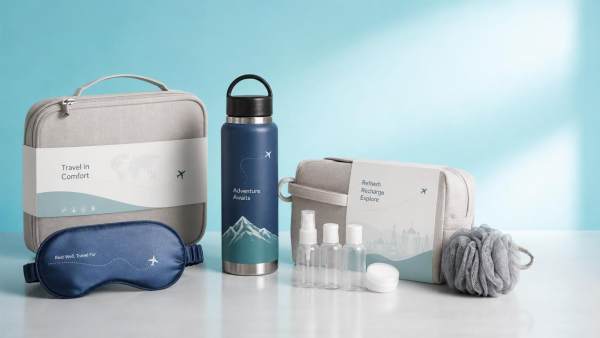
- Compact wellness kits combining sleep masks, refillable bottles, and amenity accessories in adaptable packaging.
- Plush, charm, or collectible gift OEM items tied to landmarks or mascots through artwork rather than new mechanics.
- Desk-to-travel crossover gifts, such as cable organizers or mini pouches, that work in both tourism and corporate gifting.
These formats fit current buyer behavior because they reduce the chance of tooling delays, failed tests, and inventory mismatch.
They also allow one gift OEM platform to serve hotel shops, loyalty redemption, welcome amenities, and event merchandise.
More importantly, they make localization easier. A destination graphic or language panel changes faster than a full product redesign.
Demand signals from travel services look more layered now
Gift OEM demand in travel services is no longer driven only by souvenir value.
Gifts are increasingly expected to support guest experience, social sharing, loyalty retention, and ancillary revenue at the same time.
That broadens the sourcing brief and changes which products feel commercially safe.
Where the pressure is showing up
In premium travel, packaging finish still matters, but oversized packaging is losing favor because it adds freight cost and waste.
In family travel, compliant materials and age-appropriate design matter more than novelty claims.
In destination retail, the winning gift OEM products are often lightweight, easy to carry, and visually local without being operationally complex.
In loyalty programs, repeatable replenishment matters more than one-off creative experiments.
This is where GCS-style intelligence becomes practical rather than abstract.
A reliable gift OEM decision now depends on reading demand, compliance, packaging, and replenishment as one connected system.
The hidden filter is compliance and operational trust
Many 2026 opportunities will be decided less by concept boards and more by execution reliability.
Gift OEM programs that look attractive on paper can weaken quickly if documentation, test history, or labeling discipline is inconsistent.
For travel services, that risk is amplified by international exposure and reputation sensitivity.
- Material traceability supports smoother approval for products touching skin, food, or children’s use contexts.
- Packaging clarity reduces friction in multi-country distribution and airport retail environments.
- Stable decoration methods help maintain color consistency across replenishment orders.
- Audit-ready factories make it easier to align gift OEM projects with brand governance goals.
GCS has built relevance here by framing sourcing through E-E-A-T principles, not just trend spotting.
That matters because trust signals now influence both supply chain confidence and digital discoverability.
In other words, the best gift OEM story in 2026 is supported by verifiable execution, not only creative positioning.
What deserves attention before committing volume
The practical question is not whether to customize. It is how to customize without building avoidable fragility.
Several checkpoints can help separate scalable gift OEM ideas from expensive distractions.
Useful evaluation points
- Check whether the product can accept regional artwork changes without changing structure or certification scope.
- Review if the packaging can serve retail shelves, welcome kits, and e-commerce fulfillment with minor adjustments.
- Test if the base SKU remains attractive even when branding elements are simplified for speed.
- Compare freight efficiency, not just unit cost, especially for bulky seasonal gifts.
- Confirm whether replenishment quality can match the first batch under the same decoration standard.
A gift OEM program that passes these filters is usually better positioned for multi-channel travel demand.
It also leaves more room for commercial testing without locking the business into a risky product architecture.
The next wave will reward disciplined creativity
Looking ahead, gift OEM growth in 2026 will likely come from brands that treat customization as a controlled system.
The winners will not necessarily launch the most unusual item. They will launch the most repeatable one with clear market relevance.
For travel services, that means gifts that feel local, useful, and brand-aligned while staying easy to certify and replenish.
A practical next step is to map current gift OEM plans against three filters: customization risk, compliance readiness, and channel flexibility.
Then compare those findings with external sourcing intelligence from platforms such as GCS, where retail trends and supply chain realities are analyzed together.
That approach does not remove uncertainty entirely. It does make uncertainty more measurable, which is often the real advantage.
In a market where speed and trust increasingly move together, disciplined gift OEM choices are likely to scale further than louder ones.
Related Intelligence
 Cosmetics & PkgOct 21, 2026BASF Plans Beauty Innovation Showcase at in-cosmetics Asia 2026Explore BASF’s planned beauty innovations at in-cosmetics Asia 2026 in Bangkok, with a focus on skin protection, repair and sustainable solutions for personal care formulators.
 Cosmetics & PkgOct 20, 2026Beauty Tops Amazon’s 2026 Prime Big Deal Days Shopping CategoriesBeauty tops Amazon’s 2026 Prime Big Deal Days at 32% of shoppers, according to Market Defense. Explore what the findings could mean for product selection, inventory and promotional planning.
 Baby Gear & StrollersOct 14, 2026How Long Does Custom Diaper Bag Production Usually Take?How long does custom diaper bag production usually take? Plan for 30–60 days after sample approval. Discover key lead-time factors and practical tips to avoid delays and launch on schedule.
 Baby Gear & StrollersOct 14, 2026Which Diaper Bag Features Justify a Higher Wholesale Price?What diaper bag features justify a higher wholesale price? Discover durability, comfort, and easy-clean upgrades worth paying for—and source smarter with practical buyer tips.
 Infant Feeding & CareOct 14, 2026How Can Retailers Prevent Baby Clothing Color Bleeding Claims?How can retailers avoid color bleeding claims on baby clothing? Discover testing, supplier controls, and care-label strategies to reduce returns and protect customer trust.
 Infant Feeding & CareOct 14, 2026Which Baby Clothing Materials Are Easier to Source Compliantly?What materials make baby clothing easier to source compliantly? Compare cotton, blends, and certified options, with practical supplier checks to reduce risk and make smarter sourcing decisions.
 Baby Gear & StrollersOct 14, 2026Are Baby Carrier Buckle Failures a Common Reason for Returns?Are baby carrier buckle failures a common return issue? Explore defects, usability complaints, and safety checks to make informed sourcing decisions before your next order.
 Baby Gear & StrollersOct 14, 2026How Do You Compare Baby Carrier Suppliers on Safety and Cost?How do I compare baby carrier suppliers on safety and cost? Learn to verify safety evidence, assess factory controls, and compare total landed costs to make a confident sourcing decision.
 STEM & Educational ToysSep 20, 2026How Do I Verify Age Grading for Educational Toys?How do I verify educational toy age grading? Learn how to assess safety risks, test reports, packaging, and market compliance before buying or selling.
 Corporate & Seasonal GiftsSep 20, 2026Are Promotional Items Worth Ordering for Short Campaigns?Are promotional items worth ordering for short campaigns? Learn how pet brands can choose useful, compliant giveaways that drive measurable engagement, sales, and loyalty.
 STEM & Educational ToysSep 20, 2026What Safety Checks Should Wooden Toy Suppliers Pass?What safety checks should wooden toy suppliers pass? Explore essential compliance, material traceability, chemical testing, and quality controls to source safer toys with confidence.
 Infant Feeding & CareSep 20, 2026Which Teething Toy Materials Are Easiest to Clean?Which teething toy materials are easiest to clean? Discover why silicone and natural rubber lead for hygienic, easy-care pet chew toys.
 Infant Feeding & CareSep 20, 2026How Can Retailers Prevent Mold Complaints About Bath Toys?How can retailers prevent mold complaints about bath toys? Explore drainable designs, supplier controls, testing, and care guidance to reduce moisture risks.