Private Label Travel Gifts: Cost, MOQ, and Lead Time Basics

Private Label Travel Gifts: Cost, MOQ, and Lead Time Basics
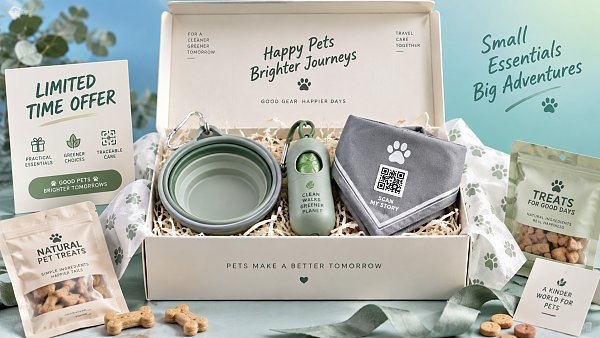
For procurement teams evaluating private label travel gifts, the first questions are usually cost, MOQ, and lead time.
Getting these basics right is essential for balancing margin, product quality, and delivery reliability.
This guide breaks down the factors buyers should compare before choosing suppliers and building a travel gift line that is competitive and scalable.
Why Private Label Travel Gifts Need Early Cost Planning
Private label travel gifts look simple on the surface.
In reality, small changes in material, packaging, and branding can shift landed cost quickly.
That matters even more when the items are used for retail programs, airline promotions, hotel gifting, or loyalty campaigns.
A private label travel gift often includes several cost layers.
- Base product cost
- Decoration cost, such as logo printing or embroidery
- Custom packaging cost
- Sampling and tooling fees
- Compliance testing when required
- Freight, duties, and local delivery
From a sourcing view, the cheapest quote rarely means the best buying decision.
The better signal is cost stability across repeat orders.
That includes clear raw material assumptions, realistic carton planning, and transparent reordering terms.
What Shapes the Cost of a Private Label Travel Gift
Cost usually starts with product type.
Travel pouches, luggage tags, neck pillows, toiletry kits, and compact organizers all follow different cost structures.
A soft textile item may look affordable.
But upgraded zippers, linings, recycled fabrics, and stitched labels can raise the quote fast.
Hard goods often bring another issue.
Mold cost may be low for standard shapes, but color matching and finishing can create extra charges.
The main cost drivers
- Material grade, including recycled or certified inputs
- Size, weight, and packing efficiency
- Logo method, such as print, patch, embossing, or metal plate
- Color count and Pantone matching
- Accessory details, including buckles, clips, straps, and inserts
- Retail-ready packaging versus bulk packing
In practical sourcing, packaging is often underestimated.
A private label travel gift sold through retail needs shelf appeal.
A gift used in a campaign may need compact shipping first.
That difference changes both unit cost and freight cost.
How MOQ Affects Supplier Selection
MOQ is not just a number on a quote sheet.
For private label projects, MOQ reflects factory efficiency, material purchasing logic, and production risk.
A lower MOQ may seem attractive during supplier comparison.
Still, it can come with higher unit prices, fewer custom options, or tighter payment terms.
A higher MOQ may improve unit economics.
However, it also raises inventory pressure and forecasting risk.
Common MOQ patterns in private label sourcing
- Standard stock item with logo only: lower MOQ
- Custom color with stock shape: medium MOQ
- Custom material or trim package: higher MOQ
- Fully custom OEM design: highest MOQ
This also means MOQ should be reviewed at component level.
For example, the bag body may support 500 units.
But the woven label, gift box, or custom zipper pull may require 2,000 units.
That is where many private label travel gifts become more expensive than planned.
Questions worth asking suppliers
- Is the MOQ based on total order quantity or per color?
- Does the MOQ change with logo method?
- Can extra packaging materials be held for repeat orders?
- Are mixed styles allowed under one production run?
- What is the reorder MOQ after the first order?
Lead Time Basics for Private Label Travel Gifts
Lead time is where a promising quote can break down.
A supplier may offer a good price on a private label travel gift, yet fail to meet the launch window.
That risk is especially relevant for seasonal gifting, travel retail resets, and promotional campaigns with fixed dates.
Most lead time plans include three stages.
- Sample development and approval
- Bulk production
- Shipping and customs handling
In real projects, sample approval often takes longer than expected.
Artwork revisions, color comments, and packaging changes can add weeks before production even starts.
Typical lead time checkpoints
The more customized the private label item, the more buffer time is needed.
Factories producing stock-based items can move faster than those handling full OEM development.
Comparing Suppliers Beyond the Quote
When comparing private label travel gift suppliers, the quote should never stand alone.
A strong supplier package should connect price, MOQ, quality controls, and timing in one workable offer.
This is also where sourcing decisions become less reactive and more strategic.
What to compare side by side
- Quoted unit price at different quantity tiers
- Sampling fees and whether they are refundable
- Production lead time after deposit and approval
- Material certifications and testing support
- Packaging options and carton efficiency
- Defect handling, replacement terms, and inspection process
A private label program becomes easier to scale when reorders are simple.
That means stable trims, documented specs, and a supplier that can repeat color and packaging consistently.
For many travel gift categories, repeatability is as important as first-order cost.
Risk Control Tips Before Placing a Private Label Order
There are a few practical ways to reduce sourcing risk early.
These steps help keep a private label travel gift project on budget and on schedule.
- Lock product specifications before final quoting
- Approve pre-production samples against written standards
- Confirm packaging dimensions before freight booking
- Separate sample approval time from bulk production time
- Build a backup plan for urgent air shipments
- Review reorder terms before the first PO is issued
Another smart move is to ask for cost breakdown logic.
Suppliers do not need to reveal every margin detail.
But they should explain what changes the price, what changes the MOQ, and what can shorten lead time.
That transparency is often a good predictor of future execution.
Final Takeaway for Sourcing Decisions
Private label travel gifts are not only about picking an attractive item.
The stronger sourcing decision comes from balancing cost, MOQ, lead time, and repeat-order reliability together.
In today’s market, a useful private label strategy also needs flexibility.
Demand can shift quickly, freight costs can move, and campaign calendars rarely stay perfect.
That is why the best suppliers are not just low-cost vendors.
They are partners that provide clear numbers, realistic timing, and consistent execution.
Before moving forward, compare every private label offer against your target margin, launch date, and reorder plan.
That simple discipline makes it much easier to build a travel gift line that performs well now and scales with less risk later.
Related Intelligence
 STEM & Educational ToysOct 22, 2026Blokees Showcases Over 900 Products at the 2026 China International Toy FairBlokees showcases over 900 products at the 2026 China International Toy Fair. Explore Model Kits, BLOKEES WHEELS and key sourcing checks to guide your next purchase.
 Cosmetics & PkgOct 21, 2026BASF Plans Beauty Innovation Showcase at in-cosmetics Asia 2026Explore BASF’s planned beauty innovations at in-cosmetics Asia 2026 in Bangkok, with a focus on skin protection, repair and sustainable solutions for personal care formulators.
 Cosmetics & PkgOct 20, 2026Beauty Tops Amazon’s 2026 Prime Big Deal Days Shopping CategoriesBeauty tops Amazon’s 2026 Prime Big Deal Days at 32% of shoppers, according to Market Defense. Explore what the findings could mean for product selection, inventory and promotional planning.
 Baby Gear & StrollersOct 14, 2026How Long Does Custom Diaper Bag Production Usually Take?How long does custom diaper bag production usually take? Plan for 30–60 days after sample approval. Discover key lead-time factors and practical tips to avoid delays and launch on schedule.
 Baby Gear & StrollersOct 14, 2026Which Diaper Bag Features Justify a Higher Wholesale Price?What diaper bag features justify a higher wholesale price? Discover durability, comfort, and easy-clean upgrades worth paying for—and source smarter with practical buyer tips.
 Infant Feeding & CareOct 14, 2026How Can Retailers Prevent Baby Clothing Color Bleeding Claims?How can retailers avoid color bleeding claims on baby clothing? Discover testing, supplier controls, and care-label strategies to reduce returns and protect customer trust.
 Infant Feeding & CareOct 14, 2026Which Baby Clothing Materials Are Easier to Source Compliantly?What materials make baby clothing easier to source compliantly? Compare cotton, blends, and certified options, with practical supplier checks to reduce risk and make smarter sourcing decisions.
 Baby Gear & StrollersOct 14, 2026Are Baby Carrier Buckle Failures a Common Reason for Returns?Are baby carrier buckle failures a common return issue? Explore defects, usability complaints, and safety checks to make informed sourcing decisions before your next order.
 Baby Gear & StrollersOct 14, 2026How Do You Compare Baby Carrier Suppliers on Safety and Cost?How do I compare baby carrier suppliers on safety and cost? Learn to verify safety evidence, assess factory controls, and compare total landed costs to make a confident sourcing decision.
 STEM & Educational ToysSep 20, 2026How Do I Verify Age Grading for Educational Toys?How do I verify educational toy age grading? Learn how to assess safety risks, test reports, packaging, and market compliance before buying or selling.
 Corporate & Seasonal GiftsSep 20, 2026Are Promotional Items Worth Ordering for Short Campaigns?Are promotional items worth ordering for short campaigns? Learn how pet brands can choose useful, compliant giveaways that drive measurable engagement, sales, and loyalty.
 STEM & Educational ToysSep 20, 2026What Safety Checks Should Wooden Toy Suppliers Pass?What safety checks should wooden toy suppliers pass? Explore essential compliance, material traceability, chemical testing, and quality controls to source safer toys with confidence.
 Infant Feeding & CareSep 20, 2026Which Teething Toy Materials Are Easiest to Clean?Which teething toy materials are easiest to clean? Discover why silicone and natural rubber lead for hygienic, easy-care pet chew toys.